1 João 3
Nhandejáry Nhe'ẽ · Toque num versículo para ver as referências cruzadas.
Nhandejáry re'ýi kwéry
1Nhandejáry rembiexakwaa porã voi nhande. Nhande rayhu tee rei-ma oiko-vy. Upéa-gwi Nhandejáry ra'y kwéry-py nhane renói. Nhandejáry ra'y kwéry voi nhande. Ha teko rei katu ndohexa kwaáiry Cristo-rehe. Nhandejáry ra'yha ndohexa kwaáiry hese. Upéa-gwi ndohexa kwaáiry nhande-rehe ave ta'y kwéryha nhande. 2Ãy katu, xe rembiayhu, Nhandejáry ra'y kwéry voi nhande. Ha upe rire katu ndojekwaái vyteri nhande rekorã. Ojehexa uka jevy ou-vy ramo, jahexa-gwi íxupe onhemomba'egwasu ramo, Hesu rekoha-ramima nhanhehekoviarõ va'erã íxupe. Upéa peikwaa voi. 3“Cristo-pe ahexa va'erã hekoha-rami. Anhehekoviarõ va'erã íxupe” he'i va'e gwive, onhemopotĩse tĩse oiko-vy. Cristo py'a potĩha-ramima onhemopotĩ oiko-vy.
4Jajejavy ramo, Nhandejáry nhe'ẽ apo e'ỹha nhande. Upéa-gwi ojejavy va'e gwive ndoikovéi-ma voi Nhandejáry reko-rupi. Otekoha rasa-ma va'e oiko-vy. 5Ojehexa uka ou-vy va'ekwe Cristo omboyke hagwã nhandéhegwi nhane rembiapo vaikwe. Ha'e ko ojejavy e'ỹ va'e voi. 6Upéixa ramo Cristo-pe peteĩxa omoirũ va'e gwive, ndaha'evéi-ma ojejavy va'ety. Ha ojejavy va'ety katu ohexa kwaa e'ỹ va'e Nhandejáry-rehe. Ndoheko kwaái íxupe. Nomoirũiry voi íxupe.
7Ani penhembotavy uka teĩ avave-pe, xe re'ýi kwéry. Hembiapo porã va'e gwive ojejavy e'ỹ va'e voi. Cristo ojejavy e'ỹha-rami ndojejavýi ave. 8Ha ojejavy va'e gwive katu anháy reko-rupi oiko. Ha anháy ruvixa ko yvy nhepyrũ gwive, ojejavy va'ekwe oiko-vy. Upéa-gwi ojejavy va'e oiko heko-rupi. Upéa-rehe ojehexa uka ou-vy va'ekwe Nhandejáry ra'y omokanhy ngatupa hagwã anháy rembiapokwe.
9Ha Nhandejáry ra'y kwéry katu oiko Nhandejáry reko-rupi. Ipy'a kwéry-py oiko inhe'ẽ. Upéa-gwi ojejavy e'ỹ va'e voi oiko-vy. Túvy Nhandejáry voi. Upéa-gwi ndikatúi ojejavy oiko-vy. 10Upéixa ramo ojekwaa porã Nhandejáry ra'y kwéry. Anháy ruvixa ra'y kwéry ojekwaa porã ave. Ojejavy va'e gwive, Hesu reroviaha-pe ndohayhúi va'e, ndaha'éi Nhandejáry re'ýi kwéry-rami.
Pejohayhu katu peiko-vy
11Are-ma Hesu reroviaha ramo peiko-ma ramo, omombe'u va'ekwe peẽ-my pejohayhu hagwã. “Pejohayhu katu peiko-vy” he'i peẽ-my. 12Ha myamyrĩ Caim reko-rupi katu aníke peiko teĩ. Caim anháy reko-rupi oiko-gwi, ojuka va'ekwe gwyvýry-pe. Ma'erã po ojuka íxupe? Tyke'ýry hembiapo vai meme va'e. Ha tyvýry katu hembiapo porã va'e. Upéa-gwi ojuka va'ekwe gwyvýry-pe.
13Upéixa ramo, xe ryvy kwéry, ndaija'éi ramo pende-rehe teko rei, pendéjehe ani aipo peje “Ma'erã po ndaija'éi nhande-rehe” ani aipo peje pendéjehe. 14Yma va'ekwe jaiko rei va'ekwe Nhandejáry-gwi mombyry. Ha ãy katu jaikove meme-ma Nhandejáry ndive. Nhandejáry ndive jaikoha jaikwaa voi. Jahayhu voi nhande re'ýi Hesu-rehe ojerovia va'e-pe. Jajohayhu-gwi peteĩxa Nhandejáry ndive jaikoha jaikwaa voi “Nhandejáry ndive-ma voi jaiko” ja'e nhandéjehe. Ha gwe'ýi-pe ohayhu e'ỹ va'e katu, Nhandejáry-gwi mombyry joty oiko. 15Ha gwe'ýi-pe ohayhu e'ỹ va'e katu, oporojuka va'e ojejavyha-rami ojejavy ave. Ha Nhandejáry ndive ndoiko mo'ãi opa e'ỹ reheve oporojuka va'e. Upéa peikwaa voi. 16A-rami jaikwaa ohayhu teeha. Cristo nahakate'ỹiry gwekove-rehe. Nhande-rehe ojejuka uka va'ekwe. Ha'e-rami iporã nanhane rakate'ỹiry nhande rekove-rehe. Iporã nhaipytygwõ nhande re'ýi-pe nhamano ete peve, nhapena e'ỹ reheve nhandéjehe. “Apa ete peve aporesende va'erã” peje katu pende re'ýi kwéry-pe. 17Ha imba'e reta va'e katu oĩ ohexa va'e gwe'ýi remikotevẽ. Ha ndoiporiahuverekóiry íxupe. Ndohexakwaa reíry íxupe. Upéa, “Nhandejáry xe rembiayhu voi” he'i mo'ã ojéupe. Ndohayhúi voi Nhandejáry-pe. 18Oĩ “Jajohayhu va'e” he'i mo'ã ójehe. Ha nonhopytygwõiry. Ojuru-py rei ojohayhu. Jajohayhu tee katu nhanhopytygwõ-vy.
Nhandejáry rovagwy-py nanhatĩry va'erã jajapo ramo oração
19Upéixa voi “Hesu reroviaha tee voi nhande” ja'e nhandéjehe nhande apu e'ỹ reheve nhandéjehe. Upéixa Nhandejáry rovagwy-py nanhatĩry va'erã jajapo hagwã oração. 20Ha sapy'ánte nde py'a-py “Erejejavy-ma” he'i vérami mo'ã, ani pepena teĩ hese. Ipu'akave joty Nhandejáry nhande py'a-py oĩ va'e nhe'ẽ-rehe. Ome'ẽve py'agwapy. Opamba'e oikwaa voi. Jajejavy e'ỹseha oikwaa ave. 21Upéixa ramo peẽ xe rembiayhu va'e, nhande py'a-py mba'eve nde'íry vérami, Nhandejáry rovagwy-py nanhatĩry va'erã jajapo hagwã oração. 22Hemimanda nhahendu va'e, hemimbota jajapo va'e. Upéa-gwi oime raẽ va'e-rehe jajerure íxupe va'e ome'ẽ nhande-vy. 23A-rami he'i nhande-vy: “Perovia katu xe Ra'y Hesu Cristo réry-pe. Pejohayhu katu, Cristo peẽ-my he'i hagwe-rami” he'i nhande-vy omanda-vy. 24Nhandejáry remimanda ohendu va'e gwive peteĩxa omoirũ Nhandejáry-pe. Nhandejáry ave peteĩxa omoirũ íxupe. Ome'ẽ va'ekwe nhande-vy Nhandejáry onhe'ẽ marangatu tee va'e. Upéa-gwi inhe'ẽ marangatu tee va'e nhande py'a-py oiko-gwi jaikwaa Nhandejáry peteĩxa nhane moirũha.
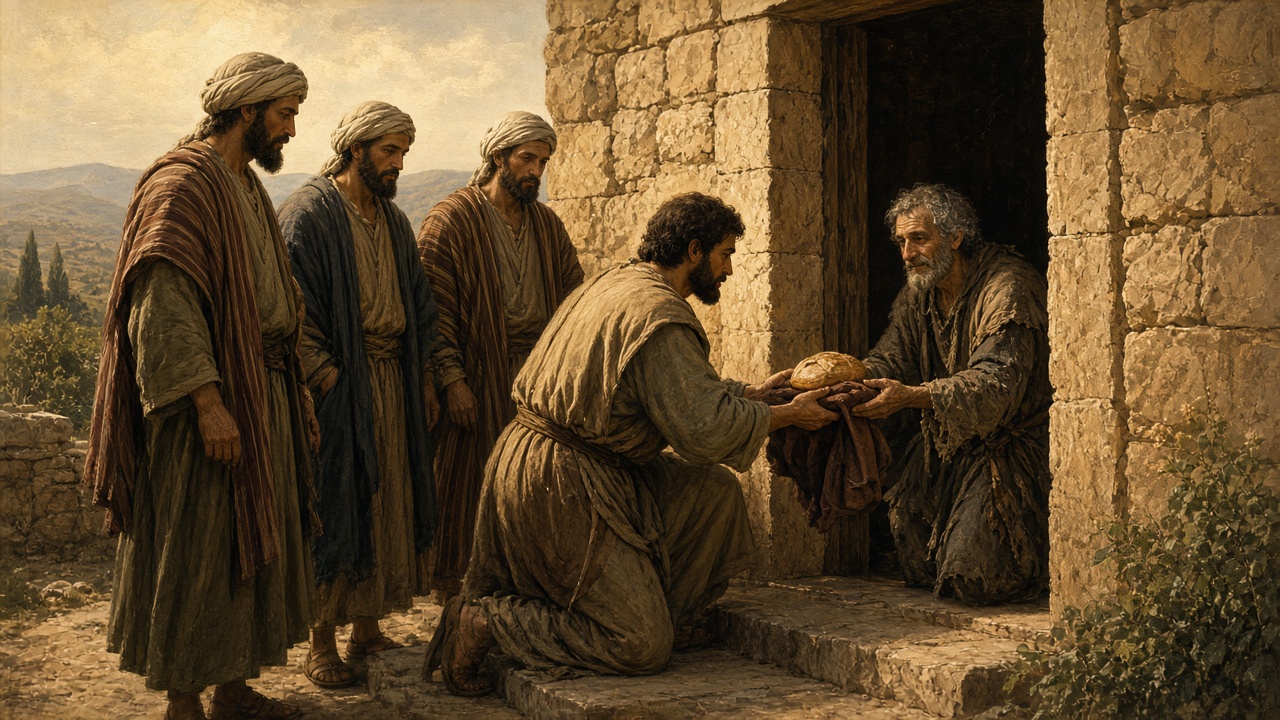
Você sabia?
Filhos de Deus e amor fraterno
- A advertência para não ser como Caim lembra o primogênito de Adão e Eva, lavrador da terra, cujo irmão Abel seguia a vida pastoral. Eles apresentaram ofertas: a de Abel, dos primogênitos e da gordura do rebanho, foi aceita como mais excelente, e Caim, cuja oferta era do fruto da terra, ficou muito irado. A carta diz que Caim era do maligno e assassinou Abel porque as suas próprias obras eram más e as de seu irmão eram justas.Fontes: Cain · o próprio texto bíblico
- Neste capítulo, odiar o irmão é tratado como homicídio: todo aquele que odeia seu irmão é homicida, e a vida eterna não reside num homicida. O amor se conhece porque Jesus entregou a sua vida por nós, e se diz aos leitores que devem entregar a vida pelos irmãos.Fontes: o próprio texto bíblico
- Os filhos de Deus se distinguem dos filhos do diabo por praticar a justiça e por amar o irmão. A mensagem ouvida desde o princípio é que devemos amar uns aos outros, e o mandamento de Deus é crer no nome de seu Filho, Jesus Cristo, e amar uns aos outros como ele ordenou.Fontes: o próprio texto bíblico
Notas escritas com auxílio de IA a partir de fontes abertas (Theographic Bible Metadata, CC BY-SA 4.0; Easton’s Bible Dictionary, domínio público) e revisadas antes de publicar.
Créditos e licença desta tradução
Nhandejáry Nhe'ẽ
New Testament in Kaiwá (BR:kgk:Kaiwá)
copyright © 2006 Wycliffe Bible Translators, Inc.
Language: Kaiwá
Translation by: Wycliffe Bible Translators, Inc.
Copyright Information
© 2006, Wycliffe Bible Translators, Inc. All rights reserved.
This translation text is made available to you under the
terms of the Creative Commons License: Attribution-Noncommercial-No Derivative Works.
( http://creativecommons.org/licenses/by-nc-nd/3.0/ )
In addition, you have permission to port the text to different file formats, as long as you
do not change any of the text or punctuation of the Bible.
You may share, copy, distribute, transmit, and extract portions
or quotations from this work, provided that you include the above copyright
information:
You must give Attribution to the work.
You do not sell this work for a profit.
You do not make any derivative works that change any of the actual words or punctuation of the Scriptures.
Permissions beyond the scope of this license may be
available if you contact
us with your request.
The New Testament
in Kaiwá
© 2006, Wycliffe Bible Translators, Inc. All rights reserved.
This translation is made available to you under the terms of the
Creative Commons Attribution-Noncommercial-No Derivatives license 4.0.
You may share and redistribute this Bible translation or extracts from it in any format, provided that:
You include the above copyright and source information.
You do not sell this work for a profit.
You do not change any of the words or punctuation of the Scriptures.
Pictures included with Scriptures and other documents on this site are licensed just for use with those Scriptures and documents.
For other uses, please contact the respective copyright owners.
2014-04-27
Fonte: http://ebible.org/kgkNT/ · eBible.org