1 John 3
Nhandejáry Nhe'ẽ · Tap a verse to see its cross-references.
Nhandejáry re'ýi kwéry
1Nhandejáry rembiexakwaa porã voi nhande. Nhande rayhu tee rei-ma oiko-vy. Upéa-gwi Nhandejáry ra'y kwéry-py nhane renói. Nhandejáry ra'y kwéry voi nhande. Ha teko rei katu ndohexa kwaáiry Cristo-rehe. Nhandejáry ra'yha ndohexa kwaáiry hese. Upéa-gwi ndohexa kwaáiry nhande-rehe ave ta'y kwéryha nhande. 2Ãy katu, xe rembiayhu, Nhandejáry ra'y kwéry voi nhande. Ha upe rire katu ndojekwaái vyteri nhande rekorã. Ojehexa uka jevy ou-vy ramo, jahexa-gwi íxupe onhemomba'egwasu ramo, Hesu rekoha-ramima nhanhehekoviarõ va'erã íxupe. Upéa peikwaa voi. 3“Cristo-pe ahexa va'erã hekoha-rami. Anhehekoviarõ va'erã íxupe” he'i va'e gwive, onhemopotĩse tĩse oiko-vy. Cristo py'a potĩha-ramima onhemopotĩ oiko-vy.
4Jajejavy ramo, Nhandejáry nhe'ẽ apo e'ỹha nhande. Upéa-gwi ojejavy va'e gwive ndoikovéi-ma voi Nhandejáry reko-rupi. Otekoha rasa-ma va'e oiko-vy. 5Ojehexa uka ou-vy va'ekwe Cristo omboyke hagwã nhandéhegwi nhane rembiapo vaikwe. Ha'e ko ojejavy e'ỹ va'e voi. 6Upéixa ramo Cristo-pe peteĩxa omoirũ va'e gwive, ndaha'evéi-ma ojejavy va'ety. Ha ojejavy va'ety katu ohexa kwaa e'ỹ va'e Nhandejáry-rehe. Ndoheko kwaái íxupe. Nomoirũiry voi íxupe.
7Ani penhembotavy uka teĩ avave-pe, xe re'ýi kwéry. Hembiapo porã va'e gwive ojejavy e'ỹ va'e voi. Cristo ojejavy e'ỹha-rami ndojejavýi ave. 8Ha ojejavy va'e gwive katu anháy reko-rupi oiko. Ha anháy ruvixa ko yvy nhepyrũ gwive, ojejavy va'ekwe oiko-vy. Upéa-gwi ojejavy va'e oiko heko-rupi. Upéa-rehe ojehexa uka ou-vy va'ekwe Nhandejáry ra'y omokanhy ngatupa hagwã anháy rembiapokwe.
9Ha Nhandejáry ra'y kwéry katu oiko Nhandejáry reko-rupi. Ipy'a kwéry-py oiko inhe'ẽ. Upéa-gwi ojejavy e'ỹ va'e voi oiko-vy. Túvy Nhandejáry voi. Upéa-gwi ndikatúi ojejavy oiko-vy. 10Upéixa ramo ojekwaa porã Nhandejáry ra'y kwéry. Anháy ruvixa ra'y kwéry ojekwaa porã ave. Ojejavy va'e gwive, Hesu reroviaha-pe ndohayhúi va'e, ndaha'éi Nhandejáry re'ýi kwéry-rami.
Pejohayhu katu peiko-vy
11Are-ma Hesu reroviaha ramo peiko-ma ramo, omombe'u va'ekwe peẽ-my pejohayhu hagwã. “Pejohayhu katu peiko-vy” he'i peẽ-my. 12Ha myamyrĩ Caim reko-rupi katu aníke peiko teĩ. Caim anháy reko-rupi oiko-gwi, ojuka va'ekwe gwyvýry-pe. Ma'erã po ojuka íxupe? Tyke'ýry hembiapo vai meme va'e. Ha tyvýry katu hembiapo porã va'e. Upéa-gwi ojuka va'ekwe gwyvýry-pe.
13Upéixa ramo, xe ryvy kwéry, ndaija'éi ramo pende-rehe teko rei, pendéjehe ani aipo peje “Ma'erã po ndaija'éi nhande-rehe” ani aipo peje pendéjehe. 14Yma va'ekwe jaiko rei va'ekwe Nhandejáry-gwi mombyry. Ha ãy katu jaikove meme-ma Nhandejáry ndive. Nhandejáry ndive jaikoha jaikwaa voi. Jahayhu voi nhande re'ýi Hesu-rehe ojerovia va'e-pe. Jajohayhu-gwi peteĩxa Nhandejáry ndive jaikoha jaikwaa voi “Nhandejáry ndive-ma voi jaiko” ja'e nhandéjehe. Ha gwe'ýi-pe ohayhu e'ỹ va'e katu, Nhandejáry-gwi mombyry joty oiko. 15Ha gwe'ýi-pe ohayhu e'ỹ va'e katu, oporojuka va'e ojejavyha-rami ojejavy ave. Ha Nhandejáry ndive ndoiko mo'ãi opa e'ỹ reheve oporojuka va'e. Upéa peikwaa voi. 16A-rami jaikwaa ohayhu teeha. Cristo nahakate'ỹiry gwekove-rehe. Nhande-rehe ojejuka uka va'ekwe. Ha'e-rami iporã nanhane rakate'ỹiry nhande rekove-rehe. Iporã nhaipytygwõ nhande re'ýi-pe nhamano ete peve, nhapena e'ỹ reheve nhandéjehe. “Apa ete peve aporesende va'erã” peje katu pende re'ýi kwéry-pe. 17Ha imba'e reta va'e katu oĩ ohexa va'e gwe'ýi remikotevẽ. Ha ndoiporiahuverekóiry íxupe. Ndohexakwaa reíry íxupe. Upéa, “Nhandejáry xe rembiayhu voi” he'i mo'ã ojéupe. Ndohayhúi voi Nhandejáry-pe. 18Oĩ “Jajohayhu va'e” he'i mo'ã ójehe. Ha nonhopytygwõiry. Ojuru-py rei ojohayhu. Jajohayhu tee katu nhanhopytygwõ-vy.
Nhandejáry rovagwy-py nanhatĩry va'erã jajapo ramo oração
19Upéixa voi “Hesu reroviaha tee voi nhande” ja'e nhandéjehe nhande apu e'ỹ reheve nhandéjehe. Upéixa Nhandejáry rovagwy-py nanhatĩry va'erã jajapo hagwã oração. 20Ha sapy'ánte nde py'a-py “Erejejavy-ma” he'i vérami mo'ã, ani pepena teĩ hese. Ipu'akave joty Nhandejáry nhande py'a-py oĩ va'e nhe'ẽ-rehe. Ome'ẽve py'agwapy. Opamba'e oikwaa voi. Jajejavy e'ỹseha oikwaa ave. 21Upéixa ramo peẽ xe rembiayhu va'e, nhande py'a-py mba'eve nde'íry vérami, Nhandejáry rovagwy-py nanhatĩry va'erã jajapo hagwã oração. 22Hemimanda nhahendu va'e, hemimbota jajapo va'e. Upéa-gwi oime raẽ va'e-rehe jajerure íxupe va'e ome'ẽ nhande-vy. 23A-rami he'i nhande-vy: “Perovia katu xe Ra'y Hesu Cristo réry-pe. Pejohayhu katu, Cristo peẽ-my he'i hagwe-rami” he'i nhande-vy omanda-vy. 24Nhandejáry remimanda ohendu va'e gwive peteĩxa omoirũ Nhandejáry-pe. Nhandejáry ave peteĩxa omoirũ íxupe. Ome'ẽ va'ekwe nhande-vy Nhandejáry onhe'ẽ marangatu tee va'e. Upéa-gwi inhe'ẽ marangatu tee va'e nhande py'a-py oiko-gwi jaikwaa Nhandejáry peteĩxa nhane moirũha.
Did you know?
Children of God and brotherly love
- The warning not to be like Cain recalls Adam and Eve's firstborn, a tiller of the ground, whose brother Abel followed a pastoral life. They presented offerings: Abel's, of the firstlings and the fat of his flock, was accepted as more excellent, and Cain, whose offering was of the fruit of the ground, became very angry. The letter says Cain belonged to the evil one and murdered Abel because his own deeds were evil and his brother's were righteous.Sources: Cain · the Bible text itself
- In this chapter, hating a brother is treated as murder: everyone who hates his brother is a murderer, and eternal life does not reside in a murderer. Love is known because Jesus laid down his life for us, and the readers are told they ought to lay down their lives for their brothers.Sources: the Bible text itself
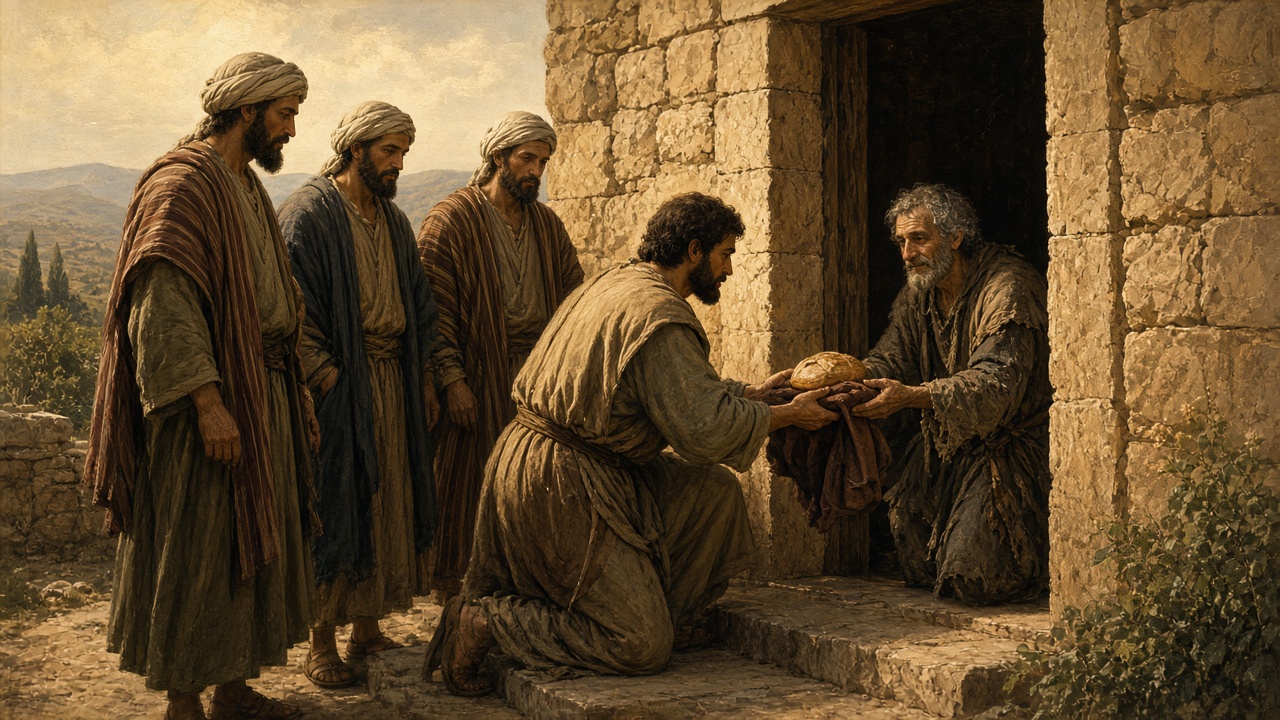
- The children of God are distinguished from the children of the devil by practicing righteousness and by loving one's brother. The message heard from the beginning is that we should love one another, and God's commandment is to believe in the name of his Son, Jesus Christ, and to love one another as he commanded.Sources: the Bible text itself
Notes written with AI assistance from open sources (Theographic Bible Metadata, CC BY-SA 4.0; Easton’s Bible Dictionary, public domain) and reviewed before publishing.
Credits and license for this translation
Nhandejáry Nhe'ẽ
New Testament in Kaiwá (BR:kgk:Kaiwá)
copyright © 2006 Wycliffe Bible Translators, Inc.
Language: Kaiwá
Translation by: Wycliffe Bible Translators, Inc.
Copyright Information
© 2006, Wycliffe Bible Translators, Inc. All rights reserved.
This translation text is made available to you under the
terms of the Creative Commons License: Attribution-Noncommercial-No Derivative Works.
( http://creativecommons.org/licenses/by-nc-nd/3.0/ )
In addition, you have permission to port the text to different file formats, as long as you
do not change any of the text or punctuation of the Bible.
You may share, copy, distribute, transmit, and extract portions
or quotations from this work, provided that you include the above copyright
information:
You must give Attribution to the work.
You do not sell this work for a profit.
You do not make any derivative works that change any of the actual words or punctuation of the Scriptures.
Permissions beyond the scope of this license may be
available if you contact
us with your request.
The New Testament
in Kaiwá
© 2006, Wycliffe Bible Translators, Inc. All rights reserved.
This translation is made available to you under the terms of the
Creative Commons Attribution-Noncommercial-No Derivatives license 4.0.
You may share and redistribute this Bible translation or extracts from it in any format, provided that:
You include the above copyright and source information.
You do not sell this work for a profit.
You do not change any of the words or punctuation of the Scriptures.
Pictures included with Scriptures and other documents on this site are licensed just for use with those Scriptures and documents.
For other uses, please contact the respective copyright owners.
2014-04-27
Source: http://ebible.org/kgkNT/ · eBible.org