2 Coríntios 8
Elu Ọhụn: Ẹkụkwọ-Nsọ (Azụụn Ọhụn rịn'a) · Toque num versículo para ver as referências cruzadas.
Kẹ Ndị Ụka Dọn E Ye
1Umunẹ, ẹnyi chọ nwan nị ụnụ marịn ẹfọma Osolobuẹ mẹ ni ụka rịsọnmẹ Azụụn Masẹdonia: 2ọsụọn'a nị wẹ rị imẹ okẹn nsọngbu, cheni igbẹnnyẹ-mgbeleke wẹ wụ, okẹn ịghọghọ wẹ nwẹ imẹ Di-nwọnni-ẹnyi anịnị ọnọdị wẹ gbọndọn wẹ, wẹ nọ ye, ye ọda-ọda! 3Mmẹ rị a shịanị wẹ ẹri nị wẹ wefụha obi ye kẹ wẹ nwọnhan, yekarịdẹ kẹ wẹ nwọnhan! 4Wẹ rịọkẹnmẹ ẹnyi, ẹnyi dodo mẹ ọhụnma bu wẹ cheni ndị rị a tụ ihiẹnni wẹ rị a tụnnị ndị nke Osolobuẹ; 5kanị, wẹ yekarịdẹ kẹ ẹnyi tụ ẹnya a: e bugụụ wẹ ụzọ we enwẹn wẹ ye Di-nwọnni-ẹnyi, ya wẹ nọ nwan gi ifiri uche Osolobuẹ we enwẹn wẹ ye ẹnyi.
6Ya haịn nwan ẹnyi gi sị Taịtọsị, hụn bidọn ọrụn-eyemẹkanị, ya d'e yeni nwan ọnụ ẹka rụnfụ a. 7Ya wụ, kẹ ụnụ dọn nwan e mẹ ọhụnma imẹ ihiẹn ile—kẹ okukwe kẹ iku-oku kẹ ịmarịn-ihiẹn kẹ adụdụ rị mma kẹ ihiẹn-ọsụsụọ hụn rị ẹgbata ẹnyi lẹ ụnụ, ẹrịra kẹ ẹnyi chọzị nị ụnụ mẹ ọhụnma ebe ọrụn-eyemẹkanị rị.
8Ẹlẹ ni m rị e ye iwu, kama, m chọkọ nị m ghọsị ụnụ adụdụ ndị ọzọ nwọn, gi ẹ chọpụha kẹ ihiẹn-ọsụsụọ ụnụ nwẹ wụ ezigbo ẹ. 9Makẹni, ụnụ a marịnghọ kẹ Onyẹ-nwọnni-ẹnyi wụ Jesu Kristi mẹhan ẹfọma: nị, k'o mẹlẹ ọdafịn ru, o gi ufiri ụnụ hẹnrin ogbẹnnyẹ kẹni ụnụ gha ogbẹnnyẹ o dan wụrụ ịdafịn.
10Ndụnmọdụn m imẹ ihiẹnni wụ ọnwan: o furu ni ụnụ rụnchanrịn nwan ọrụn-eyemẹkanị ụnụ bidọn akan-ahụn. Ụnụ bu ụzọ rụnma a; ẹlẹdẹ ọhụn sụọ, ụnụ k'o budẹ ụzọ dụma nị ụnụ mẹ ẹ. 11O rugụọ nị: rụnchanrịn n'a nwan; gi ni nwan ihiẹn ụnụ nwọn rụnchanrịn a k'ọ dọn dụ ụnụ nị ụnụ rụn a isi-ibuzọ hụ. 12Makẹni, omẹni ịhịan wepụha obi ẹ ile ye ihiẹn, ihiẹn o nwẹ kẹ wẹ e lee ẹnya a narịn a ya, ẹlẹ ihiẹn o nwọnlẹni.
13Ẹlẹ ni m chọ n'ọ rị nị ndị ọzọ nfe, ọ wụrụ nị ụnụ ibu. Kama, n'ọ wụrụ ahanmahan: 14hụnnị ụnụ nwọn nwan ọda bụ mkpa gi wẹ nwẹn, nke ụnụ a ban nị wẹ; o ruzi, ọda wẹ nwọn e wẹhẹ ni ọnụ ihiẹn rị ọnụ mkpa—ọ wụrụ ahanmahan. 15Ẹrịra kẹ wẹ de ẹ imẹ Ẹhụhụọ-nsọ, nị
“Nke onyẹ hụn kpọnrin ọda
ehikẹni;
nke onyẹ hụn kpọnrin ẹkẹrẹ
emẹkẹni ẹkẹrẹ.”
Taịtọsị Lẹ Ndị Hụn Ya lẹ Wẹ Wị
16Ekele ya rịnị Osolobuẹ hụn bu adụdụ ohu hụ m nwẹ makẹ ọrịnịmma ọnụ che obi Taịtọsị. 17Ẹlẹdẹ n'o kweri arịrịọ ẹnyi rịọ a sụọ, kanị, ebe o mẹ ni kikẹnni k'ọ k'a dụ, o k'e gi uche ẹ bịa d'a hụn ụnụ. 18Ẹnyi zila 'ya lẹ nwẹnẹ-ẹnyi hụ ndị ile kwerini marịn ọhụnma-ọhụnma makẹni o zisọnmẹ oziọma. 19Ẹlẹdẹ ni ndị ile kwerini marịn nwẹnẹ ẹnyi hụ sụọ, kanị ụka ile kwerigbamadẹ, tumẹ ẹ n'o sọn ẹnyi, ẹnyi gha e jẹnsọnmẹ a rụn ọrụn-eyemẹkanị ẹnyi gi e ye Di-nwọnni-ẹnyi lẹ enwẹn ẹ ọghọ, a ghọsịzị nị ẹnyi chọ n'ọ rịnị umunẹ ẹnyi mma.
20Ẹnyi bu obi nị ịhịan ahụnkọ ihiẹn w'e gi kọrịanị ẹnyi makẹ oyiyeni hi-ogbe ẹnyi rị a na, 21makẹni, ọ rịka ẹnyi mkpa nị ẹnyi rụn a hụn rị mma, ẹlẹ ẹnya Di-nwọnni-ẹnyi sụọ, kanị ẹnya ndị ọzọzị.
22Ẹnyi zilazị nwẹnẹ ẹnyi ọzọ cheni wẹ, nwẹnẹ ẹnyi hụn ẹnyi lelegụụ mgbe ole-lẹ-ole hụn a nị o nwọnghọ adụdụ ihiẹn bu ọda—kikẹnni k'ọ kazị adụdụ hụ e nwọn karị mbụ, makẹni obi rukẹnmẹ ẹ alị ebe ụnụ rị.
23O mẹ nke Taịtọsị, onyẹ mmẹ lẹ ịya a wị lẹ ọnyẹ mmẹ lẹ 'ya gba a rụn ọrụn ẹnyi gi e yeni ụnụ ẹka rọ; nke umunẹ ẹnyi ndị ọzọ hụ 'ya lẹ uwẹ wị, wẹ wụ ndị-ozi pụ-ichẹn rị a nọkin ẹnya ụka ichẹn-ichẹn, e wẹhẹni Kraịstị ọghọ. 24Ya wụ, gi ni nwan oghereni ghọsị ndịnị wẹ nị ụnụ nwẹ ihiẹn-ọsụsụọ wẹ, kẹni ndị ụka ile hụn ụzọ gi ẹ dọn, a hụn wẹ ihiẹn ẹnyi gi e gi ụnụ a nyan isi.
Você sabia?
Generosidade e a coleta para Jerusalém
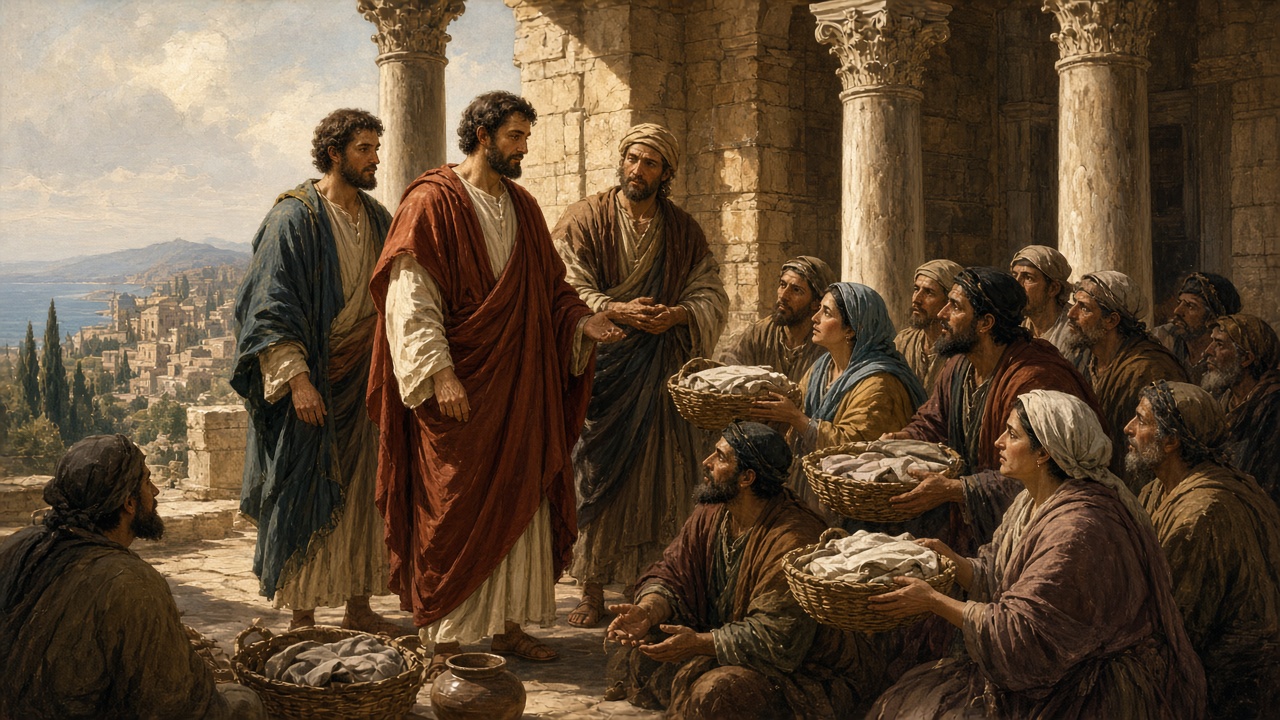
- Nos tempos do Novo Testamento, a Macedônia era uma província romana ao norte da Grécia. Paulo foi chamado pela visão de um homem da Macedônia para pregar o evangelho ali, e este capítulo conta aos coríntios como aquelas igrejas, numa terrível provação e em profunda pobreza, deram com alegria e até além do que podiam.Fontes: Macedonia · o próprio texto bíblico
- Tito, cujo nome não aparece em Atos, parece ter sido um gentio dedicado sobretudo a ministrar aos gentios. De Éfeso, Paulo o enviou a Corinto para encaminhar as contribuições da igreja em favor dos santos pobres de Jerusalém; neste capítulo, Paulo o exorta a concluir essa obra, e Tito vem com entusiasmo, por iniciativa própria.Fontes: Titus · o próprio texto bíblico
- Junto com Tito, Paulo envia um irmão elogiado por todas as igrejas por seu trabalho no evangelho e escolhido por elas para acompanhar a oferta, e outro irmão cujo empenho já foi provado muitas vezes e de muitos modos. Ele explica que esse cuidado visa evitar críticas à maneira de administrar o generoso donativo, para que façam o que é certo não só aos olhos do Senhor, mas também aos olhos das outras pessoas.Fontes: o próprio texto bíblico
Notas escritas com auxílio de IA a partir de fontes abertas (Theographic Bible Metadata, CC BY-SA 4.0; Easton’s Bible Dictionary, domínio público) e revisadas antes de publicar.
Lugares deste capítulo
Só aparecem lugares com identificação de alta confiança (90% ou mais segundo as fontes acadêmicas reunidas pelo OpenBible). Mapa da época: DARE (Digital Atlas of the Roman Empire), CC BY 4.0; mapa atual: © colaboradores do OpenStreetMap; lugares: OpenBible.info (CC BY 4.0).
Créditos e licença desta tradução
Elu Ọhụn: Ẹkụkwọ-Nsọ (Azụụn Ọhụn rịn'a)
Revision of New Testament in Ika
copyright © 2010 Wycliffe
Language: Ika
Translation by: Wycliffe
Ika (ikk) Nigeria
In Nigeria the word Ika is not only the name of the Ika
people, but is also used to designate a local government area in the Akwa Ibom
State. The Ika people are a sub group of the Igbo people. It is interesting to note
that Ika is the name of a town in Croatia is one of the eight Annang local
government areas of the local government areas in Akwa Ibom State. An alternative
name for the Ika people is Ika-Annang. There appears to be another dialect of Ika
that is spoken in Delta State of Nigeria.
Copyright Information
© 2010, Wycliffe. All rights reserved.
This translation text is made available to you under the terms of the Creative
Commons License: Attribution-Noncommercial-No Derivative Works. ( http://creativecommons.org/licenses/by-nc-nd/3.0/ ) In addition, you have
permission to port the text to different file formats, as long as you do not change
any of the text or punctuation of the Bible.
You may share, copy, distribute, transmit, and extract portions or quotations from
this work, provided that you include the above copyright information:
You must give Attribution to the work.
You do not sell this work for a profit.
You do not make any derivative works that change any of the actual words or
punctuation of the Scriptures.
Permissions beyond the scope of this license may be available if you contact us
with your request.
Printed book ISBN 9789789037056
Revision
The New Testament
in Ika
© 2010, Wycliffe. All rights
reserved.
This translation is made available to you under the terms of the
Creative Commons Attribution-Noncommercial-No Derivatives license 4.0.
You may share and redistribute this Bible translation or extracts from it in any format, provided that:
You include the above copyright and source information.
You do not sell this work for a profit.
You do not change any of the words or punctuation of the Scriptures.
Pictures included with Scriptures and other documents on this site are licensed just for use with those Scriptures and documents.
For other uses, please contact the respective copyright owners.
2019-08-09
Fonte: http://ebible.org/ikkNT/ · eBible.org