2 Coríntios 7
Elu Ọhụn: Ẹkụkwọ-Nsọ (Azụụn Ọhụn rịn'a) · Toque num versículo para ver as referências cruzadas.
1Ndị rị m obi, ebe o mẹ nwan n'o kwesọnmẹgụọ ẹnyi nkwa ndịnị wẹ, nị ẹnyi chanchan nwan enwẹn ẹnyi, chanpụ ihiẹn ọwụlẹ hụn e mẹrụ ẹhụ lẹ imẹ-mmọn, e gi egun Osolobuẹ a hụn a nị ẹnyi rịchanrịn nsọ.
Nke Wẹ Kẹ Pọlụ Rị E Ro
2Nabanhan nị ẹnyi imẹ obi ọnụ; o nwọnni onyẹ ẹnyi mẹ eje-ihiẹn; o nwọnni onyẹ ẹnyi wiwi; o nwọnni onyẹ ẹnyi tụnarịn ihiẹn ẹ. 3Arị m e ku ọnwan nị m gi ma ụnụ ikpe, makẹni e kuọlẹ m'a mbụ nị ụnụ rị ẹnyi obi—nke wụ nị ẹnyi k'a saẹka sọn ụnụ nwụn, ẹnyi k'a sazịkwọ ẹka sọn ụnụ rị ndụn. 4M'e gi ụnụ a nyan isi ọda-ọda; m'e gi ụnụ a dụkẹnmẹ ẹka obi; ụnụ a gba m umẹ ọda-ọda; imẹ nsọngbu ẹnyi ile, m'e gi ifiri ụnụ e nwẹ ịghọghọ ọda-ọda.
5Makẹni, kẹ ogẹn ẹnyi gi rudẹ Masẹdonia, ẹhụ ẹnyi e ezuni ikẹn kaka; wẹ kpokpo ẹnyi azụụn ile—oku-lẹ-ụka fihunmẹ ẹnyi, egun hụ a tụ ẹnyi imẹ obi ẹnyi. 6Kanị Osolobuẹ, hụn a kasị ndị ndụn gụchanrịn obi nọ gi ọbịbịa Taịtọsị kasị ẹnyi obi. 7Ẹlẹdẹ ọbịbịa a sụọ kasị ẹnyi obi, kanị, nkasị-obi hụn ya lẹ enwẹn ẹ nwẹ makẹ ihiẹn ọ hụn ebe ụnụ rị, kasịzị ẹnyi obi. Makẹni, ọ gwaghọ ẹnyi kẹ m dọn rị a da ụnụ! Kẹ eje-ihiẹn hụ mẹni dọn wutẹ ụnụ! Kẹ m rịhan ụnụ obi! Ya kẹ m nọ ghọghọkẹnmẹ.
8Ifiri ẹ, ọsụọn'a nị ihiẹn m de imẹ ẹhụhụọ-ozi ahụn a fụghọ ụnụ, akwanzịnị m mmanị—(kanị e te kwanghọ m, makẹni m hụn a nị e gigụọ m ya wụ ẹhụhụọ m de mẹ ụnụ ihiẹn ụfụ—ọsụọn'a ẹkẹrẹ ogẹn sụọ rọ.) 9M rị nwan a ghọghọ. Arị m a ghọghọ n'ọ fụghọ ụnụ, kanị, n'ọ fụghọ ụnụ hụn ụnụ gi rogharị—ya wụ nị ụnụ a nịghọ a fụ ụnụ ụdị hụn Osolobuẹ chọ. Ya wụ nị ẹnyi a rụnị ụnụ ẹhụ ọwụlẹ, kaka. 10Makẹni ihiẹn fụtụ ịhịan kẹ Osolobuẹ dọn chọ, o mẹ ịhịan gbehutọ obi, bihutọ ẹka, o wẹhẹ nzụọpụha. Mmanị ara rị a! Kanị ihiẹn fụtụ ịhịan kẹ o dọn a fụ ndị ụwa, o buhẹ ọnwụn. 11Ụnụ ahụnnị nwan kẹ imẹ ihiẹn rị mma rị a dụ ụnụ makẹni ihiẹnni fụ ụnụ kẹ Osolobuẹ dọn chọ?! Ụnụ ahụnnị nwan k'ọ rịhan ụnụ mkpa ịghọsị nị ẹnya ụnụ eruni ihiẹn mẹni! Lee k'ọ rị e zehan ụnụ ize! Lee k'ọ tụhan ụnụ ẹnya! Lee kẹ m rị a dahan ụnụ! Lee okẹn adụdụ o buhẹ! Lee afụnfụn ụnụ ye onyẹ hụn mẹfieni! Ụnụ a ghọsịchanrịngụọ nị ẹka ụnụ a rị ihiẹn mẹni.
12Ya wụ, ọsụọn'a nị m de ni ụnụ ẹhụhụọ hụ, ẹlẹ ifiri onyẹ mẹ eje-ihiẹn mọbụ onyẹ wẹ mẹja kẹ m gi de ẹ. Kama, m de ẹ n'o we ụnụ ẹnya id'ẹnya Osolobuẹ nị ẹnyi rị ụnụ obi nke-esi. 13Ọnwan a kasịgụọ ẹnyi obi.
Ẹlẹdẹ obi sụọ k'ọ kasị ẹnyi; kama, ịghọghọ Taịtọsị mẹdẹ ẹnyi ghọghọkẹnmẹ, makẹni, ụnụ ile e mẹgụọ nwan obi ru ẹ alị! 14Ẹghẹẹ, ụnụ anịnị ifẹnrẹn isi m gi ụnụ nyan ebe ọ rị mẹ m. Isi ẹnyi nyan ebe Taịtọsị rị e mẹ nwan ezioku nọkẹ kẹ ihiẹn ile ẹnyi gwa ụnụ mbụ dọn wụrụ ezioku. 15Ifiri ẹ, ihiẹn ụnụ rị nwan a sụọkẹnmẹ ẹ—ọ gha a nyanhan kẹ ụnụ ile dọn humẹ isi, a nyanhanzị egun lẹ ẹhụ-ọmụma-nni ụnụ gi nabanhan a. 16M rị nwan a ghọghọ—makẹni m gichanrịn ụnụ dọn ẹnya.
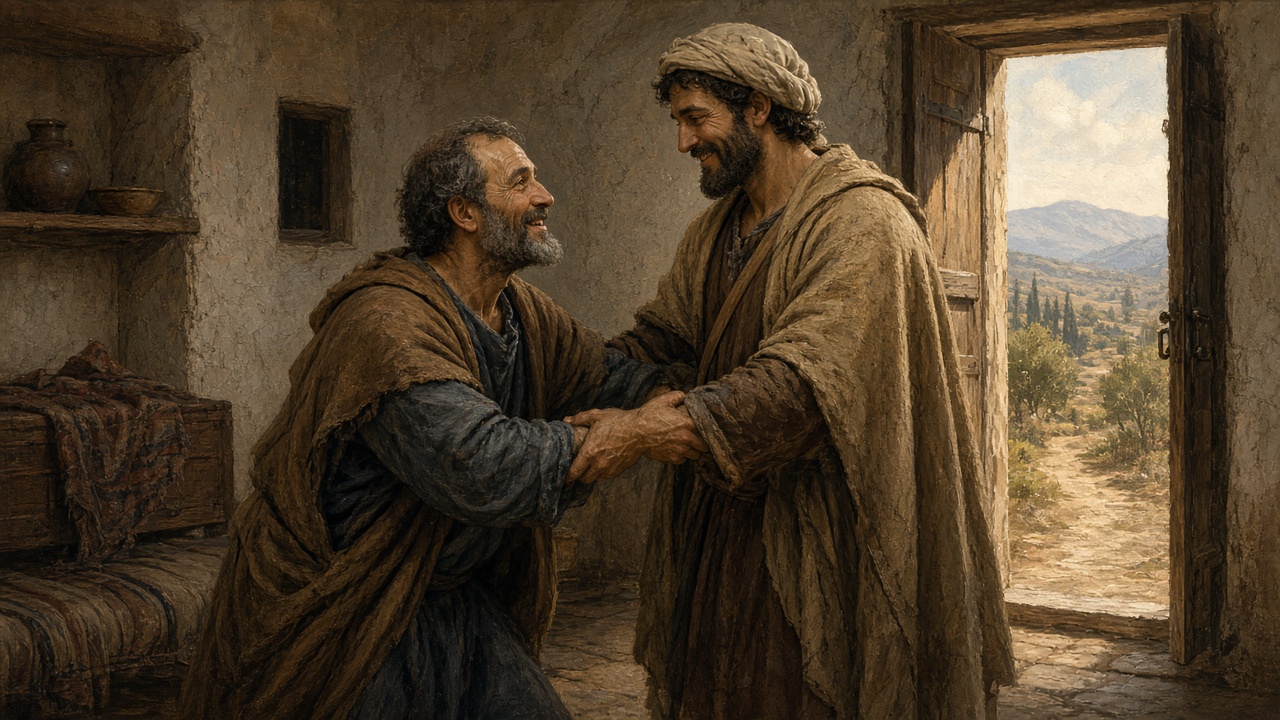
Você sabia?
Consolo depois de uma carta dolorosa
- A Macedônia, onde Paulo diz que chegou sem descanso no corpo — conflitos por fora e temores por dentro —, era uma província romana ao norte da Grécia. Ali, ele escreve, o Deus que consola os abatidos o consolou com a chegada de Tito.Fontes: Macedonia · o próprio texto bíblico
- Paulo fala de uma carta que os entristeceu, mas só por pouco tempo. Agora ele se alegra não porque ficaram tristes, mas porque essa tristeza os levou ao arrependimento; diz que sentiram a tristeza que Deus havia disposto, não foram prejudicados por ele e mostraram empenho, zelo e inocência naquele assunto.Fontes: o próprio texto bíblico
- Um breve relato descreve Tito como companheiro de Paulo, aparentemente um gentio que se dedicava sobretudo a ministrar aos gentios. Neste capítulo, Paulo diz que a chegada de Tito o consolou, que Tito contou a saudade, o pranto e o zelo deles, e que receberam Tito com temor e tremor.Fontes: Titus · o próprio texto bíblico
Notas escritas com auxílio de IA a partir de fontes abertas (Theographic Bible Metadata, CC BY-SA 4.0; Easton’s Bible Dictionary, domínio público) e revisadas antes de publicar.
Lugares deste capítulo
- Macedonia · 41.600, 22.540 · versículo 5
Só aparecem lugares com identificação de alta confiança (90% ou mais segundo as fontes acadêmicas reunidas pelo OpenBible). Mapa da época: DARE (Digital Atlas of the Roman Empire), CC BY 4.0; mapa atual: © colaboradores do OpenStreetMap; lugares: OpenBible.info (CC BY 4.0).
Créditos e licença desta tradução
Elu Ọhụn: Ẹkụkwọ-Nsọ (Azụụn Ọhụn rịn'a)
Revision of New Testament in Ika
copyright © 2010 Wycliffe
Language: Ika
Translation by: Wycliffe
Ika (ikk) Nigeria
In Nigeria the word Ika is not only the name of the Ika
people, but is also used to designate a local government area in the Akwa Ibom
State. The Ika people are a sub group of the Igbo people. It is interesting to note
that Ika is the name of a town in Croatia is one of the eight Annang local
government areas of the local government areas in Akwa Ibom State. An alternative
name for the Ika people is Ika-Annang. There appears to be another dialect of Ika
that is spoken in Delta State of Nigeria.
Copyright Information
© 2010, Wycliffe. All rights reserved.
This translation text is made available to you under the terms of the Creative
Commons License: Attribution-Noncommercial-No Derivative Works. ( http://creativecommons.org/licenses/by-nc-nd/3.0/ ) In addition, you have
permission to port the text to different file formats, as long as you do not change
any of the text or punctuation of the Bible.
You may share, copy, distribute, transmit, and extract portions or quotations from
this work, provided that you include the above copyright information:
You must give Attribution to the work.
You do not sell this work for a profit.
You do not make any derivative works that change any of the actual words or
punctuation of the Scriptures.
Permissions beyond the scope of this license may be available if you contact us
with your request.
Printed book ISBN 9789789037056
Revision
The New Testament
in Ika
© 2010, Wycliffe. All rights
reserved.
This translation is made available to you under the terms of the
Creative Commons Attribution-Noncommercial-No Derivatives license 4.0.
You may share and redistribute this Bible translation or extracts from it in any format, provided that:
You include the above copyright and source information.
You do not sell this work for a profit.
You do not change any of the words or punctuation of the Scriptures.
Pictures included with Scriptures and other documents on this site are licensed just for use with those Scriptures and documents.
For other uses, please contact the respective copyright owners.
2019-08-09
Fonte: http://ebible.org/ikkNT/ · eBible.org