Malaquias 3
Biblica® Baịbụlụ Nsọ nʼIgbo Ndị Ugbu a nke dịrị onye ọbụla ịgụ · Toque num versículo para ver as referências cruzadas.
1“Lee, aga m ezipu onyeozi m, onye ga-edozi ụzọ nʼihu m. Mgbe ahụ, Onyenwe anyị ahụ unu na-ele anya ya ga-abịa na mberede nʼụlọnsọ ukwu ya. Onyeozi nke ọgbụgba ndụ ahụ, onye ihe ya na-agụsị unu agụụ ike, ga-abịa,” ka Onyenwe anyị, Onye pụrụ ime ihe niile kwuru.
2“Ma onye ga-anagide ụbọchị ọbịbịa ya ma guzokwa mgbe ọ pụtara ihe? Nʼihi na ọ ga-adị ka ọkụ na-anụcha anụcha, dịkwa ka ncha e ji asụ akwa. 3Ọ na-anọdụ ala dịka ndị na-anụcha ọlaọcha ime ka ọ dị ọcha. Ọ ga-anụcha ndị Livayị, ime ka ha dị ọcha, dịka ọlaedo na ọlaọcha a nụchara anụcha tutu ruo mgbe ha ga-ewetara Onyenwe anyị onyinye nʼezi omume. 4Mgbe ahụ, onyinye Juda na Jerusalem ga-abụ onyinye Onyenwe anyị ga-anabata, dịka o si anabata ha nʼụbọchị ndị ahụ gara aga, na mgbe ochie gara aga.
5“Mgbe ahụ, aga m abịa unu nso ikpe unu ikpe. Aga m abịakwa ngwangwa ịgbagide ha ama bụ ndị mgbaasị, na ndị na-akwa iko, na ndị na-aṅụ iyi ụgha, na ndị na-emegbu ndị inyom di ha nwụrụ, na ndị na-emegbu ndị na-enweghị nna, na ndị na-anapụ ndị ọbịa ikpe ziri ezi, ndị ahụ niile na-adịghị atụ egwu m.” Ọ bụ Onyenwe anyị, Onye pụrụ ime ihe niile kwuru.
Imebi ọgbụgba ndụ site nʼakwụghị otu ụzọ nʼime ụzọ iri
6“Nʼihi na mụ onwe m bụ Onyenwe anyị adịghị agbanwe agbanwe. Ya mere, unu bụ ụmụ Jekọb ji dịgide. 7Site nʼoge nna nna unu ha, unu esitela nʼidebe iwu na ụkpụrụ m wezuga onwe unu. Unu adịghịkwa edebe ha. Ya mere, lọghachikwutenụ m, mụ onwe m ga-alọghachikwute unu.” Ọ bụ Onyenwe anyị, Onye pụrụ ime ihe niile na-ekwu.
“Ma unu na-asị, ‘Anyị ga-esi aṅaa lọghachi?’
8“Mmadụ ọ na-ezu ihe bụ nke Chineke nʼohi? Ma unu apụnarịla m ihe bụ nke m.
“Ma unu na-ajụ: ‘Anyị si aṅaa na-ezu gị ohi?’
“Ọ bụ site nʼotu ụzọ nʼime ụzọ iri unu, onyinye na aja niile. 9Nʼihi ya, ọbụbụ ọnụ dịịrị unu, ka mba niile unu ha, nʼihi na ọ bụ mụ onwe m ka unu na-ezu ohi. 10Webatanụ otu ụzọ nʼụzọ iri nke ihe niile unu nʼime ụlọakụ m, ka nri jupụta nʼime ụlọ m. Jirinụ nke a nwalee m,” ka unu hụ ma mụ onwe m agaghị emeghe ọnụ ụzọ eluigwe, site na ya wụdatara unu ngọzị dị ukwuu, nke ga-ejubiga oke na ọnọdụ agaghị adị ichebe ha. Ọ bụ Onyenwe anyị, Onye pụrụ ime ihe niile na-ekwu. 11“Aga m egbochi ihe nripịa ndị ahụ niile ka ha ghara iripịa mkpụrụ ubi unu. Osisi vaịnị unu agakwaghị atụpụsị mkpụrụ ya nʼala tutu ruo mgbe ha chara.” Ọ bụ ihe Onyenwe anyị, Onye pụrụ ime ihe niile na-ekwu. 12“Mgbe ahụ, mba niile dị iche iche ga-akpọ unu ndị a gọziri agọzi, nʼihi na ala unu ga-abụ nke na-enye ndị nwe ya obi ụtọ.” Ọ bụ ihe Onyenwe anyị, Onye pụrụ ime ihe niile kwuru.
Okwu mpako ndị Izrel megide Chineke
13Onyenwe anyị na-ekwu, sị, “Unu ekwuola ọtụtụ okwu dị ike megide m.”
“Ma unu na-ajụ, ‘Gịnị ka anyị kwuru megide gị?’
14“Unu ekwuola sị, ‘Ọ bụ ihe nzuzu ife Chineke ofufe, na ịtụ ya egwu. Gịnị bụ uru anyị na-erite site nʼidebe iwu ya, na ijegharị dịka ndị na-eru ụjụ nʼihu Onyenwe anyị, Onye pụrụ ime ihe niile? 15Ma site ugbu a gaa nʼihu, ndị nganga ka anyị ga-akpọ ndị ihe na-agara nke ọma. Nʼezie, ndị na-eme ihe ọjọọ ka ihe na-agara nke ọma. Ndị ahụ jikwa ihe ọjọọ ha na-anwa Chineke na-agbanarị ntaramahụhụ ya.’ ”
Ụfọdụ ndị kwesiri ntụkwasị obi
16Mgbe ahụ, ndị niile na-atụ egwu Onyenwe anyị gwarịtara ibe ha okwu, Onyenwe anyị ṅara ntị, nụkwa ihe ha na-ekwu. Nʼihu ya, e nwere akwụkwọ ncheta dị ya, ebe e dere aha ndị niile na-atụ egwu Onyenwe anyị, ma na-echekwa echiche banyere aha ya.
17“Nʼụbọchị ahụ m ga-eme ihe,” ka Onyenwe anyị, Onye pụrụ ime ihe niile na-ekwu, “ha ga-abụ ihe oke ọnụahịa nke aka m. Aga m echebe ha, dịka nna na-enwe ọmịiko ma chebekwa nwa ya nwoke na-efe ya. 18Unu ga-ahụ ihe dị iche nʼetiti ndị ezi omume na ndị ajọ omume, hụkwa ihe dị iche nʼetiti ndị na-efe Chineke na ndị na-adịghị efe ya.
Você sabia?
O Mensageiro da Aliança e o Fogo do Refinador
- A profecia descreve a vinda do mensageiro da aliança agindo como o fogo do refinador e o sabão dos lavandeiros para purificar os descendentes de Levi, o terceiro filho de Jacó cuja linhagem exercia o sacerdócio. Essa purificação tinha o propósito de restabelecer ofertas justas em Judá e Jerusalém.Fontes: o próprio texto bíblico · Levi (patriarch) · Jerusalem
- O capítulo aborda a retenção de dízimos e ofertas como roubo contra Deus. O povo é desafiado a trazer o dízimo integral ao depósito do templo, com a promessa de que as janelas dos céus se abririam e o devorador seria repreendido para não destruir suas colheitas e videiras.Fontes: o próprio texto bíblico
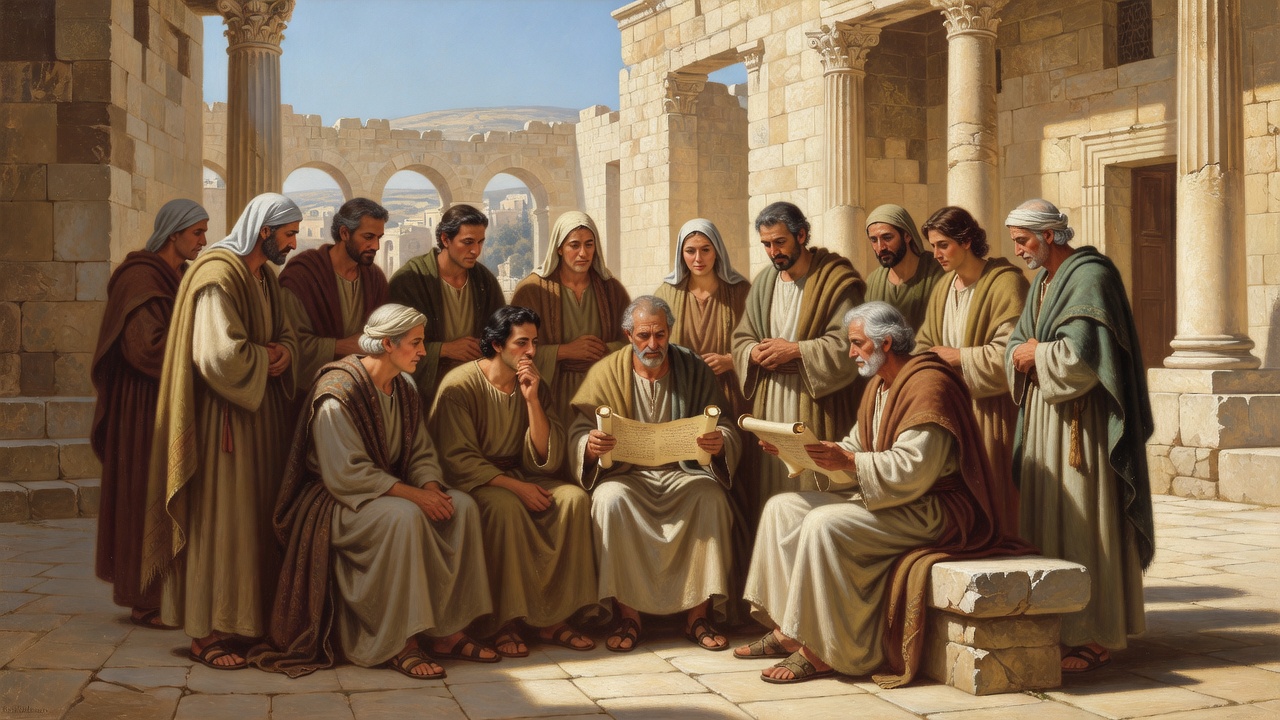
- Quando céticos reclamaram que guardar os preceitos de Deus não trazia proveito enquanto os arrogantes prosperavam, aqueles que temiam ao Senhor reuniram-se para conversar entre si. Em resposta, um livro de memorial foi escrito diante d'Ele para honrar os que temem o Seu nome.Fontes: o próprio texto bíblico
Notas escritas com auxílio de IA a partir de fontes abertas (Theographic Bible Metadata, CC BY-SA 4.0; Easton’s Bible Dictionary, domínio público) e revisadas antes de publicar.
Lugares deste capítulo
- Jerusalem · 31.777, 35.234 · versículo 4
Só aparecem lugares com identificação de alta confiança (90% ou mais segundo as fontes acadêmicas reunidas pelo OpenBible). Mapa da época: DARE (Digital Atlas of the Roman Empire), CC BY 4.0; mapa atual: © colaboradores do OpenStreetMap; lugares: OpenBible.info (CC BY 4.0).
Créditos e licença desta tradução
Biblica® Baịbụlụ Nsọ nʼIgbo Ndị Ugbu a nke dịrị onye ọbụla ịgụ The Holy Bible in the Igbo language of Nigeria: Biblica® Baịbụlụ Nsọ nʼIgbo Ndị Ugbu a nke dịrị onye ọbụla ịgụ copyright © 2020 Biblica, Inc. Language: Igbo Contributor: Biblica, Inc. This work is made available under the Creative Commons Attribution-ShareAlike 4.0 International License (CC BY-SA). To view a copy of this license, visit http://creativecommons.org/licenses/by-sa/4.0 or send a letter to Creative Commons, PO Box 1866, Mountain View, CA 94042, USA. Biblica® is a trademark registered by Biblica, Inc., and use of the Biblica® trademark requires the written permission of Biblica, Inc. Under the terms of the CC BY-SA license, you may copy and redistribute this unmodified work as long as you keep the Biblica® trademark intact. If you modify a copy or translate this work, thereby creating a derivative work, you must remove the Biblica® trademark. On the derivative work, you must indicate what changes you have made and attribute the work as follows: “The original work by Biblica, Inc. is available for free at www.biblica.com and open.bible.” Notice of copyright must appear on the title or copyright page of the work as follows: Biblica® Baịbụlụ Nsọ nʼIgbo Ndị Ugbu a nke dịrị onye ọbụla ịgụ Ndị Biblica, Inc. degharịrị ya nʼafọ © 1980, 1988, 2019, 2020 Biblica® Open Igbo Contemporary Bible™ Copyright © 1980, 1988, 2019, 2020 by Biblica, Inc. “Biblica” bụ akara e ji mara ụlọ ọrụ a, nke edebanyere dịka iwu si kwado nʼụlọ ọrụ dị nʼobodo United States, ebe a na-enye akara a na ikike maka azụm ahịa ndị Biblica, Inc. Ọ bụ ha ka e nyere ikike idenye ya. “Biblica” is a trademark registered in the United States Patent and Trademark Office by Biblica, Inc. Used with permission. You must also make your derivative work available under the same license (CC BY-SA). If you would like to notify Biblica, Inc. regarding your translation of this work, please contact us at https://open.bible/contact-us. This translation is made available to you under the terms of the Creative Commons Attribution Share-Alike license 4.0. You have permission to share and redistribute this Bible translation in any format and to make reasonable revisions and adaptations of this translation, provided that: You include the above copyright and source information. If you make any changes to the text, you must indicate that you did so in a way that makes it clear that the original licensor is not necessarily endorsing your changes. If you redistribute this text, you must distribute your contributions under the same license as the original. Pictures included with Scriptures and other documents on this site are licensed just for use with those Scriptures and documents. For other uses, please contact the respective copyright owners. Note that in addition to the rules above, revising and adapting God's Word involves a great responsibility to be true to God's Word. See Revelation 22:18-19. 2023-04-12
Fonte: http://ebible.org/ibo/ · eBible.org