Malaquias 2
Biblica® Baịbụlụ Nsọ nʼIgbo Ndị Ugbu a nke dịrị onye ọbụla ịgụ · Toque num versículo para ver as referências cruzadas.
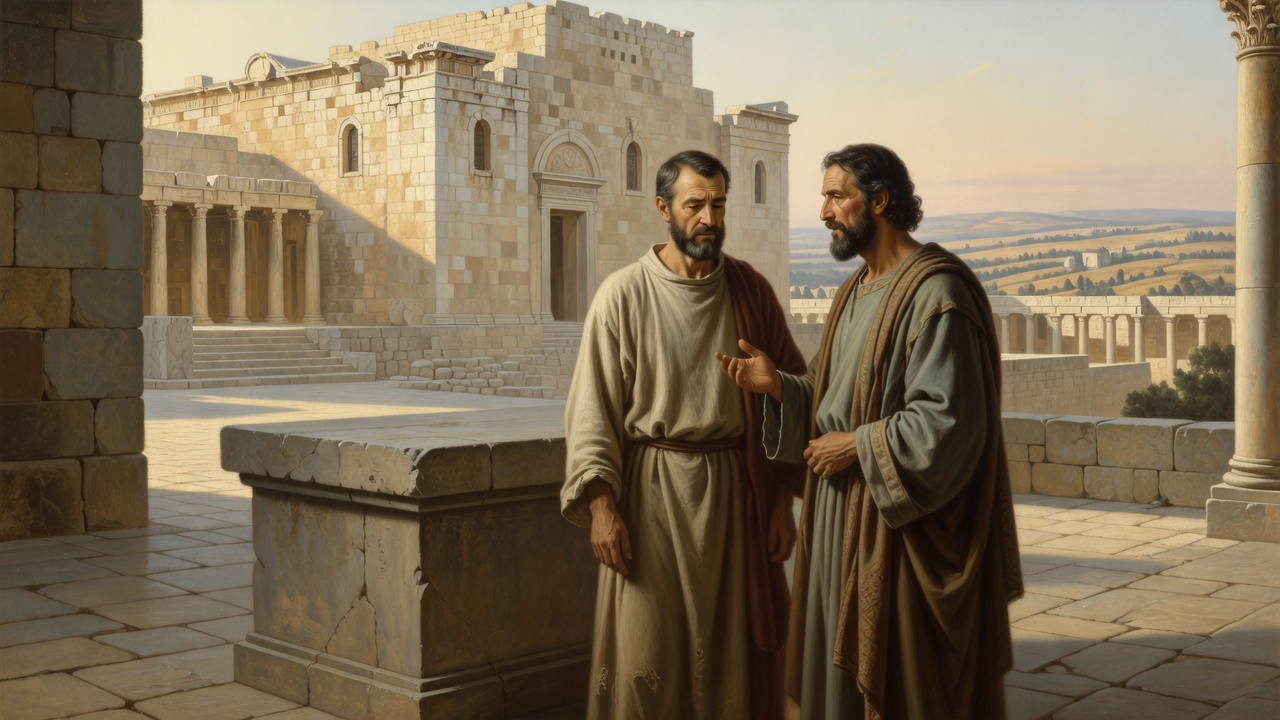
Ndụmọdụ ndị ọzọ nye ndị nchụaja
1“Ma ugbu a, unu ndị nchụaja, ịdọ aka na ntị a dịrị unu. 2Ọ bụrụ na unu ajụ ige ntị, ọ bụrụkwa na unu ekpebighị nʼobi unu inye aha m otuto,” ka Onyenwe anyị, Onye pụrụ ime ihe niile, na-ekwu, “Aga m ezite ọbụbụ ọnụ nʼahụ unu, aga m abụkwa ngọzị unu niile ọnụ. E, abụọlarị unu ọnụ, nʼihi na unu ekpebighị nʼobi unu ịsọpụrụ m.
3“Nʼihi unu, aga m abara ụmụ ụmụ unu mba. Agaghị m anabata onyinye unu, aga m efesakwa nsị anụ nʼihu unu, bụ nsị nke ihe onyinye unu, aga m ewezugakwa unu site nʼihu m. 4Otu a ka unu ga-esi mara na ọ bụ mụ zitere unu ịdọ aka na ntị a, ka ọgbụgba ndụ mụ na Livayị gbara dịgide,” Ọ bụ Onyenwe anyị, Onye pụrụ ime ihe niile, na-ekwu. 5“Ọgbụgba ndụ mụ na ya bụ nke ndụ na udo, ọ bụ m nyere ha ya, nke a bụ nʼihi nsọpụrụ. O nyere m nsọpụrụ nʼezie, tụkwaa aha m egwu. 6Iwu nke eziokwu dị ya nʼọnụ, ọ dịkwaghị okwu ụgha ọbụla a chọpụtara nʼegbugbere ọnụ ya. O soro m jee ije nʼudo, na nʼịkwụba aka ọtọ. O mekwara ka ọtụtụ si nʼajọ omume ha chigharịa.
7“Nʼihi na egbugbere ọnụ onye nchụaja kwesiri ijupụta nʼihe ọmụma; e kwesikwara isi nʼọnụ ya mụta ihe, nʼihi na ọ bụ onyeozi nke Onyenwe anyị, Onye pụrụ ime ihe niile. 8Ma unu esitela nʼụzọ ahụ wezuga onwe unu, sitekwa nʼozizi unu mee ka ọtụtụ mmadụ sụọ ngọngọ. Unu emerụọla ọgbụgba ndụ nke Livayị.” Ọ bụ ihe Onyenwe anyị, Onye pụrụ ime ihe niile kwuru. 9“Nʼihi nke a, emeela m ka unu bụrụ ndị a na-elelị anya, na ndị e wedara nʼala nʼihu ndị mmadụ niile, nʼihi na unu agbasoghị ụzọ m, kama unu na-ele mmadụ anya nʼihu, nʼihe metụtara iwu.”
Imebi ọgbụgba ndụ site nʼịgba alụkwaghị m
10Ọ bụghị otu Nna ka anyị niile nwere? Ọ bụghị otu Chineke ahụ kere anyị? Gịnị mere anyị ji na-emerụ ọgbụgba ndụ nna anyị ha site na-enweghị ntụkwasị obi na mmekọrịta anyị na ibe anyị?
11Juda ekwesighị ntụkwasị obi. E meela ihe arụ nʼIzrel na nʼime Jerusalem: Juda emerụọla ụlọnsọ ukwu Onyenwe anyị hụrụ nʼanya, lụọkwa ada chi ndị mba ọzọ. 12Ka Onyenwe anyị kewapụ onye mere ihe dị otu a nʼụlọ ikwu Jekọb, ka ọ ghara inwe onye akaebe, ka ọ ghara inwe onye ga-aza ya mgbe ọ kpọrọ oku maọbụ butere Onyenwe anyị, Onye pụrụ ime ihe niile onyinye.
13Ihe ọzọ unu na-emekwa bụ ndị a: unu na-eme ka anya mmiri unu jupụta nʼebe ịchụ aja Onyenwe anyị. Unu na-akwa akwa, na-eti mkpu akwa nʼihi na ọ naghị elenye anya nʼonyinye unu, maọbụ jiri obi ụtọ nabata ha. 14Unu na-asị “Nke a ọ bụ nʼihi gịnị?” Ọ bụ nʼihi na Onyenwe anyị bụ onyeama nʼetiti gị na nwunye ị lụrụ nʼokorobịa gị, nʼihi na ị kwesighị ntụkwasị obi, ọ bụ ezie na ọ bụ nwanyị e jikọtara gị na ya, bụrụkwa nwunye ọgbụgba ndụ gị.
15Ọ bụ na ọ bụghị otu Chineke ahụ kere gị? Nʼanụ ahụ na nʼime mmụọ, unu bụ nke ya. Ma gịnị ka otu Chineke a chọrọ? Ka unu bụrụ ụmụ na-atụ ya egwu. Ya mere, jie mmụọ gị aka, ka ị gharakwa ịbụ onye na-ekwesighị ntụkwasị obi nʼebe nwunye ị lụtara nʼokorobịa nọ.
16“Akpọrọ m ịgba alụkwaghị m asị,” ka Onyenwe anyị Chineke nke Izrel sịrị, “a kpọkwara nwoke na-emeso nwunye ya mmeso nʼụzọ ihe ike asị.” Ọ bụ Onyenwe Onye pụrụ ime ihe niile na-ekwu.
Ya mere, kpachapụrụnụ onwe unu anya, unu abụkwala ndị na-ekwesighị ntụkwasị obi.
Imebi ọgbụgba ndụ site nʼikpe mmegide
17Unu esitela nʼoke okwu unu mee ka ike gwụ Onyenwe anyị.
Ma unu na-ajụ, “Olee ụzọ anyị si mee ka ike gwụ ya?”
Mgbe unu na-asị, “Ndị niile na-eme ihe ọjọọ dị mma nʼanya Onyenwe anyị. Ihe ha na-atọkwa ya ụtọ,” maọbụ na-asịkwa, “Ebee ka Chineke ahụ na-ekpe ikpe ziri ezi nọ?”
Você sabia?
Repreensão à Infidelidade e a Honra às Alianças
- O capítulo repreende severamente o sacerdócio ao relembrar a aliança de Deus com Levi. O sacerdote é descrito como um mensageiro do Senhor dos Exércitos, cujos lábios devem guardar o conhecimento e fornecer instrução fiel em vez de fazer o povo tropeçar.Fontes: o próprio texto bíblico · Levi (patriarch)
- O profeta desafia o povo de Judá e de Jerusalém por quebrar a fidelidade mútua. O texto condena o casamento com adoradores de deuses estrangeiros e o abandono das esposas da juventude, apresentando o matrimônio como uma aliança sagrada celebrada diante de Deus.Fontes: o próprio texto bíblico · Jerusalem
Notas escritas com auxílio de IA a partir de fontes abertas (Theographic Bible Metadata, CC BY-SA 4.0; Easton’s Bible Dictionary, domínio público) e revisadas antes de publicar.
Lugares deste capítulo
- Jerusalem · 31.777, 35.234 · versículo 11
Só aparecem lugares com identificação de alta confiança (90% ou mais segundo as fontes acadêmicas reunidas pelo OpenBible). Mapa da época: DARE (Digital Atlas of the Roman Empire), CC BY 4.0; mapa atual: © colaboradores do OpenStreetMap; lugares: OpenBible.info (CC BY 4.0).
Créditos e licença desta tradução
Biblica® Baịbụlụ Nsọ nʼIgbo Ndị Ugbu a nke dịrị onye ọbụla ịgụ The Holy Bible in the Igbo language of Nigeria: Biblica® Baịbụlụ Nsọ nʼIgbo Ndị Ugbu a nke dịrị onye ọbụla ịgụ copyright © 2020 Biblica, Inc. Language: Igbo Contributor: Biblica, Inc. This work is made available under the Creative Commons Attribution-ShareAlike 4.0 International License (CC BY-SA). To view a copy of this license, visit http://creativecommons.org/licenses/by-sa/4.0 or send a letter to Creative Commons, PO Box 1866, Mountain View, CA 94042, USA. Biblica® is a trademark registered by Biblica, Inc., and use of the Biblica® trademark requires the written permission of Biblica, Inc. Under the terms of the CC BY-SA license, you may copy and redistribute this unmodified work as long as you keep the Biblica® trademark intact. If you modify a copy or translate this work, thereby creating a derivative work, you must remove the Biblica® trademark. On the derivative work, you must indicate what changes you have made and attribute the work as follows: “The original work by Biblica, Inc. is available for free at www.biblica.com and open.bible.” Notice of copyright must appear on the title or copyright page of the work as follows: Biblica® Baịbụlụ Nsọ nʼIgbo Ndị Ugbu a nke dịrị onye ọbụla ịgụ Ndị Biblica, Inc. degharịrị ya nʼafọ © 1980, 1988, 2019, 2020 Biblica® Open Igbo Contemporary Bible™ Copyright © 1980, 1988, 2019, 2020 by Biblica, Inc. “Biblica” bụ akara e ji mara ụlọ ọrụ a, nke edebanyere dịka iwu si kwado nʼụlọ ọrụ dị nʼobodo United States, ebe a na-enye akara a na ikike maka azụm ahịa ndị Biblica, Inc. Ọ bụ ha ka e nyere ikike idenye ya. “Biblica” is a trademark registered in the United States Patent and Trademark Office by Biblica, Inc. Used with permission. You must also make your derivative work available under the same license (CC BY-SA). If you would like to notify Biblica, Inc. regarding your translation of this work, please contact us at https://open.bible/contact-us. This translation is made available to you under the terms of the Creative Commons Attribution Share-Alike license 4.0. You have permission to share and redistribute this Bible translation in any format and to make reasonable revisions and adaptations of this translation, provided that: You include the above copyright and source information. If you make any changes to the text, you must indicate that you did so in a way that makes it clear that the original licensor is not necessarily endorsing your changes. If you redistribute this text, you must distribute your contributions under the same license as the original. Pictures included with Scriptures and other documents on this site are licensed just for use with those Scriptures and documents. For other uses, please contact the respective copyright owners. Note that in addition to the rules above, revising and adapting God's Word involves a great responsibility to be true to God's Word. See Revelation 22:18-19. 2023-04-12
Fonte: http://ebible.org/ibo/ · eBible.org