João 4
Biblica® Baịbụlụ Nsọ nʼIgbo Ndị Ugbu a nke dịrị onye ọbụla ịgụ · Toque num versículo para ver as referências cruzadas.
Nwanyị Sameria
1Ugbu a, Jisọs matara na ndị Farisii anụla na ọ na-eme ka ọtụtụ mmadụ bụrụ ndị na-eso ụzọ ya na-emekwa baptizim karịa Jọn. 2Ma ọ bụkwaghị Jisọs na onwe ya na-eme baptizim kama ọ bụ ndị na-eso ụzọ ya mere ha baptizim. 3Ọ hapụrụ Judịa laghachi azụ na Galili.
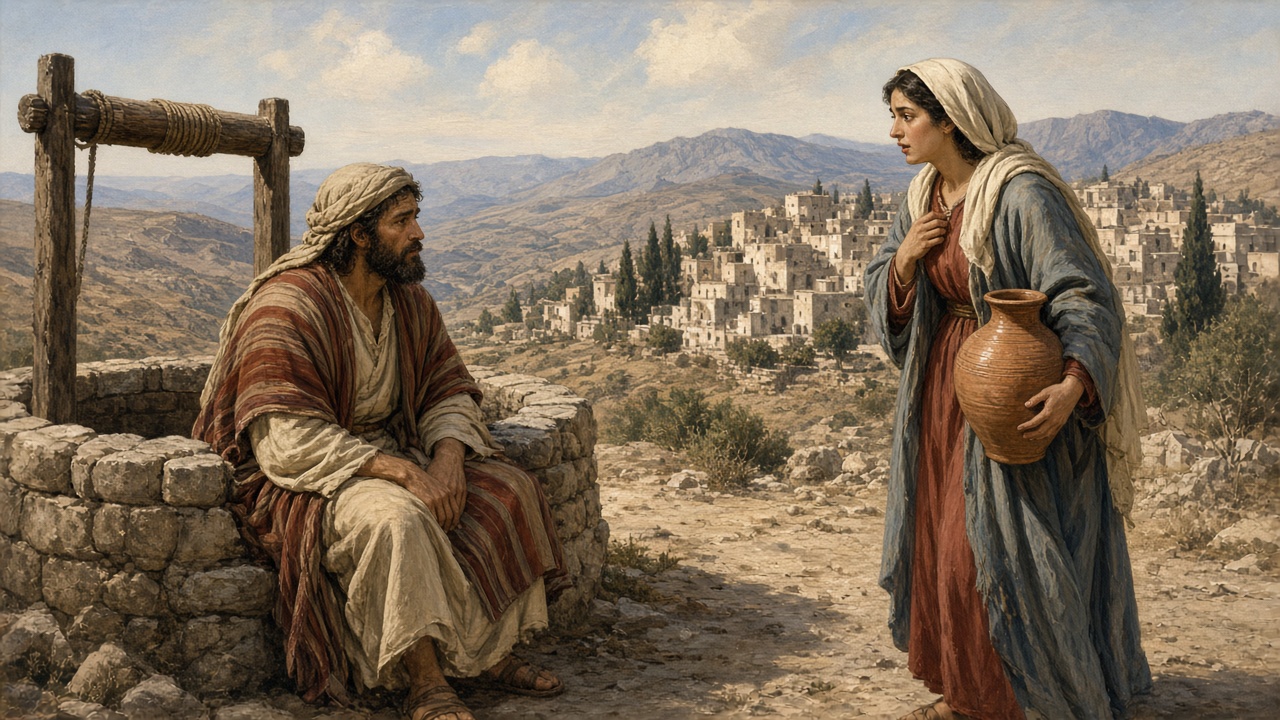
4Ma ọ ga-esite nʼetiti Sameria gafee. 5Ya mere, ọ batara nʼotu obodo nta dị na Sameria a na-akpọ Saika, nʼakụkụ ala ahụ Jekọb nyere Josef nwa ya nwoke. 6Olulu mmiri Jekọb dị nʼebe ahụ, ma ebe ọ bụ na ike gwụrụ Jisọs nʼije ya, ọ nọdụrụ ala nʼakụkụ olulu mmiri ahụ. Ọ bụ ihe dị ka oge ehihie.
7Otu nwanyị onye Sameria bịara ịdọrọ mmiri, Jisọs sịrị ya, “Nyetụ m mmiri ka m ṅụọ.” 8(Ndị na-eso ụzọ ya abaala nʼime obodo ịga zụta nri.)
9Nwanyị ahụ sịrị ya, “Olee otu gị bụ onye Juu si arịọ m bụ nwanyị Sameria mmiri ka ị ṅụọ?” (Nʼihi na ndị Juu na ndị Sameria anaghị emekọrịta ihe ọbụla.)
10Jisọs zara sị, “Ọ bụrụ na ị matara onyinye Chineke, na onye ahụ na-arịọ gị mmiri, ị gaara arịọ ya, ọ gakwara enye gị mmiri nke ndụ.”
11Nwanyị ahụ sịrị ya, “Nna anyị ukwu, o nweghị ihe ọbụla i ji ị ga-eji dọrọ mmiri, olulu a dịkwa omimi. Oleekwanụ ebe ị ga-eweta mmiri ndụ a. 12Ọ bụ na ị ka nna nna anyị Jekọb ukwuu, onye gwuuru anyị olulu mmiri a? Ya onwe ya na ụmụ ya na igwe ehi na atụrụ ya ṅụkwara mmiri sitere na ya?”
13Jisọs zara sị, “Onye ọbụla ṅụrụ mmiri a, akpịrị ga-akpọ ya nkụ ọzọ. 14Ma onye ọbụla ga-aṅụ mmiri ahụ m nyere ya, akpịrị agaghị akpọkwa ya nkụ ọzọ. Nʼeziokwu, mmiri ahụ m nyere ya ga-aghọrọ ya isi iyi nke na-asọpụtara ya ndụ ebighị ebi.”
15Mgbe ahụ nwanyị ahụ sịrị ya, “Onyenwe anyị nye m mmiri a, ka akpịrị ghara ịkpọ m nkụ ọzọ, ka m gharakwa ịdị na-abịa ebe a ịdọrọ mmiri.”
16Ọ gwara ya sị, “Gaa kpọta di gị ma lọghachi.”
17Nwanyị ahụ zaghachiri ya sị, “Enweghị m dị.”
Jisọs sịrị ya, “I kwuru eziokwu mgbe ị sịrị na i nweghị di. 18I nweela di ise, ma nwoke gị na ya bi ugbu a abụghị di gị. Ihe kwuru bụ nnọọ eziokwu.”
19Nwanyị ahụ sịrị ya “Nna anyị ukwu, ahụrụ m na ị bụ onye amụma. 20Nna nna anyị ha fere ofufe nʼugwu a, ma unu na-ekwu nʼebe ndị mmadụ ga-eferịrị ofufe bụ naanị na Jerusalem.”
21Jisọs sịrị ya, “Nwanyị kwere okwu m, oge na-abịa mgbe ị na-agaghị akpọ isiala nye Nna, maọbụ nʼugwu a ma ọ bụkwanụ na Jerusalem. 22Unu na-efe ihe unu na-amaghị ma anyị na-efe ihe anyị matara, nʼihi na nzọpụta sitere nʼaka ndị Juu. 23Ma oge na-abịa, ugbu a ọ bịala, mgbe ndị na-efe Nna ahụ nʼeziokwu ga-efe ya nʼime mmụọ na nʼeziokwu. Nʼihi na ọ bụ ndị dị otu a ka Nna chọrọ ka ha na-efe ya. 24Chineke bụ mmụọ ndị niile na-efe ya ga-eferịrị ya nʼime mmụọ na eziokwu.”
25Nwanyị ahụ sịrị ya, “Amaara m na Mezaya” (onye a na-akpọ Kraịst) “na-abịa. Mgbe ọ bịara, ọ ga-akọwaziri anyị ihe niile.”
26Jisọs sịrị ya, “Mụ, onye na-agwa gị okwu, abụ m ya.”
Ndị na-eso ụzọ ya lọghachikwutere ya
27Nʼoge ahụ ndị na-eso ụzọ ya lọghachitara. Ọ gbagwojukwara ha anya nke ukwuu ịhụ na ya na nwanyị na-ekwurịta okwu. Ma o nweghị onye nʼime ha jụrụ nwanyị ahụ sị, “Gịnị ka ị chọrọ?” ma ọ bụkwanụ, “Gịnị kpatara gị na ya ji na-ekwurịta okwu?”
28Mgbe ahụ, nwanyị ahụ hapụrụ ite mmiri ya laghachi nʼime obodo ga gwa ndị mmadụ, 29“Bịanụ lee otu nwoke onye gwara m ihe niile m merela. Ọ ga-abụ na ọ bụ ya bụ Kraịst ahụ?” 30Ha sitere nʼobodo ahụ gbapụtasịa soro ụzọ ahụ, ka ha gakwuru ya.
31Ma otu ọ dị, ndị na-eso ụzọ ya rịọrọ ya sị, “Onye ozizi rienụ nri.”
32Ma ọ sịrị ha, “Enwere m nri m na-eri nke unu na-amaghị maka ya.”
33Mgbe ahụ ndị na-eso ụzọ ya sịrịtara onwe ha, “Ọ ga-abụ na o nwere onye butere ya nri?”
34Jisọs sịrị ha, “Nri m bụ ime uche onye ahụ zitere m nakwa ịrụcha ọrụ ya. 35Unu na-asị, ‘ọ fọdụghị ọnwa anọ ka ịghọ mkpụrụ nʼubi ruo?’ Ma ana m agwa unu, megheenụ anya unu lee ubi ahụ, ha achaala maka ọghụghọ. 36Ọ bụladị ugbu a, onye na-aghọ mkpụrụ na-anata ụgwọ ọrụ, ọ na-achịkọta mkpụrụ ahụ maka ndụ ebighị ebi, ka onye ghara mkpụrụ na onye ghọrọ ya nwee ike ịṅụrịkọta ọṅụ. 37Ya mere okwu ahụ nke na-asị, ‘Otu onye na-agha mkpụrụ, onye ọzọ na-aghọkwa ya bụ eziokwu.’ 38E zigara m unu ka unu gaa ghọta ihe unu na-arụghị ọrụ maka ya. Ndị ọzọ rụrụ ọrụ a, ma unu ewe uru dị nʼọrụ ha.”
Ọtụtụ ndị Sameria e kwere
39Ọtụtụ ndị obodo Sameria kweere na ya nʼihi ama ahụ nwanyị ahụ gbara, “Ọ gwara m ihe niile m mere.” 40Ya mere mgbe ndị Sameria bịakwutere ya, ha rịọrọ ya ka ọ nọnyetụrụ ha, ọ nọnyekwaara ha ụbọchị abụọ. 41Ọtụtụ ndị ọzọ kwerekwara na ya nʼihi okwu ya.
42Ha gwara nwanyị ahụ, “Ihe anyị jiri kwere ugbu a abụghị ihe i kwuru, kama ọ bụ nʼihi na anyị onwe anyị anụla olu ya, matakwa na onye a bụ Onye nzọpụta nke ụwa nʼeziokwu.”
Jisọs agwọọ nwa otu onyeisi
43Mgbe ụbọchị abụọ ahụ gasịrị, ọ hapụrụ ebe ahụ gawa Galili. 44(Jisọs nʼonwe ya ekwuola na onye amụma anaghị enwe ugwu nʼobodo ya.) 45Mgbe ọ bịaruru Galili, ndị Galili nabatara ya ebe ha onwe ha gara mmemme na Jerusalem, ma hụkwa ọtụtụ ọrụ ebube ọ rụrụ nʼoge mmemme ahụ.
46Ọzọkwa, ọ bịaruru Kena nke Galili bụ ebe ahụ o mere mmiri ka ọ ghọọ mmanya. E nwekwara otu onye na-arụ ọrụ nʼụlọeze nọ nʼebe ahụ, nke ahụ na-adịghị nwa ya nwoke ike na Kapanọm. 47Mgbe ọ nụrụ na Jisọs esitela na Judịa bịarute na Galili, o jekwuuru ya rịọ ya ka ọ bịa gwọọ nwa ya, nʼihi na ọ nọ nʼọnụ ọnwụ.
48Jisọs sịrị ya, “Ọ bụrụ na unu ahụghị ọrụ ebube na ihe ịrịbama, unu agaghị ekwe ma ọlị.”
49Onye a na-arụ ọrụ nʼụlọeze sịrị ya, “Nna m ukwu, biko bịa tupu nwa m a nwụọ.”
50Jisọs sịrị ya, “Laa, nwa gị nwoke ga-adị ndụ.”
Nwoke ahụ kweere nʼihe Jisọs kwuru laa. 51Mgbe ọ ka nọ nʼụzọ, ndị ohu ya zutere ya kọọrọ ya na ahụ adịla nwa ya nwoke mma. 52Mgbe ọ jụrụ ha oge nwa ya jiri gbakee, ha sịrị ya, “Oke ahụ ọkụ ahụ kwụsịrị ya ụnyaahụ nʼelekere mbụ nke ehihie.”
53Nwoke ahụ ghọtara na ọ bụ kpomkwem nʼoge awa ahụ Jisọs gwara ya, “Nwa gị nwoke ga-adị ndụ.” Ya mere ya na ezinaụlọ ya niile kwenyere.
54Nke a bụ ihe ịrịbama nke abụọ Jisọs rụrụ na Galili mgbe o siri Judịa bịa.
Você sabia?
Água viva na Samaria
- Jesus deixou a Judeia para voltar à Galileia, e o Evangelho diz que ele precisava passar pela Samaria. Sob os romanos, no tempo de Jesus, a Judeia era a mais ao sul das três divisões da Palestina, distinta da Samaria e da Galileia, e a narrativa observa que os judeus não se relacionavam com os samaritanos.Fontes: o próprio texto bíblico · Judea
- Ele chegou a Sicar, perto do terreno que Jacó tinha dado a seu filho José e, cansado da viagem, sentou-se junto ao poço de Jacó. O dicionário bíblico de Easton (1897) registra que, desde o tempo das Cruzadas, Sicar costumava ser identificada com Siquém, mas que explorações a identificaram com 'Askar, um pequeno povoado samaritano na base sul de Ebal, cerca de uma milha ao norte do poço.Fontes: o próprio texto bíblico · Sychar
- A mulher contrastou a adoração neste monte com a afirmação dos judeus de que era preciso adorar em Jerusalém, e falou de um Messias que havia de vir, chamado Cristo. Quando os discípulos voltaram de comprar comida na cidade, ficaram surpresos de que Jesus estivesse falando com uma mulher.Fontes: o próprio texto bíblico
Notas escritas com auxílio de IA a partir de fontes abertas (Theographic Bible Metadata, CC BY-SA 4.0; Easton’s Bible Dictionary, domínio público) e revisadas antes de publicar.
Lugares deste capítulo
- Galilee · 32.760, 35.527 · versículos 3, 43, 45, 46, 47, 54
- Judea · Hoje: Judea 1 · 31.777, 35.234 · versículos 3, 47, 54
- Samaria · Hoje: Samaria 2 · 32.276, 35.195 · versículos 4, 5, 7, 9
- Jerusalem · 31.777, 35.234 · versículos 20, 21, 45
- Mount Gerizim · 32.199, 35.273 · versículo 20
Só aparecem lugares com identificação de alta confiança (90% ou mais segundo as fontes acadêmicas reunidas pelo OpenBible). Mapa da época: DARE (Digital Atlas of the Roman Empire), CC BY 4.0; mapa atual: © colaboradores do OpenStreetMap; lugares: OpenBible.info (CC BY 4.0).
Créditos e licença desta tradução
Biblica® Baịbụlụ Nsọ nʼIgbo Ndị Ugbu a nke dịrị onye ọbụla ịgụ The Holy Bible in the Igbo language of Nigeria: Biblica® Baịbụlụ Nsọ nʼIgbo Ndị Ugbu a nke dịrị onye ọbụla ịgụ copyright © 2020 Biblica, Inc. Language: Igbo Contributor: Biblica, Inc. This work is made available under the Creative Commons Attribution-ShareAlike 4.0 International License (CC BY-SA). To view a copy of this license, visit http://creativecommons.org/licenses/by-sa/4.0 or send a letter to Creative Commons, PO Box 1866, Mountain View, CA 94042, USA. Biblica® is a trademark registered by Biblica, Inc., and use of the Biblica® trademark requires the written permission of Biblica, Inc. Under the terms of the CC BY-SA license, you may copy and redistribute this unmodified work as long as you keep the Biblica® trademark intact. If you modify a copy or translate this work, thereby creating a derivative work, you must remove the Biblica® trademark. On the derivative work, you must indicate what changes you have made and attribute the work as follows: “The original work by Biblica, Inc. is available for free at www.biblica.com and open.bible.” Notice of copyright must appear on the title or copyright page of the work as follows: Biblica® Baịbụlụ Nsọ nʼIgbo Ndị Ugbu a nke dịrị onye ọbụla ịgụ Ndị Biblica, Inc. degharịrị ya nʼafọ © 1980, 1988, 2019, 2020 Biblica® Open Igbo Contemporary Bible™ Copyright © 1980, 1988, 2019, 2020 by Biblica, Inc. “Biblica” bụ akara e ji mara ụlọ ọrụ a, nke edebanyere dịka iwu si kwado nʼụlọ ọrụ dị nʼobodo United States, ebe a na-enye akara a na ikike maka azụm ahịa ndị Biblica, Inc. Ọ bụ ha ka e nyere ikike idenye ya. “Biblica” is a trademark registered in the United States Patent and Trademark Office by Biblica, Inc. Used with permission. You must also make your derivative work available under the same license (CC BY-SA). If you would like to notify Biblica, Inc. regarding your translation of this work, please contact us at https://open.bible/contact-us. This translation is made available to you under the terms of the Creative Commons Attribution Share-Alike license 4.0. You have permission to share and redistribute this Bible translation in any format and to make reasonable revisions and adaptations of this translation, provided that: You include the above copyright and source information. If you make any changes to the text, you must indicate that you did so in a way that makes it clear that the original licensor is not necessarily endorsing your changes. If you redistribute this text, you must distribute your contributions under the same license as the original. Pictures included with Scriptures and other documents on this site are licensed just for use with those Scriptures and documents. For other uses, please contact the respective copyright owners. Note that in addition to the rules above, revising and adapting God's Word involves a great responsibility to be true to God's Word. See Revelation 22:18-19. 2023-04-12
Fonte: http://ebible.org/ibo/ · eBible.org