Deuteronômio 16
Biblica® Baịbụlụ Nsọ nʼIgbo Ndị Ugbu a nke dịrị onye ọbụla ịgụ · Toque num versículo para ver as referências cruzadas.
Mmemme Ngabiga
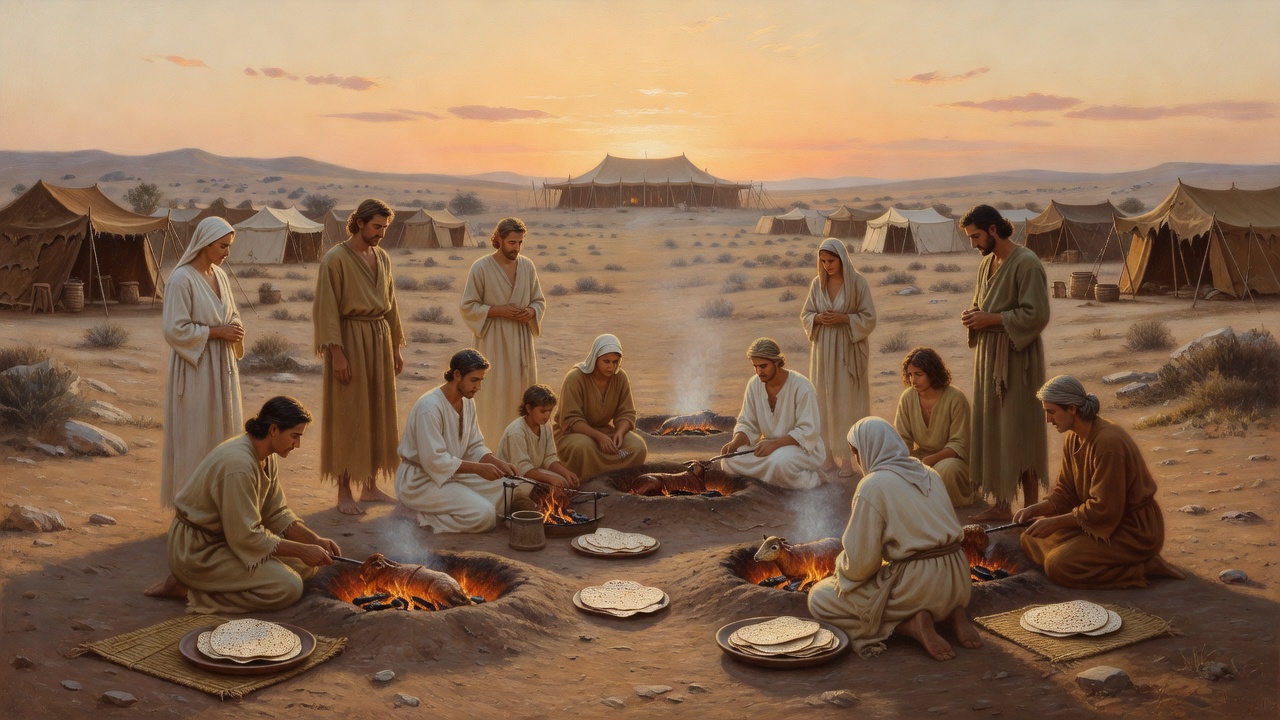
1Debe ọnwa Abib iche maka ime Mmemme Ngabiga Onyenwe anyị Chineke gị, nʼihi na ọ bụ nʼọnwa Abib ka Onyenwe anyị Chineke gị mere ka i si nʼala Ijipt pụta nʼabalị. 2Ị ga-eji anụ si nʼigwe atụrụ na ehi gị chụọrọ Onyenwe anyị Chineke gị aja ngabiga nʼebe ahụ Onyenwe anyị ga-ahọpụta dịka ebe obibi nye aha ya. 3Erila ya na achịcha e ji ihe na-eko achịcha mee, kama ụbọchị asaa ka ị ga-eri achịcha na-ekoghị eko, ya bụ, achịcha ahụhụ, iji cheta na i si nʼala Ijipt pụta ngwangwa. Nke a ga-eme ka i nwee ike na-echeta mgbe i sitere nʼala Ijipt pụta, ụbọchị niile nke ndụ. 4Ka ihe ọbụla na-eko achịcha ghara ịbata nʼezinaụlọ gị abalị asaa ndị ahụ. Unu ahapụkwala anụ ọbụla unu chụrụ nʼaja nʼoge uhuruchi nke ụbọchị mbụ, nọọ ruo ụtụtụ.
5Ị gaghị achụ aja ngabiga nʼobodo ọbụla Onyenwe anyị Chineke gị nyere gị, 6karịakwa nʼebe ahụ Onyenwe anyị Chineke gị họpụtara dịka ebe obibi nye ya ka i ga-anọ chụọ ya. Nʼebe ahụ ka ị ga-achụ aja ngabiga gị nʼoge uhuruchi, mgbe anwụ dachara, nʼoge mgbe dịka oge ụbọchị ahụ i sitere nʼIjipt pụta. 7Ị ga-ahụ ya nʼọkụ riekwa ya nʼebe ahụ Onyenwe anyị bụ Chineke ga-ahọpụta. Nʼụtụtụ, ị ga-alaghachikwa nʼụlọ ikwu gị. 8Ụbọchị isii ka ị ga-eri achịcha na-ekoghị eko, nʼụbọchị nke asaa, nweenụ mkpọkọta nye Onyenwe anyị Chineke gị, arụkwala ọrụ ọbụla.
Mmemme owuwe ihe ubi
9Gụpụta izu asaa site na mgbe ị malitere itinye mma iwe ihe ubi nʼukwu ọka guzoro eguzo nʼubi gị. 10Meenụ Mmemme Izu Ụka asaa nye Onyenwe anyị, bụ Chineke gị, site na inye onyinye afọ ofufu, nʼusoro ọtụtụ ngọzị Onyenwe anyị bụ Chineke gị ji gọzie gị. 11Ọ bụ oge ịṅụrị ọṅụ nye gị na ụmụ gị ndị ikom na ndị inyom, ndị ohu gị nwoke na nwanyị, ndị Livayị bi nʼobodo gị, ndị ọbịa, ndị na-enweghị nna na ndị inyom di ha nwụrụ bi nʼetiti gị. Meenụ nke a nʼihu Onyenwe anyị Chineke gị, nʼebe ahụ ọ họpụtara dịka ebe obibi nye aha ya. 12Cheta na ị bụrị ohu nʼala Ijipt, nʼihi nke a, unu echefula iwu ndị a.
Mmemme ụlọ ikwu
13Mmenụ mmemme ụlọ Ikwu. Unu aghaghị ime ya ụbọchị asaa mgbe unu wechara ihe ubi, ya bụ, mgbe unu chịkọtachara ọka site nʼebe ịzọcha ọka, nakwa ebe ịzọcha mmanya unu niile 14Ọ bụ oge ịṅụrị ọṅụ, nye gị onwe gị, ụmụ ndị ikom na ndị inyom gị, ndị odibo nwoke na nwanyị unu niile, ndị Livayị, ndị ọbịa, ụmụ mgbei na ụmụ nwanyị niile di ha nwụrụ anwụ ndị bi nʼobodo gị niile. 15A ga-eme mmemme a nye Onyenwe anyị Chineke gị ụbọchị asaa nʼebe ahụ Onyenwe anyị nʼonwe ya họpụtara. Nʼihi na Onyenwe anyị Chineke gị ga-agọzi ihe ubi gị niile, gọziekwa akaọrụ gị niile, ime ka ọṅụ gị zuo oke.
16Ugboro atọ nʼafọ ka ndị ikom unu niile aghaghị ịbịa chee onwe ha nʼihu Onye kachasị ihe niile elu, bụ Onyenwe anyị unu, nʼebe ọ ga-ahọpụta: nʼoge mmemme ndị a: Mmemme Achịcha na-ekoghị eko, Mmemme Izu Ụka asaa na Mmemme Ụlọ Ikwu. Ọ dịghị onye ọbụla ga-agba aka efu bịa nʼihu Onyenwe anyị. 17Onye ọbụla ga-eweta onyinye dịka o nwere ike na dịka Onyenwe anyị Chineke gị sị gọzie ya.
Ndị ikpe
18Ị ga-ahọpụta ndị ikpe, na ndịisi ozi nʼebo niile, na nʼobodo ọbụla Onyenwe anyị Chineke gị na-enye gị. Ha ga-eme ka ezi ikpe dịrị ndị mmadụ niile. 19Ekpekwala ikpe aghụghọ, maọbụ kpee ikpe ile mmadụ anya nʼihu. Erikwala ngarị, nʼihi na iri ngarị na-eme ka anya onye amamihe kpuo ìsì, meekwa ka okwu onye aka ya dị ọcha gbagọọ agbagọ. 20Gbasoo ikpe ziri ezi, mee ka ikpe ziri ezi dịgide, ka ị dịrị ndụ, nweta ala ahụ Onyenwe anyị Chineke gị na-enye gị.
Ikpere arụsị
21Amanyela oyiyi osisi chi Ashera ọbụla gị nʼakụkụ ebe ịchụ aja ị wuru nye Onyenwe anyị Chineke gị. 22Eguzokwala ogidi nkume ọbụla nʼihi na ha bụ ihe Onyenwe anyị Chineke gị kpọrọ asị.
Você sabia?
Festas Fixas e Justiça Reta
- Deuteronômio estabelece três festas anuais de peregrinação: a Festa dos Pães Asmos (Páscoa), a Festa das Semanas e a Festa dos Tabernáculos. Nessas ocasiões, os homens de Israel deviam comparecer diante de Deus não em suas próprias cidades, mas no lugar central escolhido como habitação para o Seu Nome.Fontes: o próprio texto bíblico
- As celebrações da Festa das Semanas e da Festa dos Tabernáculos incluíam expressamente grupos vulneráveis da sociedade, como servos, levitas, estrangeiros, órfãos e viúvas. Essa alegria comunitária estava diretamente ligada à lembrança da libertação da escravidão no Egito.Fontes: o próprio texto bíblico
- Além das assembleias religiosas, o texto ordena a nomeação de juízes e oficiais em todas as cidades. Eles eram proibidos de aceitar suborno ou demonstrar parcialidade, estabelecendo a ordem de seguir estritamente a justiça em toda a terra.Fontes: o próprio texto bíblico
Notas escritas com auxílio de IA a partir de fontes abertas (Theographic Bible Metadata, CC BY-SA 4.0; Easton’s Bible Dictionary, domínio público) e revisadas antes de publicar.
Lugares deste capítulo
Só aparecem lugares com identificação de alta confiança (90% ou mais segundo as fontes acadêmicas reunidas pelo OpenBible). Mapa da época: DARE (Digital Atlas of the Roman Empire), CC BY 4.0; mapa atual: © colaboradores do OpenStreetMap; lugares: OpenBible.info (CC BY 4.0).
Créditos e licença desta tradução
Biblica® Baịbụlụ Nsọ nʼIgbo Ndị Ugbu a nke dịrị onye ọbụla ịgụ The Holy Bible in the Igbo language of Nigeria: Biblica® Baịbụlụ Nsọ nʼIgbo Ndị Ugbu a nke dịrị onye ọbụla ịgụ copyright © 2020 Biblica, Inc. Language: Igbo Contributor: Biblica, Inc. This work is made available under the Creative Commons Attribution-ShareAlike 4.0 International License (CC BY-SA). To view a copy of this license, visit http://creativecommons.org/licenses/by-sa/4.0 or send a letter to Creative Commons, PO Box 1866, Mountain View, CA 94042, USA. Biblica® is a trademark registered by Biblica, Inc., and use of the Biblica® trademark requires the written permission of Biblica, Inc. Under the terms of the CC BY-SA license, you may copy and redistribute this unmodified work as long as you keep the Biblica® trademark intact. If you modify a copy or translate this work, thereby creating a derivative work, you must remove the Biblica® trademark. On the derivative work, you must indicate what changes you have made and attribute the work as follows: “The original work by Biblica, Inc. is available for free at www.biblica.com and open.bible.” Notice of copyright must appear on the title or copyright page of the work as follows: Biblica® Baịbụlụ Nsọ nʼIgbo Ndị Ugbu a nke dịrị onye ọbụla ịgụ Ndị Biblica, Inc. degharịrị ya nʼafọ © 1980, 1988, 2019, 2020 Biblica® Open Igbo Contemporary Bible™ Copyright © 1980, 1988, 2019, 2020 by Biblica, Inc. “Biblica” bụ akara e ji mara ụlọ ọrụ a, nke edebanyere dịka iwu si kwado nʼụlọ ọrụ dị nʼobodo United States, ebe a na-enye akara a na ikike maka azụm ahịa ndị Biblica, Inc. Ọ bụ ha ka e nyere ikike idenye ya. “Biblica” is a trademark registered in the United States Patent and Trademark Office by Biblica, Inc. Used with permission. You must also make your derivative work available under the same license (CC BY-SA). If you would like to notify Biblica, Inc. regarding your translation of this work, please contact us at https://open.bible/contact-us. This translation is made available to you under the terms of the Creative Commons Attribution Share-Alike license 4.0. You have permission to share and redistribute this Bible translation in any format and to make reasonable revisions and adaptations of this translation, provided that: You include the above copyright and source information. If you make any changes to the text, you must indicate that you did so in a way that makes it clear that the original licensor is not necessarily endorsing your changes. If you redistribute this text, you must distribute your contributions under the same license as the original. Pictures included with Scriptures and other documents on this site are licensed just for use with those Scriptures and documents. For other uses, please contact the respective copyright owners. Note that in addition to the rules above, revising and adapting God's Word involves a great responsibility to be true to God's Word. See Revelation 22:18-19. 2023-04-12
Fonte: http://ebible.org/ibo/ · eBible.org