Deuteronômio 11
Biblica® Baịbụlụ Nsọ nʼIgbo Ndị Ugbu a nke dịrị onye ọbụla ịgụ · Toque num versículo para ver as referências cruzadas.
Ịhụ Onyenwe anyị nʼanya na irubere ya isi
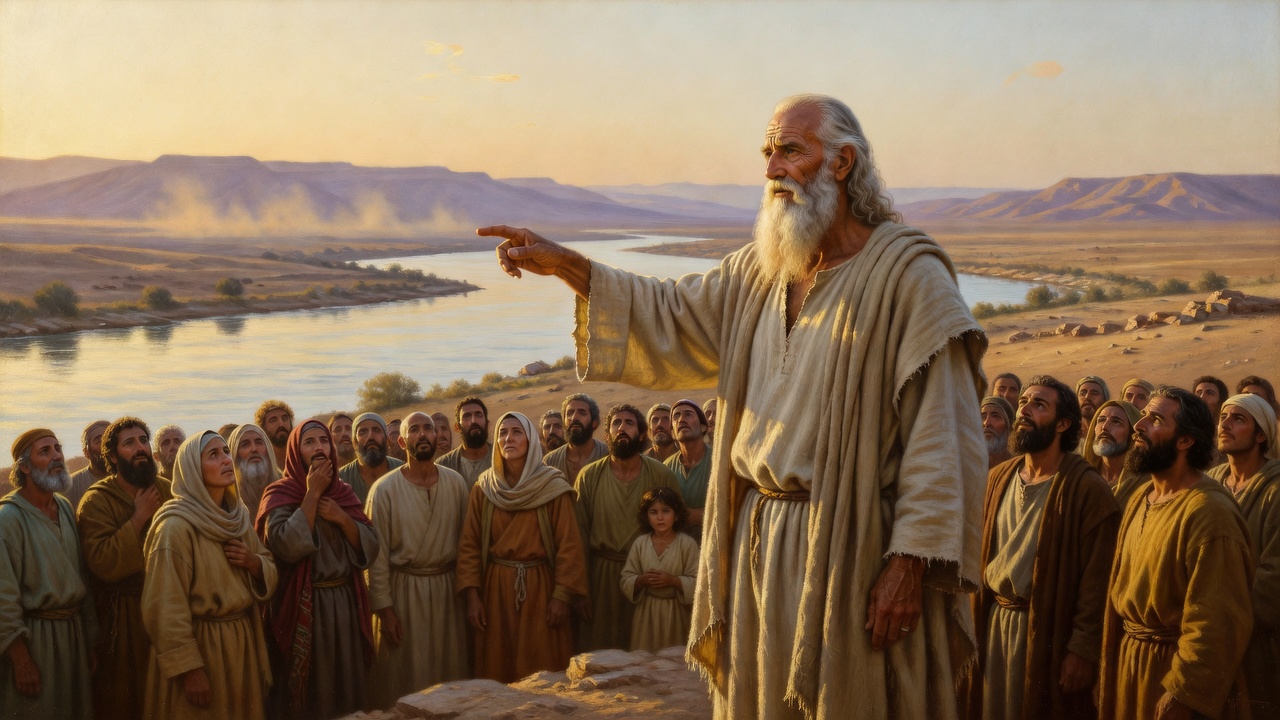
1Hụ Onyenwe anyị bụ Chineke gị nʼanya, na-edebezukwa ikpe ya na ụkpụrụ ya na ihe niile o nyere nʼiwu. 2Chetanụ taa na ọ bụghị ụmụ unu, kama ọ bụ unu onwe unu jiri anya unu hụ ịdọ aka na ntị Onyenwe anyị Chineke unu. Ọ bụ unu hụrụ ịdị ukwuu ya, ịdị ike ya, ịrụsị ọrụ ike nke ike ya, 3ihe ịrịbama ya niile na ihe niile o mere nʼIjipt, otu o si megide Fero eze Ijipt na ndị ala Ijipt niile. 4Unu hụrụ ihe o mere ndị agha Ijipt na ịnyịnya ha, na ụgbọ agha ha. Otu o si mee ka ha laa nʼiyi nʼime Osimiri Uhie, mgbe ha na-achụ unu ọsọ, na otu Onyenwe anyị si wetara ha ịla nʼiyi ebighị ebi. 5Ọ bụghị ụmụ unu hụrụ ihe o meere unu nʼoge ahụ niile unu nọ nʼọzara tutu unu erute nʼebe a, 6na ihe o mere Datan na Abiram, ụmụ Eliab, ndị si nʼebo Ruben, otu ala si meghee ọnụ ya loda ha, ha na ezinaụlọ ha, ụlọ ikwu ha na ihe ọbụla nke dị ndụ ha nwere nʼetiti Izrel niile. 7Ma ọ bụ anya unu hụrụ oke ihe ịtụnanya ndị a niile Onyenwe anyị mere.
8Lezienụ anya debe iwu ndị a m na-enye unu taa, ka unu nwee ike, baa bichikwaa ala ahụ unu na-agafe Jọdan inweta, 9ka unu bie ogologo ndụ nʼime ala ahụ Onyenwe anyị ṅụrụ nʼiyi inye nna nna unu ha, na ụmụ ụmụ ha, ala mmiri ara ehi na mmanụ aṅụ na-eru na ya. 10Nʼihi na ala a unu na-aga ịbanye nʼime ya inweta adịghị ka ala Ijipt, ebe unu si pụta, ebe ị na-agha mkpụrụ gị, were ụkwụ tụwara mmiri ụzọ, dịka a na-eme nʼubi akwụkwọ nri. 11Ma ala unu na-agafe Jọdan inweta bụ ala nwere ugwu na ndagwurugwu, nke na-aṅụ mmiri ozuzo si nʼeluigwe. 12Ọ bụ ala nke Onyenwe anyị Chineke unu nʼonwe ya na-elekọta! Site nʼụbọchị ruo nʼụbọchị, sitekwa na mbido afọ ruo nʼọgwụgwụ afọ, anya ya adịghị apụ na ya.
13Ya mere, ọ bụrụ na unu ga-eji ntụkwasị obi rube isi nʼiwu ya niile, nke m na-enye unu taa, ọ bụrụkwa na unu ga-eji obi unu niile na mmụọ unu niile hụ Onyenwe anyị Chineke unu nʼanya, ọ bụrụkwa na unu ga-efe ya ofufe, 14ọ ga na-ezite mmiri ozuzo nʼoge ya, mmiri ozuzo nke mbụ na nke ikpeazụ, nke ga-eme ka ọka unu mịa mkpụrụ hiri nne, ka unu nwee ọtụtụ vaịnị, nweekwa mmanụ oliv. 15Ọ ga-eme ka anụ ụlọ gị nwee ahịhịa ha ga-ata, gị onwe gị ga-enwekwa ihe oriri dị ukwuu. Afọ ga-ejukwa gị nʼihe i nwere.
16Ma lezienụ anya, ka ahapụ ịrafu obi unu mee ka unu wezuga onwe unu, bido ife chi ndị ọzọ ofufe, kpọọkwa isiala nye ha. 17Mgbe ahụ, iwe Onyenwe anyị ga-adị ọkụ nʼebe unu nọ, ọ ga-agbachi eluigwe, mmiri agaghị ezo, ala agaghị epupụtakwa ihe ubi, unu ga-alakwa nʼiyi nʼotu ntabi anya, nʼezi ala ahụ Onyenwe anyị na-enye unu. 18Meenụ ka okwu m ndị a dịgide nʼobi unu na nʼime mmụọ unu. Keenụ ha dịka ihe ịrịbama nʼelu aka unu, kekwasịkwa ha dịka ihe ncheta nʼegedege ihu unu. 19Kuzierenụ ha ụmụ unu, na-ekwu ihe banyere ha mgbe ị na-anọdụ nʼụlọ gị, na mgbe ị na-aga nʼokporoụzọ, mgbe ị na-edina ala na mgbe i si nʼihe ndina bilie. 20Dee ha nʼelu ibo ọnụ ụlọ gị na nke ọnụ ụzọ ama gị. 21Ka ụbọchị ndụ unu na nke ụmụ unu dị ogologo nʼala ahụ unu na-aga ibi nʼime ya, nke Onyenwe anyị kwere nna unu na nkwa. Dịka ogologo ụbọchị niile ha nke eluigwe dị nʼelu, ụwa dịkwa nʼokpuru ya.
22Ọ bụrụ na unu elezie anya debe iwu niile m na-enye unu taa, na-ahụkwa Onyenwe anyị Chineke unu nʼanya, na-eso ụzọ ya, na-adaberekwa na ya, 23Onyenwe anyị ga-achụpụ mba niile bi nʼala ahụ unu na-aga inweta, unu ga-anapụkwa ha ala ahụ, ọ bụladị na ha buru ibu, siekwa ike karịa unu. 24Ebe ọbụla unu zọnyere ụkwụ unu nʼala ahụ aghọọla nke unu, site na ndịda Negeb ruo Lebanọn, sitekwa nʼOsimiri Yufretis ruo Osimiri Mediterenịa. Ha ga-abụ nke unu. 25Ọ dịghị onye ọbụla pụrụ imegide unu nʼihi na Onyenwe anyị Chineke unu ga-emenye ha egwu na ụjọ nʼafọ nʼụzọ ọbụla unu na-aga, dịka o kwere na nkwa.
26Lee, taa, ana m eche nʼihu unu ngọzị Onyenwe anyị na ọbụbụ ọnụ. 27Ngọzị ga-adịrị unu ma ọ bụrụ na unu edebe iwu Onyenwe anyị Chineke unu, nke m na-enye unu taa. 28Nkọcha ahụ ga-adị ma ọ bụrụ na unu ajụ irube isi nye iwu niile nke Onyenwe anyị, bụ Chineke unu, wezuga onwe unu nʼụzọ ahụ nke m nyere unu nʼiwu taa site nʼịgbaso chi ndị ọzọ, nke unu na-amaghị. 29Mgbe Onyenwe anyị Chineke unu mere ka unu nweta ala ahụ, a ga-esite nʼelu ugwu Gerizim kwupụta ngọzị ga-adịrị unu, a ga-esitekwa nʼelu ugwu Ebal kwupụta ọbụbụ ọnụ ga-adakwasị unu. 30Gerizim na Ebal bụ ugwu dị nʼofe Jọdan, nʼakụkụ okporoụzọ dị nʼọdịda anyanwụ. Ọ dị nso nʼebe osisi ukwu ndị ahụ toro na More, nʼala ndị Kenan ahụ bi nʼAraba, nʼakụkụ Gilgal. 31Nʼihi na unu na-aga ịgafe osimiri Jọdan, ịbanye nweta ala ahụ Onyenwe anyị Chineke unu na-enye unu. Mgbe unu nwetara ya biri nʼime ya, 32hụnụ na unu rubere isi debe iwu niile na ụkpụrụ niile m na-eche nʼihu unu taa.
Você sabia?
Amor, Obediência e a Terra das Chuvas
- Moisés contrasta a agricultura no Egito com a vida na Terra Prometida. Enquanto a agricultura no vale plano do Nilo dependia da irrigação manual, descrita como regar a pé como uma horta, Canaã era uma terra de montes e vales que dependia inteiramente das chuvas sazonais de outono e primavera.Fontes: o próprio texto bíblico · Egypt
- O discurso apela diretamente à memória viva dos israelitas, lembrando-os do julgamento sobre Datã e Abirão, filhos do rubenita Eliabe. Durante a caminhada no deserto, a terra se abriu e engoliu esses homens com suas famílias e tendas.Fontes: o próprio texto bíblico · Dathan · Abiram (son of Eliab) · Eliab
- A extensão da terra prometida ao povo é descrita desde o deserto meridional até os montes do Líbano, e desde o rio Eufrates até o mar Ocidental. Ao atravessarem o Jordão, a comunidade deveria proclamar as bênçãos sobre o monte Gerizim e as maldições sobre o monte Ebal.Fontes: o próprio texto bíblico · Lebanon · Euphrates · Jordan
Notas escritas com auxílio de IA a partir de fontes abertas (Theographic Bible Metadata, CC BY-SA 4.0; Easton’s Bible Dictionary, domínio público) e revisadas antes de publicar.
Lugares deste capítulo
- Egypt · 30.129, 31.308 · versículos 3, 4, 10
- Jordan · Hoje: Jordan River · 31.761, 35.558 · versículos 8, 11, 30, 31
- Euphrates · Hoje: Euphrates River · 31.004, 47.442 · versículo 24
- Great Sea · Hoje: Mediterranean Sea · 31.805, 34.170 · versículo 24
- Lebanon · 33.540, 35.584 · versículo 24
- Mount Ebal · 32.234, 35.273 · versículo 29
- Mount Gerizim · 32.199, 35.273 · versículo 29
- Arabah · 30.417, 35.151 · versículo 30
- Moreh · Hoje: within 1 km of Tell Balatah · 32.214, 35.282 · versículo 30
Só aparecem lugares com identificação de alta confiança (90% ou mais segundo as fontes acadêmicas reunidas pelo OpenBible). Mapa da época: DARE (Digital Atlas of the Roman Empire), CC BY 4.0; mapa atual: © colaboradores do OpenStreetMap; lugares: OpenBible.info (CC BY 4.0).
Créditos e licença desta tradução
Biblica® Baịbụlụ Nsọ nʼIgbo Ndị Ugbu a nke dịrị onye ọbụla ịgụ The Holy Bible in the Igbo language of Nigeria: Biblica® Baịbụlụ Nsọ nʼIgbo Ndị Ugbu a nke dịrị onye ọbụla ịgụ copyright © 2020 Biblica, Inc. Language: Igbo Contributor: Biblica, Inc. This work is made available under the Creative Commons Attribution-ShareAlike 4.0 International License (CC BY-SA). To view a copy of this license, visit http://creativecommons.org/licenses/by-sa/4.0 or send a letter to Creative Commons, PO Box 1866, Mountain View, CA 94042, USA. Biblica® is a trademark registered by Biblica, Inc., and use of the Biblica® trademark requires the written permission of Biblica, Inc. Under the terms of the CC BY-SA license, you may copy and redistribute this unmodified work as long as you keep the Biblica® trademark intact. If you modify a copy or translate this work, thereby creating a derivative work, you must remove the Biblica® trademark. On the derivative work, you must indicate what changes you have made and attribute the work as follows: “The original work by Biblica, Inc. is available for free at www.biblica.com and open.bible.” Notice of copyright must appear on the title or copyright page of the work as follows: Biblica® Baịbụlụ Nsọ nʼIgbo Ndị Ugbu a nke dịrị onye ọbụla ịgụ Ndị Biblica, Inc. degharịrị ya nʼafọ © 1980, 1988, 2019, 2020 Biblica® Open Igbo Contemporary Bible™ Copyright © 1980, 1988, 2019, 2020 by Biblica, Inc. “Biblica” bụ akara e ji mara ụlọ ọrụ a, nke edebanyere dịka iwu si kwado nʼụlọ ọrụ dị nʼobodo United States, ebe a na-enye akara a na ikike maka azụm ahịa ndị Biblica, Inc. Ọ bụ ha ka e nyere ikike idenye ya. “Biblica” is a trademark registered in the United States Patent and Trademark Office by Biblica, Inc. Used with permission. You must also make your derivative work available under the same license (CC BY-SA). If you would like to notify Biblica, Inc. regarding your translation of this work, please contact us at https://open.bible/contact-us. This translation is made available to you under the terms of the Creative Commons Attribution Share-Alike license 4.0. You have permission to share and redistribute this Bible translation in any format and to make reasonable revisions and adaptations of this translation, provided that: You include the above copyright and source information. If you make any changes to the text, you must indicate that you did so in a way that makes it clear that the original licensor is not necessarily endorsing your changes. If you redistribute this text, you must distribute your contributions under the same license as the original. Pictures included with Scriptures and other documents on this site are licensed just for use with those Scriptures and documents. For other uses, please contact the respective copyright owners. Note that in addition to the rules above, revising and adapting God's Word involves a great responsibility to be true to God's Word. See Revelation 22:18-19. 2023-04-12
Fonte: http://ebible.org/ibo/ · eBible.org