1 Samuel 9
Biblica® Baịbụlụ Nsọ nʼIgbo Ndị Ugbu a nke dịrị onye ọbụla ịgụ · Toque num versículo para ver as referências cruzadas.
Samuel etee Sọl mmanụ ịbụ eze
1E nwere otu nwoke si Benjamin aha ya bụ Kish nwa Abiel, nwa Zeroa, nwa Bekorat, nwa Afia, onye Benjamin, burukwa oke mmadụ a maa ama. 2O nwere nwa nwoke aha ya bụ Sọl, onye bụ okorobịa nọ nʼuju ya. O nweghị nwoke ọzọ e ji atụnyere ya nʼIzrel niile. O toro ogologo karịa onye ọbụla site nʼubu ruo nʼisi.
3Otu ụbọchị, ụfọdụ nʼime ịnyịnya ibu Kish nna Sọl nwere kpafuru. Nʼihi ya, Kish kpọrọ Sọl gwa ya okwu sị, “Duru otu odibo ka gị na ya soro ga chọgharịa ịnyịnya ibu ndị a.” 4Ha chọrọ ịnyịnya ndị ahụ gaa nʼala ugwu ugwu Ifrem, na nʼakụkụ Shalisha, ma ha ahụghị ha. Ha chọkwara ha gaa nʼakụkụ Shaalim, ma ha ahụghị ha nʼebe ahụ. Emesịa, ha chọrọ ịnyịnya ibu ndị ahụ gaa nʼala niile nke ndị Benjamin, ma ha ahụghị ha ebe ọbụla.
5Nʼikpeazụ, mgbe ha chọọrọ ha rute nʼala Zuf, Sọl gwara onyeozi ahụ ya na ya so, sị, “Ka anyị laghachi, nʼihi na ọ bụrụ na nna m elee anya anyị ma ọ hụghị anyị, ọ ga-amalite iche echiche banyere anyị karịa ịnyịnya ibu ndị a.”
6Ma odibo ahụ zara ya sị, “Lee, e nwere otu onye nke Chineke bi nʼobodo a; ọ bụkwa onye mmadụ niile na-asọpụrụ nʼihi na ihe ọbụla o kwuru na-emezu. Ka anyị gaa hụ ya, ma eleghị anya ọ ga-agwa anyị ụzọ anyị ga-esi.”
7Sọl sịrị odibo ya, “Ọ bụrụ na anyị agaa, gịnị ka anyị ga-enye nwoke ahụ? Nri dị na-akpa anyị agwụla, ọ dịkwaghị onyinye anyị nwere nke anyị ga-enye onye nke Chineke. Gịnị ka anyị nwere?”
8Onyeozi ahụ zara ya ọzọ sị, “Lee, enwere m otu mkpụrụ shekel ọlaọcha. Aga m enye ya onye Chineke a ka ọ gwa anyị ụzọ anyị ga-esi.” 9(Na mgbe gara aga nʼIzrel, ọ bụrụ na mmadụ agaa iju Chineke ase, ọ na-asị, “Bịa ka anyị jekwuru onye ọhụ ụzọ,” nʼihi na onye a na-akpọ onye amụma taa, ka a na-akpọ onye ọhụ ụzọ nʼoge ahụ).
10Sọl sịrị odibo ya, “Ọ dị mma, Bịa ka anyị gaa.” Ha biliri gawa nʼobodo ebe onye Chineke ahụ nọ.
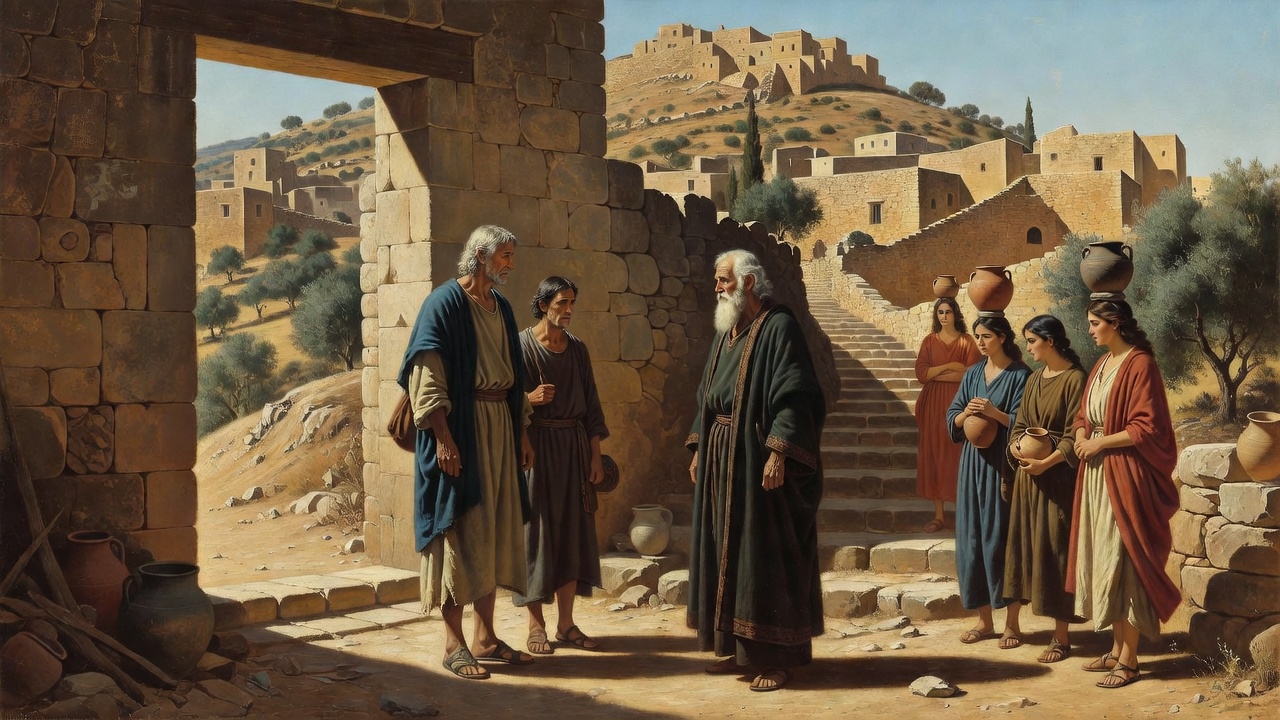
11Mgbe ha na-arịgo ugwu ịbanye obodo ahụ, ha zutere ụfọdụ ụmụ agbọghọ ka ha na-apụta iseta mmiri, jụọ ha ajụjụ sị, “Onye ọhụ ụzọ ahụ ọ nọ nʼebe a?”
12Ụmụ agbọghọ ahụ zara ha sị, “E, ọ nọ ya. Lee ya ka ọ na-aga nʼihu unu. Unu jesie ike unu ga-ahụ ya. Ugbu a ka ọ batara obodo anyị, nʼihi na ọ na-aga iso ndị mmadụ gaa ịchụ aja nʼebe dị elu. 13Ngwangwa unu banye nʼobodo, unu ga-ahụ ya tupu o gaa nʼebe dị elu iri ihe. Nʼihi na ndị mmadụ agaghị ebido iri ihe tutu ruo mgbe o rutere, nʼihi na ọ ghaghị ịgọzi ihe aja ahụ tupu ndị a kpọrọ oku ebido iri ihe. Gbagoonụ unu ga-ahụ ya nʼoge dịka nke a.”
14Ya mere, ha mere ngwangwa, baa nʼime obodo ahụ. Dịka ha na-abata nʼime obodo, lee Samuel ka ọ na-abịakwute ha; ọ na-aga nʼebe ahụ dị elu.
15Ma nʼụbọchị bọrọ tupu ụbọchị Sọl na-abịa, Onyenwe anyị kpughere nke a nye Samuel. 16“Dịka mgbe a echi, aga m ezitere gị otu nwoke sị nʼala Benjamin. Ị ga-ete ya mmanụ nke ga-eme ya ka ọ bụrụ onyendu Izrel ndị m. Ọ ga-azọpụta ha site nʼaka ndị Filistia, nʼihi na ahụla m ahụhụ nke ha nọ nʼime ya; anụkwala m ịkwa akwa ha.”
17Mgbe Samuel hụrụ Sọl, Onyenwe anyị gwara ya sị, “Lee nwoke ahụ m gwara gị ihe banyere ya! Ọ bụ ya ga-achị ndị m.”
18Ma Sọl bịaruru Samuel nso jụọ ya sị, “Biko, zi m ebe ụlọ onye ọhụ ụzọ dị.”
19Samuel zara sị ya, “Mụ onwe m bụ ọhụ ụzọ ahụ. Gaanụ nʼihu m rigoruo nʼebe dị elu, nʼihi na mụ na unu ga-eso rikọọ nri taa. Nʼụtụtụ echi aga m agwa gị ihe dị gị nʼobi. Aga m ezilagakwa gị. 20Enyela obi gị nsogbu maka ịnyịnya ibu ndị ahụ furu efu nʼabalị atọ gara aga, nʼihi na a chọtala ha. Ma, onye ka mmadụ ahụ bụ, onye ndị Izrel niile na-achọsi ike? Ọ bụghị gị na ezinaụlọ nna gị.”
21Ma Sọl zara sị, “Ọ bụghị onye Benjamin ka m bụ, onye sitere nʼebo kachasị nta nʼIzrel; ọ bụghị agbụrụ m dịkarịsịrị nta nʼetiti agbụrụ niile ọzọ dị nʼebo Benjamin? Gịnị mere i ji agwa m ụdị okwu dị otu a?”
22Mgbe ahụ, Samuel duuru Sọl na onyeozi ya kpọbata ha nʼime ụlọ ukwu, nye ha ọnọdụ nʼisi oche nʼetiti iri mmadụ atọ ọ kpọrọ oriri. 23Samuel gwara onyeisi ndị na-esi nri okwu sị, “Weta anụ ahụ m nyere gị, nke ahụ m sị gị ka ị debe iche.”
24Onye na-esi nri weere ụkwụ anụ ahụ na ihe ndị so ya debe ya nʼihu Sọl. Samuel sịrị, “Lee, ihe ndị e wepụrụ ka e debere gị. Rie, nʼihi na e debere gị ya maka oge akara aka, site nʼoge ahụ m kwuru si, ‘Akpọrọ m ndị mmadụ oku nri.’ ” Sọl sooro Samuel rie nri nʼụbọchị ahụ.
25Mgbe ha sitere nʼebe ahụ dị elu rịdata nʼobodo. Samuel kpanyere Sọl ụka nʼelu ụlọ ya. 26Nʼisi ụtụtụ mgbe ha biliri, Samuel kpọrọ Sọl nʼụlọ elu sị, “Jikere, ka m zilaga gị.” Mgbe Sọl kwadoro, ya na Samuel sooro pụọ nʼezi. 27Ka ha na-arịda na-abịaru nsọtụ obodo ahụ, Samuel sịrị Sọl, “Gwa onyeozi ahụ ka ọ gafee nʼihu anyị.” Onyeozi ahụ mekwara otu a, ma, “Gị onwe gị chere ntakịrị oge nʼebe a ka m mee ka ị nụrụ ozi sitere nʼaka Chineke.”
Você sabia?
A busca de Saul e o encontro com Samuel
- A jornada de Saul em busca das jumentas perdidas de seu pai o levou pela região montanhosa de Efraim, pelas terras de Salisa e Saalim, e finalmente ao distrito de Zufe, onde ficava Ramá, a cidade natal de Samuel.Fontes: o próprio texto bíblico · Saul · Zuph
- O relato observa que o título 'profeta' substituiu o termo mais antigo 'vidente' na época em que o texto foi registrado. Consultar um homem de Deus costumava envolver a entrega de uma modesta oferta de cortesia, como o quarto de siclo de prata oferecido pelo servo de Saul.Fontes: o próprio texto bíblico
- Nos banquetes sacrificiais locais realizados em lugares altos, o profeta ou sacerdote precisava abençoar a refeição antes que os convidados comessem. Samuel honrou Saul colocando-o no lugar principal entre cerca de trinta convidados e servindo-lhe uma porção especial previamente reservada.Fontes: o próprio texto bíblico
Notas escritas com auxílio de IA a partir de fontes abertas (Theographic Bible Metadata, CC BY-SA 4.0; Easton’s Bible Dictionary, domínio público) e revisadas antes de publicar.
Créditos e licença desta tradução
Biblica® Baịbụlụ Nsọ nʼIgbo Ndị Ugbu a nke dịrị onye ọbụla ịgụ The Holy Bible in the Igbo language of Nigeria: Biblica® Baịbụlụ Nsọ nʼIgbo Ndị Ugbu a nke dịrị onye ọbụla ịgụ copyright © 2020 Biblica, Inc. Language: Igbo Contributor: Biblica, Inc. This work is made available under the Creative Commons Attribution-ShareAlike 4.0 International License (CC BY-SA). To view a copy of this license, visit http://creativecommons.org/licenses/by-sa/4.0 or send a letter to Creative Commons, PO Box 1866, Mountain View, CA 94042, USA. Biblica® is a trademark registered by Biblica, Inc., and use of the Biblica® trademark requires the written permission of Biblica, Inc. Under the terms of the CC BY-SA license, you may copy and redistribute this unmodified work as long as you keep the Biblica® trademark intact. If you modify a copy or translate this work, thereby creating a derivative work, you must remove the Biblica® trademark. On the derivative work, you must indicate what changes you have made and attribute the work as follows: “The original work by Biblica, Inc. is available for free at www.biblica.com and open.bible.” Notice of copyright must appear on the title or copyright page of the work as follows: Biblica® Baịbụlụ Nsọ nʼIgbo Ndị Ugbu a nke dịrị onye ọbụla ịgụ Ndị Biblica, Inc. degharịrị ya nʼafọ © 1980, 1988, 2019, 2020 Biblica® Open Igbo Contemporary Bible™ Copyright © 1980, 1988, 2019, 2020 by Biblica, Inc. “Biblica” bụ akara e ji mara ụlọ ọrụ a, nke edebanyere dịka iwu si kwado nʼụlọ ọrụ dị nʼobodo United States, ebe a na-enye akara a na ikike maka azụm ahịa ndị Biblica, Inc. Ọ bụ ha ka e nyere ikike idenye ya. “Biblica” is a trademark registered in the United States Patent and Trademark Office by Biblica, Inc. Used with permission. You must also make your derivative work available under the same license (CC BY-SA). If you would like to notify Biblica, Inc. regarding your translation of this work, please contact us at https://open.bible/contact-us. This translation is made available to you under the terms of the Creative Commons Attribution Share-Alike license 4.0. You have permission to share and redistribute this Bible translation in any format and to make reasonable revisions and adaptations of this translation, provided that: You include the above copyright and source information. If you make any changes to the text, you must indicate that you did so in a way that makes it clear that the original licensor is not necessarily endorsing your changes. If you redistribute this text, you must distribute your contributions under the same license as the original. Pictures included with Scriptures and other documents on this site are licensed just for use with those Scriptures and documents. For other uses, please contact the respective copyright owners. Note that in addition to the rules above, revising and adapting God's Word involves a great responsibility to be true to God's Word. See Revelation 22:18-19. 2023-04-12
Fonte: http://ebible.org/ibo/ · eBible.org