1 Coríntios 7
Biblica® Baịbụlụ Nsọ nʼIgbo Ndị Ugbu a nke dịrị onye ọbụla ịgụ · Toque num versículo para ver as referências cruzadas.
Ajụjụ banyere ọlụlụ dị na nwunye
1Ugbu a, okwu banyere ihe unu dere nʼakwụkwọ: “Ọ dị mma ka nwoke ghara ịmetụ nwanyị aka.” 2Ma nʼihi ọtụtụ ihe omume banyere ịkwa iko, ka nwoke ọbụla nwee nwunye nke aka ya, nwanyị ọbụla di nke aka ya. 3Ka nwoke ọbụla jisie ike na-akwụ nwunye ya ụgwọ mmekọ o ji ya. Nwanyị ọbụla ga-emekwara di ya otu aka ahụ. 4Nʼihi na nwanyị ọbụla lụrụ di adịghịkwa achị ahụ ya, kama ọ bụ di ya na-achị ya. Otu aka ahụ, di anakwaghị achị ahụ ya, kama ọ bụ nwunye ya na-achị ya. 5Ka di na nwunye hapụ igbochi ibe ha mmekọrịta nke anụ ahụ ruuru ha. Karịakwa maọbụ na mkpebi ha nwere nʼetiti onwe ha ịnọrọ iche nwa oge nta nʼihi inyefe onwe ha ikpe ekpere. Mgbe oge a gasịrị, ha ga-agakwa nʼihu na mmekọrịta ha, ka e site otu a hapụ inye ekwensu ohere ịnwa ha ọnwụnwa nʼihi enweghị ike ha ijide onwe ha aka. 6Anaghị m enye nke a dị ka iwu, kama ọ bụ alo ka m na-atụnyere unu. 7Asị m kwuo, aga m asị na ọ ga-aka mma ka mmadụ niile nọrọ dị ka m. Ma onye ọbụla nwere onyinye nke Chineke nyere ya. O nyere otu onye nke a, onye ọzọ nke ọzọ.
8Ma ana m agwa ndị na-anọghị nʼọnọdụ di na nwunye na ndị di ha nwụrụ anwụ, na ọ ka mma ka ha nọdụ na-alụghị di maọbụ nwunye, dịka m onwe m nọ. 9Ma ọ bụrụ na ha apụghị ijide onwe ha, ha gaa chọrọ di maọbụ nwunye lụọ. Ọ ka mma ịlụ di maọbụ nwunye, karịa mmadụ ịgba ara site nʼagụụ nke anụ ahụ.
10Ugbu a, unu ndị nwere di na ndị nwere nwunye niile, enwere m iwu m na-enye unu. (O sighị nʼaka m, kama o si nʼaka Onyenwe anyị): O kwesighị ka nwanyị ọbụla hapụ di ya. 11A sịkwa na ọ hapụ di ya, ya nọọrọ onwe ya, maọbụ ya laghachikwuru di ya. Ka nwoke ọbụla gharakwa ịgba nwunye ya alụkwaghị m.
12Ma ana m agwa mmadụ ndị ọzọ (nke a abụghị iwu nke Onyenwe anyị nyere). Ọ bụrụ na nwanna alụọ nwanyị nke na-ekweghị ekwe, ya achụpụla ya ma ọ bụrụ na nwanyị ahụ achọọ ịnọgide dịka nwunye ya. 13Ọ bụrụkwa na nwanyị kwere ekwe alụọ di nke na-ekweghị ekwe, ya agbarala di ya alụkwaghị m, ma ọ bụrụ na di ya chọrọ ịnọgide dịka di ya. 14Nʼihi na edoola di ahụ na-ekweghị ekwe nsọ site na nwunye ya, otu a kwa a na-edokwa nwunye ahụ na-ekweghị ekwe nsọ site na di ya, bụ onye kwere ekwe. Ọ bụrụ na ọ dịghị otu a, ụmụ unu ga-abụ ndị na-adịghị ọcha. Ma otu ọ dị, ha dị nsọ.
15Ma ọ bụrụ na onye ahụ nke na-ekweghị ekwe ekewapụ onwe ya, ya dịrị otu ahụ, nke a emeghị ka nwanna anyị nwoke maọbụ nwanna anyị nwanyị bụrụ ohu nʼọnọdụ dị otu a, nʼihi na Chineke kpọrọ anyị ka anyị bie ndụ udo. 16Gị nwunye, ị mara maọbụ gị ga-azọpụta di gị? Ma, gị bụ di, si aṅa mara maọbụ gị ga-azọpụta nwunye gị?
Ọnọdụ mmadụ
17Ka onye ọbụla bie ndụ ya dịka amara Onyenwe anyị nyere ya si dị, nakwa nʼọnọdụ nke Chineke kpọrọ ya. Nke a bụ iwu m na-enye nʼụlọ chọọchị niile. 18Akpọrọ onye ọbụla mgbe e biri ya ugwu? Ya achọla iwepụ akara obibi ugwu ya. Ka onye a na-ebighị ugwu tupu ọkpụkpọ ya hapụ inye onwe ya nsogbu ịchọ ụzọ a ga-esi bie ya ugwu. 19Nʼihi na ọ dịghị mkpa ma e biri gị ugwu ma e bighị gị ugwu. Ihe kachasị mkpa bụ idebe iwu Chineke. 20Ka onye ọbụla nọgide dịka ọ dị mgbe a kpọrọ ya.
21Ị bụ ohu mgbe a kpọrọ gị? Echegbula onwe gị nʼihi ya. Kama ọ bụrụ na ọ dị ụzọ ị pụrụ isi nwere onwe gị, were ohere ahụ mee ihe ugbu a. 22Nʼihi na onye ọbụla Onyenwe anyị Chineke kpọrọ mgbe o bụ ohu, aghọọla onye nweere onwe ya nʼime Onyenwe anyị. Otu aka ahụ, onye nwerela onwe ya mgbe Onyenwe anyị kpọrọ ya aghọọla ohu nke Kraịst. 23Akwụọla ụgwọ isi unu, unu abụkwala ohu mmadụ ọzọ. 24Ụmụnna m, nʼọnọdụ ọbụla mmadụ nọ mgbe a kpọrọ ya, ya nọgidesie ike nʼime Chineke.
Ndị na-alụbeghị di
25Ihe banyere ụmụ agbọghọ na-amaghị nwoke. Enweghị m iwu ọbụla site nʼaka Onyenwe anyị banyere ajụjụ a, ma aga m ekwu uche nke aka m dịka onye sitere nʼebere nke Onyenwe anyị kwesiri ntụkwasị obi. 26Echere m na ọ ka mma ugbu a, nʼihi nsogbu nke na-abịanụ ka onye ọbụla nọdụrụ onwe ya dịka o siri nọrọ ugbu a. 27Ị lụọla nwanyị? Achọla nkewa. Ọ bụ na ị lụbeghị nwanyị? Ejela ịchọ onye ị ga-alụ. 28Ma ọ bụrụ na i kpebie nʼobi gị ịlụ nwunye, i meghị mmehie ọbụla; ọ bụrụkwa na nwaagbọghọ ekpebie na ọ ga-alụ di, o meghị mmehie. Ndị lụrụ di na nwunye ga-enwe ọtụtụ nsogbu nʼime ụwa. Ọ ga-amasị m igbochiri unu nsogbu ndị ahụ.
29Ihe unu kwesiri ịma, ụmụnna, bụ na oge anyị nwere fọdụrụ naanị ntakịrị, site ugbu a gaa nʼihu ndị nwere nwunye ga-adị ndụ ha dịka ndị na-enweghị. 30Ka ndị na-akwa akwa bie ndụ dịka ndị ihe anaghị ewute, ka ndị na-achị ọchị dịrị ka ndị obi na-adịghị atọ ụtọ. Ka ndị na-azụ ahịa dịrị dịka ndị na-enweghị ngwa ahịa ọbụla. 31Ka ndị na-etinye oge nʼihe ụtọ nke ụwa hapụ ibi ndụ ịchọ iritecha ihe niile dị nʼụwa nʼuru. Nʼihi na ụwa, otu ọ dị ugbu a, bụ ihe na-agabiga agabiga.
32Unu emela ihe ga-ewetara unu oke echiche. Nwoke na-alụbeghị nwanyị nwere ohere iji oge ya niile rụọra Onyenwe anyị ọrụ. O nwekwara ohere ịgbalịsị ike ime ihe ga-atọ Onyenwe anyị ụtọ. 33Ma nwoke nwere nwunye na-echegbu onwe ya banyere ihe igbo mkpa nke ụwa a, otu ọ ga-esi mee ihe ga-atọ nwunye ya ụtọ. 34Ọ na-enwekwa obi abụọ nʼihe ọbụla ọ chọrọ ime. Otu a ka ọ dịkwa nye nwaagbọghọ na-alụbeghị di maọbụ onye nke na-amabeghị nwoke, nchegbu ya bụ banyere ihe nke Onyenwe anyị. Ọchịchọ ya bụ ka ọ dị nsọ nʼanụ ahụ ya na nʼime mmụọ ya. Ma nwanyị nwere di na-echegbu onwe ya banyere ihe nke ụwa a, otu ọ ga-esi mee ihe ga-atọ di ya ụtọ. 35Ana m ekwu ihe ndị a maka ọ dị mma nke unu onwe unu, ọ bụghị ịgbalị igbochi unu, kama ọ bụ ka unu nwee ike bie ndụ unu nʼụzọ kwesiri ekwesi, werekwa ịhụnanya zuruoke rụọra Onyenwe anyị ọrụ.
36Ọ bụrụ na nwoke ọbụla enweghị ike ijide onwe ya nʼihi agụụ mmekọrịta nke nwoke na nwanyị na-agụ ya nʼebe nwaagbọghọ ya na ya kpebiri ịlụ nọ, ya mee ihe ọ na-achọ, o meghị mmehie ọbụla, ha lụọ di na nwunye. 37Ma ọ bụrụ na onye ọbụla ekpebie nʼobi ya, ma nwee ike ijide onwe ya, ka o si nʼenweghị mmanye ọbụla idebe nwaagbọghọ e kwuru na ọ ga-alụ na-enweghị mmekọ ọbụla, ọ bụ ihe dị mma ka o mere. 38Ya mere, onye ahụ lụrụ nwaagbọghọ o kwuru na ọ ga-alụ mere nke ọma, ma onye kpebikwara na ọ gaghị alụ mekwara nke ọma karịa.
39Njikọta e jikọtara nwunye na di ya na-adị ire naanị mgbe di nwanyị dị ndụ. Ọ bụrụ na di ya anwụọ o nwere ike ịlụ di ọzọ, ma ọ lụọ ya nʼime Onyenwe anyị. 40Nʼuche m, ọ ga-enwe ọṅụ nʼobi ya karịa ma ọ bụrụ na ọ lụghị di ọzọ. Ana m echekwa na mụ onwe m nwekwara Mmụọ nke Chineke.
Você sabia?
Conselhos sobre o casamento e a crise presente
- O capítulo começa como resposta a assuntos sobre os quais os leitores haviam escrito. O autor diz que é bom abster-se das relações sexuais, mas, porque há tanta imoralidade sexual, cada homem deve ter a própria esposa e cada mulher o próprio marido. Ele apresenta isso como uma concessão, não como uma ordem, e diz que cada pessoa tem o seu próprio dom da parte de Deus.Fontes: o próprio texto bíblico
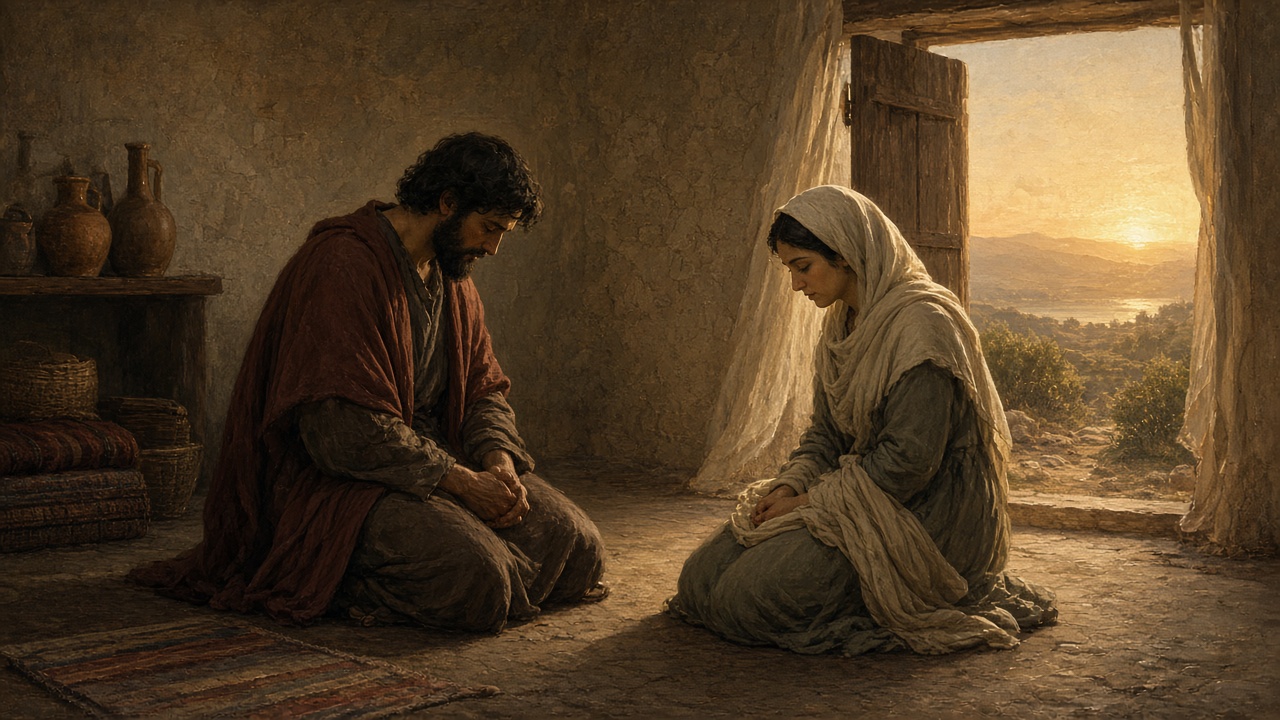
- No casamento, o autor diz que a esposa não tem autoridade sobre o próprio corpo, mas o marido, e, do mesmo modo, o marido não tem autoridade sobre o próprio corpo, mas a esposa. Não devem privar-se um do outro, exceto por mútuo consentimento e por um tempo, para se dedicarem à oração, e depois voltar a unir-se, para que Satanás não os tente por falta de domínio próprio. O dicionário bíblico de Easton (1897) apresenta o nome Satanás como “adversário” ou “acusador” e observa que ele tentou Jesus no deserto.Fontes: o próprio texto bíblico · Satan
- O autor distingue um mandamento que atribui ao Senhor — a esposa não deve separar-se do marido, e o marido não deve divorciar-se da esposa — do seu próprio juízo, nos casos em que diz que fala ele, e não o Senhor, inclusive casamentos com uma pessoa incrédula e questões sobre virgens. Por causa do que chama de crise presente, e porque diz que o tempo é curto e que este mundo, na sua forma atual, está passando, ele acha bom permanecer como se está. Acrescenta que casar não é pecar, embora os que casam enfrentem dificuldades nesta vida.Fontes: o próprio texto bíblico
Notas escritas com auxílio de IA a partir de fontes abertas (Theographic Bible Metadata, CC BY-SA 4.0; Easton’s Bible Dictionary, domínio público) e revisadas antes de publicar.
Créditos e licença desta tradução
Biblica® Baịbụlụ Nsọ nʼIgbo Ndị Ugbu a nke dịrị onye ọbụla ịgụ The Holy Bible in the Igbo language of Nigeria: Biblica® Baịbụlụ Nsọ nʼIgbo Ndị Ugbu a nke dịrị onye ọbụla ịgụ copyright © 2020 Biblica, Inc. Language: Igbo Contributor: Biblica, Inc. This work is made available under the Creative Commons Attribution-ShareAlike 4.0 International License (CC BY-SA). To view a copy of this license, visit http://creativecommons.org/licenses/by-sa/4.0 or send a letter to Creative Commons, PO Box 1866, Mountain View, CA 94042, USA. Biblica® is a trademark registered by Biblica, Inc., and use of the Biblica® trademark requires the written permission of Biblica, Inc. Under the terms of the CC BY-SA license, you may copy and redistribute this unmodified work as long as you keep the Biblica® trademark intact. If you modify a copy or translate this work, thereby creating a derivative work, you must remove the Biblica® trademark. On the derivative work, you must indicate what changes you have made and attribute the work as follows: “The original work by Biblica, Inc. is available for free at www.biblica.com and open.bible.” Notice of copyright must appear on the title or copyright page of the work as follows: Biblica® Baịbụlụ Nsọ nʼIgbo Ndị Ugbu a nke dịrị onye ọbụla ịgụ Ndị Biblica, Inc. degharịrị ya nʼafọ © 1980, 1988, 2019, 2020 Biblica® Open Igbo Contemporary Bible™ Copyright © 1980, 1988, 2019, 2020 by Biblica, Inc. “Biblica” bụ akara e ji mara ụlọ ọrụ a, nke edebanyere dịka iwu si kwado nʼụlọ ọrụ dị nʼobodo United States, ebe a na-enye akara a na ikike maka azụm ahịa ndị Biblica, Inc. Ọ bụ ha ka e nyere ikike idenye ya. “Biblica” is a trademark registered in the United States Patent and Trademark Office by Biblica, Inc. Used with permission. You must also make your derivative work available under the same license (CC BY-SA). If you would like to notify Biblica, Inc. regarding your translation of this work, please contact us at https://open.bible/contact-us. This translation is made available to you under the terms of the Creative Commons Attribution Share-Alike license 4.0. You have permission to share and redistribute this Bible translation in any format and to make reasonable revisions and adaptations of this translation, provided that: You include the above copyright and source information. If you make any changes to the text, you must indicate that you did so in a way that makes it clear that the original licensor is not necessarily endorsing your changes. If you redistribute this text, you must distribute your contributions under the same license as the original. Pictures included with Scriptures and other documents on this site are licensed just for use with those Scriptures and documents. For other uses, please contact the respective copyright owners. Note that in addition to the rules above, revising and adapting God's Word involves a great responsibility to be true to God's Word. See Revelation 22:18-19. 2023-04-12
Fonte: http://ebible.org/ibo/ · eBible.org