Salmos 120
Habo nalolene bi gahenge lo winigo ogo · Toque num versículo para ver as referências cruzadas.
Anduane Homogohondo, Biamogo bia, lalu bi lenego ogo
1I̱ha genda timbuni anda ibiyangi i̱na Anduane Homogo olarugola
ibugua i̱ biamogo biya.
2I̱na Anduane Homogohondo bi lalu,
Anduane Homogo-o agali ke̱ haga karume
i̱ mo hondo holigo i̱ biamogo bibe, larugoni.
3Ke̱ haga bu kamiru tíhondo Anduane Homogohanda agua bulubadabe.
Tí pani nalimulo aguaore ngulubadabe.
4Ibugua tí aminaga yandarerume nogoba halu
ira hedope halu tí delolebira.
5I̱ tí dege dombeneha kogoni Mesege dindibi Keda dindibi
wali agali ko biaga karu baba haradagua bidogoni.
6Agali maru wali agali bu karu baba mandagi habe manga haga karu
i̱ ti heba mandagi luore haabo haruda.
7I̱na mo palia holenenaga bi lalu koria
tigua wai bule dege manda biaga kagoni ndobe.
Você sabia?
Um clamor por paz no exílio
- O Salmo 120 inicia a série de quinze "cânticos de peregrinação" (ou de subidas), começando com um clamor pessoal por libertação de lábios mentirosos e de um ambiente hostil.Fontes: o próprio texto bíblico
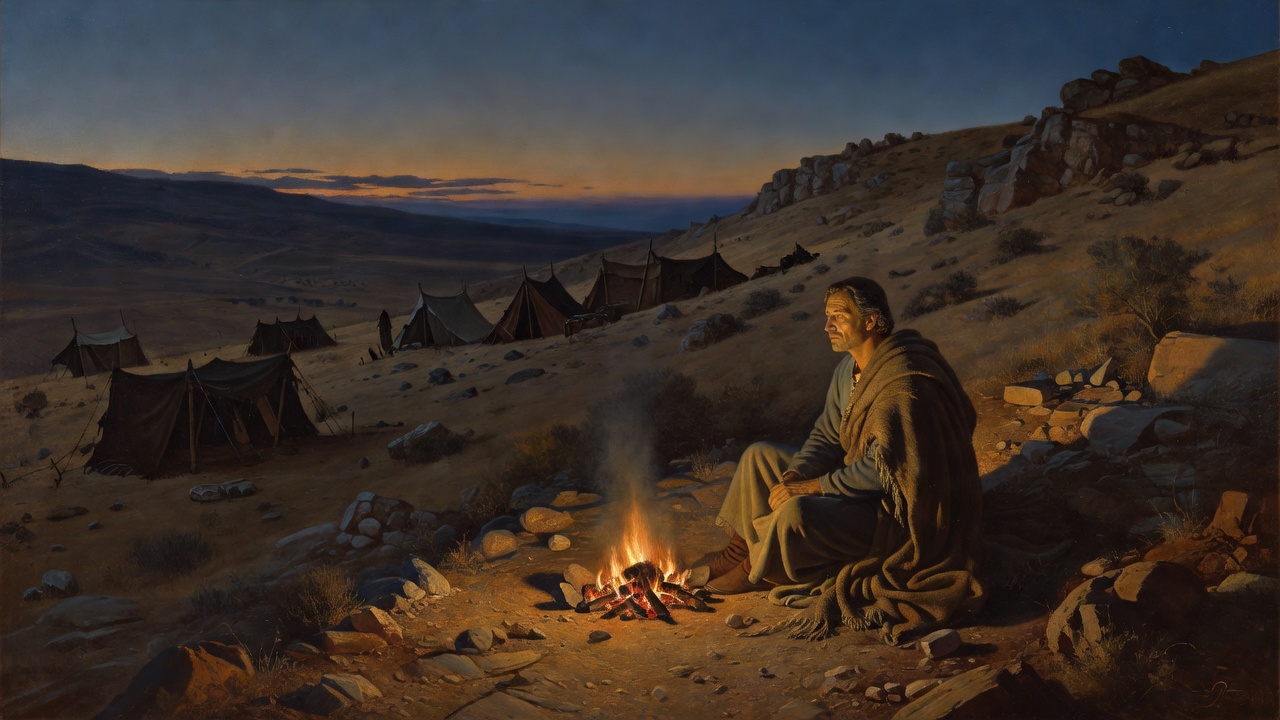
- O salmista lamenta habitar em Meseque e entre as tendas de Quedar. Meseque associava-se a povos do norte perto dos mares Negro e Cáspio, enquanto Quedar referia-se a tribos nômades que viviam em tendas pretas no noroeste da Arábia; juntos, simbolizam terras distantes e estrangeiras, longe da comunidade de adoração.Fontes: Meshech · Kedar · o próprio texto bíblico
Notas escritas com auxílio de IA a partir de fontes abertas (Theographic Bible Metadata, CC BY-SA 4.0; Easton’s Bible Dictionary, domínio público) e revisadas antes de publicar.
Lugares deste capítulo
- Jerusalem · 31.777, 35.234 · versículo 1
- Kedar · 29.811, 39.868 · versículo 5
- Meshech · Hoje: about 200 km around Gordion · 39.655, 31.994 · versículo 5
Só aparecem lugares com identificação de alta confiança (90% ou mais segundo as fontes acadêmicas reunidas pelo OpenBible). Mapa da época: DARE (Digital Atlas of the Roman Empire), CC BY 4.0; mapa atual: © colaboradores do OpenStreetMap; lugares: OpenBible.info (CC BY 4.0).
Créditos e licença desta tradução
Habo nalolene bi gahenge lo winigo ogo
The Holy Bible with Deuterocanon in the Huli Language of Papua New Guinea
Buk Baibel long tokples Huli long Niugini
Copyright © 1983, 1991, 2002 Bible Society of Papua New Guinea
℗ Faith Comes by Hearing
Language: Huli
Translation by: Bible Society of Papua New Guinea
This translation is made available to you under the terms of the
Creative Commons Attribution-Noncommercial-No Derivatives license 4.0.
You may share and redistribute this Bible translation or extracts from it in any format, provided that:
You include the above copyright and source information.
You do not sell this work for a profit.
You do not change any of the words or punctuation of the Scriptures.
Pictures included with Scriptures and other documents on this site are licensed just for use with those Scriptures and documents.
For other uses, please contact the respective copyright owners.
2014-12-11
Fonte: http://png.bible/hui/ · eBible.org