Psalms 120
Habo nalolene bi gahenge lo winigo ogo · Tap a verse to see its cross-references.
Anduane Homogohondo, Biamogo bia, lalu bi lenego ogo
1I̱ha genda timbuni anda ibiyangi i̱na Anduane Homogo olarugola
ibugua i̱ biamogo biya.
2I̱na Anduane Homogohondo bi lalu,
Anduane Homogo-o agali ke̱ haga karume
i̱ mo hondo holigo i̱ biamogo bibe, larugoni.
3Ke̱ haga bu kamiru tíhondo Anduane Homogohanda agua bulubadabe.
Tí pani nalimulo aguaore ngulubadabe.
4Ibugua tí aminaga yandarerume nogoba halu
ira hedope halu tí delolebira.
5I̱ tí dege dombeneha kogoni Mesege dindibi Keda dindibi
wali agali ko biaga karu baba haradagua bidogoni.
6Agali maru wali agali bu karu baba mandagi habe manga haga karu
i̱ ti heba mandagi luore haabo haruda.
7I̱na mo palia holenenaga bi lalu koria
tigua wai bule dege manda biaga kagoni ndobe.
Did you know?
A Plea for Peace in Exile
- Psalm 120 opens the series of fifteen "songs of ascents", beginning with a personal cry for deliverance from deceitful speech and hostile surroundings.Sources: the Bible text itself
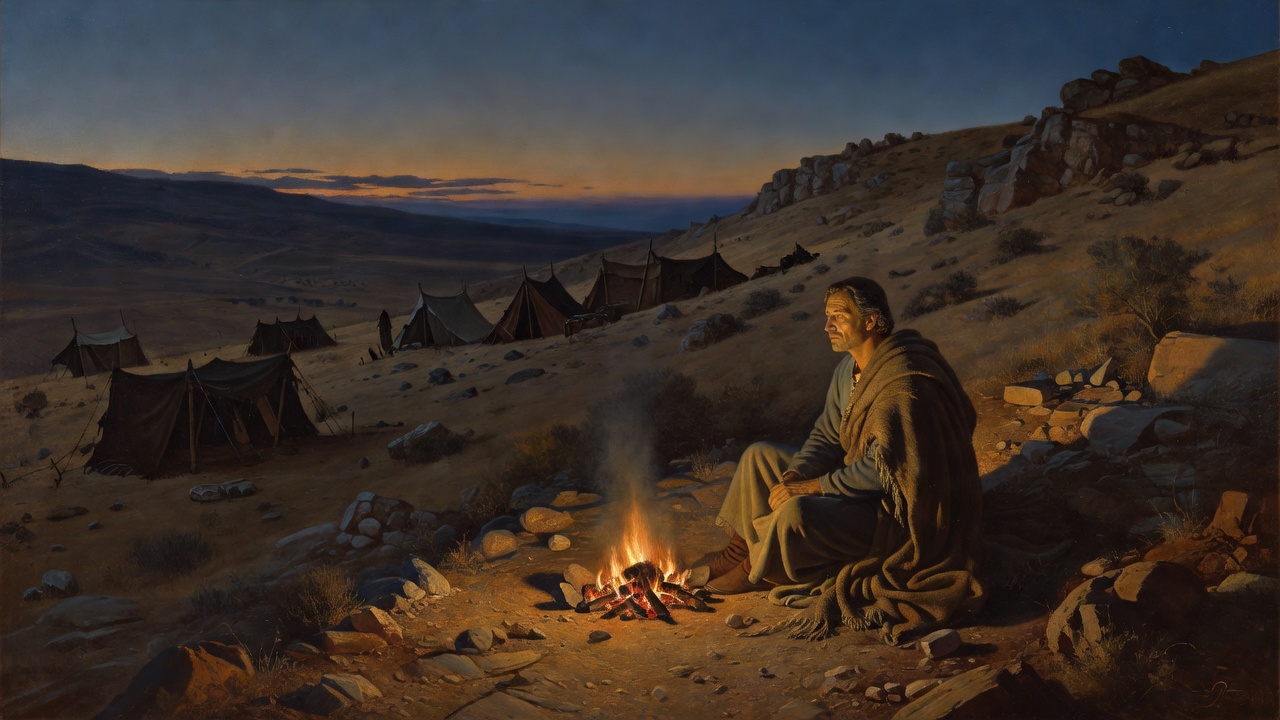
- The psalmist laments living in Meshech and among the tents of Kedar. Meshech was associated with northern peoples near the Black and Caspian Seas, while Kedar referred to nomadic tribes living in black tents in northwestern Arabia; together they symbolize distant, alien lands far from the community of worship.Sources: Meshech · Kedar · the Bible text itself
Notes written with AI assistance from open sources (Theographic Bible Metadata, CC BY-SA 4.0; Easton’s Bible Dictionary, public domain) and reviewed before publishing.
Places in this chapter
- Jerusalem · 31.777, 35.234 · verse 1
- Kedar · 29.811, 39.868 · verse 5
- Meshech · Today: about 200 km around Gordion · 39.655, 31.994 · verse 5
Only places identified with high confidence are shown (90% or more according to the scholarly sources compiled by OpenBible). Period map: DARE (Digital Atlas of the Roman Empire), CC BY 4.0; modern map: © OpenStreetMap contributors; places: OpenBible.info (CC BY 4.0).
Credits and license for this translation
Habo nalolene bi gahenge lo winigo ogo
The Holy Bible with Deuterocanon in the Huli Language of Papua New Guinea
Buk Baibel long tokples Huli long Niugini
Copyright © 1983, 1991, 2002 Bible Society of Papua New Guinea
℗ Faith Comes by Hearing
Language: Huli
Translation by: Bible Society of Papua New Guinea
This translation is made available to you under the terms of the
Creative Commons Attribution-Noncommercial-No Derivatives license 4.0.
You may share and redistribute this Bible translation or extracts from it in any format, provided that:
You include the above copyright and source information.
You do not sell this work for a profit.
You do not change any of the words or punctuation of the Scriptures.
Pictures included with Scriptures and other documents on this site are licensed just for use with those Scriptures and documents.
For other uses, please contact the respective copyright owners.
2014-12-11
Source: http://png.bible/hui/ · eBible.org