Josué 1
KAKAƗYARI NIUKIEYA XAPAYARI WIXARIKAKƗ · Toque num versículo para ver as referências cruzadas.
Sobre este livro
Sobre Josué
- O Dicionário Bíblico de Easton (1897) explica o nome de Josué como "Jeová é o seu auxílio" ou "Jeová, o Salvador". Ele era filho de Num, da tribo de Efraim, nascido no Egito, e sucessor de Moisés na liderança de Israel; as guerras de conquista que conduziu estão registradas no livro que leva o seu nome. Esse verbete não indica o autor do livro nem apresenta uma data para a sua composição.Fontes: Easton: Joshua · Joshua
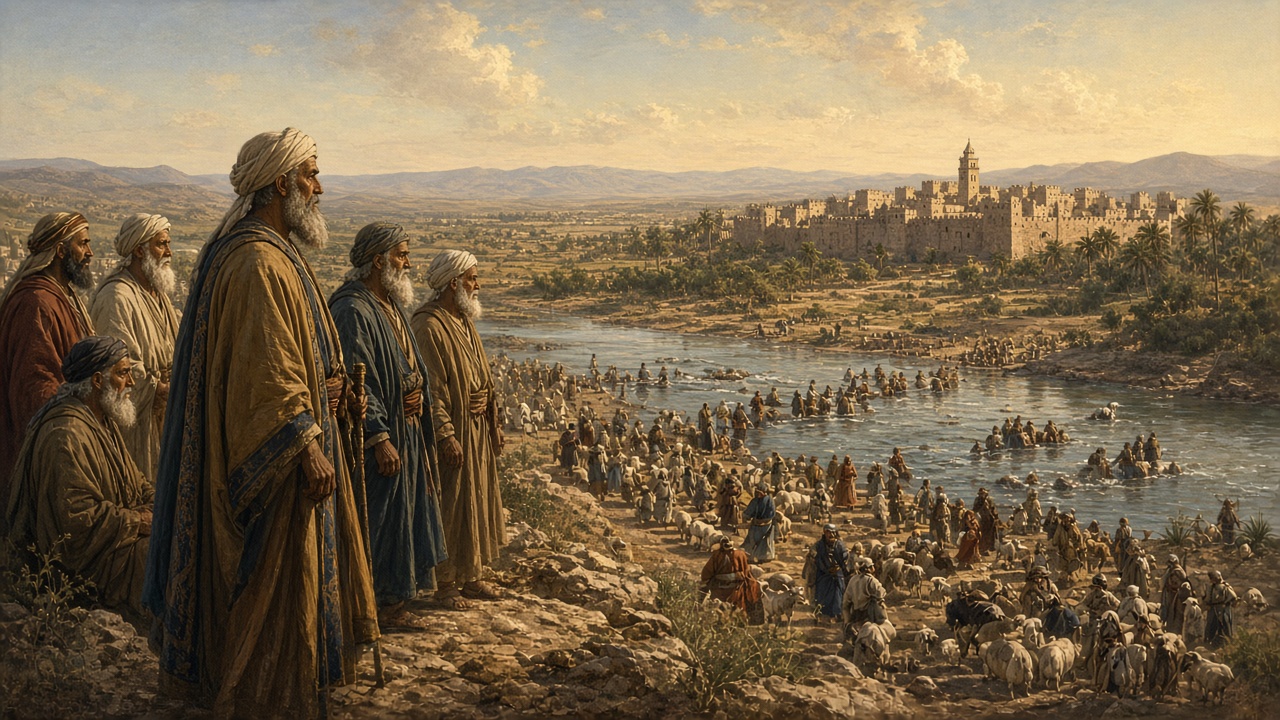
- Quando Josué assumiu o comando, o povo estava acampado em Sitim. Atravessaram o Jordão e acamparam em Gilgal, onde, segundo Easton, ele circuncidou o povo e celebrou a Páscoa. Jericó, cidade fortificada entre palmeiras, cerca de cinco milhas a oeste do Jordão, é descrita como a fortaleza mais forte de Canaã e a chave da Palestina ocidental; Ai, a leste de Betel, foi a segunda cidade cananeia tomada, depois de uma derrota inicial.Fontes: Easton: Joshua · Jericho · Ai
- O Dicionário Bíblico de Easton (1897) afirma que Josué conquistou seis nações e trinta e um reis e depois repartiu a terra entre as tribos, ficando Timnate-Sera, no monte Efraim, como a sua própria herança. A leste do Jordão, Gileade é descrita como uma região montanhosa ocupada pelas tribos de Gade e Rúben e pela parte sul de Manassés.Fontes: Easton: Joshua · Gilead
- Citando Edersheim, o dicionário diz que o nome de Josué foi mudado de Oshea, "ajuda", para Jehoshua, "Jeová é ajuda", e observa que ele é chamado Jesus em Atos 7:45 e Hebreus 4:8. Afirma que ele morreu aos cento e dez anos, vinte e cinco anos depois de atravessar o Jordão, e foi sepultado na sua própria cidade, Timnate-Sera; de seu pai, Num, nada mais se registra além de que era o pai de Josué.Fontes: Easton: Joshua · Joshua · Nun
- Antes de liderar a conquista, Josué comandou o exército de Israel contra os amalequitas em Refidim, serviu como ministro de Moisés e foi um dos doze enviados a explorar Canaã; só ele e Calebe trouxeram um relatório encorajador. Como Easton descreve o livro, ele vai da travessia do Jordão e da tomada de Jericó, passando por anos de guerra, até a divisão da terra e o último discurso de Josué.Fontes: Easton: Joshua
Notas escritas com auxílio de IA a partir de fontes abertas (Theographic Bible Metadata, CC BY-SA 4.0; Easton’s Bible Dictionary, domínio público) e revisadas antes de publicar.
Yawé Kutsuhexi kemɨtiuta'aitɨa
1'Arike Muitsexi 'umɨku Yawé ti'uximayatsiriwame, Kakaɨyari Kutsuhexi mɨpaɨ katiniutahɨawe Nuni nu'aya, Muitsexi mɨparewiekai: 2«Nemɨti'aitɨakai Muitsexi kaniumɨni. 'Ayumieme 'ekɨ meta yunaitɨ 'ikɨ teɨteri mekaniyukuha'aritɨakuni memanukɨnekɨ haa Kurutanitsie, meta xemeutahaxɨanikɨ nemɨxeyetuirienitsie kwie xeme 'ixaheritsixi. 3Yaxeikɨa kenemɨrehɨawekai Muitsexi, ne nepɨxeyetuirieni naime kemɨ'ane mana xemu'uwanikɨ. 4Xekwie 'apɨtayeure, makumawetsie Riwanu paitɨ ye'atɨkaitɨ, meta haa manuyehanetsie paitɨ 'Eupɨrate, hetitsixi wakwietsie, tau makayuyuipike hepatsie haramara Meritexaniyu paitɨ ye'atukaitɨ kanayeimɨkɨ. 5Kepaɨmexɨa tukari pemuyeikani xewitɨ pɨkayɨweni matsi'a'iwanikɨ. Mɨpaɨ kenemɨtiuyeikakai Muitsexi hamatɨa yaxeikɨata 'ahamatɨa nepɨtiuyeikani, nepɨkamatsinutuita nepɨkamatsiku'eirieni.
6»Kenetɨrɨkaɨyeni meta pepɨkamaka, 'ekɨtsɨ pekatiniyurimɨkɨ 'ikɨ teɨteri wakwie mayani nemɨwaxatɨakai watutsima. 7Xeikɨa nepɨmatsiwawirie waɨkawa kene'awaɨriyani kenetseɨyeni 'inɨari niukiyari naime pemaye'atɨanikɨ Muitsexi mɨmatsi'uta'utɨiri. Mɨkɨ pepɨka'iku'e'eiriwani ni'etsiwatɨma, mɨpaɨ xeikɨa pepɨyɨweni tsepa hakewa pemetɨa. 8Keneutiterɨwani yuheyemekɨ tsepa kepauka 'inɨari niukiyari maye'uxa, tukarikɨ tɨkarikɨ kɨmana kene'a'iyaritɨaka, naime kenaye'atɨa pe'akweriwayurietɨ kemɨre'uxa, mɨpaɨ tsepa kepemɨti'uximaya yapɨtiyɨni. 9Mɨpaɨ nekamatini'aitɨaka: Kenetɨrɨkaɨyeni ketinayu'iwani. Pepɨkamaka kene'awaɨriyani. Yawé 'akakaɨyari pɨmatsiteɨtani tsepa hakewa pemetɨa».
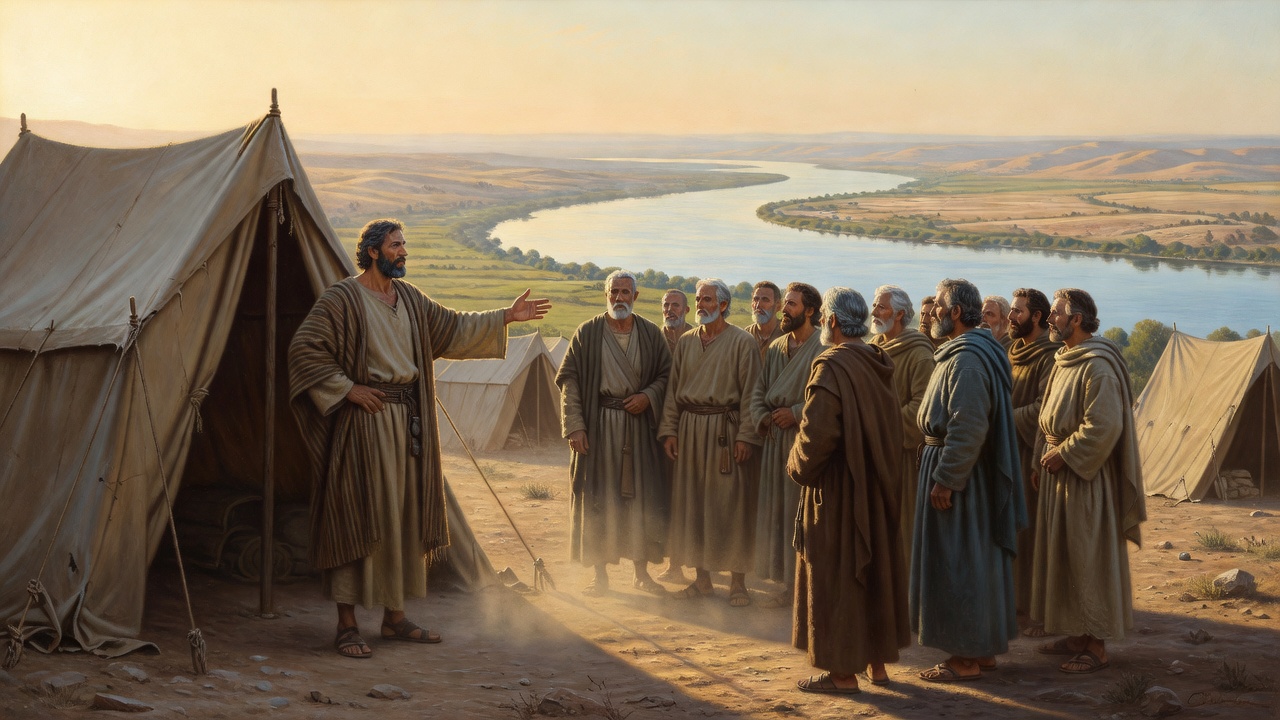
10Hikɨ Kutsuhexi mɨpaɨ katiniwaru'aitɨani 'ukirawetsixi teɨteri memɨhɨritɨarie: 11«Mɨpaɨ xeketeniwarukahɨawi yunaime 'ena memukutei meke'uyuka'inɨatɨaxɨani, haika tukari 'anukayayu Kurutanitsie tekaniukɨnikuni, kwietsie temɨ'axɨanikɨ Kakaɨyari Yawé mɨtatsiyetuirie tapiini mɨrayanikɨ».
12Xuweni nuiwarimama, Kahari xiɨyarimama meta Manatsexi xiɨyarimama hixɨata me'atɨ, Kutsuhexi mɨpaɨ katiniwarutahɨawe:
13―Xekenaye'eri kemainekai Muitsexi, Yawé ti'uximayatsiriwame: “Xekakaɨyari Yawé kanixe'uka'uxipitɨani kanixeyetuirieni 'ikɨ kwie”. 14Xe'ɨitama xeniwema xetewama mana mekaniu'uwakuni Muitsexi mɨxeyetuiritsie Kurutani 'aurie. Peru xeme kuyaxi 'ukitsi xekananukɨnikuni xe'anuyetetɨ yu'iwama wahɨxie. Xekaniwaparewikuni 15kepaukake Yawé mɨwaka'uxipitɨani xeme kemɨtixe'uka'uxipitɨa, kepaukake mɨkɨ kwie memɨ'axe Yawé takakaɨyari mɨwayetuiri. 'Anake xeme xepakunuaxɨani yukwietsie mana xemɨtitenikɨ. Mɨkɨ kwie kanihɨkɨtɨni Muitsexi Yawé ti'uximayatsiriwame mɨxeyetuirie hatuxame Kurutani 'anutaɨye mukuma tau manatineika hepatsie.
16Mɨkɨ mɨpaɨ Kutsuhexi mekateniuta'eiya:
―Tame yatepɨtekakɨne naimekɨ kepemaine, tame tepɨyehu tsepa hakewa pemɨtatsihetanɨ'a. 17Naimekɨ yatepɨtekakɨne, Muitsexi ketemɨteheu'eniekai. Tepiwawa xeikɨa Yawé 'ahamatɨa ke'uyeikani Muitsexi hamatɨa kemɨtiuyeikakai. 18Kemɨ'ane 'aniuki mɨka'anu'enieni, kemɨ'ane yamɨkatikayani kepemɨtita'aita kanimieriemɨkɨ. Peru 'ekɨ kenetɨrɨkaɨyeni pepɨkamaka.
Você sabia?
Josué assume a liderança
- Josué, filho de Num e pertencente à tribo de Efraim, serviu como auxiliar e comandante militar de Moisés antes de ser designado para sucedê-lo como líder de Israel. Seu nome significa "o SENHOR é seu auxílio" ou "o SENHOR é o Salvador".Fontes: Joshua · o próprio texto bíblico
- O território descrito na incumbência de Josué estendia-se desde o deserto e a cordilheira do Líbano, ao norte, até o rio Eufrates ("o grande rio"), a leste, e o mar Mediterrâneo ("o grande mar"), a oeste.Fontes: o próprio texto bíblico · Lebanon · Euphrates · Great Sea
- As tribos de Rúben, Gade e a meia tribo de Manassés já haviam recebido terras a leste do Jordão sob a liderança de Moisés. Contudo, seus guerreiros armados tinham a obrigação de cruzar o rio à frente das outras tribos para ajudá-las até que toda a terra fosse conquistada.Fontes: o próprio texto bíblico · Manasseh (son of Joseph)
Notas escritas com auxílio de IA a partir de fontes abertas (Theographic Bible Metadata, CC BY-SA 4.0; Easton’s Bible Dictionary, domínio público) e revisadas antes de publicar.
Lugares deste capítulo
- Jordan · Hoje: Jordan River · 31.761, 35.558 · versículos 2, 11, 14, 15
- Euphrates · Hoje: Euphrates River · 31.004, 47.442 · versículo 4
- Great Sea · Hoje: Mediterranean Sea · 31.805, 34.170 · versículo 4
- Lebanon · 33.540, 35.584 · versículo 4
- Negeb · 31.245, 34.841 · versículo 4
- Syria · Hoje: Aram · 33.511, 36.306 · versículo 4
Só aparecem lugares com identificação de alta confiança (90% ou mais segundo as fontes acadêmicas reunidas pelo OpenBible). Mapa da época: DARE (Digital Atlas of the Roman Empire), CC BY 4.0; mapa atual: © colaboradores do OpenStreetMap; lugares: OpenBible.info (CC BY 4.0).
Créditos e licença desta tradução
KAKAƗYARI NIUKIEYA XAPAYARI WIXARIKAKƗ
The Holy Bible in the in Huichol language of Mexico, 2020 edition
La Santa Biblia en lengua huichol de México, edición 2020
copyright © 2020 Wycliffe Bible Translators, Inc.
Language: Huichol
Translation by: Wycliffe Bible Translators, Inc.
Huichol [hch], Mexico
Copyright Information
© 1988-2020, Wycliffe Bible Translators, Inc.
This translation text is made available to you under the
terms of the Creative Commons License: Attribution-Noncommercial-No Derivative Works.
( http://creativecommons.org/licenses/by-nc-nd/3.0/ )
In addition, you have permission to port the text to different file formats, as long as you
do not change any of the text or punctuation of the Bible.
You may share, copy, distribute, transmit, and extract portions
or quotations from this work, provided that you include the above copyright
information:
You must give Attribution to the work.
You do not sell this work for a profit.
You do not make any derivative works that change any of the actual words or punctuation of the Scriptures.
Permissions beyond the scope of this license may be
available if you contact
us with your request.
The Holy Bible
in Huichol
© 1988-2020, Wycliffe Bible Translators, Inc.
This translation is made available to you under the terms of the
Creative Commons Attribution-Noncommercial-No Derivatives license 4.0.
You may share and redistribute this Bible translation or extracts from it in any format, provided that:
You include the above copyright and source information.
You do not sell this work for a profit.
You do not change any of the words or punctuation of the Scriptures.
Pictures included with Scriptures and other documents on this site are licensed just for use with those Scriptures and documents.
For other uses, please contact the respective copyright owners.
2025-09-03
Fonte: http://ebible.org/hch/ · eBible.org