Josué 1
KAKAƗYARI NIUKIEYA XAPAYARI WIXARIKAKƗ · Toca un versículo para ver sus referencias cruzadas.
Acerca de este libro
Acerca de Josué
- El Diccionario Bíblico de Easton (1897) explica el nombre de Josué como "Jehová es su ayuda" o "Jehová el Salvador". Era hijo de Nun, de la tribu de Efraín, nacido en Egipto, y sucesor de Moisés como líder de Israel; las guerras de conquista que dirigió quedan registradas en el libro que lleva su nombre. Ese artículo no nombra al autor del libro ni da una fecha para su composición.Fuentes: Easton: Joshua · Joshua
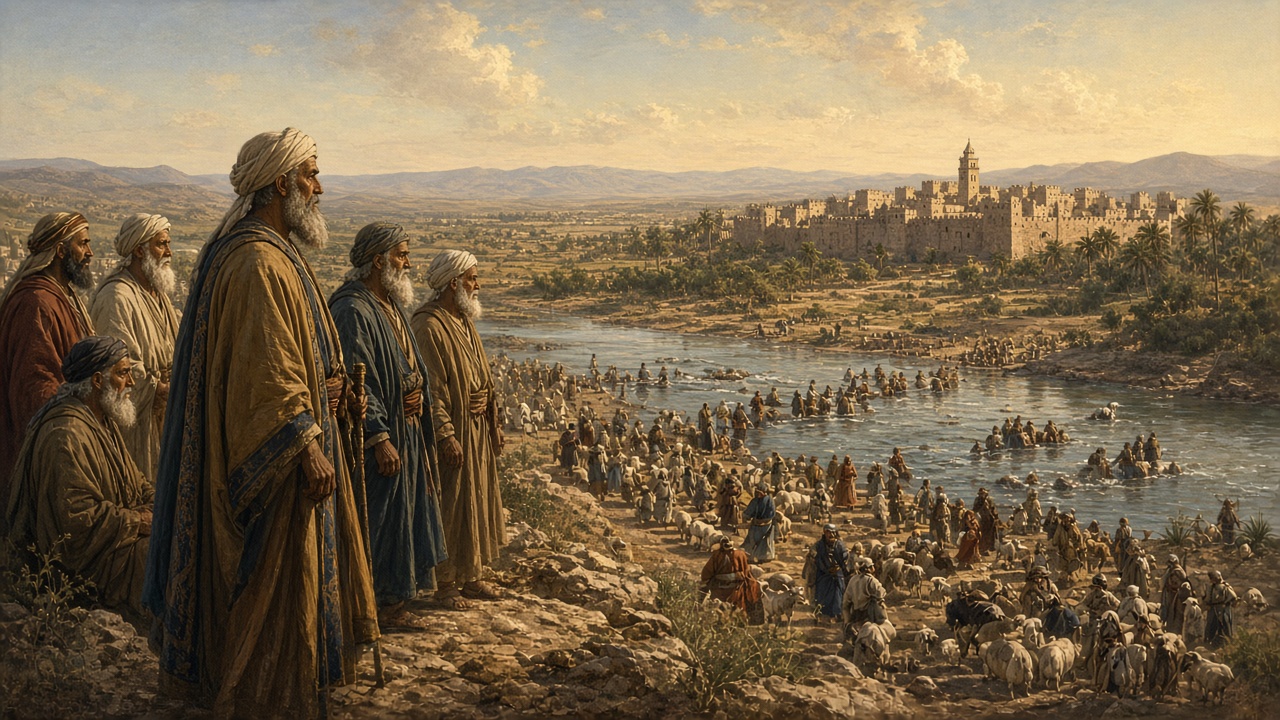
- Cuando Josué asumió el mando, el pueblo estaba acampado en Sitim. Cruzaron el Jordán y acamparon en Gilgal, donde, según Easton, circuncidó al pueblo y celebró la Pascua. Jericó, ciudad fortificada entre palmeras, a unas cinco millas al oeste del Jordán, se describe como la fortaleza más fuerte de Canaán y la llave de la Palestina occidental; Hai, al este de Betel, fue la segunda ciudad cananea tomada, después de una derrota inicial.Fuentes: Easton: Joshua · Jericho · Ai
- El Diccionario Bíblico de Easton (1897) dice que Josué conquistó seis naciones y treinta y un reyes, y luego repartió la tierra entre las tribus, quedándose Timnat-sera, en el monte Efraín, como herencia propia. Al este del Jordán, Galaad se describe como una región montañosa ocupada por las tribus de Gad y Rubén y por la parte sur de Manasés.Fuentes: Easton: Joshua · Gilead
- Citando a Edersheim, el diccionario dice que el nombre de Josué fue cambiado de Oshea, "ayuda", a Jehoshua, "Jehová es ayuda", y señala que se le llama Jesús en Hechos 7:45 y Hebreos 4:8. Afirma que murió a los ciento diez años, veinticinco años después de cruzar el Jordán, y que fue sepultado en su propia ciudad, Timnat-sera; de su padre, Nun, no se registra nada más que el hecho de que era el padre de Josué.Fuentes: Easton: Joshua · Joshua · Nun
- Antes de dirigir la conquista, Josué comandó el ejército de Israel contra los amalecitas en Refidim, sirvió como ministro de Moisés y fue uno de los doce enviados a explorar Canaán; solo él y Caleb trajeron un informe alentador. Tal como Easton describe el libro, este va desde el cruce del Jordán y la toma de Jericó, a través de años de guerra, hasta el reparto de la tierra y el último discurso de Josué.Fuentes: Easton: Joshua
Notas escritas con ayuda de IA a partir de fuentes abiertas (Theographic Bible Metadata, CC BY-SA 4.0; Easton’s Bible Dictionary, dominio público) y revisadas antes de publicarse.
Yawé Kutsuhexi kemɨtiuta'aitɨa
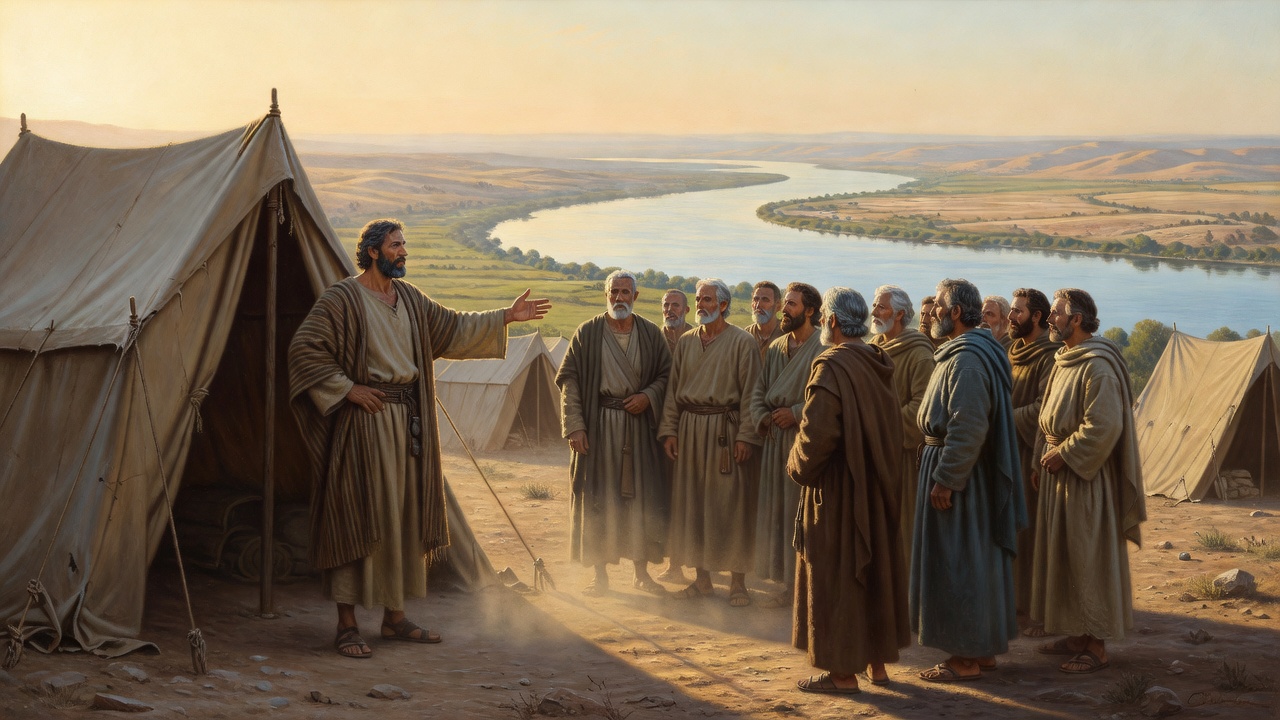
1'Arike Muitsexi 'umɨku Yawé ti'uximayatsiriwame, Kakaɨyari Kutsuhexi mɨpaɨ katiniutahɨawe Nuni nu'aya, Muitsexi mɨparewiekai: 2«Nemɨti'aitɨakai Muitsexi kaniumɨni. 'Ayumieme 'ekɨ meta yunaitɨ 'ikɨ teɨteri mekaniyukuha'aritɨakuni memanukɨnekɨ haa Kurutanitsie, meta xemeutahaxɨanikɨ nemɨxeyetuirienitsie kwie xeme 'ixaheritsixi. 3Yaxeikɨa kenemɨrehɨawekai Muitsexi, ne nepɨxeyetuirieni naime kemɨ'ane mana xemu'uwanikɨ. 4Xekwie 'apɨtayeure, makumawetsie Riwanu paitɨ ye'atɨkaitɨ, meta haa manuyehanetsie paitɨ 'Eupɨrate, hetitsixi wakwietsie, tau makayuyuipike hepatsie haramara Meritexaniyu paitɨ ye'atukaitɨ kanayeimɨkɨ. 5Kepaɨmexɨa tukari pemuyeikani xewitɨ pɨkayɨweni matsi'a'iwanikɨ. Mɨpaɨ kenemɨtiuyeikakai Muitsexi hamatɨa yaxeikɨata 'ahamatɨa nepɨtiuyeikani, nepɨkamatsinutuita nepɨkamatsiku'eirieni.
6»Kenetɨrɨkaɨyeni meta pepɨkamaka, 'ekɨtsɨ pekatiniyurimɨkɨ 'ikɨ teɨteri wakwie mayani nemɨwaxatɨakai watutsima. 7Xeikɨa nepɨmatsiwawirie waɨkawa kene'awaɨriyani kenetseɨyeni 'inɨari niukiyari naime pemaye'atɨanikɨ Muitsexi mɨmatsi'uta'utɨiri. Mɨkɨ pepɨka'iku'e'eiriwani ni'etsiwatɨma, mɨpaɨ xeikɨa pepɨyɨweni tsepa hakewa pemetɨa. 8Keneutiterɨwani yuheyemekɨ tsepa kepauka 'inɨari niukiyari maye'uxa, tukarikɨ tɨkarikɨ kɨmana kene'a'iyaritɨaka, naime kenaye'atɨa pe'akweriwayurietɨ kemɨre'uxa, mɨpaɨ tsepa kepemɨti'uximaya yapɨtiyɨni. 9Mɨpaɨ nekamatini'aitɨaka: Kenetɨrɨkaɨyeni ketinayu'iwani. Pepɨkamaka kene'awaɨriyani. Yawé 'akakaɨyari pɨmatsiteɨtani tsepa hakewa pemetɨa».
10Hikɨ Kutsuhexi mɨpaɨ katiniwaru'aitɨani 'ukirawetsixi teɨteri memɨhɨritɨarie: 11«Mɨpaɨ xeketeniwarukahɨawi yunaime 'ena memukutei meke'uyuka'inɨatɨaxɨani, haika tukari 'anukayayu Kurutanitsie tekaniukɨnikuni, kwietsie temɨ'axɨanikɨ Kakaɨyari Yawé mɨtatsiyetuirie tapiini mɨrayanikɨ».
12Xuweni nuiwarimama, Kahari xiɨyarimama meta Manatsexi xiɨyarimama hixɨata me'atɨ, Kutsuhexi mɨpaɨ katiniwarutahɨawe:
13―Xekenaye'eri kemainekai Muitsexi, Yawé ti'uximayatsiriwame: “Xekakaɨyari Yawé kanixe'uka'uxipitɨani kanixeyetuirieni 'ikɨ kwie”. 14Xe'ɨitama xeniwema xetewama mana mekaniu'uwakuni Muitsexi mɨxeyetuiritsie Kurutani 'aurie. Peru xeme kuyaxi 'ukitsi xekananukɨnikuni xe'anuyetetɨ yu'iwama wahɨxie. Xekaniwaparewikuni 15kepaukake Yawé mɨwaka'uxipitɨani xeme kemɨtixe'uka'uxipitɨa, kepaukake mɨkɨ kwie memɨ'axe Yawé takakaɨyari mɨwayetuiri. 'Anake xeme xepakunuaxɨani yukwietsie mana xemɨtitenikɨ. Mɨkɨ kwie kanihɨkɨtɨni Muitsexi Yawé ti'uximayatsiriwame mɨxeyetuirie hatuxame Kurutani 'anutaɨye mukuma tau manatineika hepatsie.
16Mɨkɨ mɨpaɨ Kutsuhexi mekateniuta'eiya:
―Tame yatepɨtekakɨne naimekɨ kepemaine, tame tepɨyehu tsepa hakewa pemɨtatsihetanɨ'a. 17Naimekɨ yatepɨtekakɨne, Muitsexi ketemɨteheu'eniekai. Tepiwawa xeikɨa Yawé 'ahamatɨa ke'uyeikani Muitsexi hamatɨa kemɨtiuyeikakai. 18Kemɨ'ane 'aniuki mɨka'anu'enieni, kemɨ'ane yamɨkatikayani kepemɨtita'aita kanimieriemɨkɨ. Peru 'ekɨ kenetɨrɨkaɨyeni pepɨkamaka.
¿Sabías que…?
Josué asume el liderazgo
- Josué, hijo de Nun y de la tribu de Efraín, sirvió como asistente y comandante militar de Moisés antes de ser designado para sucederlo como líder de Israel. Su nombre significa "el Señor es su ayuda" o "el Señor el Salvador".Fuentes: Joshua · el propio texto bíblico
- El territorio descrito en el encargo a Josué abarcaba desde el desierto y la cordillera del Líbano, al norte, hasta el río Éufrates ("el gran río"), al este, y el mar Mediterráneo ("el gran mar"), al oeste.Fuentes: el propio texto bíblico · Lebanon · Euphrates · Great Sea
- Las tribos de Rubén, Gad y la media tribu de Manasés ya habían recibido tierras al este del río Jordán bajo el mando de Moisés. Aun así, sus hombres de guerra debían cruzar armados delante de las demás tribus para ayudarlas hasta asegurar toda la tierra.Fuentes: el propio texto bíblico · Manasseh (son of Joseph)
Notas escritas con ayuda de IA a partir de fuentes abiertas (Theographic Bible Metadata, CC BY-SA 4.0; Easton’s Bible Dictionary, dominio público) y revisadas antes de publicarse.
Lugares de este capítulo
- Jordan · Hoy: Jordan River · 31.761, 35.558 · versículos 2, 11, 14, 15
- Euphrates · Hoy: Euphrates River · 31.004, 47.442 · versículo 4
- Great Sea · Hoy: Mediterranean Sea · 31.805, 34.170 · versículo 4
- Lebanon · 33.540, 35.584 · versículo 4
- Negeb · 31.245, 34.841 · versículo 4
- Syria · Hoy: Aram · 33.511, 36.306 · versículo 4
Solo aparecen lugares identificados con alta confianza (90 % o más según las fuentes académicas reunidas por OpenBible). Mapa de la época: DARE (Digital Atlas of the Roman Empire), CC BY 4.0; mapa actual: © colaboradores de OpenStreetMap; lugares: OpenBible.info (CC BY 4.0).
Créditos y licencia de esta traducción
KAKAƗYARI NIUKIEYA XAPAYARI WIXARIKAKƗ
The Holy Bible in the in Huichol language of Mexico, 2020 edition
La Santa Biblia en lengua huichol de México, edición 2020
copyright © 2020 Wycliffe Bible Translators, Inc.
Language: Huichol
Translation by: Wycliffe Bible Translators, Inc.
Huichol [hch], Mexico
Copyright Information
© 1988-2020, Wycliffe Bible Translators, Inc.
This translation text is made available to you under the
terms of the Creative Commons License: Attribution-Noncommercial-No Derivative Works.
( http://creativecommons.org/licenses/by-nc-nd/3.0/ )
In addition, you have permission to port the text to different file formats, as long as you
do not change any of the text or punctuation of the Bible.
You may share, copy, distribute, transmit, and extract portions
or quotations from this work, provided that you include the above copyright
information:
You must give Attribution to the work.
You do not sell this work for a profit.
You do not make any derivative works that change any of the actual words or punctuation of the Scriptures.
Permissions beyond the scope of this license may be
available if you contact
us with your request.
The Holy Bible
in Huichol
© 1988-2020, Wycliffe Bible Translators, Inc.
This translation is made available to you under the terms of the
Creative Commons Attribution-Noncommercial-No Derivatives license 4.0.
You may share and redistribute this Bible translation or extracts from it in any format, provided that:
You include the above copyright and source information.
You do not sell this work for a profit.
You do not change any of the words or punctuation of the Scriptures.
Pictures included with Scriptures and other documents on this site are licensed just for use with those Scriptures and documents.
For other uses, please contact the respective copyright owners.
2025-09-03
Fuente: http://ebible.org/hch/ · eBible.org