Êxodo 1
God Nuye Kunwok · Toque num versículo para ver as referências cruzadas.
Sobre este livro
Sobre Êxodo
- O Easton's Bible Dictionary (1897) data a saída de Israel do Egito em cerca de 1490 a.C., quatrocentos e oitenta anos antes da construção do templo de Salomão. A duração da permanência é disputada: Êxodo 12:40 fala em quatrocentos e trinta anos, Gênesis 15 em cerca de quatrocentos, e as versões grega e samaritana incluem também os anos em Canaã, de modo que alguns contam apenas duzentos e quinze anos no Egito.Fontes: Easton: Exodus
- O Easton's Bible Dictionary (1897) não nomeia o autor de Êxodo. O verbete sobre Moisés diz que Jacó e seus filhos desceram ao Egito, provavelmente uns trezentos e cinquenta anos antes do nascimento de Moisés, e que um rei hicso, de um povo semita pastoril da Ásia que então dominava o Egito, os estabeleceu em Gósen. Moisés passou depois quarenta anos em Midiã, onde esse povo apascentava rebanhos na península do Sinai, e tornou-se genro de Jetro, sacerdote de Midiã.Fontes: Moses · Easton: Exodus · Midian · Jethro
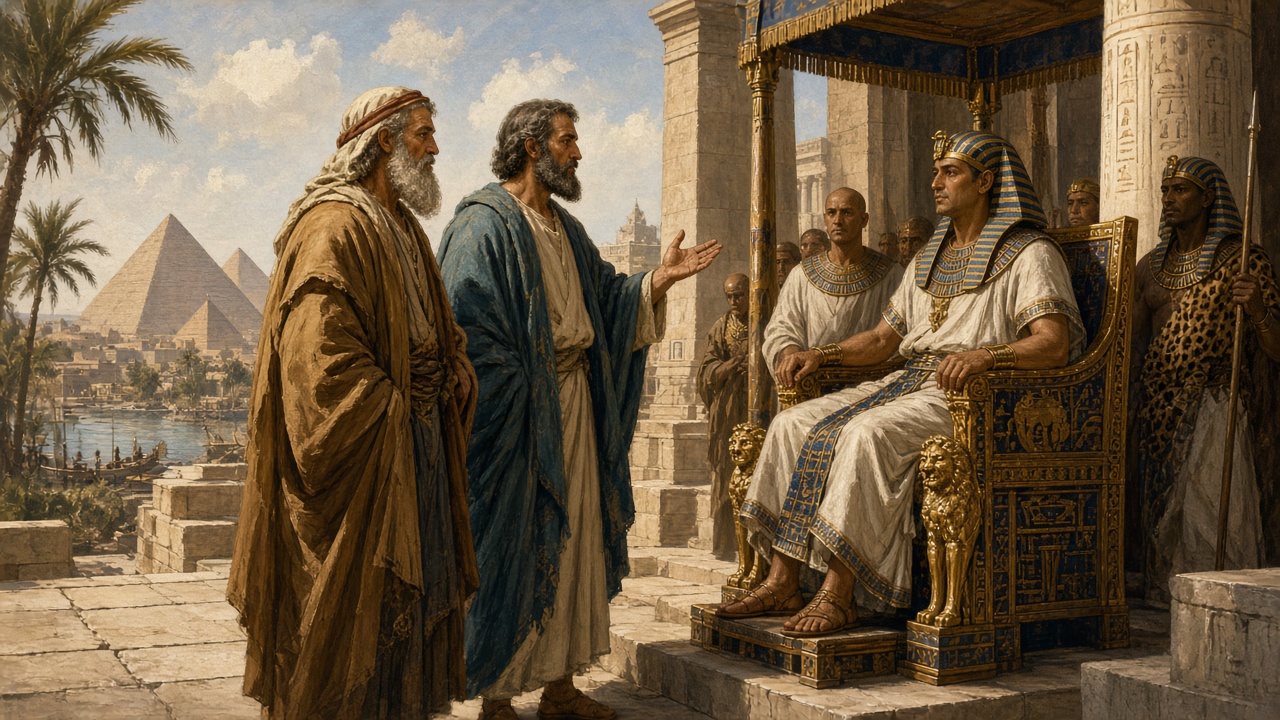
- Também se discute quem era o faraó na época da saída. O Easton's Bible Dictionary (1897) o identifica provavelmente com Menephtah I, o décimo quarto e o mais velho dos filhos sobreviventes de Rameses II, que residia em Zoan e ali se encontrou com Moisés e Arão, mas observa que alguns preferem Seti II, cujo reinado começou em paz e terminou num desastre repentino.Fontes: Pharaoh (of the Exodus)
- As pragas, escreve Easton, afrouxaram o domínio do faraó, e a Páscoa foi instituída como memorial perpétuo, com o sangue do cordeiro aspergido nos umbrais. No terceiro mês o povo chegou ao monte Sinai, também chamado Horebe, a cerca de cento e cinquenta milhas do mar Vermelho, e acampou ali cerca de um ano. Os últimos vinte e dois capítulos de Êxodo registram essa estada, inclusive o tabernáculo, cujo Lugar Santo não tinha abertura para a luz do dia e era iluminado só pelo castiçal de ouro.Fontes: Easton: Exodus · Mount Sinai · Holy Place
- Arão, filho mais velho de Anrão e Joquebede, nasceu no Egito três anos antes de Moisés e foi enviado ao encontro do irmão para que os dois trabalhassem juntos. Em Refidim, Josué, também nascido no Egito, comandou os combatentes de Israel quando os amalequitas, povo pastoril que vivia entre o mar Morto e o mar Vermelho, tentaram barrar-lhes o caminho.Fontes: Aaron · Joshua · Amalek
Notas escritas com auxílio de IA a partir de fontes abertas (Theographic Bible Metadata, CC BY-SA 4.0; Easton’s Bible Dictionary, domínio público) e revisadas antes de publicar.
Bininj Nawu Israel Benkebmawahmeng
Exodus 1:1-7
1Kunkare wanjh nakudji bininj ni nawu kunngey bokenh ngeyyoy. Kaluk Israel dja Jacob kunngey bokenh nuye. Nungka dja nawu bebeywurd nuye birridjarrkwam kore Egypt. Kaluk bedda wanjh birringeyyoy Reuben, Simeon, Levi dja Judah, Isaachar, Zebulun, dja Benjamin, Dan dja Naphtali, Gad dja Asher. Dja mak bedda bindidbebbehkang ngalbihbininjkobeng dja wurdwurd bedberre nawu bedman birridjarrkyoy. Bedda rowk nawu Jacob nungka benbornang dja nawu benkebmawahmeng rowk, wanjh seventy ni. Dja mak nabuyika beywurd nuye Israel nawu ngeyyoy Joseph, nungka wanjh ngokko yingkihni kore Egypt. 6Kaluk yerrekah wanjh Joseph doweng, dja nawu birridanginj nuye birridowerrinj rowk. Dja mak bininj nawu birridjarrkdabborrabbolkni wanjh birridoweng rowk. 7Kaluk binihbininj nawu Israel benkebmawahmeng, bedda wanjh bindikarrmi birriwern wurdwurd. Birriwern duninjh wurdyaw birriyawmahyawmarrinj, birrimirndewernmerrinj, birribalmirndekimukminj kore kumekbe birrihdi kubolkwarlah Egypt.
Pharaoh Benmarnekarrerayekwong Bininj Nawu Israel Benkebmawahmeng
Exodus 1:8-14
8Kaluk yerrekah wanjh nakerrnge king wanjh dedjdjingmey wohrnani kumekbe kubolkwarlah Egypt. Bedda birringeybom nawu Pharaoh. Kaluk nungka minj biwobekkayi nawu Joseph. 9Wanjh Pharaoh benmarneyimeng bedberre nungka nuyeni bininj nawu birriredboni, yimeng, “Kandibekka. Ngurrina nanih bininj nawu Israel benkebmawahmeng, wanjh bedda birrimirndewernminj dja birringudjkimukminj, wardi kunubewu kandingudjyurrhke kadberre. 10Dja baleh nuk ngad kandiyimowon? Kab karrbenmarneyingkihkarremarnbu, wardi kabirrimirndewernmerren munguyh dja bu bininj kabirrimre kandibunkenh, bedda nawu Israel benkebmawahmeng kaluk kabirriraworren nawu kandiwidnan, kandibun kadberre dja mak kabirrire kubolkbubuyika, kabirribolkbawon kubolkwarlahkenh kadberre.” Kumekbe bu Pharaoh benmarneyimeng nuye bininj.
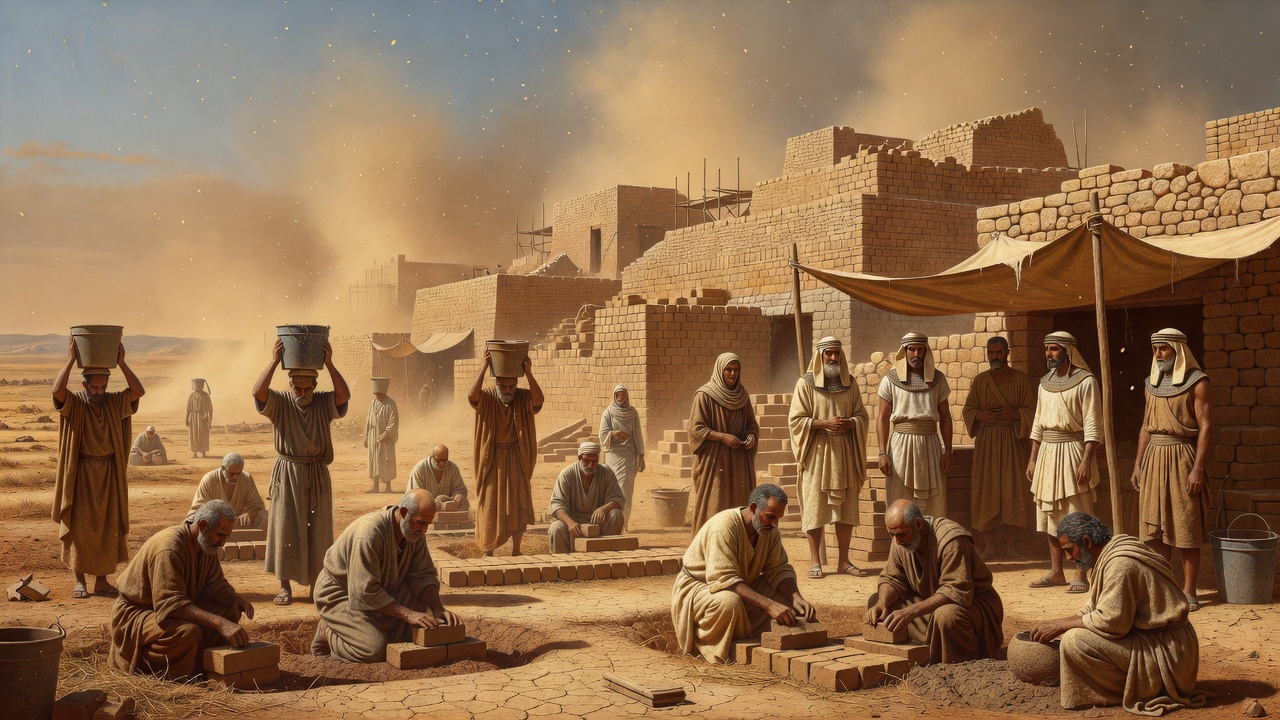
11Kumekbekenh kunu wanjh bindikurrmeng bininj nawu bindidjurrkkani bindimarnbuni bininj nawu Israel benkebmawahmeng bu birridjaldurrkmirri bedberre munguyh, ba bu birrikangedombuyhweyi bu kundulmuk duninjh birringorrkani bedberre. Wanjh bininj nawu Israel benkebmawahmeng birrimarnerurrkmarnbom manrurrkwern manbu Pharaoh nuye kore nungka karehkarekurrmi yehyeng nuye. Kaluk benebolkngeyyoy Pithom dja Ramses. 12Bininj nawu Egyptbeh wanjh bindiwarrewoni nawu Israel benkebmawahmeng. Dja bonj, djal djamku kuhni bindimarnekurduyimi. Bu bindihdjaldjurrkkani kunrayek duninjh munguyh, wanjh bedda bininj nawu Israel benkebmawahmeng wanjh birridjalmirndewernmerreni munguyh dja birridjalkaberrkwernmerreni warridj. Wanjh nawu bininj birrikang Egypt kaluk bindikengemi bedda nawu Israel benkebmawahmeng dja mak bindiwarreweyi bu bindimarneyimi bedberre.
13Wanjh kunmekbekenh kunu birrimekbe bininj nawu birrikang Egypt bindimarnbuni bininj nawu Israel benkebmawahmeng bu birridjaldurrkmirri bedberre bulkkidj duninjh. 14Bindimarnbom bindimarnedurrkmirri kore kunrurrkkenh birrimangi birrimarnbuni brick dja tar, dja mak kunbubuyika birrihdurrkmirri kore dudjihdudjindi manu manmekenh. Kaluk bedda nawu bininj birrikang Egypt wanjh birrimimkongiyakni bedberre bininj nawu Israel benkebmawahmeng. Bindidjaldjurrkkani munguyh, dja mak bindidjalnjilngwarrewoni munguyh.
Pharaoh Djareminj Kabenbun Nawu Wurdwurd Narahrangem
Exodus 1:15-22
15Wanjh nawu Hebrew daluk, wanjh ngalbihbininjkobeng bedberre bininj nawu Israel benkebmawahmeng, wanjh bu bedda wurdyaw bindimarneyawdangeni wanjh daluk bokenh bindibidyikarrmi. Bedda benengeyyoy Shiphrah dja Puah. Kaluk wanjh Pharaoh benbenemarneyimeng benemekbe daluk, yimeng berrewoneng, 16“Bu ngurrbenbidyikarrme nawu Hebrew daluk bu wurdyaw karrangen, dja bu ngunenan narangem, wanjh nguneyawbu, dja bu ngaldaluk, wanjh bonj, nguneyawbawo karrarrkid.” 17Dja bedda nawu daluk bokenh wanjh benekengemi God, wanjh minj benekurduyimeninj nawu king benbenewokrayekwong, dja bindidjaldarrkidbawoni narahrangem rowk. 18Kaluk kunmekbekenh kunu nungka king nawu wohrnani kore Egypt benbenekayhmeng bedda nawu daluk bokenh, dja yimeng berrewoneng, “Njalekah kunih bu ngunekurduyimeng, dja narahrangem ngurrbendarrkidbawong?” 19Bedda nawu daluk bokenh benemarneyimeng Pharaoh, beneyimeng, “Ngad yimankek kunmekbe nganekurduyimeninj. Dja nawu Hebrew daluk minj kabirrirohrok nawu daluk birrikang Egypt, dja bedda nawu Hebrew daluk wanjh birringudjmak dja mak werrkwerrk kayawdangen bedberre, bu minj ngad nganebangmebolkmang bu ngarrbenbidyikarrmekenh.” Kuhni bu benemarneyimeng nawu king.
20Bu kunmekbe benekurduyimeng benemekbe daluk bokenh, wanjh God kunmak benbenemarnekurduyimeng, dja bininj nawu Israel benkebmawahmeng wanjh birridjalmirndewernminj munguyh dja birribalmirndekimukminj duninjh. 21Dja God benbeneyawwong benemekbe daluk bokenh nawu bindibidyikarrmi birribuyika daluk bu wurdyaw benhbuni. Kunmekbe God benbenemarnekurduyimeng bu bedda benemarnekeleni nawu nungka God.
22Wanjh Pharaoh benwokrayekwong bedberre rowk nawu bininj nuye, nawu nungan birriredbo, yimeng, “Narahrangem rowk nawu kabindimarneyawdangen bedberre nawu Hebrew bininj dja daluk, wanjh ngudda ngurrbenyawburriwemen kore mankabo, dja ngaldahdaluk rowk wanjh ngurrbendjaldarrkidbawo.”
Você sabia?
O crescimento e a opressão de Israel no Egito
- O Dicionário Bíblico de Easton (1897) diz que os hebreus no Egito estiveram sob a proteção de José por cerca de setenta anos e que, após a morte dele, a situação deles mudou apenas aos poucos. O verbete observa que, em geral, se supunha que o novo rei que não conhecia José fosse Aahmes I, a quem Josefo chama de Amosis, embora descobertas daquela época levassem o dicionário a concluir que se tratava de Seti, depois que os hicsos foram expulsos e a dinastia anterior foi restaurada.Fontes: Pharaoh · o próprio texto bíblico
- Sujeitos a trabalhos forçados, os israelitas construíram Pitom e Ramessés como cidades-armazéns para o faraó. O Dicionário Bíblico de Easton (1897) explica Pitom como o egípcio Pa-Tum, 'casa de Tum', o deus-sol, e a chama de cidade-tesouro construída para o faraó Ramessés II; identifica o local com Tell-el-Maskhuta, onde em 1883 foram relatadas ruínas de supostos celeiros.Fontes: Pithom · Raamses · o próprio texto bíblico
- O faraó ordenou então que todo filho nascido dos hebreus fosse lançado ao rio. O Dicionário Bíblico de Easton (1897) observa que o nome Nilo não aparece nas Escrituras; o Antigo Testamento chama esse rio de Sihor, 'a corrente negra', ou simplesmente 'o rio', como em Êxodo 1:22.Fontes: Nile · o próprio texto bíblico
Notas escritas com auxílio de IA a partir de fontes abertas (Theographic Bible Metadata, CC BY-SA 4.0; Easton’s Bible Dictionary, domínio público) e revisadas antes de publicar.
Lugares deste capítulo
- Egypt · 30.129, 31.308 · versículos 1, 5, 8, 15, 17, 18
- Nile · Hoje: Nile River · 31.465, 30.367 · versículo 22
Só aparecem lugares com identificação de alta confiança (90% ou mais segundo as fontes acadêmicas reunidas pelo OpenBible). Mapa da época: DARE (Digital Atlas of the Roman Empire), CC BY 4.0; mapa atual: © colaboradores do OpenStreetMap; lugares: OpenBible.info (CC BY 4.0).
Créditos e licença desta tradução
God Nuye Kunwok
The Holy Bible in the Kunwinjku language of Australia
copyright © 2018 Bible Society of Australia
Language: Kunwinjku (Gunwinggu)
This translation is made available to you under the terms of the
Creative Commons Attribution-Noncommercial-No Derivatives license 4.0.
You may share and redistribute this Bible translation or extracts from it in any format, provided that:
You include the above copyright and source information.
You do not sell this work for a profit.
You do not change any of the words or punctuation of the Scriptures.
Pictures included with Scriptures and other documents on this site are licensed just for use with those Scriptures and documents.
For other uses, please contact the respective copyright owners.
2026-04-02
Fonte: http://ebible.org/gup/ · eBible.org