Exodus 1
God Nuye Kunwok · Tap a verse to see its cross-references.
About this book
About Exodus
- Easton's Bible Dictionary (1897) dates Israel's departure from Egypt to about 1490 B.C., four hundred and eighty years before Solomon's temple was built. How long they had sojourned there is disputed: Exodus 12:40 gives four hundred and thirty years, Genesis 15 speaks of about four hundred, and the Greek and Samaritan versions also count the years in Canaan, so some reckon only two hundred and fifteen years in Egypt.Sources: Easton: Exodus
- Easton's Bible Dictionary (1897) does not name the author of Exodus. The entry on Moses says Jacob and his sons went down into Egypt, probably about three hundred and fifty years before Moses was born, and that a Hyksos king, from a pastoral Semitic people of Asia who then ruled Egypt, settled them in Goshen. Moses later spent forty years in Midian, where that people pastured flocks on the Sinai peninsula, and became the son-in-law of Jethro, priest of Midian.Sources: Moses · Easton: Exodus · Midian · Jethro
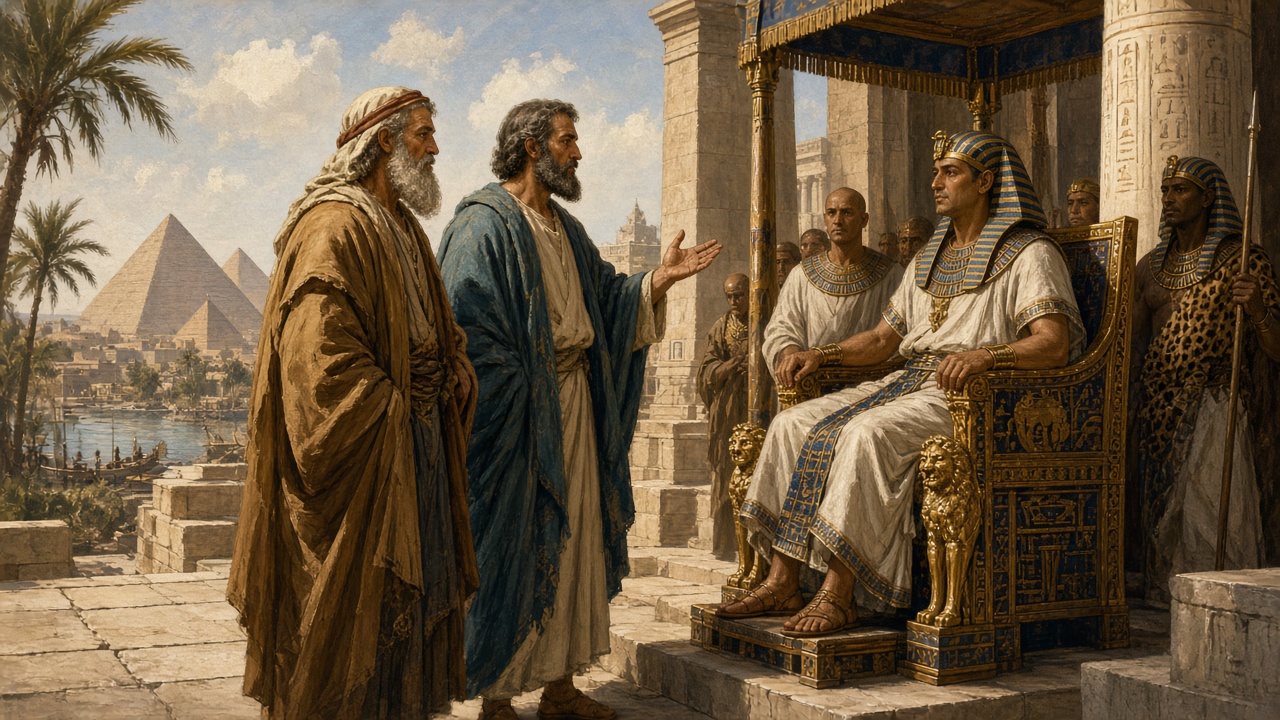
- Who was Pharaoh at the departure is also disputed. Easton's Bible Dictionary (1897) calls him probably Menephtah I, the fourteenth and eldest surviving son of Rameses II, who lived at Zoan and met Moses and Aaron there, while noting that some favor Seti II, whose reign began peacefully and ended in sudden disaster.Sources: Pharaoh (of the Exodus)
- The plagues, Easton writes, loosened Pharaoh's hold, and the Passover was instituted as a perpetual memorial, with the lamb's blood sprinkled on the doorposts. In the third month the people reached Mount Sinai, also called Horeb, about one hundred and fifty miles from the Red Sea, and camped there about a year. The last twenty-two chapters of Exodus record that stay, including the tabernacle, whose Holy Place had no opening for daylight and was lit only by the golden candlestick.Sources: Easton: Exodus · Mount Sinai · Holy Place
- Aaron, eldest son of Amram and Jochebed, was born in Egypt three years before Moses and was sent to meet him so the two could work together. At Rephidim, Joshua, also born in Egypt, commanded Israel's fighters when the Amalekites, a pastoral people living between the Dead Sea and the Red Sea, tried to bar their way.Sources: Aaron · Joshua · Amalek
Notes written with AI assistance from open sources (Theographic Bible Metadata, CC BY-SA 4.0; Easton’s Bible Dictionary, public domain) and reviewed before publishing.
Bininj Nawu Israel Benkebmawahmeng
Exodus 1:1-7
1Kunkare wanjh nakudji bininj ni nawu kunngey bokenh ngeyyoy. Kaluk Israel dja Jacob kunngey bokenh nuye. Nungka dja nawu bebeywurd nuye birridjarrkwam kore Egypt. Kaluk bedda wanjh birringeyyoy Reuben, Simeon, Levi dja Judah, Isaachar, Zebulun, dja Benjamin, Dan dja Naphtali, Gad dja Asher. Dja mak bedda bindidbebbehkang ngalbihbininjkobeng dja wurdwurd bedberre nawu bedman birridjarrkyoy. Bedda rowk nawu Jacob nungka benbornang dja nawu benkebmawahmeng rowk, wanjh seventy ni. Dja mak nabuyika beywurd nuye Israel nawu ngeyyoy Joseph, nungka wanjh ngokko yingkihni kore Egypt. 6Kaluk yerrekah wanjh Joseph doweng, dja nawu birridanginj nuye birridowerrinj rowk. Dja mak bininj nawu birridjarrkdabborrabbolkni wanjh birridoweng rowk. 7Kaluk binihbininj nawu Israel benkebmawahmeng, bedda wanjh bindikarrmi birriwern wurdwurd. Birriwern duninjh wurdyaw birriyawmahyawmarrinj, birrimirndewernmerrinj, birribalmirndekimukminj kore kumekbe birrihdi kubolkwarlah Egypt.
Pharaoh Benmarnekarrerayekwong Bininj Nawu Israel Benkebmawahmeng
Exodus 1:8-14
8Kaluk yerrekah wanjh nakerrnge king wanjh dedjdjingmey wohrnani kumekbe kubolkwarlah Egypt. Bedda birringeybom nawu Pharaoh. Kaluk nungka minj biwobekkayi nawu Joseph. 9Wanjh Pharaoh benmarneyimeng bedberre nungka nuyeni bininj nawu birriredboni, yimeng, “Kandibekka. Ngurrina nanih bininj nawu Israel benkebmawahmeng, wanjh bedda birrimirndewernminj dja birringudjkimukminj, wardi kunubewu kandingudjyurrhke kadberre. 10Dja baleh nuk ngad kandiyimowon? Kab karrbenmarneyingkihkarremarnbu, wardi kabirrimirndewernmerren munguyh dja bu bininj kabirrimre kandibunkenh, bedda nawu Israel benkebmawahmeng kaluk kabirriraworren nawu kandiwidnan, kandibun kadberre dja mak kabirrire kubolkbubuyika, kabirribolkbawon kubolkwarlahkenh kadberre.” Kumekbe bu Pharaoh benmarneyimeng nuye bininj.
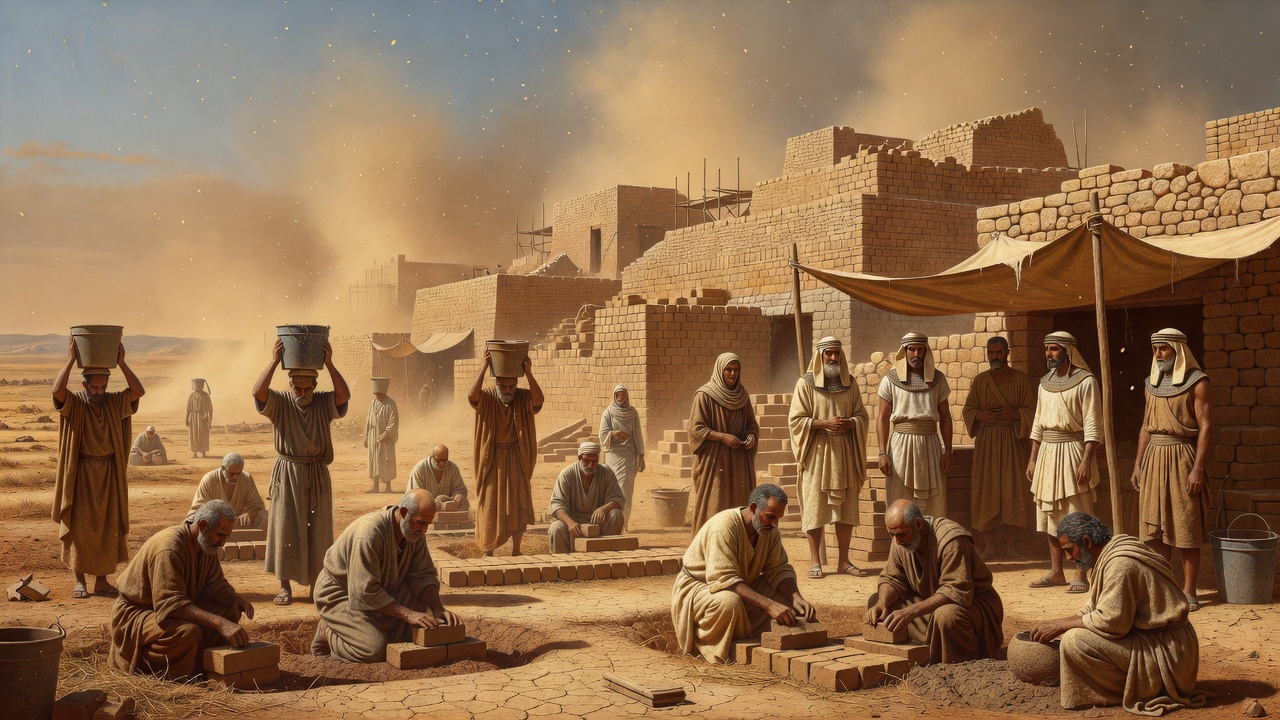
11Kumekbekenh kunu wanjh bindikurrmeng bininj nawu bindidjurrkkani bindimarnbuni bininj nawu Israel benkebmawahmeng bu birridjaldurrkmirri bedberre munguyh, ba bu birrikangedombuyhweyi bu kundulmuk duninjh birringorrkani bedberre. Wanjh bininj nawu Israel benkebmawahmeng birrimarnerurrkmarnbom manrurrkwern manbu Pharaoh nuye kore nungka karehkarekurrmi yehyeng nuye. Kaluk benebolkngeyyoy Pithom dja Ramses. 12Bininj nawu Egyptbeh wanjh bindiwarrewoni nawu Israel benkebmawahmeng. Dja bonj, djal djamku kuhni bindimarnekurduyimi. Bu bindihdjaldjurrkkani kunrayek duninjh munguyh, wanjh bedda bininj nawu Israel benkebmawahmeng wanjh birridjalmirndewernmerreni munguyh dja birridjalkaberrkwernmerreni warridj. Wanjh nawu bininj birrikang Egypt kaluk bindikengemi bedda nawu Israel benkebmawahmeng dja mak bindiwarreweyi bu bindimarneyimi bedberre.
13Wanjh kunmekbekenh kunu birrimekbe bininj nawu birrikang Egypt bindimarnbuni bininj nawu Israel benkebmawahmeng bu birridjaldurrkmirri bedberre bulkkidj duninjh. 14Bindimarnbom bindimarnedurrkmirri kore kunrurrkkenh birrimangi birrimarnbuni brick dja tar, dja mak kunbubuyika birrihdurrkmirri kore dudjihdudjindi manu manmekenh. Kaluk bedda nawu bininj birrikang Egypt wanjh birrimimkongiyakni bedberre bininj nawu Israel benkebmawahmeng. Bindidjaldjurrkkani munguyh, dja mak bindidjalnjilngwarrewoni munguyh.
Pharaoh Djareminj Kabenbun Nawu Wurdwurd Narahrangem
Exodus 1:15-22
15Wanjh nawu Hebrew daluk, wanjh ngalbihbininjkobeng bedberre bininj nawu Israel benkebmawahmeng, wanjh bu bedda wurdyaw bindimarneyawdangeni wanjh daluk bokenh bindibidyikarrmi. Bedda benengeyyoy Shiphrah dja Puah. Kaluk wanjh Pharaoh benbenemarneyimeng benemekbe daluk, yimeng berrewoneng, 16“Bu ngurrbenbidyikarrme nawu Hebrew daluk bu wurdyaw karrangen, dja bu ngunenan narangem, wanjh nguneyawbu, dja bu ngaldaluk, wanjh bonj, nguneyawbawo karrarrkid.” 17Dja bedda nawu daluk bokenh wanjh benekengemi God, wanjh minj benekurduyimeninj nawu king benbenewokrayekwong, dja bindidjaldarrkidbawoni narahrangem rowk. 18Kaluk kunmekbekenh kunu nungka king nawu wohrnani kore Egypt benbenekayhmeng bedda nawu daluk bokenh, dja yimeng berrewoneng, “Njalekah kunih bu ngunekurduyimeng, dja narahrangem ngurrbendarrkidbawong?” 19Bedda nawu daluk bokenh benemarneyimeng Pharaoh, beneyimeng, “Ngad yimankek kunmekbe nganekurduyimeninj. Dja nawu Hebrew daluk minj kabirrirohrok nawu daluk birrikang Egypt, dja bedda nawu Hebrew daluk wanjh birringudjmak dja mak werrkwerrk kayawdangen bedberre, bu minj ngad nganebangmebolkmang bu ngarrbenbidyikarrmekenh.” Kuhni bu benemarneyimeng nawu king.
20Bu kunmekbe benekurduyimeng benemekbe daluk bokenh, wanjh God kunmak benbenemarnekurduyimeng, dja bininj nawu Israel benkebmawahmeng wanjh birridjalmirndewernminj munguyh dja birribalmirndekimukminj duninjh. 21Dja God benbeneyawwong benemekbe daluk bokenh nawu bindibidyikarrmi birribuyika daluk bu wurdyaw benhbuni. Kunmekbe God benbenemarnekurduyimeng bu bedda benemarnekeleni nawu nungka God.
22Wanjh Pharaoh benwokrayekwong bedberre rowk nawu bininj nuye, nawu nungan birriredbo, yimeng, “Narahrangem rowk nawu kabindimarneyawdangen bedberre nawu Hebrew bininj dja daluk, wanjh ngudda ngurrbenyawburriwemen kore mankabo, dja ngaldahdaluk rowk wanjh ngurrbendjaldarrkidbawo.”
Did you know?
Israel's Growth and Oppression in Egypt
- Easton's Bible Dictionary (1897) says that the Hebrews in Egypt were under Joseph's protection for about seventy years, and that after his death their condition changed only gradually. It notes that the new king who did not know Joseph was generally supposed to be Aahmes I, whom Josephus calls Amosis, though discoveries of that time led the dictionary to conclude that he was Seti, after the Hyksos were driven out and the former dynasty restored.Sources: Pharaoh · the Bible text itself
- Set to forced labor, the Israelites built Pithom and Rameses as store cities for Pharaoh. Easton's Bible Dictionary (1897) explains Pithom as Egyptian Pa-Tum, 'house of Tum,' the sun-god, and calls it a treasure city built for Pharaoh Rameses II; it identifies the site with Tell-el-Maskhuta, where ruins of supposed grain-chambers were reported in 1883.Sources: Pithom · Raamses · the Bible text itself
- Pharaoh then commanded that every son born to the Hebrews be thrown into the river. Easton's Bible Dictionary (1897) notes that the name Nile does not appear in Scripture; the Old Testament calls that river Sihor, 'the black stream,' or simply 'the river,' as in Exodus 1:22.Sources: Nile · the Bible text itself
Notes written with AI assistance from open sources (Theographic Bible Metadata, CC BY-SA 4.0; Easton’s Bible Dictionary, public domain) and reviewed before publishing.
Places in this chapter
- Egypt · 30.129, 31.308 · verses 1, 5, 8, 15, 17, 18
- Nile · Today: Nile River · 31.465, 30.367 · verse 22
Only places identified with high confidence are shown (90% or more according to the scholarly sources compiled by OpenBible). Period map: DARE (Digital Atlas of the Roman Empire), CC BY 4.0; modern map: © OpenStreetMap contributors; places: OpenBible.info (CC BY 4.0).
Credits and license for this translation
God Nuye Kunwok
The Holy Bible in the Kunwinjku language of Australia
copyright © 2018 Bible Society of Australia
Language: Kunwinjku (Gunwinggu)
This translation is made available to you under the terms of the
Creative Commons Attribution-Noncommercial-No Derivatives license 4.0.
You may share and redistribute this Bible translation or extracts from it in any format, provided that:
You include the above copyright and source information.
You do not sell this work for a profit.
You do not change any of the words or punctuation of the Scriptures.
Pictures included with Scriptures and other documents on this site are licensed just for use with those Scriptures and documents.
For other uses, please contact the respective copyright owners.
2026-04-02
Source: http://ebible.org/gup/ · eBible.org