Amós 7
Kitaaba Woyyuu · Toque num versículo para ver as referências cruzadas.
Awwaannisa, Ibiddaa Fi Tumbii
1Kun waan Goottaan Mootiin Waan Maraa natti mudhise:
Midhaan mootichaa haammamee galeen duuba,
haaga'een yennaa lattu
Mootiin Waan Maraa awwaannisa buuse.
2Awwaannisi marra lafa irraa nyaatee yennaa fixe,
ani, «Ee Gootta'a Mootii Waan Maraa,
maganne'e Israa'eliif araaram;
Israa'el hunna waan hin qanneef,
attam waan kana irraa hafuu dandeetti ree?» jedhee daadimadhe.
3Maarre Mootii Waan Maraa marroo waan kanaa gaabbee,
«Tun hin teetu» jedhe.
Mudhii Ibiddaa
4Tun waan Goottaan Mootiin Waan Maraa natti mudhise: Goottaan Mootiin Waan Maraa ibidda mura'aa waame; ibiddi sun abbaayaa qile'ee gossee lafa luxub godhe. 5Achiin duuba ani, «Ee Gootta'a Mootiin Waan Maraa,
ibidda kana akka dhaamu godhi;
Israa'el hunna waan hin qanneef,
attam ibidda kana irraa hafuu dandeetti ree?» jedhee daadimadhe.
6Maarre Mootiin Waan Maraa
marroo waan kanaa gaabbee, «Tun hin teetu» jedhe.
Mudhii Tumbi'ii
7Mootiin Waan Maraa mudhii dhibii natti mudhise:
Kunoo Mootiin Waan Maraa tumbii qabatee,
dalleya dhaka'aa ka tumbi'iin qajeelfame
ijaarsa bira dhaabbateeraayyu.
8Inni anaan, «Amos!
Maan dhaggiisatti jirta?» jedhee na gaafate.
Anille, «Tumbii dhaggiisatti jira» jedheen.
Achiin duuba Mootiin Waan Maraa,
«Kunoo, ani tumbii kolbaa tiyya Israa'el odduu hin keya;
haganaa achi ani adoo isaan hin adabin
irra hin dabaru.
9Addeen waaqonfanna'aa ta Yisihaqii hin baddi;
addeen woyyittiin Israa'eliille hin diiganti;
sanyii Yerobi'aamii mootichaa irratti
ani shallaagaa kiyyaan hin ka'a» jedhe.
Amosii fi Amaasiyaas
10Achiin duuba hayyichi Bet'elii Amaasiyaas,
gara Yerobi'aamii mootii Israa'elii ergaa ergee,
«Kunoo Amos kolbaa Israa'elii oddu'utti
mala si'itti dhowiisatti jira;
waan inni dubbatiisa jiru
latti tun ba'atiisa hin dandeettu.
11Inni, ‹Yerobi'aam shallaaga'aan hin du'a;
kolbaan Israa'eliille dhugumaan biyya ifiitii
booji'antee hin ideenti› jedha» jedheen.
12Achiin duuba Amaasiyaas Amosiin,
«Ee ati nama mudhii dhaggitu,
gara biyya Yihuda'aa baqadhuu asii deemi;
achitti raaga dubbataa,
sagalee ittiin nyaadhu.
13Bet'el addee woyyittii mootichi itti sagadu,
Galma Waaqaa ka mootumma'aa waan teeteef,
addee tanatti deebitee raaga hin dubbatin» jedheen.
14Amosille deebisee Amaasiyaasiin,
«Ani nama horii tissaa,
muka harru'uulle kunuunsu malee
raagichaa moti
yookiin ilma raagichaalle'ee moti.
15Mootiin Waan Maraa ammoo
addee ani horii tissuu na fuudhee,
‹Dhaqiitii kolbaa tiyya Israa'elitti
raaga dubbadhu› naan jedhe.
16Ammalle ati
jecha Mootii Waan Maraa dhage'i;
ati, ‹Israa'el irratti raaga hin dubbatin;
kolbaa Israa'elii
sanyii Yisihaqiititti hin lallabin!›
naan jetteerta.
17Tanaaf, Mootiin Waan Maraa,
‹Haati manaa teeti qachaa keessatti
sagaagaltittii hin teeti;
ilmaan teetii fi durri teeti
shallaaga'aan hin du'an.
Lafa teeti wodaro'oon mikanee hin qoodaman;
atille lafa worra Yihudoota hin te'inii keessatti hin duuta;
kolbaan Israa'eliille dhugumaan biyya ifiitii booji'antee
hin ideenti› jedha» jedhe.
Você sabia?
Visões de Juízo e o Confronto em Betel
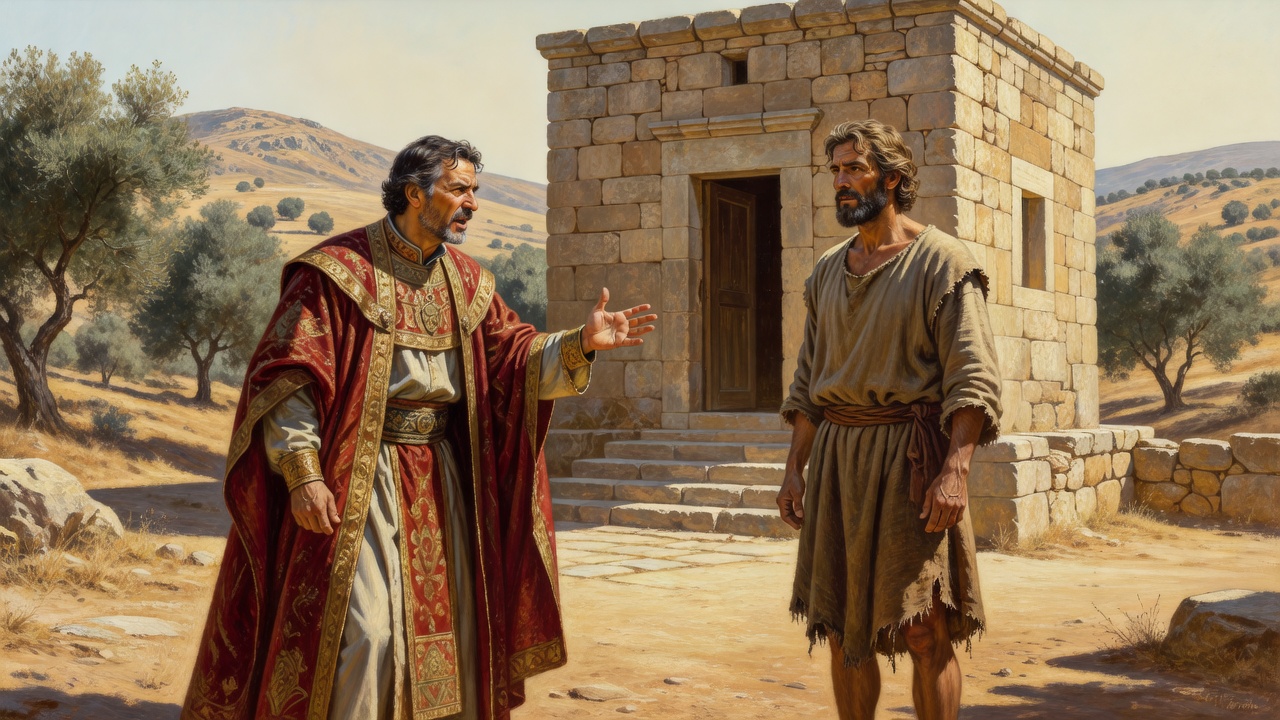
- Diferente dos profetas profissionais de sua época, Amós era um pastor de ovelhas e cultivador de figos de sicômoro em Tecoa, Judá. Ele destacou que não pertencia a uma linhagem ou escola de profetas, mas foi chamado diretamente por Deus para deixar o rebanho e advertir o reino do norte.Fontes: o próprio texto bíblico · Amos
- Betel era um dos principais santuários reais do reino de Israel, onde os monarcas mantinham templos oficiais. Amazias, sacerdote que servia no local durante o reinado de Jeroboão II, considerou as profecias de Amós como traição política e tentou expulsá-lo para Judá.Fontes: o próprio texto bíblico · Amaziah · Jeroboam · Bethel (of Palestine)
- Apesar de o governo de Jeroboão II ter proporcionado grande expansão territorial e prosperidade material a Israel, as visões de Amós advertiam que a destruição dos santuários reais e o exílio do povo seriam inevitáveis.Fontes: o próprio texto bíblico · Jeroboam
Notas escritas com auxílio de IA a partir de fontes abertas (Theographic Bible Metadata, CC BY-SA 4.0; Easton’s Bible Dictionary, domínio público) e revisadas antes de publicar.
Créditos e licença desta tradução
Kitaaba Woyyuu
Oromo, Borana-Arsi-Guji: Kitaaba Woyyuu (Bible)
copyright © 2025 The Word for the World International
Language: gujii
Contributor: Bible Society of Ethiopia
This translation is made available to you under the terms of the
Creative Commons Attribution Share-Alike license 4.0.
You have permission to share and redistribute this Bible translation in any format and to make reasonable revisions and adaptations of this translation, provided that:
You include the above copyright and source information.
If you make any changes to the text, you must indicate that you did so in a way that makes it clear that the original licensor is not necessarily endorsing your changes.
If you redistribute this text, you must distribute your contributions under the same license as the original.
Pictures included with Scriptures and other documents on this site are licensed just for use with those Scriptures and documents.
For other uses, please contact the respective copyright owners.
Note that in addition to the rules above, revising and adapting God's Word involves a great responsibility to be true to God's Word. See Revelation 22:18-19.
2025-05-02
Fonte: http://ebible.org/gax/ · eBible.org