Amós 7
Kitaaba Woyyuu · Toca un versículo para ver sus referencias cruzadas.
Awwaannisa, Ibiddaa Fi Tumbii
1Kun waan Goottaan Mootiin Waan Maraa natti mudhise:
Midhaan mootichaa haammamee galeen duuba,
haaga'een yennaa lattu
Mootiin Waan Maraa awwaannisa buuse.
2Awwaannisi marra lafa irraa nyaatee yennaa fixe,
ani, «Ee Gootta'a Mootii Waan Maraa,
maganne'e Israa'eliif araaram;
Israa'el hunna waan hin qanneef,
attam waan kana irraa hafuu dandeetti ree?» jedhee daadimadhe.
3Maarre Mootii Waan Maraa marroo waan kanaa gaabbee,
«Tun hin teetu» jedhe.
Mudhii Ibiddaa
4Tun waan Goottaan Mootiin Waan Maraa natti mudhise: Goottaan Mootiin Waan Maraa ibidda mura'aa waame; ibiddi sun abbaayaa qile'ee gossee lafa luxub godhe. 5Achiin duuba ani, «Ee Gootta'a Mootiin Waan Maraa,
ibidda kana akka dhaamu godhi;
Israa'el hunna waan hin qanneef,
attam ibidda kana irraa hafuu dandeetti ree?» jedhee daadimadhe.
6Maarre Mootiin Waan Maraa
marroo waan kanaa gaabbee, «Tun hin teetu» jedhe.
Mudhii Tumbi'ii
7Mootiin Waan Maraa mudhii dhibii natti mudhise:
Kunoo Mootiin Waan Maraa tumbii qabatee,
dalleya dhaka'aa ka tumbi'iin qajeelfame
ijaarsa bira dhaabbateeraayyu.
8Inni anaan, «Amos!
Maan dhaggiisatti jirta?» jedhee na gaafate.
Anille, «Tumbii dhaggiisatti jira» jedheen.
Achiin duuba Mootiin Waan Maraa,
«Kunoo, ani tumbii kolbaa tiyya Israa'el odduu hin keya;
haganaa achi ani adoo isaan hin adabin
irra hin dabaru.
9Addeen waaqonfanna'aa ta Yisihaqii hin baddi;
addeen woyyittiin Israa'eliille hin diiganti;
sanyii Yerobi'aamii mootichaa irratti
ani shallaagaa kiyyaan hin ka'a» jedhe.
Amosii fi Amaasiyaas
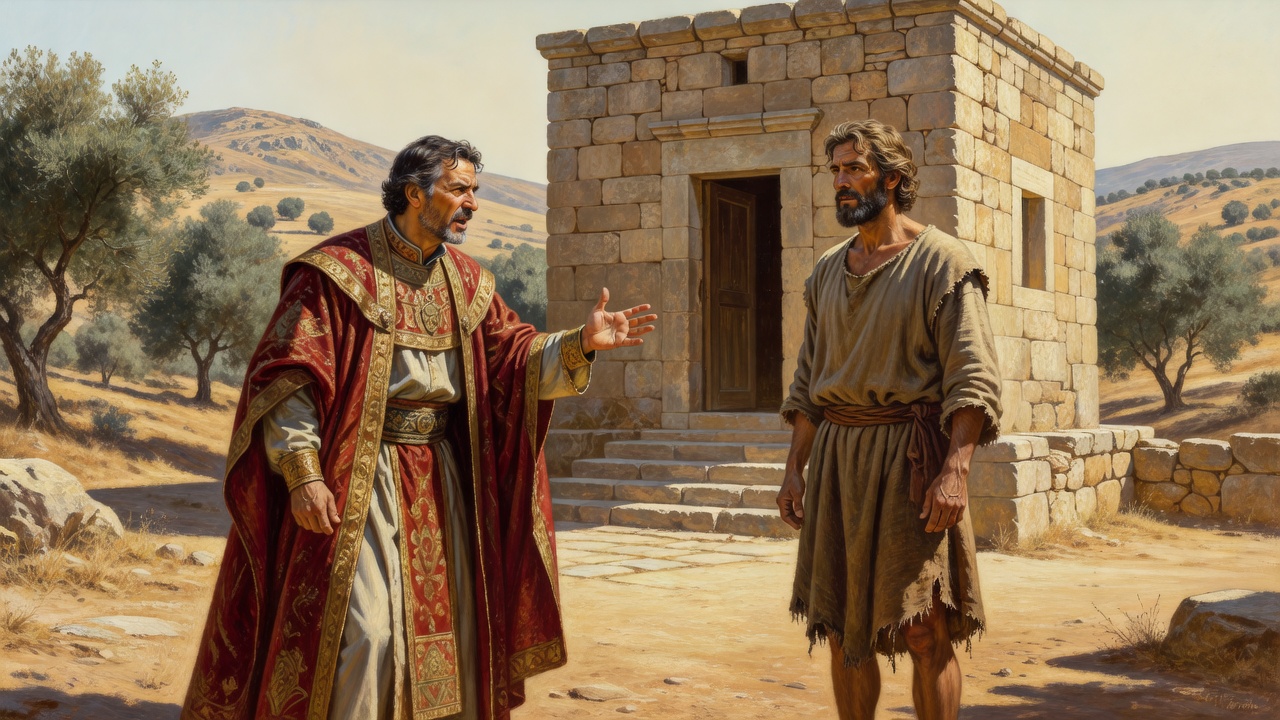
10Achiin duuba hayyichi Bet'elii Amaasiyaas,
gara Yerobi'aamii mootii Israa'elii ergaa ergee,
«Kunoo Amos kolbaa Israa'elii oddu'utti
mala si'itti dhowiisatti jira;
waan inni dubbatiisa jiru
latti tun ba'atiisa hin dandeettu.
11Inni, ‹Yerobi'aam shallaaga'aan hin du'a;
kolbaan Israa'eliille dhugumaan biyya ifiitii
booji'antee hin ideenti› jedha» jedheen.
12Achiin duuba Amaasiyaas Amosiin,
«Ee ati nama mudhii dhaggitu,
gara biyya Yihuda'aa baqadhuu asii deemi;
achitti raaga dubbataa,
sagalee ittiin nyaadhu.
13Bet'el addee woyyittii mootichi itti sagadu,
Galma Waaqaa ka mootumma'aa waan teeteef,
addee tanatti deebitee raaga hin dubbatin» jedheen.
14Amosille deebisee Amaasiyaasiin,
«Ani nama horii tissaa,
muka harru'uulle kunuunsu malee
raagichaa moti
yookiin ilma raagichaalle'ee moti.
15Mootiin Waan Maraa ammoo
addee ani horii tissuu na fuudhee,
‹Dhaqiitii kolbaa tiyya Israa'elitti
raaga dubbadhu› naan jedhe.
16Ammalle ati
jecha Mootii Waan Maraa dhage'i;
ati, ‹Israa'el irratti raaga hin dubbatin;
kolbaa Israa'elii
sanyii Yisihaqiititti hin lallabin!›
naan jetteerta.
17Tanaaf, Mootiin Waan Maraa,
‹Haati manaa teeti qachaa keessatti
sagaagaltittii hin teeti;
ilmaan teetii fi durri teeti
shallaaga'aan hin du'an.
Lafa teeti wodaro'oon mikanee hin qoodaman;
atille lafa worra Yihudoota hin te'inii keessatti hin duuta;
kolbaan Israa'eliille dhugumaan biyya ifiitii booji'antee
hin ideenti› jedha» jedhe.
¿Sabías que…?
Visiones de Juicio y el Enfrentamiento en Betel
- A diferencia de los profetas oficiales de su época, Amós era un pastor y cultivador de higos de sicómoro procedente de Tecoa, en Judá. Afirmó que no provenía de una corporación profética, sino que Dios lo llamó directamente mientras cuidaba el rebaño para profetizar en el reino del norte.Fuentes: el propio texto bíblico · Amos
- Betel funcionaba como un santuario real clave para el reino de Israel, donde los reyes sostenían cultos estatales. Amasías, sacerdote de ese lugar durante el reinado de Jeroboam II, interpretó los mensajes de Amós como conspiración política y le ordenó huir a Judá.Fuentes: el propio texto bíblico · Amaziah · Jeroboam · Bethel (of Palestine)
- Aunque el reinado de Jeroboam II trajo notable expansión territorial y prosperidad económica a Israel, las visiones de Amós anunciaron que la ruina de los santuarios y el exilio del pueblo eran inminentes.Fuentes: el propio texto bíblico · Jeroboam
Notas escritas con ayuda de IA a partir de fuentes abiertas (Theographic Bible Metadata, CC BY-SA 4.0; Easton’s Bible Dictionary, dominio público) y revisadas antes de publicarse.
Créditos y licencia de esta traducción
Kitaaba Woyyuu
Oromo, Borana-Arsi-Guji: Kitaaba Woyyuu (Bible)
copyright © 2025 The Word for the World International
Language: gujii
Contributor: Bible Society of Ethiopia
This translation is made available to you under the terms of the
Creative Commons Attribution Share-Alike license 4.0.
You have permission to share and redistribute this Bible translation in any format and to make reasonable revisions and adaptations of this translation, provided that:
You include the above copyright and source information.
If you make any changes to the text, you must indicate that you did so in a way that makes it clear that the original licensor is not necessarily endorsing your changes.
If you redistribute this text, you must distribute your contributions under the same license as the original.
Pictures included with Scriptures and other documents on this site are licensed just for use with those Scriptures and documents.
For other uses, please contact the respective copyright owners.
Note that in addition to the rules above, revising and adapting God's Word involves a great responsibility to be true to God's Word. See Revelation 22:18-19.
2025-05-02
Fuente: http://ebible.org/gax/ · eBible.org