João 3
Alkawal Kesal · Toque num versículo para ver as referências cruzadas.
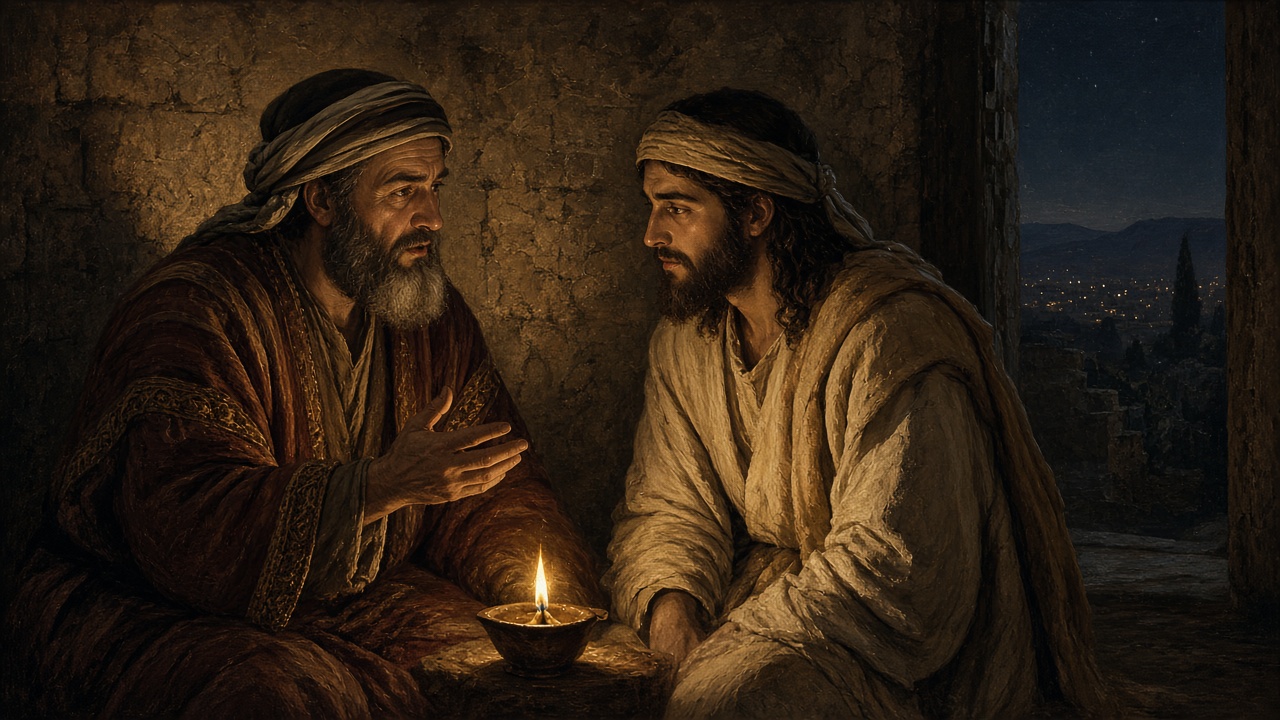
Yeesu e badda e Nikodemu
1E woodunoo goɗɗo, Farisaajo, bi'eteeɗo Nikodemu, o laati nun gooto der hooreeɓe Yahuduuɓe. 2Jemmaare gom o yahi to Yeesu, o wi'i ɗum: «Moodibbo, emen anni a laati nun baajotooɗo ƴiwuɗo to Alla, gam goɗɗo waawataa ko waɗi kaayeefiiji ɗi gaɗataa, to Alla wondaa e makko.» 3Yeesu toontii mo, wi'i: «Mii batee e gooŋa: Goɗɗo waawataa ko yi'i Laamaare Alla to rimitaaka.» 4Nikodemu wi'i mo: «Noy neɗɗo waawirta ko rimitoraa to naywii? O waawan ko witti e reedu inniiko, o rimitee na?»
5Yeesu toontii mo wi'i: «Mii batee e gooŋa: To neɗɗo rimitoraaka e diyam, e Ruuhu, o waawataa ko naati laamu Alla. 6Ko neɗɗo rimata, laati nun neɗɗo. Ko Ruuhu bo rimata, laati nun ruuhu. 7To ɗum haaynee gam mi wi'ii maa: ‟E haani dimiteɗaa.” 8Hennu e wifa to yiɗi fu. Aa nana sonnyo maggol, amma a annaa to ŋol ƴiwi, a annaa to ŋol yahata. Hande nun dimiraaɗo Ruuhu laati.»
9Nikodemu wi'i mo: «Noy ɗum waɗortoo?» 10Yeesu toontii mo: «An, moodibbo Isira'iila mawɗo, a annaa ɗum? 11Mii batee e gooŋa, menen, ko men anni, men batata, ko men ji'i, men ceedotoo. Amma on jaɓataa seedaaku amen. 12On goonɗinay no batanmi on kujje ɗe leydi. Noy goonɗinirton to mi batanii on kujje ɗe dow kammu? 13Goɗɗo meeɗay eencugo dow kammu, to hinaa jippiiɗo diga kammu, kanko woni Ɓii neɗɗo. 14Hande no Muusa ɓiliri boddi janni dow leggal der ladde haro, hande non Ɓii neɗɗo bo ɓilirtee, 15gam goonɗinɗo mo fu heɓa yonki tabitiiki. 16Gam Alla yiɗii duuniyaaru sanne faa hokki Ɓiɗɗo mum bajjo, gam goonɗinɗo mo fu to halku, amma heɓa yonki tabitiiki. 17Alla lilay Ɓiɗɗo mum e duuniyaaru gam o hiitoo nu, amma gam nu hisira diga e makko. 18Goonɗinɗo mo hiitataake, amma mo goonɗinay, hiitaamaa ko, gam o goonɗinay inne Ɓiɗɗo Alla bajjo. 19Kiita maɓɓe nani: Jaayŋol warii e duuniyaaru, amma himɓe, niwre nun ɓuri yiɗugo dow jayŋol, gam gaɗu maɓɓe wooɗaa. 20Mo golle mum wooɗaa e wanyi jayŋol, warataa e maggol, gam e hula golle mum wurtoo. 21Amma tokkuɗo gooŋa, waran to jayŋol gam gaɗu ŋu waɗi gam Alla, wurtoo.»
Ko Yuhaana seedii dow Yeesu
22Ɓaawo mum Yeesu yaadi e aahiiɓe mum leydi Yahudiya. O jooɗodii e maɓɓe ton, oo waɗa batisi. 23Yuhaana bo e waɗa batisi e siire Aynon, takkol Salim, gam ton diyam e ɗuuɗi. Himɓe e yaha ton e waɗanee batisi. 24(Tawi Yuhaana maɓɓaakano taw.)
25Nyaanne gom aahiiɓe Yuhaana yeddontirii e Yahuduujo gom dow haala laaɓal. 26Ɓe jahi to Yuhaana, ɓe bi'i ɗum: «Moodibbo, gorko gondunooɗo e maa takkol maayo Urdun, mo ceedaniɗaa men, kanko bo oo waɗa batisi. Himɓe fu e yaha to makko.»
27Yuhaana toontii ɓe, wi'i: «Neɗɗo waawataa ko heɓi goɗɗum to hinaa ko Alla hokki ɗum. 28Onon e hoore mooɗon, on seedeeɓe am, mi wi'ii: ‟Mi Almasiihu bane, amma mi lilaama mi ardoo mo”.» 29Yuhaana wi'i kade: «Gaddanaaɗo jommanjo debbo, kanko woni jommanjo gorko. Ɗottoowo gorko e darii, e hettinii. To o nanii daane jommanjo gorko, ɓerne makko welan sanne. Nii belɗum ɓerne am hebbiri. 30Haani tedduŋal makko e ɓeydoo, ŋal am e ɓuytoo.»
Ƴiwuɗo dow kammu
31«Ƴiwuɗo dow kammu nun ɓuri fu. Ƴiwuɗo e leydi, laati nun leydinkeejo. Haala mum bo laati nun ka leydinkeeɓe. Ƴiwuɗo dow kammu, kan nun jinti moy fu. 32Ko o yi'i e ko o nani, o seedotoo, amma goɗɗo jaɓataa seedaaku makko. 33Jaɓuɗo seedaaku makko, tabbitinii Alla laati nun gooŋaajo. 34Mo Alla lili, ko Alla bati nun o batata, gam Alla hebbinii mo Ruuhu mum. 35Baaba e yiɗi Ɓiɗɗo, faa watti huune fu e junŋo makko. 36Goonɗinɗo Ɓiɗɗo, heɓii yonki tabitiiki. Mo goonɗinay Ɓiɗɗo, heɓataa ki, amma mone Alla e wonani ɗum.»
Você sabia?
O novo nascimento e o testemunho de João
- Nicodemos, cujo nome significa "o povo é vencedor", era fariseu e membro do Sinédrio. Ele foi a Jesus de noite para conhecer melhor o seu ensino, e o Evangelho o chama de líder dos judeus; Jesus se dirige a ele como mestre de Israel.Fontes: Nicodemus · o próprio texto bíblico
- Depois dessa conversa, Jesus e seus discípulos foram para a região rural da Judeia, que sob os romanos era a mais meridional das três divisões da Palestina. João também batizava em Enom, perto de Salim, porque ali havia água em abundância; Salim, cujo nome significa "pacífico", ficava a oeste do Jordão. Enom significa "fontes", e o Dicionário Bíblico de Easton (1897) situa o lugar provavelmente perto da nascente superior do Wady Far'ah, um vale aberto cheio de fontes que vai do monte Ebal até o Jordão.Fontes: o próprio texto bíblico · Judea · Aenon · Salim
- Neste capítulo, João diz a seus discípulos que não é o Cristo, mas que foi enviado adiante dele, e a narrativa observa que ele ainda não tinha sido preso. O Dicionário Bíblico de Easton (1897) o descreve como o precursor de Jesus, de descendência sacerdotal, e diz que sua missão foi objeto de profecia.Fontes: o próprio texto bíblico · John the Baptist
Notas escritas com auxílio de IA a partir de fontes abertas (Theographic Bible Metadata, CC BY-SA 4.0; Easton’s Bible Dictionary, domínio público) e revisadas antes de publicar.
Lugares deste capítulo
- Jerusalem · 31.777, 35.234 · versículo 22
- Judea · Hoje: Judea 1 · 31.777, 35.234 · versículo 22
- Jordan · Hoje: Jordan River · 31.761, 35.558 · versículo 26
Só aparecem lugares com identificação de alta confiança (90% ou mais segundo as fontes acadêmicas reunidas pelo OpenBible). Mapa da época: DARE (Digital Atlas of the Roman Empire), CC BY 4.0; mapa atual: © colaboradores do OpenStreetMap; lugares: OpenBible.info (CC BY 4.0).
Créditos e licença desta tradução
Alkawal Kesal
Portions of the New Testament in the Fulfulde Borgu language of Benin
copyright © 2011 SIM International
Language: Fulfulde Borgu (Fulfulde, Borgu)
Translation by: SIM
This translation text is made available to you under the
terms of the Creative Commons License: Attribution-Noncommercial-No Derivative Works.
( http://creativecommons.org/licenses/by-nc-nd/3.0/ )
In addition, you have permission to port the text to different file formats, as long as you
do not change any of the text or punctuation of the Bible.
You may share, copy, distribute, transmit, and extract portions
or quotations from this work, provided that you include the above copyright
information:
You must give Attribution to the work.
You do not sell this work for a profit.
You do not make any derivative works that change any of the actual words or punctuation of the Scriptures.
Permissions beyond the scope of this license may be
available if you contact
us with your request.
This translation is made available to you under the terms of the
Creative Commons Attribution-Noncommercial-No Derivatives license 4.0.
You may share and redistribute this Bible translation or extracts from it in any format, provided that:
You include the above copyright and source information.
You do not sell this work for a profit.
You do not change any of the words or punctuation of the Scriptures.
Pictures included with Scriptures and other documents on this site are licensed just for use with those Scriptures and documents.
For other uses, please contact the respective copyright owners.
2014-10-16
Fonte: http://ebible.org/fue/ · eBible.org