Jeremias 18
Biblica® Se aɖeke mebla Biblia zazã o Agbenya La™ · Toque num versículo para ver as referências cruzadas.
Le zemela ƒe aƒe me
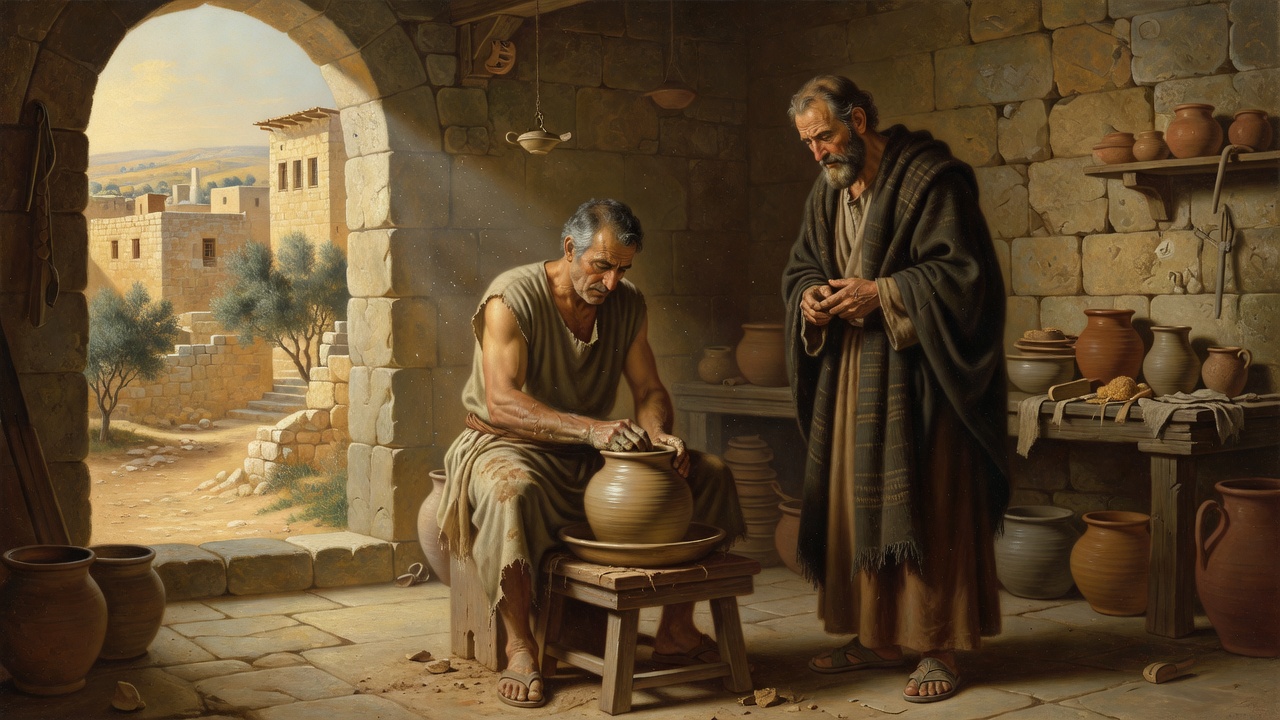
1Esiae nye Yehowa ƒe gbe si va na Yeremia, 2“Tso nàyi ɖe zemela ƒe aƒe me, eye le afi ma matsɔ nye gbedeasi na wo.” 3Ale meyi ɖe zemela ƒe aƒe me eye mekpɔe wònɔ dɔ wɔm le zemenu dzi. 4Ke ze si mem wòle la gbã ɖe eƒe asiwo me, eya ta zemela la tsɔ anyi la me ze bubu ale si dze eya zemela la ŋu.
5Tete Yehowa ƒe gbe va nam bena, 6“Yehowa be O Israel ƒe aƒe, ɖe nyemate ŋu awɔ na wò abe ale si zemela sia wɔ ene oa? O Israel ƒe aƒe, abe ale si anyi nɔa zemela ƒe asi me ene la, nenema miele nye asimee. 7Ne ɣe aɖe ɣi meɖe gbeƒã be maho dukɔ alo fiaɖuƒe aɖe kple ke, agbãe, ahatsrɔ̃e, 8eye dukɔ si ŋu megblɔ nya la ɖo la trɔ le eƒe mɔ vɔ̃wo dzi vavã la, ekema matrɔ susu eye nyemagahe gbegblẽ si meɖo ɖe eŋuti la ava edzi o. 9Ke ne meɖe gbeƒã ɣe bubu ɣi be maɖo dukɔ alo fiaɖuƒe aɖe te, ahade eƒe agunu to 10gake wòwɔ nu si nye vɔ̃ le nye ŋkume eye meɖo tom o la, ekema matrɔ susu le nu nyui si meɖo be mawɔ nɛ hafi la ŋuti.
11“Azɔ gblɔ na ame siwo le Yuda kple Yerusalem be, ‘Ale Yehowa gblɔe nye esi: Kpɔ ɖa, meɖo gbegblẽ ɖe mia ŋu eye mele nugbe ɖom ɖe mia ŋu. Mia dometɔ ɖe sia ɖe netrɔ le eƒe mɔ vɔ̃wo dzi eye miaɖɔ miaƒe mɔwo kple wɔnawo ɖo.’ 12Gake woaɖo eŋu be, ‘Mehiã o; miayi edzi awɔ miaƒe lɔlɔ̃nu eye mia dometɔ ɖe sia ɖe adze eƒe dzi vɔ̃ɖi kple aglãdzenuwo yome.’ ”
13Eya ta ale Yehowa gblɔe nye esi:
“Mibia le dukɔwo dome be,
ame kae se esia tɔgbi kpɔ mahã?
Ɖetugbi dzadzɛ, Israel,
wɔ ŋunyɔnu si teƒe mekɔ o.
14Ɖe tsikpe si dzana ɖe Lebanon ƒe
agakpewo kɔgo la vɔna?
Ɖe eƒe tsi fafɛ si sina toa dukɔ la me
tso teƒe didiwo la nu tsona?
15Ke nye amewo ŋlɔm be hedoa dzudzɔ ʋeʋĩ na legba
maɖinu siwo nana be woklia nu le
woƒe toƒewo kple blemamɔwo dzi.
Wonana be wozɔa mɔ siwo to duwo xa
kple mɔ siwo menye mɔ dodowo o la dzi.
16Woana woƒe anyigba nazu gbegbe,
eye woazu alɔmeɖenu tegbee.
Ame siwo katã ato afi ma ayi la,
ƒe mo awɔ yaa, eye woaʋuʋu ta.
17Makaka wo le woƒe futɔwo ŋgɔ abe ɣedzeƒeya ene.
Matrɔ nye megbe ade wo le woƒe dzɔgbevɔ̃e
ƒe ŋkeke la dzi, ke menye nye ŋkume o.”
18Tete wogblɔ be, “Miva, mina míaɖo nugbe ɖe Yeremia ŋu, elabena mele be nunɔlawo ƒe se la fiafia, nunyalawo ƒe aɖaŋudede alo nyagblɔɖilawo ƒe nyawo nabu o, eya ta miva míawɔ avu kplii kple míaƒe aɖewo, eye míado toku nu sia nu si wòagblɔ.”
19Yehowa, ɖo tom, se nu si gblɔm nunyetsolawo le la ɖa!
20Ɖe woatsɔ vɔ̃ aɖo nyui teƒea?
Ke woɖe ʋe ɖi nam.
Ɖo ŋku edzi be metsi tsitre ɖe ŋkuwòme
ɖe kuku ɖe wo ta be nàtsɔ woƒe nu vɔ̃wo ake wo
ne màgatrɔ wò dɔmedzoe akɔ ɖe wo dzi o.
21Eya ta tsɔ wo viwo de asi na dɔwuame,
tsɔ wo de asi na yi ƒe ŋusẽ.
Na be wo srɔ̃wo nazu konɔwo kple ahosiwo,
na be woawu wo srɔ̃ŋutsuwo,
eye woƒe ɖekakpuiwo natsi yi nu le aʋagbedzi.
22Na be avifafa naɖi le woƒe aƒewo me
ne èkplɔ adzohawo va ƒo ɖe wo dzi kpoyi,
elabena woɖe ʋe ɖi be mage ɖe eme ne yewoalém,
eye woɖo mɔ ɖi na nye afɔwo.
23O Yehowa, wò la, ènya nugbe si woɖo ɖe ŋunye be yewoawum.
Mègatsɔ woƒe hlɔ̃dodowo ke alo nàtutu
woƒe nu vɔ̃wo ɖa le ŋkuwòme o.
Na be woatsɔ wo axlã ɖe anyi le ŋkuwòme,
eye nàtu nu kpli wo le wò dzikudogbe.
Você sabia?
O Oleiro e o Barro
- Na casa do oleiro, Jeremias observa um artesão remodelar na roda um vaso estragado para transformá-lo em outro recipiente. A passagem usa essa imagem para ilustrar a autoridade divina e o julgamento condicional: se uma nação advertida se arrepende do mal, o desastre é evitado, mas se pratica o mal, a bênção pretendida é retida.Fontes: o próprio texto bíblico
- A profecia contrasta o abandono de Deus por parte de Israel com a constância da natureza, questionando se a neve do Líbano algum dia desaparece de suas encostas rochosas. A cordilheira do Líbano, cujo nome significa branco, destacava-se por seus cumes elevados e suas fontes de águas frescas.Fontes: Lebanon · o próprio texto bíblico
- A conspiração contra Jeremias foi motivada por opositores que presumiam segurança religiosa, afirmando que a instrução jamais faltaria ao sacerdote, o conselho ao sábio ou a palavra ao profeta. A mensagem de ruína proclamada por Jeremias desafiava diretamente essa confiança institucional.Fontes: Jeremiah · o próprio texto bíblico
Notas escritas com auxílio de IA a partir de fontes abertas (Theographic Bible Metadata, CC BY-SA 4.0; Easton’s Bible Dictionary, domínio público) e revisadas antes de publicar.
Lugares deste capítulo
- Jerusalem · 31.777, 35.234 · versículo 11
- Lebanon · 33.540, 35.584 · versículo 14
- Mount Hermon · 33.400, 35.850 · versículo 14
Só aparecem lugares com identificação de alta confiança (90% ou mais segundo as fontes acadêmicas reunidas pelo OpenBible). Mapa da época: DARE (Digital Atlas of the Roman Empire), CC BY 4.0; mapa atual: © colaboradores do OpenStreetMap; lugares: OpenBible.info (CC BY 4.0).
Créditos e licença desta tradução
Biblica® Se aɖeke mebla Biblia zazã o Agbenya La™ Éwé: Biblica® Se aɖeke mebla Biblia zazã o Agbenya La™ (Bible) of Ghana copyright © 1988, 2006, 2020 Biblica, Inc. Language: eʋegbe Contributor: Biblica, Inc. Dɔwɔƒe si na wò asi ka agbalẽ sia lae nye Creative Commons Attribution-ShareAlike 4.0 International License (CC BY-SA). Ne èdi be yeakpɔ laisensi alo mɔɖegbalẽ sia la, yi ɖe http://creativecommons.org/licenses/by-sa/4.0 alo ŋlɔ agbalẽ na Creative Commons Dɔwɔƒea to adrɛsi sia dzi: Creative Commons, PO Box 1866, Mountain View, CA 94042, USA. Biblica, Inc. na wode Biblica® kple eƒe dzesidenu agbalẽ me, eye woaŋlɔ agbalẽ axɔ mɔɖeɖe tso Biblica, Inc. gbɔ hafi woawɔ Biblica® ƒe dzesidenu la ŋu dɔ. Le CC BY-SA ƒe mɔɖeɖe ƒe sewo nu la, àte ŋu azã agbalẽ sia me nyawo le dɔ bubuwo wɔwɔ me gake ele be nàde dzesi Biblica ƒe dzesidenu la abe ale si wòle ene. Ne ètrɔ asi le agbalẽ sia ŋu alo zãe le mɔ bubu nu la, ele be nàɖe Biblica® ƒe dzesidenu la ɖa. Ele be nàde dzesi tɔtrɔ siwo nèwɔ la ɖe agbalẽ la me eye nàde dzesii be: “Àte ŋu akpɔ Biblica, Inc. ƒe dɔ gbãtɔ le www.biblica.com kple open.bible femaxee.” Ele be nutɔnyenye ƒe dzeside nadze le agbalẽ la ƒe axa si tanya alo nutɔnyenye ƒe dzesi nɔna la ale: Biblica® Se aɖeke mebla Biblia zazã o Agbenya La™ Nutɔnyenye © 1988, 2006, 2020 Biblica, Inc. Biblica® Open Ewe Contemporary Scriptures™ Copyright © 1988, 2006, 2020 by Biblica, Inc. Biblica, Inc. na Dɔwɔƒe si Kpɔa Nutɔnyenye kple Adzɔdodo ƒe Nyawo dzi le Amerika la de “Biblica” kple eƒe dzesidenu agbalẽ me. Woaxɔ mɔɖeɖe na ezazã. “Biblica” is a trademark registered in the United States Patent and Trademark Office by Biblica, Inc. Used with permission. Ele be nàna míaƒe asi naka wò agbalẽ la le laisensi alo mɔɖeɖe ƒe se (CC BY-SA) sia nu. Ne èdi be yeana nyanya Biblica, Inc. tso agbalẽ sia zazã ŋu la, anyo be nàdo ta ɖe mía gbɔ le https://open.bible/contact-us. This work is made available under the Creative Commons Attribution-ShareAlike 4.0 International License (CC BY-SA). To view a copy of this license, visit http://creativecommons.org/licenses/by-sa/4.0 or send a letter to Creative Commons, PO Box 1866, Mountain View, CA 94042, USA. Biblica® is a trademark registered by Biblica, Inc., and use of the Biblica® trademark requires the written permission of Biblica, Inc. Under the terms of the CC BY-SA license, you may copy and redistribute this unmodified work as long as you keep the Biblica® trademark intact. If you modify a copy or translate this work, thereby creating a derivative work, you must remove the Biblica® trademark. On the derivative work, you must indicate what changes you have made and attribute the work as follows: “The original work by Biblica, Inc. is available for free at www.biblica.com and open.bible.” Notice of copyright must appear on the title or copyright page of the work as follows: Biblica® Se aɖeke mebla Biblia zazã o Agbenya La™ Nutɔnyenye © 1988, 2006, 2020 Biblica, Inc. Biblica® Open Ewe Contemporary Scriptures™ Copyright © 1988, 2006, 2020 by Biblica, Inc. Biblica, Inc. na Dɔwɔƒe si Kpɔa Nutɔnyenye kple Adzɔdodo ƒe Nyawo dzi le Amerika la de “Biblica” kple eƒe dzesidenu agbalẽ me. Woaxɔ mɔɖeɖe na ezazã. “Biblica” is a trademark registered in the United States Patent and Trademark Office by Biblica, Inc. Used with permission. You must also make your derivative work available under the same license (CC BY-SA). If you would like to notify Biblica, Inc. regarding your translation of this work, please contact us at https://open.bible/contact-us. This translation is made available to you under the terms of the Creative Commons Attribution Share-Alike license 4.0. You have permission to share and redistribute this Bible translation in any format and to make reasonable revisions and adaptations of this translation, provided that: You include the above copyright and source information. If you make any changes to the text, you must indicate that you did so in a way that makes it clear that the original licensor is not necessarily endorsing your changes. If you redistribute this text, you must distribute your contributions under the same license as the original. Pictures included with Scriptures and other documents on this site are licensed just for use with those Scriptures and documents. For other uses, please contact the respective copyright owners. Note that in addition to the rules above, revising and adapting God's Word involves a great responsibility to be true to God's Word. See Revelation 22:18-19. 2025-05-01
Fonte: http://ebible.org/ewe/ · eBible.org