Levítico 1
Berean Standard Bible · Toque num versículo para ver as referências cruzadas.
Sobre este livro
Sobre Levítico
- O Dicionário Bíblico de Easton (1897) apresenta Levítico como o terceiro livro do Pentateuco e como o terceiro livro de Moisés. O nome, usado na Vulgata seguindo a LXX, reflete o assunto principal do livro: o serviço levítico.Fontes: Easton: Leviticus
- Easton afirma que todas as ordenanças do livro foram entregues no espaço de um mês, o primeiro mês do segundo ano depois do Êxodo. No verbete sobre o Sinai, também chamado Horebe, diz que os hebreus chegaram a essa região montanhosa no terceiro mês após o Êxodo e permaneceram acampados cerca de um ano inteiro, e que todo o Levítico registra o que ocorreu ali.Fontes: Easton: Leviticus · Mount Sinai
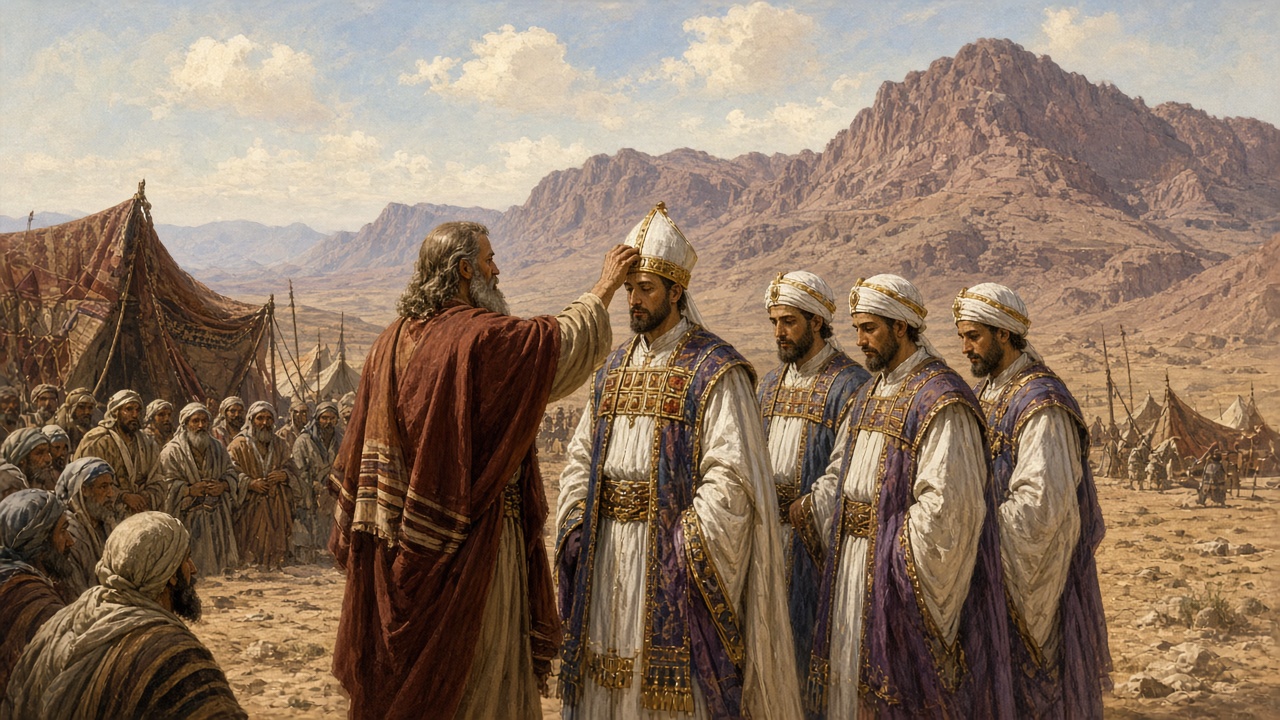
- Os capítulos 1 a 7 trazem leis sobre holocaustos, ofertas de manjares e ofertas de ação de graças, depois sobre ofertas pelo pecado e ofertas pela culpa, e sobre os deveres dos sacerdotes ao oferecer sacrifícios. Os capítulos 8 a 10 relatam a consagração de Arão e de seus filhos, a primeira oferta de Arão por si mesmo e pelo povo, e a morte de Nadabe e Abiú, feridos de morte e sepultados fora do acampamento depois de oferecerem fogo estranho, isto é, fogo comum não tomado do grande altar de bronze. Os capítulos 11 a 16 tratam da pureza e dos sacrifícios e ordenanças para afastar a impureza.Fontes: Easton: Leviticus · Nadab · Abihu
- Easton descreve os capítulos 17 a 20 como leis que marcam a separação entre Israel e os outros povos. Outras leis tratam da pureza pessoal dos sacerdotes e do consumo das coisas sagradas, das ofertas sem defeito e da devida celebração das grandes festas nos capítulos 23 e 25. Seguem-se promessas e advertências sobre a obediência, o livro termina com uma seção sobre votos, e Easton observa que Deus é quem fala diretamente em quase todo o livro.Fontes: Easton: Leviticus
- Nos ritos do capítulo 16, um bode está associado a Azazel, termo que a Authorized Version traduz por scapegoat e que a Revised Version mantém como Azazel. Easton relata que alguns intérpretes judeus o entendem como um lugar no deserto, cerca de doze milhas a leste de Jerusalém, enquanto outros o tomam como um espírito maligno ou até Satanás, e registra também o sentido de raiz: separação.Fontes: Azazel
Notas escritas com auxílio de IA a partir de fontes abertas (Theographic Bible Metadata, CC BY-SA 4.0; Easton’s Bible Dictionary, domínio público) e revisadas antes de publicar.
Laws for Burnt Offerings
1Then the LORD called to Moses and spoke to him from the Tent of Meeting, saying, 2“Speak to the Israelites and tell them: When any of you brings an offering to the LORD, you may bring as your offering an animal from the herd or the flock.
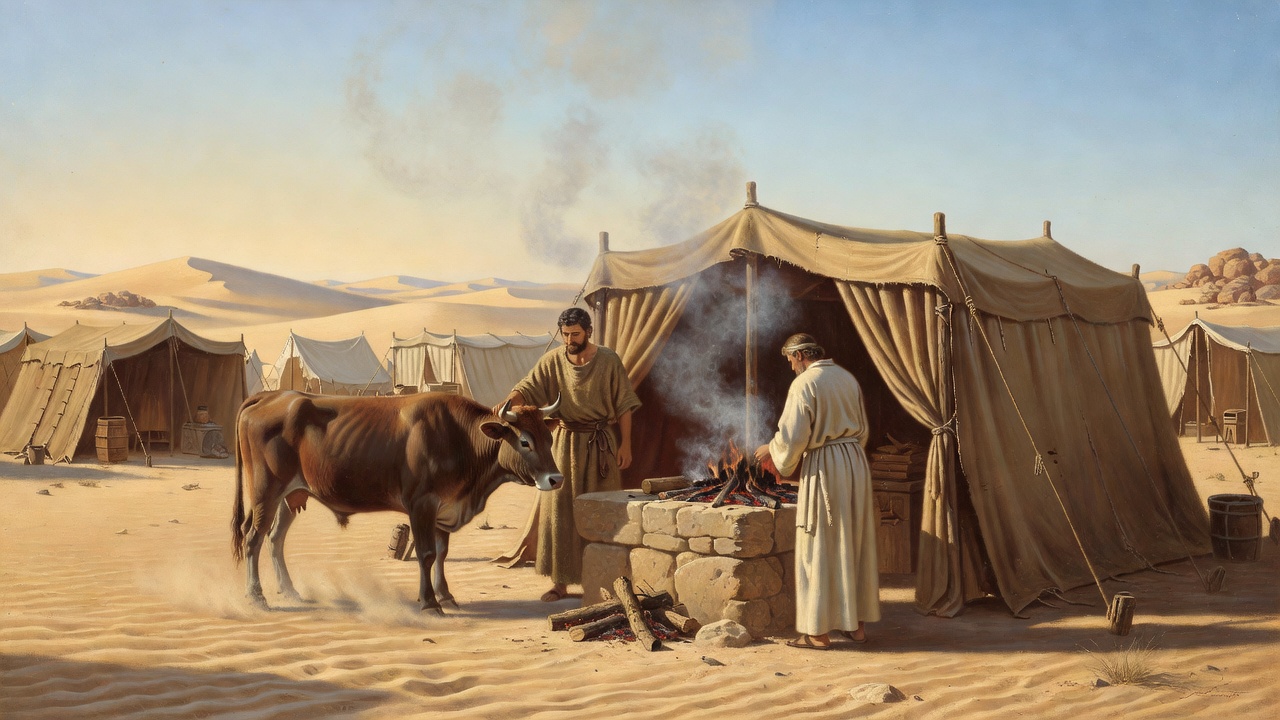
3If one’s offering is a burnt offering from the herd, he is to present an unblemished male. He must bring it to the entrance to the Tent of Meeting for its acceptance before the LORD. 4He is to lay his hand on the head of the burnt offering, so it can be accepted on his behalf to make atonement for him.
5And he shall slaughter the young bull before the LORD, and Aaron’s sons the priests are to present the blood and sprinkle it on all sides of the altar at the entrance to the Tent of Meeting. 6Next, he is to skin the burnt offering and cut it into pieces.
7The sons of Aaron the priest shall put a fire on the altar and arrange wood on the fire. 8Then Aaron’s sons the priests are to arrange the pieces, including the head and the fat, atop the burning wood on the altar. 9The entrails and legs must be washed with water, and the priest shall burn all of it on the altar as a burnt offering, an offering made by fire, a pleasing aroma to the LORD.
10If, however, one’s offering is a burnt offering from the flock—from the sheep or goats—he is to present an unblemished male. 11He shall slaughter it on the north side of the altar before the LORD, and Aaron’s sons the priests are to sprinkle its blood against the altar on all sides. 12He is to cut the animal into pieces, and the priest shall arrange them, including the head and fat, atop the burning wood that is on the altar. 13The entrails and legs must be washed with water, and the priest shall bring all of it and burn it on the altar; it is a burnt offering, an offering made by fire, a pleasing aroma to the LORD.
14If, instead, one’s offering to the LORD is a burnt offering of birds, he is to present a turtledove or a young pigeon. 15Then the priest shall bring it to the altar, twist off its head, and burn it on the altar; its blood should be drained out on the side of the altar. 16And he is to remove the crop with its contents and throw it to the east side of the altar, in the place for ashes. 17He shall tear it open by its wings, without dividing the bird completely. And the priest is to burn it on the altar atop the burning wood. It is a burnt offering, an offering made by fire, a pleasing aroma to the LORD.
Você sabia?
O Holocausto
- As instruções para o holocausto previam diferentes condições materiais, permitindo ofertas do gado, do rebanho (ovelhas ou cabras) ou aves (rolinhas ou pombinhos). Para o gado e o rebanho, exigia-se um macho sem defeito.Fontes: o próprio texto bíblico
- O ritual estabelecia uma divisão clara de tarefas entre o adorador e os sacerdotes. O ofertante trazia o animal, colocava a mão sobre sua cabeça para expiação, abatia-o, esfolava-o e lavava suas partes internas, enquanto os filhos de Arão aspergiam o sangue e queimavam toda a oferta sobre o altar.Fontes: o próprio texto bíblico · Aaron
Notas escritas com auxílio de IA a partir de fontes abertas (Theographic Bible Metadata, CC BY-SA 4.0; Easton’s Bible Dictionary, domínio público) e revisadas antes de publicar.
Créditos e licença desta tradução
Berean Standard Bible
The Holy Bible in English: Berean Standard Bible
Public Domain
Language: English
Contributor: BSB Publishing, LLC
2026-10-02
Fonte: http://ebible.org/engbsb/ · eBible.org