Jeremias 1
Berean Standard Bible · Toque num versículo para ver as referências cruzadas.
Sobre este livro
Sobre Jeremias
- O Dicionário Bíblico de Easton (1897) apresenta Jeremias, filho de Hilquias, sacerdote de Anatote, como um dos grandes profetas, chamado a esse ofício ainda jovem, no décimo terceiro ano de Josias (628 a.C.). Afirma que suas profecias abrangem cerca de trinta anos e não foram registradas em ordem cronológica, e que ninguém sabe quando nem como o livro assumiu a forma atual. O mesmo verbete supõe que, após um intervalo no Egito, Jeremias acrescentou mais três seções.Fontes: Easton: Jeremiah, Book of · Jeremiah
- O Dicionário Bíblico de Easton (1897) diz que Jeremias deixou Anatote, sua terra natal, e foi morar em Jerusalém, onde auxiliou a reforma de Josias, e que lamentou a morte de Josias como uma calamidade nacional. Data o reinado de onze anos de Jeoaquim em 610–599 a.C.: o faraó Neco havia deposto Joacaz e colocado Eliaquim no trono com o nome de Jeoaquim, e, no início desse reinado, a inimizade do povo contra Jeremias irrompeu em perseguição amarga. Depois que os caldeus derrotaram o Egito em Carquemis, o rei do Egito não voltou a participar da política judaica.Fontes: Jeremiah · Jehoiakim
- Zedequias, o terceiro filho de Josias, foi o último rei de Judá. Nabucodonosor o colocou no trono como sucessor de Joaquim e mudou seu nome de Matanias para Zedequias; o reino era então tributário de Nabucodonosor, e Jeremias era seu conselheiro. Após a destruição de Jerusalém, Nabucodonosor deixou Gedalias para governar o país como seu tributário em Mispá, a cerca de quatro milhas a noroeste da cidade, onde uns três meses depois Ismael matou Gedalias e os judeus que estavam com ele.Fontes: Zedekiah · Gedaliah · Mizpah
- O Dicionário Bíblico de Easton (1897) descreve o livro como vinte e três seções separadas, dispostas em cinco livros: uma introdução, repreensões aos pecados dos judeus, uma revisão das nações, seções que retratam esperanças de tempos melhores e uma conclusão, com apêndices históricos. Observa a repetição frequente das mesmas palavras, frases e imagens. Registra também que a Septuaginta difere muito na disposição e em outros detalhes e omite cerca de 2.700 palavras.Fontes: Easton: Jeremiah, Book of
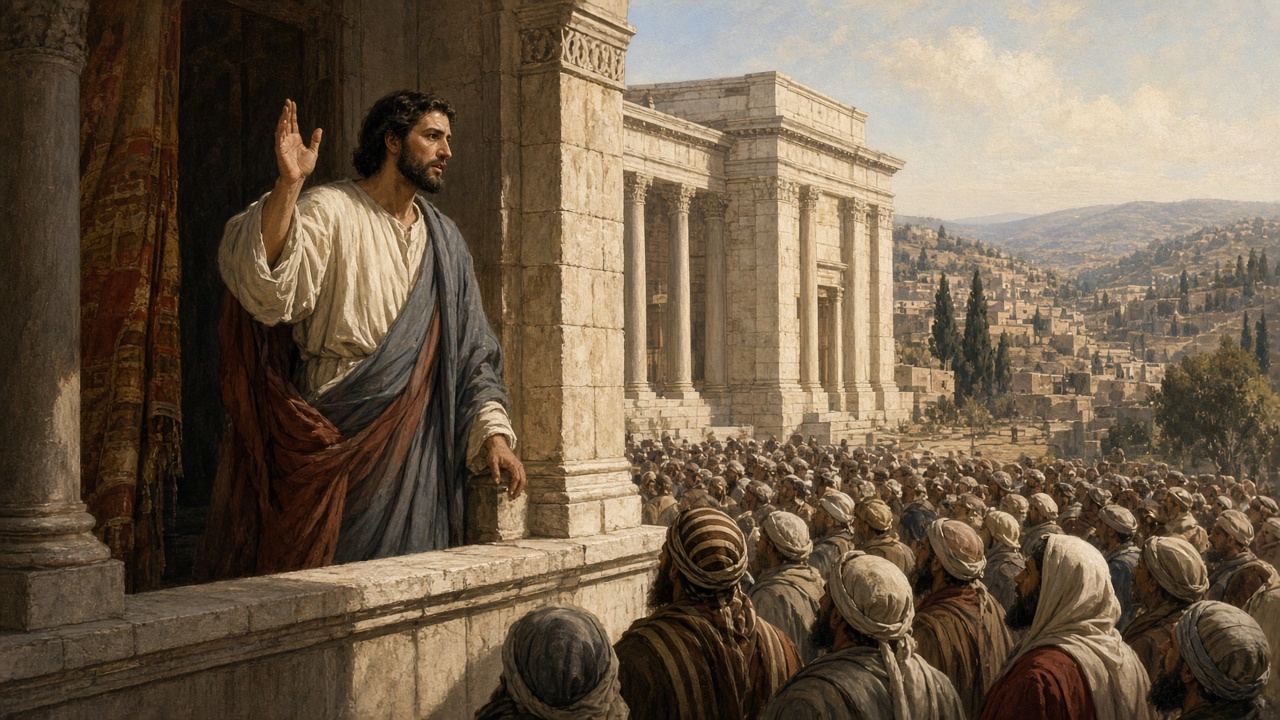
- Baruque, da tribo de Judá, foi secretário de Jeremias. Jeremias lhe ditou profecias sobre a invasão babilônica e o cativeiro; no quarto ano de Jeoaquim, Baruque as leu ao povo de uma janela do templo, depois aos conselheiros do rei e ao próprio rei. Depois de ouvir parte do rolo, Jeoaquim o cortou com um canivete e o lançou no fogo da sala de inverno onde estava sentado.Fontes: Baruch
Notas escritas com auxílio de IA a partir de fontes abertas (Theographic Bible Metadata, CC BY-SA 4.0; Easton’s Bible Dictionary, domínio público) e revisadas antes de publicar.
The Call of Jeremiah
1These are the words of Jeremiah son of Hilkiah, one of the priests in Anathoth in the territory of Benjamin.
2The word of the LORD came to Jeremiah in the thirteenth year of the reign of Josiah son of Amon king of Judah, 3and through the days of Jehoiakim son of Josiah king of Judah, until the fifth month of the eleventh year of Zedekiah son of Josiah king of Judah, when the people of Jerusalem went into exile.
4The word of the LORD came to me, saying:
5“Before I formed you in the womb I knew you,
and before you were born I set you apart
and appointed you as a prophet to the nations.”
6“Ah, Lord GOD,” I said, “I surely do not know how to speak, for I am only a child!”
7But the LORD told me:
“Do not say,
‘I am only a child.’
For to everyone I send you,
you must go,
and all that I command you,
you must speak.
8Do not be afraid of them,
for I am with you to deliver you,”
declares the LORD.
9Then the LORD reached out His hand, touched my mouth, and said to me:
“Behold, I have put My words
in your mouth.
10See, I have appointed you today
over nations and kingdoms
to uproot and tear down,
to destroy and overthrow,
to build and plant.”
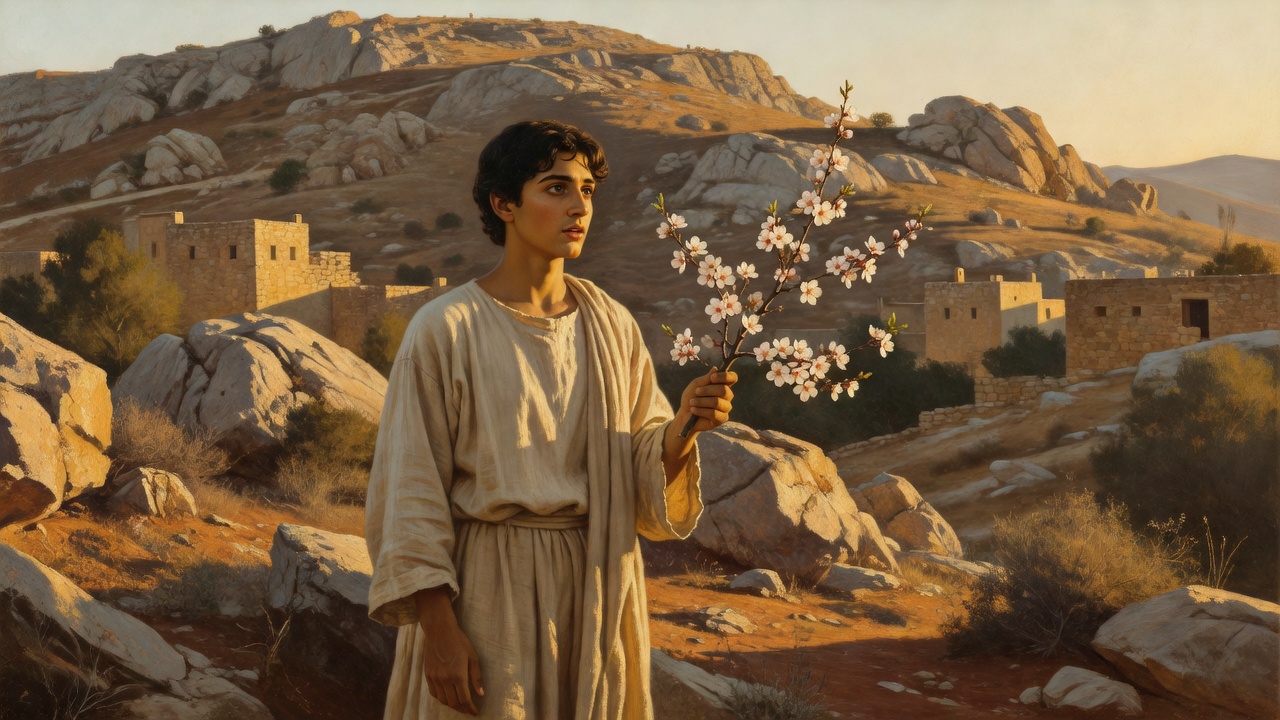
11And the word of the LORD came to me, asking, “Jeremiah, what do you see?”
“I see a branch of an almond tree,” I replied.
12“You have observed correctly,” said the LORD, “for I am watching over My word to accomplish it.”
13Again the word of the LORD came to me, asking, “What do you see?”
“I see a boiling pot,” I replied, “and it is tilting toward us from the north.”
14Then the LORD said to me, “Disaster from the north will be poured out on all who live in the land. 15For I am about to summon all the clans and kingdoms of the north,” declares the LORD.
“Their kings will come and set up their thrones
at the entrance of the gates of Jerusalem.
They will attack all her surrounding walls
and all the other cities of Judah.
16I will pronounce My judgments against them
for all their wickedness,
because they have forsaken Me
to burn incense to other gods
and to worship the works of their own hands.
17Get yourself ready. Stand up and tell them everything that I command you. Do not be intimidated by them, or I will terrify you before them. 18Now behold, this day I have made you like a fortified city, an iron pillar, and bronze walls against the whole land—against the kings of Judah, its officials, its priests, and the people of the land. 19They will fight against you but will never overcome you, since I am with you to deliver you,” declares the LORD.
Você sabia?
O Chamado e a Comissão de Jeremias
- Jeremias era filho de Hilquias e pertencia a uma família sacerdotal de Anatote, uma cidade no território da tribo de Benjamim, próxima a Jerusalém.Fontes: Jeremiah · Anathoth · o próprio texto bíblico
- Jeremias recebeu seu chamado profético no décimo terceiro ano do reinado de Josias, rei de Judá, e seu ministério estendeu-se por décadas através dos reinados de Jeoaquim e Zedequias, até o cativeiro de Jerusalém.Fontes: Jeremiah · Zedekiah · o próprio texto bíblico
- Sua vocação incluiu duas visões simbólicas: uma vara de amendoeira, indicando que Deus vigia sobre a sua palavra para cumpri-la, e uma panela fervente inclinada do norte, representando invasores estrangeiros que viriam contra Judá.Fontes: o próprio texto bíblico
Notas escritas com auxílio de IA a partir de fontes abertas (Theographic Bible Metadata, CC BY-SA 4.0; Easton’s Bible Dictionary, domínio público) e revisadas antes de publicar.
Lugares deste capítulo
Só aparecem lugares com identificação de alta confiança (90% ou mais segundo as fontes acadêmicas reunidas pelo OpenBible). Mapa da época: DARE (Digital Atlas of the Roman Empire), CC BY 4.0; mapa atual: © colaboradores do OpenStreetMap; lugares: OpenBible.info (CC BY 4.0).
Créditos e licença desta tradução
Berean Standard Bible
The Holy Bible in English: Berean Standard Bible
Public Domain
Language: English
Contributor: BSB Publishing, LLC
2026-10-02
Fonte: http://ebible.org/engbsb/ · eBible.org