Juízes 1
Berean Standard Bible · Toque num versículo para ver as referências cruzadas.
Sobre este livro
Sobre Juízes
- O livro se chama Juízes porque contém a história da libertação e do governo de Israel pelos homens que tinham esse título. O dicionário bíblico de Easton (1897) situa essa história em repetidos tempos de servidão a povos vizinhos e de libertação pelos juízes, e afirma que a cronologia de todo o período é incerta.Fontes: Easton: Judges, Book of
- O dicionário bíblico de Easton (1897) sustenta que o autor foi muito provavelmente Samuel e que o livro foi provavelmente composto durante o reinado de Saul ou bem no início do reinado de Davi. Easton observa que as palavras de Juízes 18:30–31 implicam uma data posterior à tomada da arca pelos filisteus e à sua instalação em Nobe, ao passo que, no reinado de Davi, a arca estava em Gibeão.Fontes: Easton: Judges, Book of
- Segundo o esquema de Easton, o livro tem uma introdução (1–3:6) que o liga à narrativa de Josué, a história de treze juízes (3:7–16:31) em quatro períodos e um apêndice (capítulos 17–21) sem ligação formal com o que vem antes. Se Eli e Samuel forem incluídos, Easton conta quinze juízes.Fontes: Easton: Judges, Book of
- O esquema de Easton apresenta o cenário como uma sucessão de servidões: sob Cusã-Risataim, da Mesopotâmia; sob Eglom, de Moabe; sob Jabim, de Hazor, em Canaã; sob Midiã, com Amaleque e os filhos do Oriente; sob os amonitas juntamente com os filisteus; e de novo sob os filisteus. Gideão, também chamado Jerubaal, inicia o que Easton chama de segundo período; Jefté, trazido de Tobe pelos anciãos de Gileade, julgou Israel durante seis anos depois de libertar o povo dos amonitas; Sansão, filho de Manoá, de Zorá, foi nazireu de Deus desde o nascimento.Fontes: Easton: Judges, Book of · Gideon · Jephthah · Samson
- O apêndice registra a conquista de Laís por uma parte da tribo de Dã e a quase extinção de Benjamim pelas outras tribos, porque Benjamim havia auxiliado os homens de Gibeá. Easton situa esses fatos apenas alguns anos após a morte de Josué e diz que eles mostram a degeneração religiosa e moral do povo. Easton também observa que Rute formava originalmente parte de Juízes e foi separada por volta de 450 d.C., sendo então colocada nas Escrituras hebraicas logo depois do Cântico dos Cânticos.Fontes: Easton: Judges, Book of · Gibeah
Notas escritas com auxílio de IA a partir de fontes abertas (Theographic Bible Metadata, CC BY-SA 4.0; Easton’s Bible Dictionary, domínio público) e revisadas antes de publicar.
The Conquest of Canaan Proceeds
1After the death of Joshua, the Israelites inquired of the LORD, “Who will be the first to go up and fight for us against the Canaanites?”
2“Judah shall go up,” answered the LORD. “Indeed, I have delivered the land into their hands.”
3Then the men of Judah said to their brothers the Simeonites, “Come up with us to our allotted territory, and let us fight against the Canaanites. And we likewise will go with you to your territory.” So the Simeonites went with them.
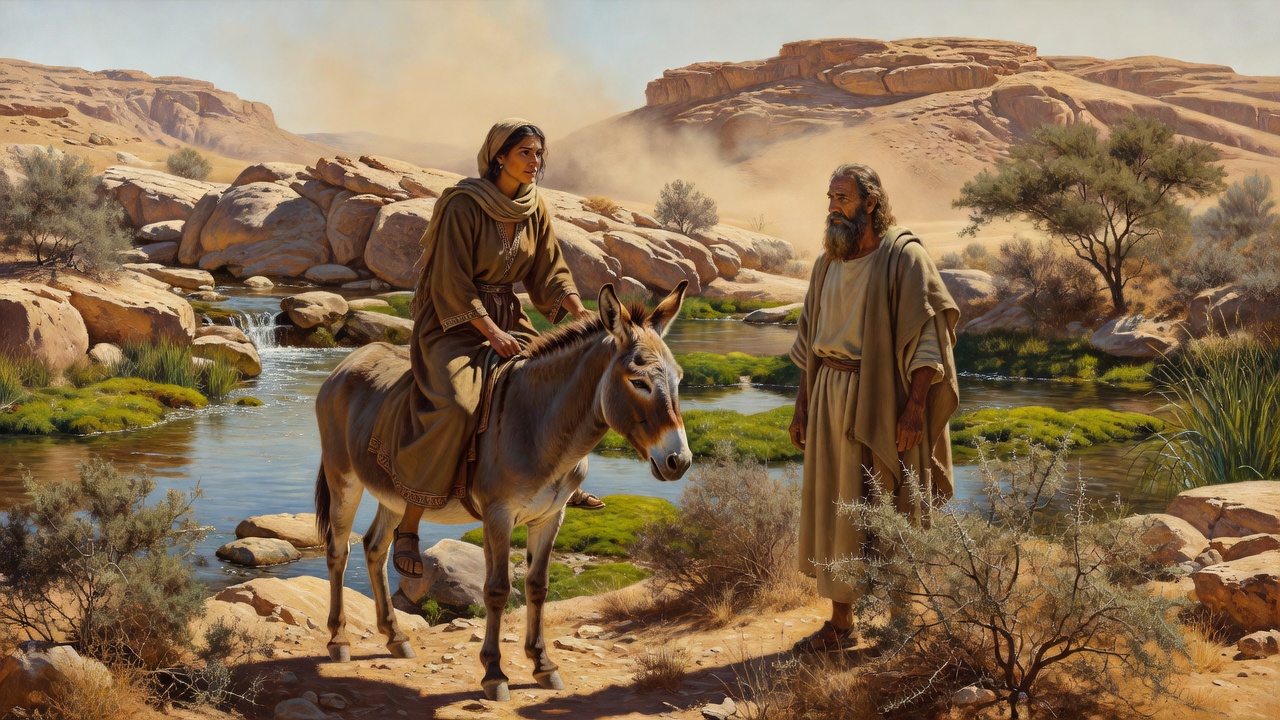
4When Judah attacked, the LORD delivered the Canaanites and Perizzites into their hands, and they struck down ten thousand men at Bezek. 5And there they found Adoni-bezek and fought against him, striking down the Canaanites and Perizzites.
6As Adoni-bezek fled, they pursued him, seized him, and cut off his thumbs and big toes. 7Then Adoni-bezek said, “Seventy kings with their thumbs and big toes cut off have gathered the scraps under my table. As I have done to them, so God has repaid me.” And they brought him to Jerusalem, where he died.
The Capture of Jerusalem and Hebron
8Then the men of Judah fought against Jerusalem and captured it. They put the city to the sword and set it on fire. 9Afterward, the men of Judah marched down to fight against the Canaanites living in the hill country, in the Negev, and in the foothills.
10Judah also marched against the Canaanites who were living in Hebron (formerly known as Kiriath-arba), and they struck down Sheshai, Ahiman, and Talmai.
11From there they marched against the inhabitants of Debir (formerly known as Kiriath-sepher). 12And Caleb said, “To the man who strikes down Kiriath-sepher and captures it, I will give my daughter Acsah in marriage.” 13So Othniel son of Caleb’s younger brother Kenaz captured the city, and Caleb gave his daughter Acsah to him in marriage.
14One day Acsah came to Othniel and urged him to ask her father for a field. When she got off her donkey, Caleb asked her, “What do you desire?”
15“Give me a blessing,” she answered. “Since you have given me land in the Negev, give me springs of water as well.”
So Caleb gave her both the upper and lower springs.
16Now the descendants of Moses’ father-in-law, the Kenite, went up with the men of Judah from the City of Palms to the Wilderness of Judah in the Negev near Arad. They went to live among the people.
17Then the men of Judah went with their brothers the Simeonites, attacked the Canaanites living in Zephath, and devoted the city to destruction. So it was called Hormah. 18And Judah also captured Gaza, Ashkelon, and Ekron—each with its territory. 19The LORD was with Judah, and they took possession of the hill country; but they could not drive out the inhabitants of the plains because they had chariots of iron.
20Just as Moses had promised, Judah gave Hebron to Caleb, who drove out the descendants of the three sons of Anak.
21The Benjamites, however, failed to drive out the Jebusites living in Jerusalem. So to this day the Jebusites live there among the Benjamites.
22The house of Joseph also attacked Bethel, and the LORD was with them. 23They sent spies to Bethel (formerly known as Luz), 24and when the spies saw a man coming out of the city, they said to him, “Please show us how to get into the city, and we will treat you kindly.”
25So the man showed them the entrance to the city, and they put the city to the sword but released that man and all his family. 26And the man went to the land of the Hittites, built a city, and called it Luz, which is its name to this day.
The Failure to Complete the Conquest
27At that time Manasseh failed to drive out the inhabitants of Beth-shean, Taanach, Dor, Ibleam, Megiddo, and their villages; for the Canaanites were determined to dwell in that land. 28When Israel became stronger, they pressed the Canaanites into forced labor, but they never drove them out completely.
29Ephraim also failed to drive out the Canaanites living in Gezer; so the Canaanites continued to dwell among them in Gezer.
30Zebulun failed to drive out the inhabitants of Kitron and Nahalol; so the Canaanites lived among them and served as forced laborers.
31Asher failed to drive out the inhabitants of Acco, Sidon, Ahlab, Achzib, Helbah, Aphik, and Rehob. 32So the Asherites lived among the Canaanite inhabitants of the land, because they did not drive them out.
33Naphtali failed to drive out the inhabitants of Beth-shemesh and Beth-anath. So the Naphtalites also lived among the Canaanite inhabitants of the land, but the inhabitants of Beth-shemesh and Beth-anath served them as forced laborers.
34The Amorites forced the Danites into the hill country and did not allow them to come down into the plain. 35And the Amorites were determined to dwell in Mount Heres, Aijalon, and Shaalbim. But when the house of Joseph grew in strength, they pressed the Amorites into forced labor. 36And the border of the Amorites extended from the Ascent of Akrabbim to Sela and beyond.
Você sabia?
As primeiras conquistas e desafios de Israel
- Por ser o Neguebe uma região árida no sul, Acsa, filha de Calebe, pediu ao pai fontes de água junto com a terra que havia recebido, obtendo tanto as fontes superiores quanto as inferiores.Fontes: o próprio texto bíblico · Achsah · Negeb
- A narrativa registra os antigos nomes cananeus de várias localidades conquistadas, incluindo Hebrom (anteriormente Quiriate-Arba), Debir (antes Quiriate-Sefer) e Betel (originalmente Luz).Fontes: o próprio texto bíblico · Hebron · Bethel (of Palestine)
- Embora a tribo de Judá tenha assumido o controle da região montanhosa, não conseguiu expulsar os habitantes das planícies porque aqueles defensores possuíam carros de ferro.Fontes: o próprio texto bíblico
Notas escritas com auxílio de IA a partir de fontes abertas (Theographic Bible Metadata, CC BY-SA 4.0; Easton’s Bible Dictionary, domínio público) e revisadas antes de publicar.
Lugares deste capítulo
- Jerusalem · 31.777, 35.234 · versículos 7, 8, 21
- Negeb · 31.245, 34.841 · versículos 9, 15, 16
- Shephelah · 31.692, 34.875 · versículo 9
- Hebron · Hoje: Tel Rumeida · 31.525, 35.102 · versículos 10, 20
- Gulloth-mayim · Hoje: within 5 km of Khirbet Rabud · 31.432, 35.015 · versículo 15
- Lower Gulloth · Hoje: within 5 km of Khirbet Rabud · 31.432, 35.015 · versículo 15
- Upper Gulloth · Hoje: within 5 km of Khirbet Rabud · 31.432, 35.015 · versículo 15
- Jericho · Hoje: Tell es Sultan · 31.872, 35.445 · versículo 16
- Zephath · Hoje: Tel Masos · 31.212, 34.958 · versículo 17
- Ashkelon · Hoje: Tel Ashkelon · 31.664, 34.546 · versículo 18
- Ekron · Hoje: Tel Miqne · 31.777, 34.852 · versículo 18
- Gaza · Hoje: Tell Harube · 31.504, 34.464 · versículo 18
- Luz · Hoje: Beitin · 31.923, 35.241 · versículo 23
- Megiddo · Hoje: Tel Megiddo · 32.585, 35.184 · versículo 27
- Taanach · Hoje: Tell Ta’anakh · 32.522, 35.219 · versículo 27
- Gezer · Hoje: Tel Gezer · 31.859, 34.919 · versículo 29
- Acco · Hoje: Tel Akko · 32.921, 35.088 · versículo 31
- Sidon · Hoje: Sandikli archaeological site in Sidon · 33.561, 35.372 · versículo 31
Só aparecem lugares com identificação de alta confiança (90% ou mais segundo as fontes acadêmicas reunidas pelo OpenBible). Mapa da época: DARE (Digital Atlas of the Roman Empire), CC BY 4.0; mapa atual: © colaboradores do OpenStreetMap; lugares: OpenBible.info (CC BY 4.0).
Créditos e licença desta tradução
Berean Standard Bible
The Holy Bible in English: Berean Standard Bible
Public Domain
Language: English
Contributor: BSB Publishing, LLC
2026-10-02
Fonte: http://ebible.org/engbsb/ · eBible.org