Tiago 1
Berean Standard Bible · Toque num versículo para ver as referências cruzadas.
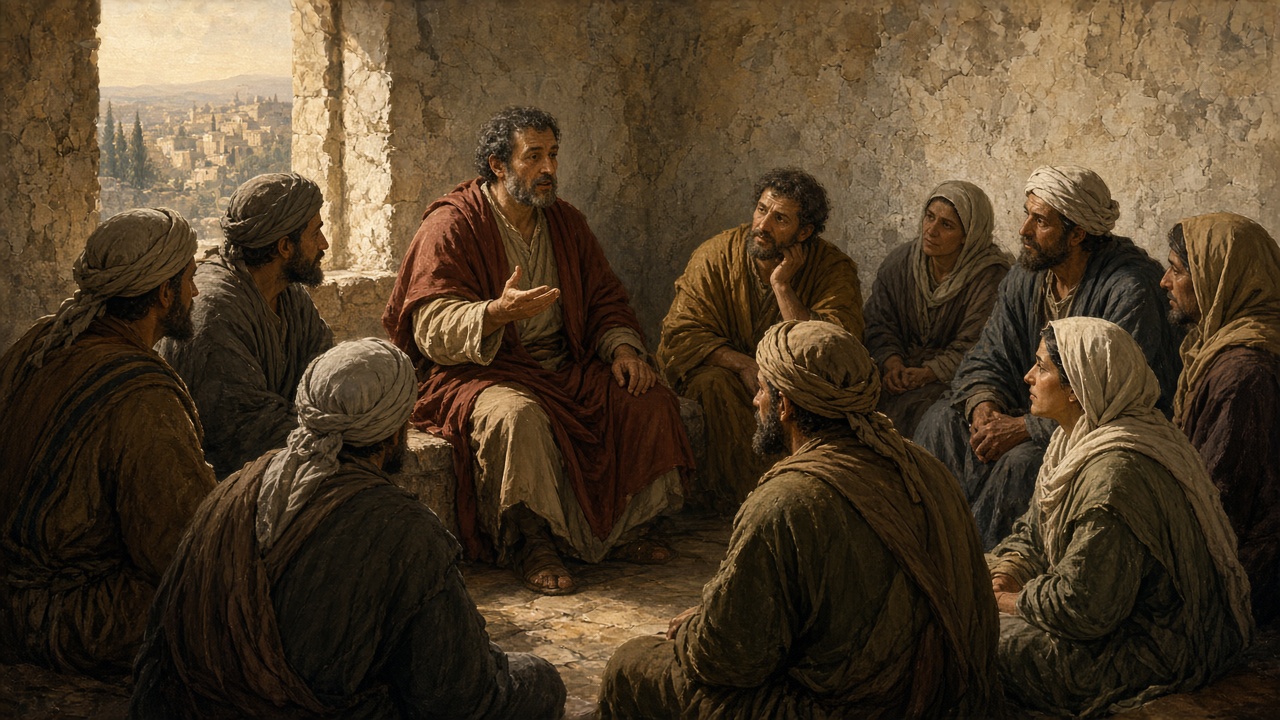
Sobre este livro
Sobre Tiago
- O Dicionário Bíblico de Easton (1897) identifica o autor como Tiago, o Menor, irmão do Senhor e um dos doze apóstolos, e como um dos três pilares da Igreja. Um verbete relacionado o chama de filho de Alfeu, ou Cleopas, parente próximo de Jesus, apelidado de "o Menor" ou "o Pequeno", provavelmente por ser baixo, e afirma que esse Tiago escreveu a carta que leva seu nome.Fontes: Easton: James, Epistle of · James (Brother of Jesus)
- O Dicionário Bíblico de Easton (1897) situa a redação em Jerusalém, onde Tiago morava, e, com base em indícios internos, no período entre as duas prisões de Paulo em Roma, provavelmente por volta de 62 d.C.Fontes: Easton: James, Epistle of
- A carta é dirigida aos judeus da dispersão, "as doze tribos espalhadas". O mesmo Tiago é descrito como líder da igreja em Jerusalém, onde presidiu o concílio que examinou a situação dos gentios.Fontes: Easton: James, Epistle of · James (Brother of Jesus)
- Segundo Easton, o autor buscava inculcar os deveres práticos da vida cristã, advertindo contra o formalismo, o fanatismo, o fatalismo, o curvar-se diante dos ricos, o uso falso de palavras e juramentos, o partidarismo, a maledicência, a jactância e a opressão. Ele apresenta como grande lição a paciência na provação, nas boas obras e sob provocação, opressão e perseguição, fundada na proximidade da vinda do Senhor, que haveria de corrigir as injustiças.Fontes: Easton: James, Epistle of
- Um verbete sobre Jó o cita, em relação a esta carta, como exemplo para as gerações seguintes de integridade e de paciência submissa nas calamidades mais severas.Fontes: Job
Notas escritas com auxílio de IA a partir de fontes abertas (Theographic Bible Metadata, CC BY-SA 4.0; Easton’s Bible Dictionary, domínio público) e revisadas antes de publicar.
A Greeting from James
1James, a servant of God and of the Lord Jesus Christ,
To the twelve tribes of the Dispersion:
Greetings.
Rejoicing in Trials
2Consider it pure joy, my brothers, when you encounter trials of many kinds, 3because you know that the testing of your faith develops perseverance. 4Allow perseverance to finish its work, so that you may be mature and complete, not lacking anything.
5Now if any of you lacks wisdom, he should ask God, who gives generously to all without finding fault, and it will be given to him. 6But he must ask in faith, without doubting, because he who doubts is like a wave of the sea, blown and tossed by the wind. 7That man should not expect to receive anything from the Lord. 8He is a double-minded man, unstable in all his ways.
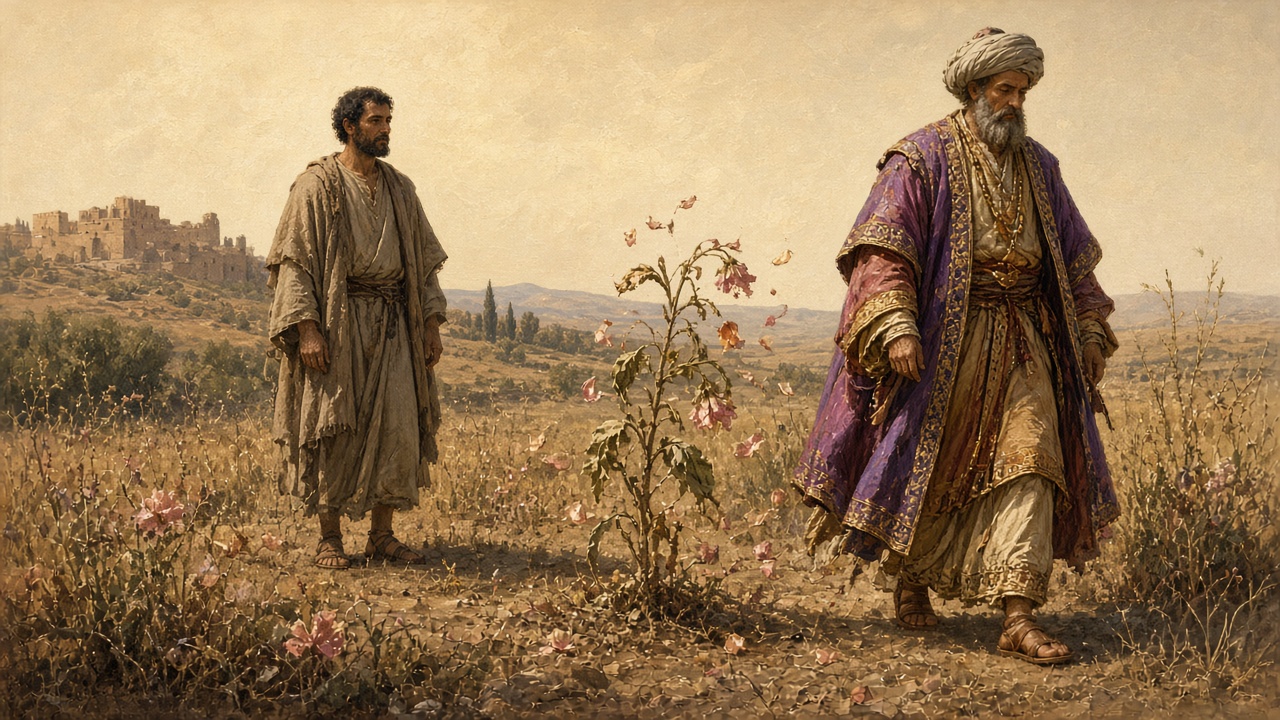
9The brother in humble circumstances should exult in his high position. 10But the one who is rich should exult in his low position, because he will pass away like a flower of the field. 11For the sun rises with scorching heat and withers the plant; its flower falls and its beauty is lost. So too, the rich man will fade away in the midst of his pursuits.
12Blessed is the man who perseveres under trial, because when he has stood the test, he will receive the crown of life that God has promised to those who love Him.
Good and Perfect Gifts
13When tempted, no one should say, “God is tempting me.” For God cannot be tempted by evil, nor does He tempt anyone. 14But each one is tempted when by his own evil desires he is lured away and enticed. 15Then after desire has conceived, it gives birth to sin; and sin, when it is full-grown, gives birth to death.
16Do not be deceived, my beloved brothers. 17Every good and perfect gift is from above, coming down from the Father of the heavenly lights, with whom there is no change or shifting shadow. 18He chose to give us birth through the word of truth, that we would be a kind of firstfruits of His creation.
Hearing and Doing
19My beloved brothers, understand this: Everyone should be quick to listen, slow to speak, and slow to anger, 20for man’s anger does not bring about the righteousness that God desires. 21Therefore, get rid of all moral filth and every expression of evil, and humbly accept the word planted in you, which can save your souls.
22Be doers of the word, and not hearers only. Otherwise, you are deceiving yourselves. 23For anyone who hears the word but does not carry it out is like a man who looks at his face in a mirror, 24and after observing himself goes away and immediately forgets what he looks like. 25But the one who looks intently into the perfect law of freedom, and continues to do so—not being a forgetful hearer, but an effective doer—he will be blessed in what he does.
26If anyone considers himself religious and yet does not bridle his tongue, he deceives his heart and his religion is worthless. 27Pure and undefiled religion before our God and Father is this: to care for orphans and widows in their distress, and to keep oneself from being polluted by the world.
Você sabia?
Provações e religião pura
- A carta começa em nome de “Tiago, servo de Deus e do Senhor Jesus Cristo”. Um relato tradicional o identifica como filho de Alfeu, ou Cléopas, chamado Tiago, “o Menor” ou “o Pequeno”, provavelmente porque era de baixa estatura, e como irmão, parente próximo ou primo de Jesus. Esse relato diz que ele parece ter chefiado a igreja em Jerusalém e que presidiu o concílio reunido para examinar o caso dos gentios.Fontes: James (Brother of Jesus) · o próprio texto bíblico
- Ele se dirige às “doze tribos da Dispersão” e as saúda como irmãos. Trata as provações de muitas espécies como uma prova da fé que desenvolve a perseverança, mas adverte que ninguém, ao ser tentado, deve dizer: “Deus está me tentando”, porque Deus não tenta ninguém.Fontes: o próprio texto bíblico
- O rico, diz ele, deve gloriar-se em sua condição humilde, porque passará como a flor do campo quando o sol nasce com calor abrasador e faz murchar a planta. A religião pura e imaculada, em suas palavras, consiste em cuidar dos órfãos e das viúvas em sua aflição e em guardar-se de ser contaminado pelo mundo.Fontes: o próprio texto bíblico
Notas escritas com auxílio de IA a partir de fontes abertas (Theographic Bible Metadata, CC BY-SA 4.0; Easton’s Bible Dictionary, domínio público) e revisadas antes de publicar.
Créditos e licença desta tradução
Berean Standard Bible
The Holy Bible in English: Berean Standard Bible
Public Domain
Language: English
Contributor: BSB Publishing, LLC
2026-10-02
Fonte: http://ebible.org/engbsb/ · eBible.org