2 Pedro 1
Berean Standard Bible · Toque num versículo para ver as referências cruzadas.
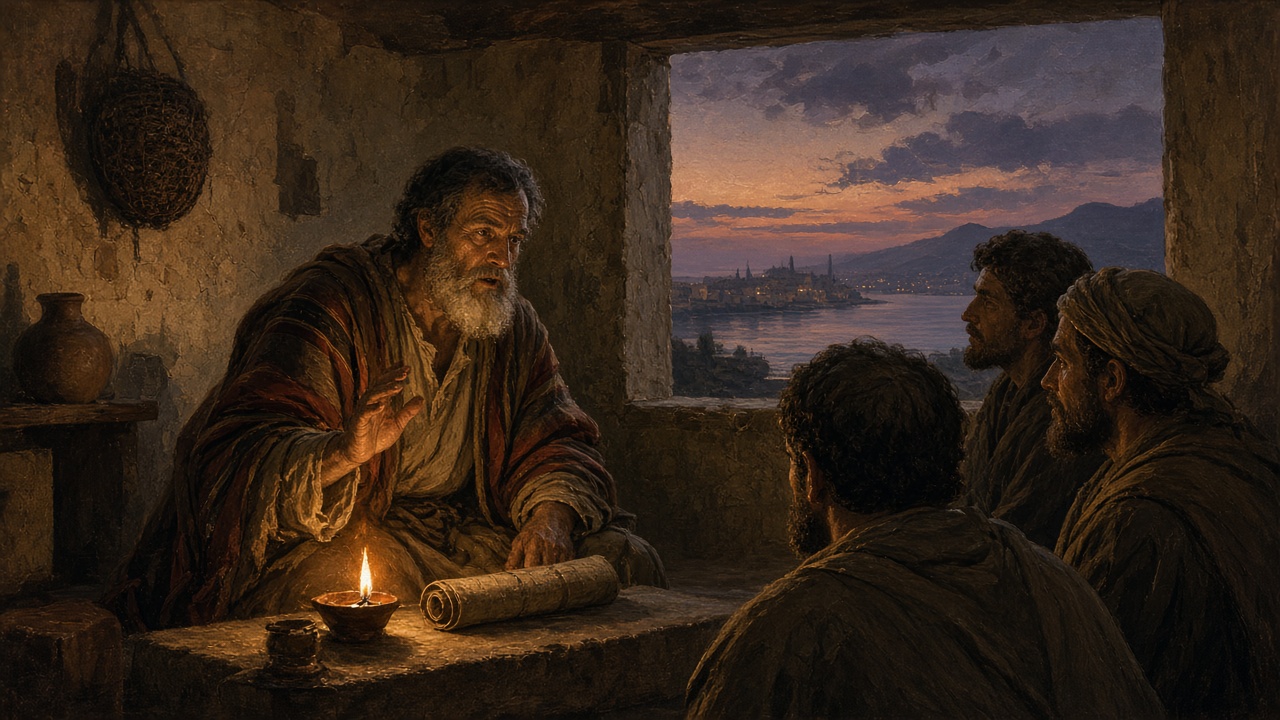
Sobre este livro
Sobre 2 Pedro
- A autenticidade da Segunda Epístola de Pedro tem sido muito discutida. O Easton's Bible Dictionary (1897) apresenta a carta como obra do apóstolo Pedro e diz que ela parece ter sido escrita pouco antes da morte dele.Fontes: Easton: Peter, Second Epistle of
- A carta traz o nome de Simão Pedro, originalmente chamado Simão, um nome judaico comum que significa “audição”. Ele era filho de Jona e irmão mais velho de André, e cresceu em Betsaida, na costa ocidental do mar da Galileia, onde foi preparado para o ofício de pescador.Fontes: Simon Peter
- Easton observa que a epístola contém onze referências ao Antigo Testamento. Entre elas, a destruição de Sodoma e Gomorra é citada como exemplo para os que depois vivem de modo ímpio; o dicionário de Easton (1897) afirma que não se havia encontrado vestígio dessas cidades da planície.Fontes: Easton: Peter, Second Epistle of · Sodom · Gomorrah
- A carta também contém uma referência notável às epístolas de Paulo (3:15–16); alguns, segundo Easton, pensam que ela aponta para 1 Tessalonicenses 4:13–5:11. Em 2 Pedro 2:15, o pai de Balaão, Beor, é chamado Bosor.Fontes: Easton: Peter, Second Epistle of · Beor
Notas escritas com auxílio de IA a partir de fontes abertas (Theographic Bible Metadata, CC BY-SA 4.0; Easton’s Bible Dictionary, domínio público) e revisadas antes de publicar.
A Greeting from Peter
1Simon Peter, a servant and apostle of Jesus Christ,
To those who through the righteousness of our God and Savior Jesus Christ have received a faith as precious as ours:
2Grace and peace be multiplied to you through the knowledge of God and of Jesus our Lord.
Partakers of the Divine Nature
3His divine power has given us everything we need for life and godliness through the knowledge of Him who called us by His own glory and excellence. 4Through these He has given us His precious and magnificent promises, so that through them you may become partakers of the divine nature, now that you have escaped the corruption in the world caused by evil desires.
5For this very reason, make every effort to add to your faith virtue; and to virtue, knowledge; 6and to knowledge, self-control; and to self-control, perseverance; and to perseverance, godliness; 7and to godliness, brotherly kindness; and to brotherly kindness, love. 8For if you possess these qualities and continue to grow in them, they will keep you from being ineffective and unproductive in your knowledge of our Lord Jesus Christ. 9But whoever lacks these traits is nearsighted to the point of blindness, having forgotten that he has been cleansed from his past sins.
10Therefore, brothers, strive to make your calling and election sure. For if you practice these things you will never stumble, 11and you will receive a lavish reception into the eternal kingdom of our Lord and Savior Jesus Christ.
12Therefore I will always remind you of these things, even though you know them and are established in the truth you now have. 13I think it is right to refresh your memory as long as I live in the tent of my body, 14because I know that this tent will soon be laid aside, as our Lord Jesus Christ has made clear to me. 15And I will make every effort to ensure that after my departure, you will be able to recall these things at all times.
Eyewitnesses of His Majesty
16For we did not follow cleverly devised fables when we made known to you the power and coming of our Lord Jesus Christ, but we were eyewitnesses of His majesty. 17For He received honor and glory from God the Father when the voice came to Him from the Majestic Glory, saying, “This is My beloved Son, in whom I am well pleased.” 18And we ourselves heard this voice from heaven when we were with Him on the holy mountain.
19We also have the word of the prophets as confirmed beyond doubt. And you will do well to pay attention to it, as to a lamp shining in a dark place, until the day dawns and the morning star rises in your hearts. 20Above all, you must understand that no prophecy of Scripture comes from one’s own interpretation. 21For no such prophecy was ever brought forth by the will of man, but men spoke from God as they were carried along by the Holy Spirit.
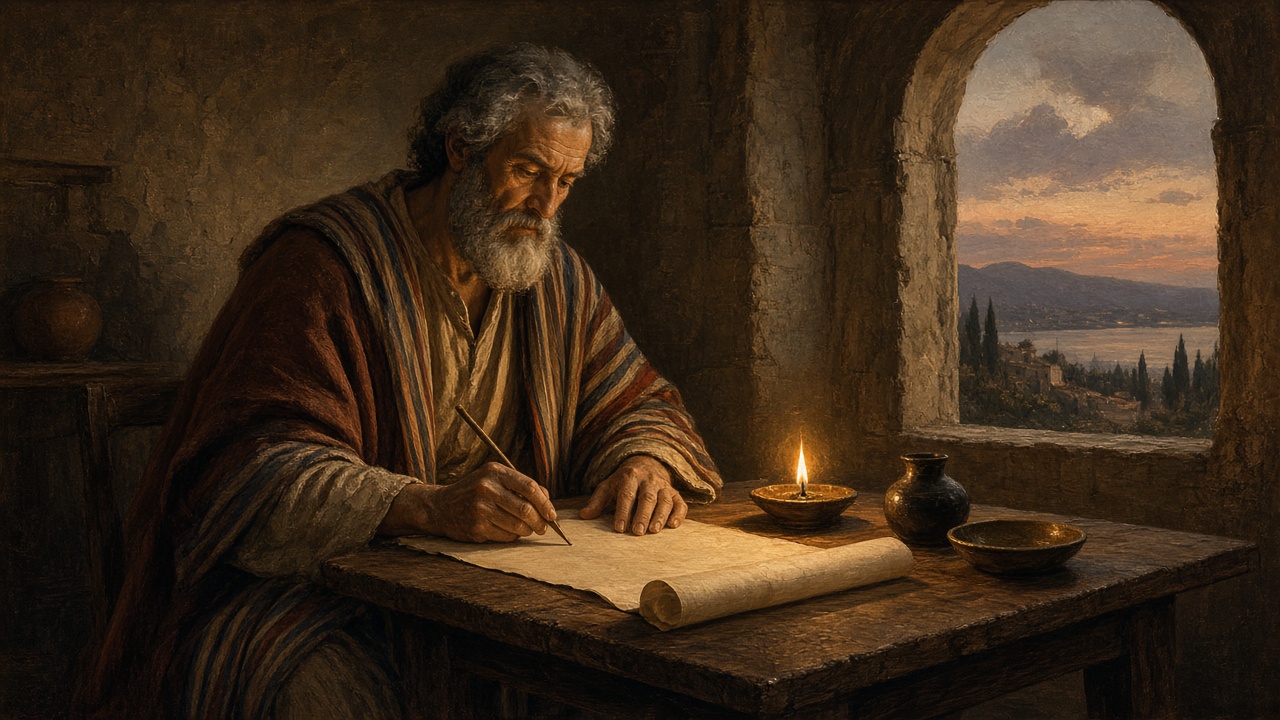
Você sabia?
Conhecimento e uma vida de piedade
- A carta começa em nome de Simão Pedro, servo e apóstolo de Jesus Cristo. Simão, o mesmo nome que Simeão, significa “ouvir” e era um nome judeu muito comum; ele era de Betsaida, na costa ocidental do mar da Galileia, e foi preparado para o ofício de pescador.Fontes: o próprio texto bíblico · Simon Peter
- Falando em primeira pessoa, Simão Pedro compara o corpo a uma tenda que em breve será posta de lado, algo que, segundo ele, o Senhor Jesus Cristo lhe deixou claro. Quer garantir que, depois da sua partida, os leitores possam se lembrar dessas coisas o tempo todo.Fontes: o próprio texto bíblico
- Simão Pedro diz que ele e outros não seguiram fábulas engenhosamente inventadas acerca do poder e da vinda do Senhor Jesus Cristo, mas foram testemunhas oculares da sua majestade e ouviram uma voz do céu no monte santo: “Este é o meu Filho amado, em quem me comprazo.” Acrescenta que nenhuma profecia da Escritura procede da interpretação própria de alguém, e que nenhuma profecia assim foi jamais produzida pela vontade humana; antes, homens falaram da parte de Deus, conduzidos pelo Espírito Santo.Fontes: o próprio texto bíblico
Notas escritas com auxílio de IA a partir de fontes abertas (Theographic Bible Metadata, CC BY-SA 4.0; Easton’s Bible Dictionary, domínio público) e revisadas antes de publicar.
Créditos e licença desta tradução
Berean Standard Bible
The Holy Bible in English: Berean Standard Bible
Public Domain
Language: English
Contributor: BSB Publishing, LLC
2026-10-02
Fonte: http://ebible.org/engbsb/ · eBible.org