Jó 10
Douay-Rheims 1899 · Toque num versículo para ver as referências cruzadas.
Job’s Plea to God
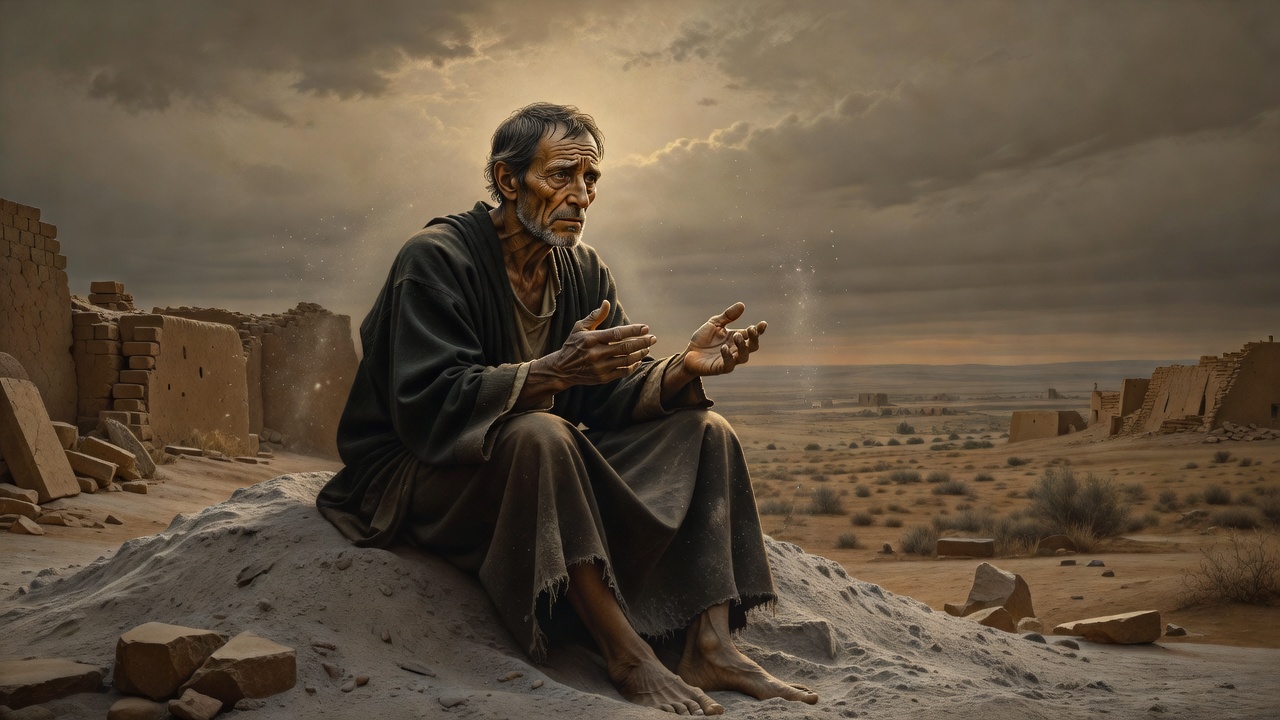
1My soul is weary of my life, I will let go my speech against myself, I will speak in the bitterness of my soul. 2I will say to God: Do not condemn me: tell me why thou judgest me so. 3Doth it seem good to thee that thou shouldst calumniate me, and oppress me, the work of thy own hands, and help the counsel of the wicked? 4Hast thou eyes of flesh: or, shalt thou see as man seeth? 5Are thy days as the days of man, and are thy years as the times of men: 6That thou shouldst inquire after my iniquity, and search after my sin? 7And shouldst know that I have done no wicked thing, whereas there is no man that can deliver out of thy hand. 8Thy hands have made me, and fashioned me wholly round about, and dost thou thus cast me down headlong on a sudden? 9Remember, I beseech thee, that thou hast made me as the clay, and thou wilt bring me into dust again. 10Hast thou not milked me as milk, and curdled me like cheese? 11Thou hast clothed me with skin and flesh: thou hast put me together with bones and sinews: 12Thou hast granted me life and mercy, and thy visitation hath preserved my spirit. 13Although thou conceal these things in thy heart, yet I know that thou rememberest all things. 14If I have sinned and thou hast spared me for an hour: why dost thou not suffer me to be clean from my iniquity? 15And if I be wicked, woe unto me: and if just, I shall not lift up my head, being filled with affliction and misery. 16And for pride thou wilt take me as a lioness, and returning thou tormentest me wonderfully. 17Thou renewest thy witnesses against me, and multipliest thy wrath upon me, and pains war against me. 18Why didst thou bring me forth out of the womb: O that I had been consumed that eye might not see me! 19I should have been as if I had not been, carried from the womb to the grave. 20Shall not the fewness of my days be ended shortly? suffer me, therefore, that I may lament my sorrow a little: 21Before I go, and return no more, to a land that is dark and covered with the mist of death: 22A land of misery and darkness, where the shadow of death, and no order, but everlasting horror dwelleth.
Você sabia?
O clamor de Jó sobre sua criação e mortalidade
- Em seu clamor a Deus, Jó recorre a imagens cotidianas antigas, como a fabricação de queijo e a olaria, para descrever a formação da vida humana no ventre materno, retratando Deus como quem molda o barro, derrama o leite e entretece carne e ossos.Fontes: o próprio texto bíblico
- Jó retrata a morada dos mortos como um lugar de escuridão profunda, sombras e desordem, suplicando a Deus por um breve alívio antes de partir para esse destino sem retorno.Fontes: o próprio texto bíblico
Notas escritas com auxílio de IA a partir de fontes abertas (Theographic Bible Metadata, CC BY-SA 4.0; Easton’s Bible Dictionary, domínio público) e revisadas antes de publicar.
Créditos e licença desta tradução
Douay-Rheims 1899
The Holy Bible in English, Douay-Rheims American Edition of 1899, translated from the Latin Vulgate
Public Domain
Language: English
Dialect: archaic American
Translation by: English College, Douai
This Public Domain Bible text is brought to you courtesy of eBible.org.
Help support free Bible access at https://eBible.org/give.php .
2022-11-03
Títulos de seção adaptados da Berean Standard Bible (domínio público); não fazem parte do texto bíblico desta tradução.
Fonte: http://ebible.org/engDRA/ · eBible.org