Job 10
Douay-Rheims 1899 · Toca un versículo para ver sus referencias cruzadas.
Job’s Plea to God
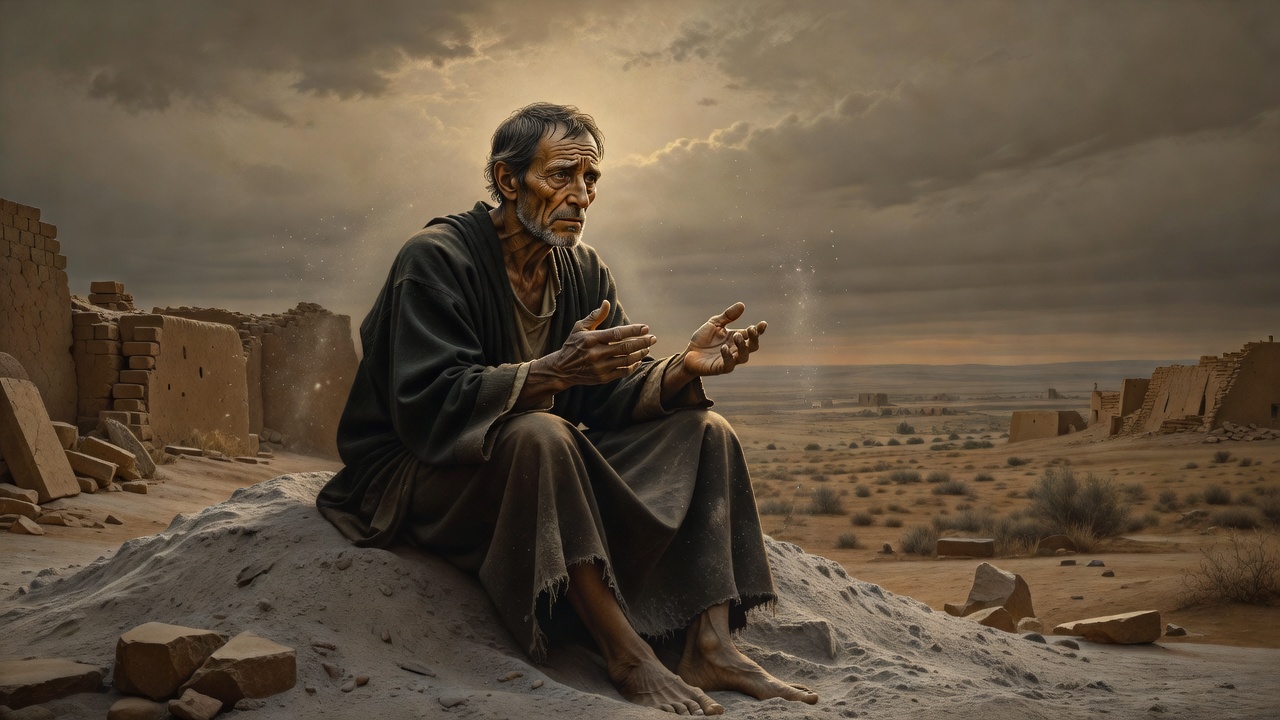
1My soul is weary of my life, I will let go my speech against myself, I will speak in the bitterness of my soul. 2I will say to God: Do not condemn me: tell me why thou judgest me so. 3Doth it seem good to thee that thou shouldst calumniate me, and oppress me, the work of thy own hands, and help the counsel of the wicked? 4Hast thou eyes of flesh: or, shalt thou see as man seeth? 5Are thy days as the days of man, and are thy years as the times of men: 6That thou shouldst inquire after my iniquity, and search after my sin? 7And shouldst know that I have done no wicked thing, whereas there is no man that can deliver out of thy hand. 8Thy hands have made me, and fashioned me wholly round about, and dost thou thus cast me down headlong on a sudden? 9Remember, I beseech thee, that thou hast made me as the clay, and thou wilt bring me into dust again. 10Hast thou not milked me as milk, and curdled me like cheese? 11Thou hast clothed me with skin and flesh: thou hast put me together with bones and sinews: 12Thou hast granted me life and mercy, and thy visitation hath preserved my spirit. 13Although thou conceal these things in thy heart, yet I know that thou rememberest all things. 14If I have sinned and thou hast spared me for an hour: why dost thou not suffer me to be clean from my iniquity? 15And if I be wicked, woe unto me: and if just, I shall not lift up my head, being filled with affliction and misery. 16And for pride thou wilt take me as a lioness, and returning thou tormentest me wonderfully. 17Thou renewest thy witnesses against me, and multipliest thy wrath upon me, and pains war against me. 18Why didst thou bring me forth out of the womb: O that I had been consumed that eye might not see me! 19I should have been as if I had not been, carried from the womb to the grave. 20Shall not the fewness of my days be ended shortly? suffer me, therefore, that I may lament my sorrow a little: 21Before I go, and return no more, to a land that is dark and covered with the mist of death: 22A land of misery and darkness, where the shadow of death, and no order, but everlasting horror dwelleth.
¿Sabías que…?
El clamor de Job sobre su creación y mortalidad
- En su clamor a Dios, Job recurre a imágenes domésticas antiguas como la elaboración del queso y la alfarería para describir la formación de la vida en el vientre, describiendo a Dios como quien moldea el barro, cuaja la leche y teje la carne y los huesos.Fuentes: el propio texto bíblico
- Job describe el reino de los muertos como una tierra de densa oscuridad, sombras y desorden, suplicando a Dios un breve respiro de consuelo antes de descender a un destino sin retorno.Fuentes: el propio texto bíblico
Notas escritas con ayuda de IA a partir de fuentes abiertas (Theographic Bible Metadata, CC BY-SA 4.0; Easton’s Bible Dictionary, dominio público) y revisadas antes de publicarse.
Créditos y licencia de esta traducción
Douay-Rheims 1899
The Holy Bible in English, Douay-Rheims American Edition of 1899, translated from the Latin Vulgate
Public Domain
Language: English
Dialect: archaic American
Translation by: English College, Douai
This Public Domain Bible text is brought to you courtesy of eBible.org.
Help support free Bible access at https://eBible.org/give.php .
2022-11-03
Títulos de sección adaptados de la Berean Standard Bible (dominio público); no forman parte del texto bíblico de esta traducción.
Fuente: http://ebible.org/engDRA/ · eBible.org