Lucas 11
Nǫ̀htsı̨̨ Nı̨̨htł'è · Toque num versículo para ver as referências cruzadas.
Dànì yats'ehtı
1Įłàà Zezì yaı̨htı tł'axǫǫ̀ wecheekeè ı̨łè yets'ǫ̀ hadı, “K'àowo, dànì yats'ehtı ha hoghàgoı̨htǫ, John-Baptıst edecheekeè hoghàgoèhtǫ lanì,” yèhdı.
2Zezì gots'ǫ̀ hadı, “Yaahtı nı̨dè dıı haahdı:
‘Gotà, nıızì degaı ts'edı hǫt'e. Nı̨ k'àı̨wo k'ę̀ę̀ hòɂǫ welè.
3Dzę taàt'eè wet'à ts'eedaa goghànı̨dı.
4Dǫ gok'èch'a nàhogehdèe sìı gıhołı̨į̀ gıghǫ nahots'eele t'à, gohołı̨į̀ goghǫ nahoı̨le.
Hołı̨ı̨ goèhdzà ch'à gok'ènedì,’ ” gòhdı.
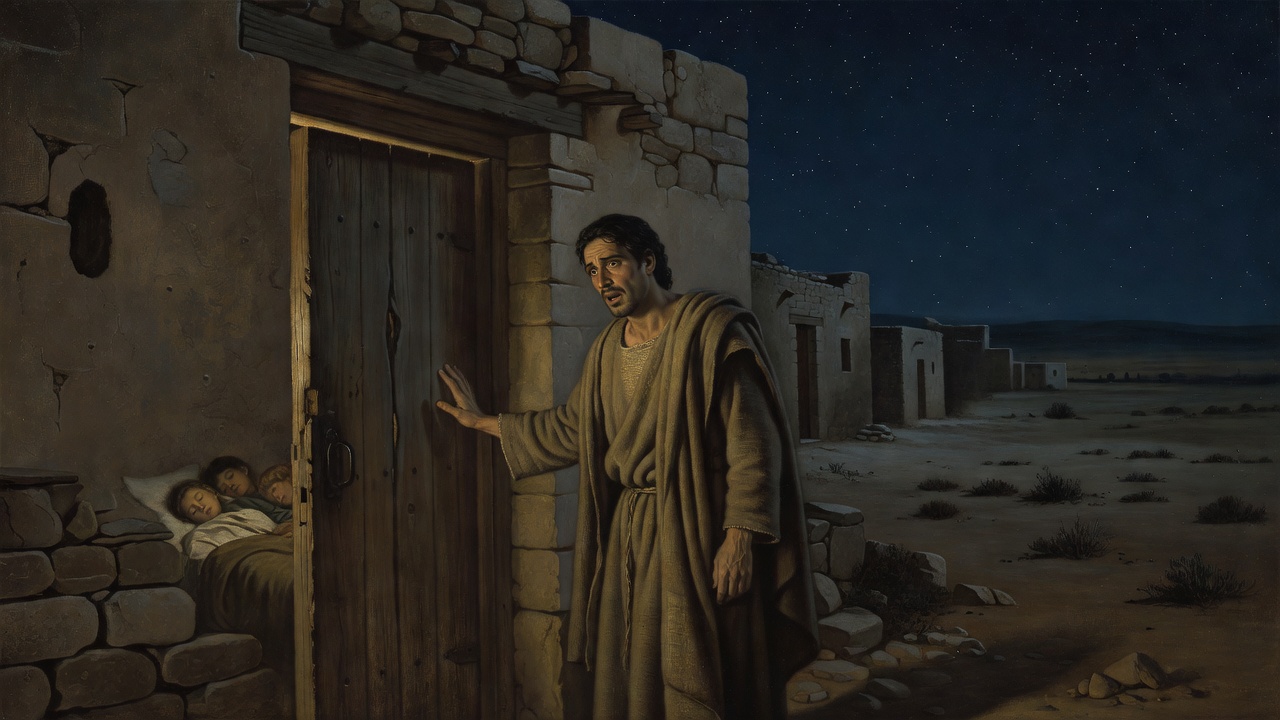
5Zezì gots'ǫ̀ hadı, “Dǫ ı̨łè weàgı̨ą gǫ̀hłı̨ ts'ııdì. Totanı weàgı̨ą yets'àèhtła, hayèhdı, ‘Àgı̨ą, łèt'è taı seghǫnìı̨le. 6Seàgı̨ą nıwà gots'ǫ seghǫnììtła, hanìkò t'asìı wı̨ı̨zìı weghàehdı ha sets'ǫ-le,’ yèhdı.
7“Dǫ edekǫ̀ goyìı whedaa sìı yets'ǫ̀ hadı, ‘Naı̨tłe. Hòt'a enìı̨ɂa eyıts'ǫ seza sexè geète. T'asìı neghàehchı ha nets'ǫ̀ neèhtła ha dìì,’ yèhdı. 8Ehkw'ı anaxèehsı̨, yeàgı̨ą elı̨ kò, łèt'è yeghàɂeedı ha yets'ǫ̀ nıìtła ha nıìle, hanìkò weàgı̨ą k'èdaà yeekè ts'ıhɂǫ̀, t'aa nıwǫ ts'ǫ̀ yeghàɂeedı ha hǫt'e.
9“Eyıt'à dıı hanaxèehsı̨: Aahkè nı̨dè naxıghǫ̀t'à ha; wekak'eaht'į̀ nı̨dè wegòahɂà ha; enìı̨tǫ ts'aaht'ı nı̨dè naxıts'ǫ̀ enìxàetį̀ ha. 10T'aa eekèe sìı t'asìı weghǫ̀t'à ha; amìı t'asìı hak'eet'į̀ı̨ sìı yegòhɂà ha; eyıts'ǫ amìı enìı̨tǫ ts'aht'ıı sìı wets'ǫ̀ enìxàetį̀ ha.
11“Naxı̨ gotà yàahłı̨ı̨ sìı naxızaa łıwe naxıgeekè nı̨dè asį̀į̀ gòo gıghàahɂà ha? 12Hanì-le-ı̨dè eyè naxıgeekè nı̨dè asį̀į̀ nàèdıłı̨ı̨-k'àle lanıı gıghàahɂà ha? 13Naxı̨ hołı̨ı̨-hoahtsı̨ı̨-dǫǫ̀ aaht'e kò, naxızaa t'asìı nezı̨ı̨ gıghàahłe k'èhoahsǫ. Naxıtà yak'e whedaa sìı naxınahk'e t'asìı nezı̨ı̨ naxıghàɂà ha hǫt'e. Dǫ Yedàyeh Nezı̨ı̨ geekè nı̨dè gots'ǫ̀ ayele ha hǫt'e!” Zezì gòhdı.
Zezì eyıts'ǫ ı̨nìłı̨ı̨ gha k'àowo
14Zezì dǫ ı̨łè ı̨nìłı̨ı̨ t'à gode-le gots'ǫ ı̨nìłı̨ı̨ xàdeèzhì tł'axǫǫ̀ dǫ gode anajà. Eyıt'à dǫ hazǫǫ̀ gıgha enıìyah dìì. 15Hanìkò dǫ mǫ̀hdaa hagedı, “Įnìłı̨ı̨ gha k'àowo dahxà ı̨nìłı̨ı̨ xàdeezhıì at'ı̨,” gedı. 16Dǫ mǫ̀hdaa Zezì geèhdzà ha gı̨ı̨wǫ t'à, “Yak'e gots'ǫ gogha enıìyah hoı̨htsı̨,” gıìhdı.
17Hanìkò dànì nànıgedèe sìı Zezì gok'èezǫ t'à hagòhdı, “K'àowocho wenèk'e dǫ ełets'ǫ̀ xànıgı̨ı̨ɂa nı̨dè k'àowo wenèè weghǫ wedıhołè ha. Eyıts'ǫ ı̨łèhkǫ̀ goyìı dǫ ełek'èch'a geeda nı̨dè dǫ gıxè hoìla agode ha. 18Wehłı̨ı̨ edek'èch'a at'ı̨ nı̨dè k'àhowo-le ade ha. ‘Įnìłı̨ı̨ gha k'àowo yets'àdı t'à ı̨nìłı̨ı̨ xàdeehshı,’ sèahdı ts'ıhɂǫ̀ aehsı̨. 19Ekò ı̨nìłı̨ı̨ gha k'àowo sets'àdı t'à ı̨nìłı̨ı̨ xàdeehshı nı̨dè naxıcheekeè amìı dahxà ı̨nìłı̨ı̨ xàdegeezhı? Eyıt'à naxıcheekeè naxısınìyagehtı ha hǫt'e. 20Hanìkò Nǫ̀htsı̨ wedahxà ı̨nìłı̨ı̨ xàdeehshı nı̨dè Nǫ̀htsı̨ Wenàowoò naxıts'ǫ̀ ajà hǫt'e.
21“Dǫ nàtsoo behcho t'à edekǫ̀ goxoehdı nı̨dè, wets'ǫ t'asìı ets'eeɂį̀ ha nıìle. 22Hanìkò behcho wet'ǫ̀ǫ̀ t'asawedle ha-le nıwǫǫ sìı dǫ yenahk'e nàtso yedaèt'è t'à behcho yeghǫnıìchì nı̨dè t'asìı hazǫǫ̀ wets'ǫ sìı yeghǫnıìle ha.
23“Dǫ sexè at'ı̨-le sìı sek'èch'a at'ı̨ hǫt'e eyıts'ǫ amìı sexè dǫ nàgehtsį̀-le sìı sek'èch'a aget'ı̨ hǫt'e.
24“Įnìłı̨ı̨ dǫ yìı gots'ǫ xàèhtła nı̨dè ekìı-ka nèk'e hazǫǫ̀ wek'eèhoowo. Edı̨į̀ nahoezì ha sìı hak'eet'į̀, hanìkò yegòhɂà-le. Eyıt'à hadı, ‘Edı̨į̀ gots'ǫ xàèhtłaa sìı ekǫ anahde ha,’ hadı. 25Dǫ yìı nǫ̀ǫtła nı̨dè, t'asìı hazǫǫ̀ nezı̨į̀-ela nǫǫ̀ nıwǫ ha. 26Eyıt'à k'achı̨ xàèhtła. Įnìłı̨ı̨ łǫ̀hdı̨ yenahk'e sıì gıjıı sìı edexè goyagoèwa gà dǫ yìı nàgedè. Eyı dǫ t'akwe nahk'e deɂǫ̀ǫ̀ wexè gots'eèdıì agòjà,” Zezì gòhdı.
27Zezì hadı ekò ts'èko ı̨łè dǫnı whezeh hadı, “Ts'èko nènìı̨htı̨ı̨ eyıts'ǫ t'òò t'à neèhsǫǫ sìı wexè sìghà hǫt'e,” hadı.
28Hanìkò Zezì yets'ǫ̀ hadı, “Dıı hats'edıı denahk'e nezı̨ hǫt'e: Nǫ̀htsı̨ weyatıì egıìkw'oo xè gık'ę̀ę̀ edaa sìı gıxè sìghà hǫt'e,” yèhdı.
Dǫ enıìyah deè geekè
29Dǫ łǫ Zezì gà ełèwhede ekò gots'ǫ̀ hadı, “Dıı dǫ hołı̨ı̨-nàowoò k'ę̀ę̀ geedaa sìı enıìyah deè geɂį̀ ha gı̨ı̨wǫ hanìkò hanıı wı̨ı̨zìı geɂį̀ ha-le. Nǫ̀htsı̨ dànì nakwenàoɂǫǫ Jonah xè enıìyah eghàlaı̨dàa sìı eyı zǫ geɂį̀ ha. 30Nakwenàoɂǫǫ Jonah Nıneveh got'ı̨į̀ gogha enıìyah lanì ı̨lè. Eyı xèht'eè Dǫ-wet'àaɂàa-deè, dıì dǫ geedaa sìı gogha enıìyah lanì hǫt'e. 31Dǫ hazǫǫ̀ gısınìyaetı nı̨dè, sazı̨ nèk'e gots'ǫ ts'èko-k'àowo dıı dǫ gota nàwo ha, ‘Dıı dǫ ekǫ-le eghàlagı̨ı̨dà,’ gòhdı ha. Eyı ts'èko-k'àowo wenèk'e ts'ǫ̀ nıwà kò, k'àowocho Solomon wenàowoò gǫǫzǫǫ yeèhkw'ǫ ha nıwǫ t'à yets'àèhtła ı̨lè. Hanìkò dıì Solomon nahk'e elı̨ı̨ sìı jǫ wheda hǫt'e. 32Dǫ hazǫǫ̀ gısınìyaetı nı̨dè, Nıneveh got'ı̨į̀ dıı dǫ xè nàgeèhza ha, ‘Dıı dǫ ekǫ-le eghàlagı̨ı̨dà,’ gedı ha. Nakwenàoɂǫǫ Jonah Nıneveh got'ı̨į̀ gots'ǫ̀ goı̨de ekò edek'egı̨ı̨lı̨ xè gınì ładı̨į̀ ajà ı̨lè. Hanìkò dıì Jonah nahk'e elı̨ı̨ sìı jǫ wheda hǫt'e,” Zezì gòhdı.
Godaà sìı gozhį̀į̀ gha ek'aèk'ǫ lanì hǫt'e
33Zezì dǫ ts'ǫ̀ hadı, “Dǫ wı̨ı̨zìı tłeèk'ǫ̀ǫ yìhtła gà deɂı̨į̀ nèyeechı nıìle, hanì-le-ı̨dè tǫ tł'a nèyeechı nıìle, hanìkò ı̨dòo dawheɂǫǫ̀ ayehɂı̨. Hanì-ı̨dè dǫ goyageedèe sìı wet'à gıgha dzęh ha. 34Naxıdaà sìı naxızhį̀į̀ gha ek'aèk'ǫ lanì hǫt'e. Naxıdaà nezı̨ nı̨dè naxızhį̀į̀ hazǫǫ̀ gha dzęh lagǫ̀ht'e ha. Ekò naxıdaà nezı̨-le nı̨dè naxızhį̀į̀ hazǫǫ̀ gha togoòtł'òo agǫ̀ht'e ha. 35Eyıt'à naxıyìı dzęh wheɂǫǫ sìı wet'à togoòtł'ò welè sǫ̀ǫ̀. 36Eyıt'à naxızhį̀į̀ hǫt'ıì gha dzęh agǫ̀ht'e eyıts'ǫ naxıgha togoòtł'òo whìle nı̨dè t'aats'ǫǫ̀ naxıgha dzęh agǫ̀ht'e ha, ek'aèk'ǫ naxık'e nı̨ı̨dı̨ lanì ha,” gòhdı.
Zezì k'aodèe goghǫnatı̨ı̨ɂǫ
37Zezì dǫ ts'ǫ̀ gode ghǫ nǫǫt'e ekò Pharısee ı̨łè Zezì yexè shètı̨ ha yekayaı̨htı. Eyıt'à Zezì yekǫ̀ goyaèhtła, yexè shètı̨ ha ladà gà dètsǫhtı̨. 38Zezì shètı̨ kwe edılà k'enaı̨htso-le. Pharısee nàyèhzhį̀ t'à wegha enıìyah lanì.
39Eyıt'à Zezì hayèhdı, “Naxı̨ Pharısee yàahłı̨ı̨ sìı lıbò eyıts'ǫ kw'à weka zǫ k'enaahtse, hanìkò naxıdzeè yìı aahdı-le xè dǫ wejıı laaht'e. 40Goahsǫ-le dìì! Amìı gozhį̀į̀ weka yèhtsı̨ı̨ sìı goyìı sı yèhtsı̨ hǫt'e. 41Ayìı naxıkw'à yìı wheɂǫǫ sìı dǫ-teèt'ı̨ı̨ ghàahɂà. Hanì-ı̨dè deghàà edek'enaahtso lanì ha.
42“Naxı̨ Pharısee yàahłı̨ı̨ sìı, naxıgha hoìla nechà ha! Įt'ǫ̀ hazǫǫ̀ xàɂaa nàahtsį̀ı̨ sìı wets'ǫ hoònǫ ı̨łè Nǫ̀htsı̨ ghàahɂà. Hanìkò ehkw'ı ełesınìyats'ehtıı eyıts'ǫ Nǫ̀htsı̨ ghǫnets'eètǫǫ eyı hanıı ts'ǫnıahɂà-le. Eyı weghàlaahda ha ı̨lè eyıts'ǫ t'asìı nezı̨ı̨ eyıì-le weghàlaahdaa sìı, wedę aahłe ha-le.
43“Naxı̨ Pharısee yàahłı̨ı̨ sìı, naxıgha hoìla ha! Ełègehdèe-kǫ̀ goyìı dǫ wet'àaɂàa gıgha daèhchı̨ whelaa sìı k'e dahkw'e ghaahwhı. Eyıts'ǫ kǫ̀ta k'eahdè nı̨dè dǫ naxıts'ǫ̀ nezı̨į̀ agedı ha dahwhǫ, eyıt'à naxıgha hoìla ha.
44“Naxı̨ Pharısee yàahłı̨ı̨ sìı, naxıgha hoìla nechà ha! Dǫkw'ǫǫ̀ wemǫǫ̀hts'ǫ wek'e whetǫ-le laaht'e. Dǫ gık'e k'edè kò gık'èezǫ-le. Dǫkw'ǫǫ̀ whetǫǫ gık'èezǫ nı̨dè gık'e k'edè ha-le ı̨lè,” Zezì hadı.
45Nǫ̀htsı̨-yatıì-k'èdìı-dǫǫ̀ ı̨łè Zezì ts'ǫ̀ hadı, “K'àowo, Pharısee gı̨ı̨lı̨ı̨ sìı hanì gıghǫ goı̨de nı̨dè goxı̨ sı gok'adaı̨wo aı̨dı hǫt'e,” yèhdı.
46Zezì yets'ǫ̀ hadı, “Naxı̨ Nǫ̀htsı̨-yatıì-k'èahdìı-dǫǫ̀ yàahłı̨ı̨ sìı naxıgha hoìla ha! T'asìı nedàa dǫ k'e nìahłe, gıgha nedà t'à ı̨kaa nagıage whìle. Hanìkò naxı̨ sìı naxılakw'ǫǫ̀ ı̨łàet'ea t'à gıts'àahdı nıìle.
47“Naxıgha hoìla nechà ha! Naxı̨, nakwenàoɂǫǫ gıgha kwe yìı dǫkw'ǫǫ̀ whelaa k'è gòahtsı̨, hanìkò naxıcho nakwenàoɂǫǫ ełaàgogį̀ı̨hdè hǫt'e. 48Eyıt'à naxıcho dàgıat'į̀ı̨ sìı naxıgha ehkw'ı agıat'į̀ dàahdı lanì hǫt'e. Ededı̨ sìı nakwenàoɂǫǫ ełaàgogį̀ı̨hdè, ekò naxı̨ sìı gıkw'ǫǫ̀ whelaa k'è gòahtsı̨. 49Nǫ̀htsı̨ t'asìı hazǫǫ̀ k'èezǫ t'à t'akwe whaà dıı hadıì xàyaı̨htı ı̨lè, ‘Nakwenàoɂǫǫ eyıts'ǫ dǫ segha gogedee sìı gıts'ǫ̀ ahłe ha. Mǫ̀hdaa ełaàgogìhde ha eyıts'ǫ mǫ̀hdaa dagogį̀ı̨hɂa ha.’ 50Eyıt'à dıı nèè hòèlı̨ gots'ǫ nakwenàoɂǫǫ hazǫǫ̀ ełaàgogį̀ı̨hdèe sìı dıı dǫ gık'e nìdahoet'à ha hǫt'e. 51Abè ełaàwìgwo gots'ǫ, nakwenàoɂǫǫ Zecharıah ełaàwìgwo haı̨wa gots'ǫ̀, gık'e nìdahoet'à ha. (Zecharıah Nǫ̀htsı̨kǫ̀-gocho eyıts'ǫ kwe-ladà wek'e Nǫ̀htsı̨ ts'ǫ̀ t'asìı k'eek'ǫ̀ǫ sìı wege ełaàgį̀ı̨hwho ı̨lè.) Hęɂę, ehkw'ı anaxèehsı̨, nakwenàoɂǫǫ hazǫǫ̀ ełaàgogį̀ı̨hdèe sìı dıı dǫ gık'e nìdahoet'à ha. Kwe-ladà wek'e Nǫ̀htsı̨ ts'ǫ̀ t'asìı k'eek'ǫ̀ǫ sìı |src="HK077F.tif" size="span" ref="11.51"
52“Naxı̨ Nǫ̀htsı̨-yatıì-k'èahdìı-dǫǫ̀ yàahłı̨ı̨ sìı naxıgha hoìla ha! Wet'à gots'ı̨ı̨zǫǫ sìı dǫ ghǫ ààhchı. Naxı̨ wet'à goahsǫǫ̀ aahjà-le eyıts'ǫ dǫ gıt'à gogı̨ı̨zǫǫ̀ agede ha gıahwhǫ-le,” Zezì gòhdı.
53Zezì gots'ǫǫ̀ naèhtła ekò Pharısee gı̨ı̨lı̨ı̨ eyıts'ǫ Nǫ̀htsı̨-yatıì-k'ègedìı-dǫǫ̀ sıì Zezì k'èch'a xàyagı̨ı̨htı. 54Edahxǫ ekǫ-le xàyahtı ha gı̨ı̨wǫ t'à t'aats'ǫǫ̀ t'asìı gha Zezì dageehke.
Você sabia?
Oração, sinais e ais
- Jesus fala do sangue de todos os profetas, desde o sangue de Abel até o sangue de Zacarias, morto entre o altar e o santuário. Abel era o segundo filho de Adão e Eva e foi morto pelo irmão Caim. O Dicionário Bíblico de Easton (1897) identifica esse Zacarias como filho ou neto do sumo sacerdote Joiada, apedrejado por ordem do rei no pátio da casa do Senhor depois de condenar o rei e o povo, e observa que Jesus alude a esse assassinato neste capítulo.Fontes: o próprio texto bíblico · Abel · Zacharias
- Jesus diz que esta geração não receberá nenhum sinal, exceto o sinal de Jonas: assim como Jonas foi um sinal para os ninivitas, o Filho do Homem será um sinal para esta geração, e os homens de Nínive, que se arrependeram com a pregação dele, a condenarão no juízo, porque está aqui alguém maior do que Jonas. O Dicionário Bíblico de Easton (1897) descreve Jonas, filho de Amitai, de Gate-Hefer, como profeta de Israel e missionário em Nínive, e o chama de tipo do Filho do Homem. Descreve Nínive como uma cidade grande e populosa, a florescente capital do império assírio.Fontes: o próprio texto bíblico · Jonah · Nineveh
- Depois que Jesus expulsa um demônio que era mudo, alguns dizem que ele o faz por Belzebu, o príncipe dos demônios. O Dicionário Bíblico de Easton (1897) explica o nome Satanás como adversário ou acusador, afirma que o Novo Testamento o usa de modo intercambiável com o diabo e lista Beelzebub entre seus títulos. Jesus responde que todo reino dividido contra si mesmo será devastado e pergunta como o reino de Satanás pode permanecer se Satanás está dividido contra si mesmo.Fontes: o próprio texto bíblico · Satan
Notas escritas com auxílio de IA a partir de fontes abertas (Theographic Bible Metadata, CC BY-SA 4.0; Easton’s Bible Dictionary, domínio público) e revisadas antes de publicar.
Lugares deste capítulo
Só aparecem lugares com identificação de alta confiança (90% ou mais segundo as fontes acadêmicas reunidas pelo OpenBible). Mapa da época: DARE (Digital Atlas of the Roman Empire), CC BY 4.0; mapa atual: © colaboradores do OpenStreetMap; lugares: OpenBible.info (CC BY 4.0).
Créditos e licença desta tradução
Nǫ̀htsı̨̨ Nı̨̨htł'è
Dogrib: Dogrib Genesis & New Testament New Testament & Portions of Old Testament
copyright © 2009 Canadian Bible Society
Language: Dogrib
Translation by: Canadian Bible Society
Tłı̨chǫ Genesis and New Testament
About Tłı̨chǫ
Tłı̨chǫ (Dogrib) is a Na-Dene (Athabaskan) language. It is spoken by the First Nations Tłı̨chǫ people in the Northwest Territories in Canada. It has the largest number of speakers of any of the Aboriginal language communities in the NWT, and is one of the official languages of the Northwest Territories.
About This Translation
This translation includes the book of Genesis and the New Testament in Tłı̨chǫ. The first edition of the Tłı̨chǫ New Testament was published in 2003. It was a historic event, as it was the first time in more than a hundred years that a complete New Testament was published for one of the Dene First Nations in the Territories. The first edition was well received and quickly sold out. In the meantime the book of Genesis had been completed. Consequently, the 2008 reprint of the Tłı̨chǫ New Testament included Genesis.
Though this translation of the New Testament and Genesis took a total of ten years, the people who worked on it built on years of labor invested by the Tłı̨chǫ people, elders, priests and missionaries, translators, educators, and linguists. The material contained in this book was checked and approved by consultants from Wycliffe Bible Translators and the Canadian Bible Society.
If you are interested in obtaining a printed copy of this Bible, please contact the Canadian Bible Society at http://www.biblescanada.com .
Copyright Information
Dogrib Genesis and New Testament © 2003, 2008 Canadian Bible Society
The text of the Bible in Tłı̨chǫ that appears in this electronic format or website is for personal use only.
Up to five hundred (500) verses of the Bible text in any form (written, visual, electronic or audio) may be quoted without permission. The quoted verses may not be more than 50% of a complete book of the Bible, or more than 25% of the total text of the work in which they are quoted. Prior written permission must be obtained for any other use of the text. Copyright acknowledgement must in all cases appear on the title or copyright page.
For more information on copyright conditions or to apply, visit http://www.biblesociety.ca/copyright .
This translation is made available to you under the terms of the
Creative Commons Attribution-Noncommercial-No Derivatives license 4.0.
You may share and redistribute this Bible translation or extracts from it in any format, provided that:
You include the above copyright and source information.
You do not sell this work for a profit.
You do not change any of the words or punctuation of the Scriptures.
Pictures included with Scriptures and other documents on this site are licensed just for use with those Scriptures and documents.
For other uses, please contact the respective copyright owners.
2014-04-22
Fonte: http://ebible.org/dgrDOGNT/ · eBible.org