Gênesis 30
Nǫ̀htsı̨̨ Nı̨̨htł'è · Toque num versículo para ver as referências cruzadas.
1Rachel, Jacob gha chekoa nìhtè-le yek'èhoèhzà t'à edeba Leah ghǫ ts'ohoedıì ajà. Eyıt'à Jacob ts'ǫ̀ hadı, “Chekoa seghàı̨htè-le nı̨dè ełaehwhı ha!” yèhdı.
2Jacob yets'ǫ̀ ìch'è, hayèhdı, “Nǫ̀htsı̨ aht'e nıìle. Ededı̨ sìı chekoa nets'ǫ-le anı̨hwhǫ hǫt'e,” yèhdı.
3Rachel hayèhdı, “Jǫ ts'èko Bılah segha eghàlaedaa elı̨ı̨ sìı wet'àı̨tè, segha chekoa nììle ha t'à. Hanì-ı̨dè sı̨ kò wet'à chekoa sets'ǫ ade ha,” hadı.
4Eyıt'à ts'èko Bılah wìyeh sìı yets'èkeè elı̨ ha ededǫǫ̀ ghàyı̨ı̨htı̨. Rachel weyatıì dahxà Jacob eyı ts'èko t'àı̨tè t'à 5hotıeda-le ajà, eyıts'ǫ yegha dǫzhìa nìı̨htı̨. 6Eyıt'à Rachel hadı, “Nǫ̀htsı̨ dǫ gıta edeghǫ į̀į̀zhaehłı̨-le asį̀į̀là. Wets'ǫ̀ nàdaehtì sıìkw'o t'à dǫzhìa saı̨htı̨,” hadı. Eyıt'à dǫzhìa Dan wìyeh ayį̀į̀là.
7Bılah k'achı̨ hotıeda-le ajà t'à Jacob gha dǫzhìa nìı̨htı̨. 8Eyıt'à Rachel hadı, “Seba hòtł'ò wek'aehwhoò lahjà daats'ǫ̀ weghǫèhnǫ hǫt'e,” hadı. Eyıt'à dǫzhìa Naftalı wìyeh ayį̀į̀là.
9Weba Leah chekoa wets'ǫ-le ajà t'à ts'èko yegha eghàlaedaa Zılpah wìyeh sìı wedǫǫ̀ wets'èkeè elı̨ ha ededǫǫ̀ ghàyı̨ı̨htı̨. 10Eyıt'à ts'èko Zılpah, Jacob gha dǫzhìa nìı̨htı̨. 11Leah hadı, “K'ǫǫnì sets'ǫ̀ hoedı!” hadı. Eyıt'à dǫzhìa Gad wìyeh ayį̀į̀là.
12Zılpah k'àchı̨ Jacob gha dǫzhìa nìı̨htı̨. 13Eyıt'à Leah hadı, “K'ǫǫnì sınà nàhòwo! Ts'èko gı̨ı̨lı̨ı̨ sìı wınà sègedıì segıızı ha,” hadı. Eyıt'à dǫzhìa Asher wìyeh ayį̀į̀là.
14T'asìı dehshee nàgehtsį̀ ekìıyeè k'e Ruben dèè k'e k'eda t'à dèè-gonàèdìı wet'à chekoa gots'ǫ at'ı̨ı̨ sìı yegòhɂǫ. Eyı sìı edemǫ Leah ghàyı̨ı̨wa. Eyıt'à Rachel, Leah ts'ǫ̀ hadı, “Neza wets'ǫ dèè-gonàèdìı mǫ̀hdaa sàı̨dı,” yèhdı.
15Hanìkò Leah yets'ǫ̀ hadı, “Sedǫǫ̀ seghǫ xàneèchì. Eyı negha hòt'a-le t'à k'achı̨ seza wets'ǫ dèè-gonàèdìı sı nı̨į̀wa ha nì?” yèhdı.
Rachel yets'ǫ̀ hadı, “Tł'anǫǫ̀ neza wets'ǫ dèè-gonàèdìı seghàı̨dı k'èxa dıı toò Jacob net'àetè ha,” yèhdı.
16Eyıt'à Jacob dèè k'e eghàlaeda gots'ǫ nǫ̀ǫtła ekò Leah yenìhdǫǫ̀ èhtła, hayèhdı, “Dıı toò set'àı̨tè ha hǫt'e. Seza wets'ǫ dèè-gonàèdìı k'èxa nàneehdì hǫt'e,” yèhdı. Eyıt'à eyı toò k'e Jacob yet'àı̨tè.
17Nǫ̀htsı̨ yeyatıì ıìkw'o t'à Leah hotıeda-le ajà, eyıt'à Jacob gha dǫzhìa sı̨làı t'à whedaa yegha nìı̨htı̨. 18Eyıt'à Leah hadı, “Ts'èko segha eghàlaedaa sedǫǫ̀ ghàehtı̨ k'èxa Nǫ̀htsı̨ sets'ǫ̀ nezı̨į̀ eghàlaı̨dà,” hadı. Eyıt'à eyı dǫzhìa Isakar wìyeh ayį̀į̀là.
19K'achı̨ Leah hotıeda-le ajà t'à Jacob gha dǫzhìa ek'ètaı t'à whedaa nìı̨htı̨. 20Eyıt'à Leah hadı, “Nǫ̀htsı̨ t'asìı nezı̨ı̨ seghàı̨ɂǫ. Wegha chekoa ek'ètaı nìıhła t'à, dıì t'à sedǫǫ̀ sìhchı ha,” hadı. Eyıt'à eyı dǫzhìa Zebulun wìyeh ayį̀į̀là.
21Sìghaı̨waà hoòwo tł'axǫǫ̀ ts'èkoa nìı̨htı̨. Eyı sìı Dınah wìyeh ayį̀į̀là.
22Eyı tł'axǫǫ̀ Nǫ̀htsı̨, Rachel weyatıì ıìkw'o t'à chekoa wets'ǫ ha ayį̀į̀là. 23Eyıt'à hotıeda-le ajà t'à dǫzhìa nìı̨htı̨, hadı, “Nǫ̀htsı̨ sìı edeghǫ į̀į̀zhaehłı̨-le asį̀į̀là,” hadı. 24Dǫzhìa nìı̨htı̨ı̨ sìı Joseph wìyeh ayį̀į̀là, hadı, “Nǫ̀htsı̨ k'àchı̨ seza gǫ̀hłı̨į̀ ayııle welè,” hadı.
Jacob deɂǫ̀ǫ̀ tıts'aàdìı łǫ wets'ǫǫ̀ ajà
25Rachel, Joseph nìı̨htı̨ tł'axǫǫ̀, Jacob edeɂeh Laban ts'ǫ̀ hadı, “Senèk'e ts'ǫ̀ anahdeè ası̨ı̨le. 26Sets'èkeè gık'èxa eghàlaıhdàa sìı seghàgı̨ı̨le, eyıts'ǫ seza sı, gıxè senèk'e ts'ǫ̀ anahde ha t'à. Whaà negha hòtł'ò eghàlaıhdàa sìı wek'èı̨zǫ hǫt'e,” yèhdı.
27Hanìkò Laban yets'ǫ̀ hadı, “Etesenèeɂı̨ nı̨dè ı̨łaà goxè nàądè. Sìdìı k'èhokw'o weghàà, nı̨ nets'ıhɂǫ̀ gots'ǫ̀ K'àowo sexè sìghà hòɂǫǫ̀ ayį̀į̀là wek'èehsǫ asììdlà hǫt'e,” yèhdı. 28Eyıts'ǫ hadı, “Ayìı k'èxa ı̨łaà segha eghàlaı̨da ha newǫǫ sìı neghàehɂà ha,” yèhdı.
29Jacob yets'ǫ̀ hadı, “Dànì negha eghàlaıhdàa sìı wek'èı̨zǫ hǫt'e, eyıts'ǫ dànì nets'ǫ tıts'aàdìı nezı̨į̀ gık'èhdì t'à gı̨ı̨tłǫǫ̀ agejàa sìı wek'èı̨zǫ hǫt'e. 30Nets'ǫ̀ ahjà kwe tıts'aàdìı łǫ-lea nets'ǫ ı̨lè, dıì sìı denahk'e łǫǫ̀ agejà. Edı̨į̀ shègezhe ha gıamı̨ı̨ k'ehtło xè gık'èhdì t'à gots'ǫ̀ K'àowo nexè sìghà hòɂǫǫ̀ ayį̀į̀là hǫt'e. Ekò dıì sekǫ̀ gòɂǫ gha t'asìı hahłe ha dehwhǫ,” yèhdı.
31“Tł'anǫǫ̀ ayìı neghàehɂà ha neewǫ?” Laban yèhdı. “T'asìı seghàı̨ɂà-le. Hanìkò t'asìı ı̨łè segha hanelà nı̨dè ı̨łaà nets'ǫ tıts'aàdìı gık'èhdì ha. 32Dıı dzęę̀ k'e nets'ǫ tıts'aàdìı hazǫǫ̀ gıta k'eıht'į̀. Sahzǫ̀ą weta goèhzǫǫ sìı, sahzǫ̀ązaa dezǫ lanıı sìı eyıts'ǫ ejıetsoa weta goèhzǫǫ sìı gıta xàwehwha. Negha eghàlaıhdà k'èxa eyı seghàgı̨ı̨le. 33Eyı sahzǫ̀ą wek'èxa eghàlaıhdàa sìı wek'anehtǫ nı̨dè nets'ǫ̀ ehkw'ı eghàlaıhdà wek'èı̨zǫ ha. Ejıetsoa weta goèhzǫ-le eyıts'ǫ sahzǫ̀ązaa dezǫ lanı-le sìı sets'ǫ ta wheda nı̨dè eyı neghǫ deèhɂį̀ gha ııtà ha,” Jacob yèhdı.
34“Tł'anǫǫ̀ dàı̨dıı sìı k'ę̀ę̀ welè,” Laban yèhdı. 35Eyı dzęę̀ k'e et'ıì Laban, ejıetsoa werezhıì gıta goèhzǫǫ sìı hazǫǫ̀ gota xàyı̨ı̨wa, eyıts'ǫ ejıetsoa dets'è gıta goèhgoo sìı hazǫǫ̀ gota xàyı̨ı̨wa, eyıts'ǫ sahzǫ̀ązaa dezǫ lanıı sìı gota xàyı̨ı̨wa gà weza gıxoehdı ha gotł'aàyį̀ı̨wa. 36Eyı tł'axǫǫ̀ Laban eyıts'ǫ weza taı dzęę̀ ts'ǫ̀ nagıadè t'à Jacob ts'ǫǫ̀ nıwà agejà. Jacob ededı̨ t'aa ı̨łaà Laban wets'ǫ tıts'aàdìı aìlaa sìı gok'èdì.
37Jacob, ts'ı taı xàɂaa gots'ǫ dechı̨ łǫ xàı̨ht'a gà wet'ıì mǫ̀hdaa yek'et'ıę̀hdla t'à dechı̨ wek'e nawhet'ıì ayį̀į̀là. Hanì dechı̨ wetǫǫ̀ degoo wek'e wègaat'ı̨į̀ ayį̀į̀là. 38Eyı tł'axǫǫ̀ eyı dechı̨ tıts'aàdìı tı-gedǫǫ-k'è nèyı̨ı̨wa. Tıts'aàdìı tı gedǫ nı̨dè gınadąą̀ whelaà ayehɂı̨. Tıts'aàdìı ełek'aàdèe ekìıyeè k'e eyıts'ǫ tı gedǫ ha eyı nègedè nı̨dè, 39dechı̨ nadąą̀ ełek'aàgedè. Hanì t'aa gıza gıta goèhzǫǫ̀ nègı̨ı̨la. 40Jacob, sahzǫ̀ązaa whatsǫǫ̀ whelaà ayį̀į̀là, eyı wedę tıts'aàdìı hazǫǫ̀ Laban wets'ǫ nee sìı tıts'aàdìı dezǫ gık'e nawhet'ıı sìı eyıts'ǫ dezǫǫ sìı ts'ǫ̀ nageɂaà agǫ̀ǫ̀là. Hanì t'aa edegha tıts'aàdìı nàwhehtsı̨. Laban wets'ǫ tıts'aàdìı ta whelaà ayį̀į̀là-le. 41Tıts'aàdìı denahk'e nàgetsoo sìı ełek'aàdè nı̨dè Jacob eyı dechı̨ tı-gedǫǫ-k'è gonadąą̀ nèyewa. Hanì-ı̨dè dechı̨ ta ełek'aàgedè. 42Ekò tıts'aàdìı nàgetso-le sìı gonadąą̀ dechı̨ nèyewa-le. Eyıt'à tıts'aàdìı nàgetso-le sìı Laban weghaelı̨į̀ ayehɂį̀, eyıts'ǫ tıts'aàdìı nàgetsoo sìı Jacob edegha yìhchı. 43Hanì t'aa Jacob dǫ ahxee-deè whelı̨. Tıts'aàdìı łǫ wets'ǫ, ts'èko eyıts'ǫ dǫzhìı gıgha eghàlaedaa łǫ wets'ǫ, eyıts'ǫ tıts'aàdìıcho eyıts'ǫ tłı̨tsoa sı łǫ wets'ǫǫ̀ ajà.
Você sabia?
Rivalidade, nascimentos e nomes hebraicos
- Ainda sem filhos, Raquel entregou sua serva Bila a Jacó como esposa, para que Bila tivesse filhos por ela e Raquel pudesse formar uma família. Lia fez depois o mesmo com sua serva Zilpa. Bila tornou-se mãe de Dã e Naftali, e Zilpa, mãe de Gade e Aser.Fontes: o próprio texto bíblico · Bilhah · Zilpah
- Os nomes dos filhos retomam o que as mães disseram. O Easton's Bible Dictionary (1897) liga Dã ao hebraico dananni, "Deus me julgou", e explica Naftali como "minha luta", nome que Raquel escolheu depois de dizer que tinha lutado com a irmã e vencido. O mesmo dicionário prefere "Afortunado" ou "Fortuna" para Gade, em vez do antigo inglês "Vem uma tropa", de acordo com o "Como sou afortunada!" de Lia.Fontes: o próprio texto bíblico · Dan · Naphtali · Gad
- O Easton's Bible Dictionary (1897) registra que o nome de Raquel significa "ovelha". No nascimento do filho, traz as palavras dela: "Deus tirou [hebraico asaph] o meu opróbrio" e "O Senhor me acrescentará [hebraico yoseph] outro filho", dito do qual ele recebeu o nome de José.Fontes: o próprio texto bíblico · Rachel · Joseph (son of Jacob)
Notas escritas com auxílio de IA a partir de fontes abertas (Theographic Bible Metadata, CC BY-SA 4.0; Easton’s Bible Dictionary, domínio público) e revisadas antes de publicar.
Créditos e licença desta tradução
Nǫ̀htsı̨̨ Nı̨̨htł'è
Dogrib: Dogrib Genesis & New Testament New Testament & Portions of Old Testament
copyright © 2009 Canadian Bible Society
Language: Dogrib
Translation by: Canadian Bible Society
Tłı̨chǫ Genesis and New Testament
About Tłı̨chǫ
Tłı̨chǫ (Dogrib) is a Na-Dene (Athabaskan) language. It is spoken by the First Nations Tłı̨chǫ people in the Northwest Territories in Canada. It has the largest number of speakers of any of the Aboriginal language communities in the NWT, and is one of the official languages of the Northwest Territories.
About This Translation
This translation includes the book of Genesis and the New Testament in Tłı̨chǫ. The first edition of the Tłı̨chǫ New Testament was published in 2003. It was a historic event, as it was the first time in more than a hundred years that a complete New Testament was published for one of the Dene First Nations in the Territories. The first edition was well received and quickly sold out. In the meantime the book of Genesis had been completed. Consequently, the 2008 reprint of the Tłı̨chǫ New Testament included Genesis.
Though this translation of the New Testament and Genesis took a total of ten years, the people who worked on it built on years of labor invested by the Tłı̨chǫ people, elders, priests and missionaries, translators, educators, and linguists. The material contained in this book was checked and approved by consultants from Wycliffe Bible Translators and the Canadian Bible Society.
If you are interested in obtaining a printed copy of this Bible, please contact the Canadian Bible Society at http://www.biblescanada.com .
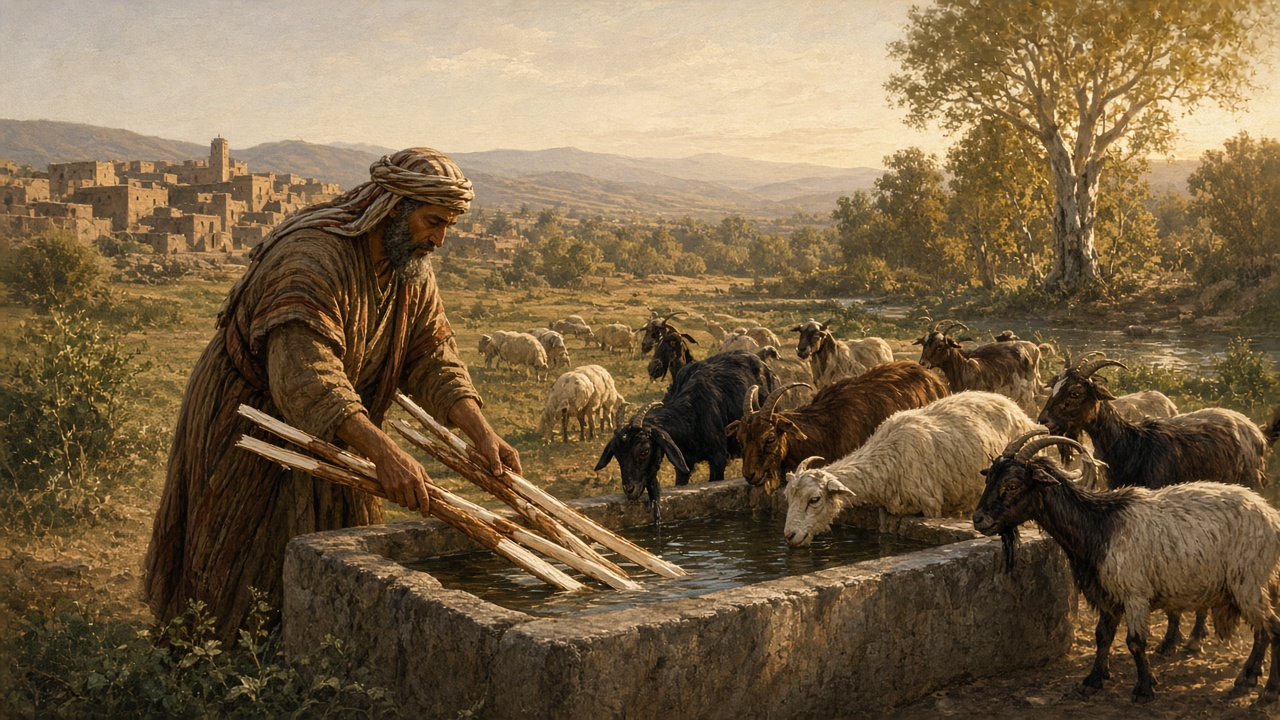
Copyright Information
Dogrib Genesis and New Testament © 2003, 2008 Canadian Bible Society
The text of the Bible in Tłı̨chǫ that appears in this electronic format or website is for personal use only.
Up to five hundred (500) verses of the Bible text in any form (written, visual, electronic or audio) may be quoted without permission. The quoted verses may not be more than 50% of a complete book of the Bible, or more than 25% of the total text of the work in which they are quoted. Prior written permission must be obtained for any other use of the text. Copyright acknowledgement must in all cases appear on the title or copyright page.
For more information on copyright conditions or to apply, visit http://www.biblesociety.ca/copyright .
This translation is made available to you under the terms of the
Creative Commons Attribution-Noncommercial-No Derivatives license 4.0.
You may share and redistribute this Bible translation or extracts from it in any format, provided that:
You include the above copyright and source information.
You do not sell this work for a profit.
You do not change any of the words or punctuation of the Scriptures.
Pictures included with Scriptures and other documents on this site are licensed just for use with those Scriptures and documents.
For other uses, please contact the respective copyright owners.
2014-04-22
Fonte: http://ebible.org/dgrDOGNT/ · eBible.org