Gênesis 20
Nǫ̀htsı̨̨ Nı̨̨htł'è · Toque num versículo para ver as referências cruzadas.
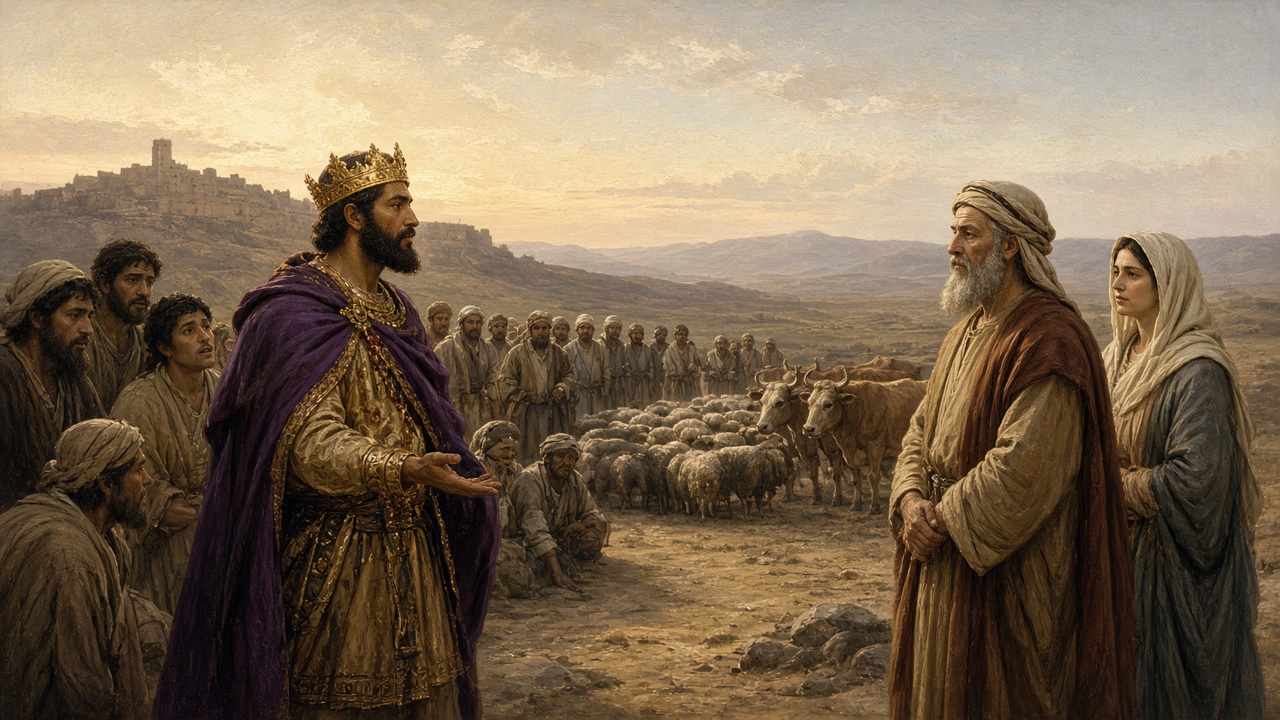
Abraham eyıts'ǫ Abımelek
1Abraham eyı nèk'e gots'ǫ naèhtła, Negev nèk'e ts'ǫ̀ ajà. Kǫ̀ta nàke Kadesh eyıts'ǫ Shur gòyeh goge nàı̨dè. Kǫ̀ta Gerar ekǫ sìghaı̨waà ts'ǫ̀ nàı̨dè. 2Abraham ekǫ nàı̨dè ekò edets'èkeè Sarah ghǫ dǫ ts'ǫ̀ hadı, “Sedè hǫt'e,” gòhdı. Eyıt'à Abımelek kǫ̀ta Gerar gha k'àowocho elı̨ı̨ sìı Sarah ìhchı ha yekàehɂà t'à wecheekeè gıts'ǫ̀ geèhchì. 3Hanìkò ı̨łè toò Abımelek nàwhetı̨ Nǫ̀htsı̨ yets'ǫ̀ hadı, “Eyı ts'èko nıìchì t'à edeweè nehtsı̨ gha anet'ı̨. Eyı ts'èko hoet'ı̨ hǫt'e,” Nǫ̀htsı̨ yèhdı.
4Hanìkò Abımelek ı̨łaà Sarah t'àı̨tè-le t'à hadı, “Sets'ǫ̀ K'àowo, ekǫ-le hots'èhtsı̨-le kò sı̨ eyıts'ǫ sets'ǫ dǫ hazǫǫ̀ godıhoǫhtsı̨ ha nì? 5Abraham ededı̨ xàè, ‘Sedè hǫt'e,’ sèhdı, eyıts'ǫ Sarah ededı̨ sı, ‘Sı̨ı̨de hǫt'e,’ sèhdı. Eyıt'à t'asìı wı̨ı̨zìı ghǫ nànıhwho-le xè hanì eghàlaıhdà hǫt'e. Ekǫ-le hòwhıhtsı̨ nıìle,” yèhdı.
6Eyıt'à Nǫ̀htsı̨ dıı hayèhdı ghǫ nàwhetı̨, “Hęɂę, wek'èı̨zǫ-le t'à hanì eghàlaneedà wek'èehsǫ, eyıt'à sek'èch'a hołı̨ı̨ hoı̨htsı̨ ch'à anèhłà hǫt'e. Eyı ts'ıhɂǫ̀ t'asaweęlà-le anèhłà. 7Eyı ts'èko wedǫǫ̀ ts'ǫ̀ nawı̨ı̨chı. Wedǫǫ̀ nakwenàoɂǫǫ elı̨ t'à negha yahtı ha, hanì-ı̨dè ı̨da ha. Wedǫǫ̀ ts'ǫ̀ nawı̨ı̨chı-le nı̨dè nı̨ eyıts'ǫ nets'ǫ dǫ hazǫǫ̀ nexè ełaàgede ha hǫt'e,” Nǫ̀htsı̨ yèhdı.
8K'omǫǫ̀dǫǫ̀ et'ıì Abımelek wecheekeè k'aodèe gı̨ı̨lı̨ı̨ hazǫǫ̀ gokàehɂà. Dànàhòwoo sìı hazǫǫ̀ gots'ǫ̀ hadı ekò sıì geejı̨į̀ agejà. 9Eyıt'à Abımelek Abraham kayaı̨htı, hayèhdı, “Ayìıha ekǫ-le gots'ǫ̀ eghàlaneedà? Nets'ǫ̀ ekǫ-le hòwhıhtsı̨ nıìle hanìkò nı̨ sìı hołı̨ı̨ nechàa, sı̨ sek'e eyıts'ǫ sets'ǫ dǫ gık'e wheɂǫǫ̀ anelà. Hanì sets'ǫ̀ ekǫ-le eghàlaı̨da ha-le ı̨lè. 10Ayìıha hanì gots'ǫ̀ eghàlaneedà?” yèhdı.
11Abraham yets'ǫ̀ hadı, “ ‘Dıı yeè nèk'e dǫ wı̨ı̨zìı Nǫ̀htsı̨ ts'àgeejı̨-le t'à sets'èkeè wets'ıhɂǫ̀ ełaàsegèhwhı ha sǫnı,’ dehwhǫ ı̨lè. 12Sarah xàè sedè hǫt'e. Setà wetì hǫt'e, hanìkò semǫ wetì nıìle. Ts'eèzhǫ tł'axǫǫ̀ sets'èkeè whelı̨. 13Nǫ̀htsı̨ setà wets'ǫǫ̀ nats'eèhdeè agǫ̀ǫ̀là ekò Sarah dıı hawèehsı̨ ı̨lè, ‘Seghǫneę̀tǫ nı̨dè t'aa ts'ǫ̀ k'ets'edèe sìı nı̨ı̨de aht'e sį̀ı̨dı ha,’ wèehsı̨ ı̨lè,” Abraham yèhdı.
14Eyı tł'axǫǫ̀ Abımelek sahzǫ̀ą, ejıe, eyıts'ǫ dǫzhìı, ts'èko gıgha eghàlageedaa gı̨ı̨lı̨ ha sìı Abraham ghàı̨la, eyıts'ǫ wets'èkeè Sarah yeghǫı̨htı̨. 15Eyı tł'axǫǫ̀ Abımelek, Abraham ts'ǫ̀ hadı, “Įdaà nenakweè senèè wheɂǫ hǫt'e. Edı̨į̀ nàądè ha newǫǫ sìı nàądè,” yèhdı.
16Eyıts'ǫ Sarah ts'ǫ̀ hadı, “Nets'ǫ̀ ekǫ-le k'ehoɂa k'èxa nı̨ı̨de ı̨łè-lemì sǫǫ̀mba degoo weghàehłe ha. Eyı weghàà dǫ hazǫǫ̀ nexè aget'ı̨ı̨ sìı hojıì eghàlaneedà-le nek'ègeezǫ ha,” Sarah ts'ǫ̀ hadı.
17Eyı tł'axǫǫ̀ Abraham yegha Nǫ̀htsı̨ ts'ǫ̀ yaı̨htı t'à Abımelek, wets'èkeè eyıts'ǫ ts'èko gıgha eghàlageedaa sìı chekoa nègele gha k'aàt'ıì anagejà. 18Abımelek Abraham wets'èkeè nıìchı ts'ıhɂǫ̀ Nǫ̀htsı̨ sìı Abımelek wets'èkeè eyıts'ǫ ts'èko eyıì-le yexè nàgedèe sìı gıza gǫ̀hłı̨ ha dìì agǫ̀ǫ̀là ı̨lè.
Você sabia?
Irmã e esposa em Gerar
- Abraão estava em Gerar, cidade e distrito muito antigos na fronteira sul da Palestina, governados então por um rei chamado Abimeleque. Ele tinha ido à região do Neguebe, o distrito árido ao sul da Palestina na rota das caravanas rumo ao Egito, e se estabeleceu entre Cades e Sur. Sur, nome que significa “muro”, era uma região desértica na borda nordeste do Egito, provavelmente assim chamada por causa da muralha de fronteira que os egípcios construíram ali.Fontes: o próprio texto bíblico · Gerar · Negeb · Shur
- Quando Abraão disse que Sara era sua irmã, o parentesco não era totalmente inventado: ela também era sua meia-irmã, filha de seu pai, mas não de sua mãe. O dicionário bíblico de Easton (1897) registra que o nome Sara significa “princesa” e que esse nome lhe foi dado quando se anunciou que ela seria a mãe da criança prometida.Fontes: o próprio texto bíblico · Sarah
- O nome Abimeleque volta a aparecer em Gerar na história de Isaque. O dicionário bíblico de Easton (1897) descreve esse rei posterior como provavelmente filho do Abimeleque que Abraão encontrou, e diz que ele repreendeu Isaque por um engano semelhante a respeito de sua esposa Rebeca, que o rei descobriu por acaso. A mesma obra diz que Gerar parece ter sido uma rica região de pastoreio.Fontes: Abimelech (King of Gerar) · Gerar
Notas escritas com auxílio de IA a partir de fontes abertas (Theographic Bible Metadata, CC BY-SA 4.0; Easton’s Bible Dictionary, domínio público) e revisadas antes de publicar.
Lugares deste capítulo
- Negeb · 31.245, 34.841 · versículo 1
Só aparecem lugares com identificação de alta confiança (90% ou mais segundo as fontes acadêmicas reunidas pelo OpenBible). Mapa da época: DARE (Digital Atlas of the Roman Empire), CC BY 4.0; mapa atual: © colaboradores do OpenStreetMap; lugares: OpenBible.info (CC BY 4.0).
Créditos e licença desta tradução
Nǫ̀htsı̨̨ Nı̨̨htł'è
Dogrib: Dogrib Genesis & New Testament New Testament & Portions of Old Testament
copyright © 2009 Canadian Bible Society
Language: Dogrib
Translation by: Canadian Bible Society
Tłı̨chǫ Genesis and New Testament
About Tłı̨chǫ
Tłı̨chǫ (Dogrib) is a Na-Dene (Athabaskan) language. It is spoken by the First Nations Tłı̨chǫ people in the Northwest Territories in Canada. It has the largest number of speakers of any of the Aboriginal language communities in the NWT, and is one of the official languages of the Northwest Territories.
About This Translation
This translation includes the book of Genesis and the New Testament in Tłı̨chǫ. The first edition of the Tłı̨chǫ New Testament was published in 2003. It was a historic event, as it was the first time in more than a hundred years that a complete New Testament was published for one of the Dene First Nations in the Territories. The first edition was well received and quickly sold out. In the meantime the book of Genesis had been completed. Consequently, the 2008 reprint of the Tłı̨chǫ New Testament included Genesis.
Though this translation of the New Testament and Genesis took a total of ten years, the people who worked on it built on years of labor invested by the Tłı̨chǫ people, elders, priests and missionaries, translators, educators, and linguists. The material contained in this book was checked and approved by consultants from Wycliffe Bible Translators and the Canadian Bible Society.
If you are interested in obtaining a printed copy of this Bible, please contact the Canadian Bible Society at http://www.biblescanada.com .
Copyright Information
Dogrib Genesis and New Testament © 2003, 2008 Canadian Bible Society
The text of the Bible in Tłı̨chǫ that appears in this electronic format or website is for personal use only.
Up to five hundred (500) verses of the Bible text in any form (written, visual, electronic or audio) may be quoted without permission. The quoted verses may not be more than 50% of a complete book of the Bible, or more than 25% of the total text of the work in which they are quoted. Prior written permission must be obtained for any other use of the text. Copyright acknowledgement must in all cases appear on the title or copyright page.
For more information on copyright conditions or to apply, visit http://www.biblesociety.ca/copyright .
This translation is made available to you under the terms of the
Creative Commons Attribution-Noncommercial-No Derivatives license 4.0.
You may share and redistribute this Bible translation or extracts from it in any format, provided that:
You include the above copyright and source information.
You do not sell this work for a profit.
You do not change any of the words or punctuation of the Scriptures.
Pictures included with Scriptures and other documents on this site are licensed just for use with those Scriptures and documents.
For other uses, please contact the respective copyright owners.
2014-04-22
Fonte: http://ebible.org/dgrDOGNT/ · eBible.org