Gênesis 19
Nǫ̀htsı̨̨ Nı̨̨htł'è · Toque num versículo para ver as referências cruzadas.
Kǫ̀godeè Sodom eyıts'ǫ Gomorah wedıhòłı̨
1Xèhts'ǫ̀ agòjà ekò yak'eet'ı̨į̀ nàke kǫ̀godeè Sodom nègı̨ı̨de. Ekìıyeè k'e Lot kǫ̀ta goyagoòɂàa k'è wheda ı̨lè. Goaɂı̨ ts'ǫ̀et'ıì nììtła gà gots'ǫ̀ èhtła, wenì dèe xèedìı ts'ǫ̀ gots'ǫ̀ nàgòı̨hgè. 2Gots'ǫ̀ hadı, “Sets'ǫ̀ k'àowo, sekǫ̀ ts'ǫ̀ sek'èahdè. Ekǫ naxıkè k'enaetse xè segà to hahwhı. K'omǫǫ̀dǫǫ̀-ı̨dè naahdè ha dìì-le,” gòhdı.
“Į̀le, jǫ kǫ̀ta mǫ̀ht'a ts'eetè ha dìì-le,” gedı.
3Hanìkò Lot k'èdaà adı t'à wekǫ̀ ts'ǫ̀ agejà. Gogha łèdı̨ dę łèt'è wheht'e t'à shègıazhe. 4Įłaà geetè kwe-t'ıì eyı kǫ̀godeè Sodom gots'ǫ dǫzhìı łǫ Lot wekǫ̀ gomǫǫ̀ nègı̨ı̨de. Eyı kǫ̀ta gots'ǫ cheko hazǫǫ̀ eyıts'ǫ eneèko hazǫǫ̀ eyı nègı̨ı̨de. 5Lot ts'ǫ̀ yagìzeh hagedı, “Dıı toò eyı dǫ nets'ǫ̀ nègı̨ı̨dee sìı gılaedì? Gots'ǫ̀ xàgııdè agı̨ı̨le, gık'alats'edè ha t'à,” hagedı.
6Lot gots'ǫ̀ xàèhtła, edek'è eneèchì, 7gots'ǫ̀ hadı, “Seàgı̨ą, hołı̨ı̨ k'ę̀ę̀ hanì eghàlaahda-le. 8Setì nàke dǫzhìı wı̨ı̨zìı t'à gı̨ı̨tè whìle sexè nàgedè. Naxıts'ǫ̀ xàgııhwha, dànì gıts'ǫ̀ eghàlaahda ha dahwhǫ k'ę̀ę̀ hagıahłe. Hanìkò dıı dǫ sekǫ̀ ts'èwhı̨į̀ geetè ha segà nègı̨ı̨de t'à t'asagıahłe-le,” gòhdıì goghǫnàdaetì.
9Hanìkò “Ets'èɂǫ̀ǫ̀ aąde,” gıìhdı eyıts'ǫ ełets'ǫ̀ hagedı, “Dıı dǫ jǫ ts'ǫ̀ ajà ekò xàhtǫ ı̨lè, hanìkò dıì sìı gosınìyaehtıı-dǫǫ̀ k'ę̀ę̀ k'ehoɂa ha nıwǫ! Eyı dǫ nàke gınahk'e ekǫ-le nets'ǫ̀ eghàlats'eeda ha ne,” Lot gıìhdı. K'èdaà geehchı xè enìı̨tǫ nàgeezhì ha k'ehogeɂa.
10Hanìkò eyı dǫ nàke goyìı geèhkw'ee sìı Lot goyageèlì gà enegeèchì. 11Dǫzhìı enìı̨tǫ k'alagedèe sìı gıdaà goìle agogį̀į̀là. Cheko hazǫǫ̀, eneèko hazǫǫ̀ gıdaà goìle agejà t'à enìı̨tǫ hawhį̀agejà.
12Eyı dǫ nàke Lot ts'ǫ̀ hagedı, “Dıı kǫ̀godeè gots'ǫ nèot'ı̨ eyıì-le gǫ̀hłı̨ nì? Neza, netì, hanì-le-ı̨dè netì gıdǫzhıì gǫ̀hłı̨ nı̨dè dıı kǫ̀godeè gots'ǫǫ̀ xàgı̨ı̨wa, 13dıı kǫ̀godeè wedıhots'ehtsı̨ ha t'à. Gots'ǫ̀ K'àowo dıı kǫ̀godeè ghǫ godı nezı̨-le ıìkw'o t'à wedıhots'ehtsı̨ ha jǫ ts'ǫ̀ goı̨hɂà hǫt'e,” gıìhdı.
14Eyıt'à Lot dǫzhìı yetì gìhchı ha ı̨lèe sìı gots'ǫ̀ goı̨de, hagòhdı, “Gots'ǫ̀ K'àowo dıı kǫ̀godeè hòt'a yedıhohtsı̨ ha t'à ı̨whąą̀ xàts'ııdè,” gòhdı. Hanìkò eyı dǫzhìı ekìı adı gı̨ı̨hwhǫ t'à gık'èı̨t'e-le.
15Èhkǫ agodaade ekò yak'eet'ı̨į̀ Lot ts'ǫ̀ hagedı, “Nets'èkeè eyıts'ǫ netì jǫ geèhkw'ee sìı ı̨whąą̀ xàgı̨ı̨wa. Haahjà-le-ı̨dè Nǫ̀htsı̨ kǫ̀godeè nàgòı̨hkwa nı̨dè naxı̨ sı ełaahde ha hǫt'e,” gıìhdı.
16Lot dàde ha yek'èezǫ-le t'à eyı dǫ nàke wılà dagıachì, wets'èkeè eyıts'ǫ wetì gılà yàgıtǫ̀ gà kǫ̀godeè ts'ǫǫ̀ xàgogeèwa, gots'ǫ̀ K'àowo etegoòɂı̨ t'à. 17Xàgogeèwa ts'ǫ̀et'ıì eyı dǫ ı̨łè hagòhdı, “Jǫ gots'ǫǫ̀ kwı̨ahdè, edaxàahdè! Ek'èt'à k'eaht'į̀-le eyıts'ǫ dèè goı̨tłoa k'e nìahdè-le! Yeè shìh ta ts'ǫ̀ kwı̨ahdè, hanì-le-ı̨dè ełaahde ha!” gòhdı.
18Hanìkò Lot hagòhdı, “Sets'ǫ̀ k'àowo, hanì ha dìì! 19Sedanıahwho eyıts'ǫ sets'ǫ̀ naxıdzeè sıì eteèɂı̨ t'à edaxàseahtı̨ hǫt'e. Dıı hoìla agode ha sìı wech'à yeè shìh ts'ǫ̀ kwı̨ehsa ha dìì, wet'à ełaehwhı ha. 20Jǫ gǫǫwà-lea kǫ̀ta nechà-lea gòɂǫǫ ts'ǫ̀ tı̨mǫts'ııdè. Ekǫ ts'ǫ̀ ats'ııde, hanì-ı̨dè ełaàts'ede ha-le,” gòhdı.
21Dǫ ı̨łè yets'ǫ̀ hadı, “Tł'anǫǫ̀ ayìı sı̨ı̨kèe sìı negha hahłe ha. Kǫ̀ta weghǫ aı̨dıı sìı wedıhohtsı̨ ha-le. 22Hanìkò ı̨whąą̀ ekǫ ts'ǫ̀ kwı̨ahdè, ekǫ nìahdè gots'ǫ̀ t'asagohłe ha dìì,” yèhdı. (Lot eyı kǫ̀ta nechà-lea yèhdı ts'ıhɂǫ̀ Zoyar gòyeh.)
23Sa kàı̨ɂǫǫ̀ ekò Lot kǫ̀ta Zoyar ts'ǫ̀ nììtła. 24Eyı tł'axǫǫ̀ gots'ǫ̀ K'àowo yat'a gots'ǫ kwe dèk'ǫ̀ǫ kǫ̀godeè Sodom eyıts'ǫ Gomorah k'e hodàetł'ì ayį̀į̀là. 25Hanì t'aa eyı kǫ̀godeè nàke eyıts'ǫ ekǫ dèe goı̨tłoa hazǫǫ̀ yedıhòèhtsı̨. Dǫ hazǫǫ̀ ekǫ nàgedèe sìı hazǫǫ̀ godıhòèhtsı̨, eyıts'ǫ dèe k'e t'asìı dehshee hazǫǫ̀ yedıhòèhtsı̨. 26Hanìkò ekìıyeè k'e Lot wets'èkeè ek'èt'à k'eet'į̀ t'à dewakweè nàı̨ɂaa whelı̨.
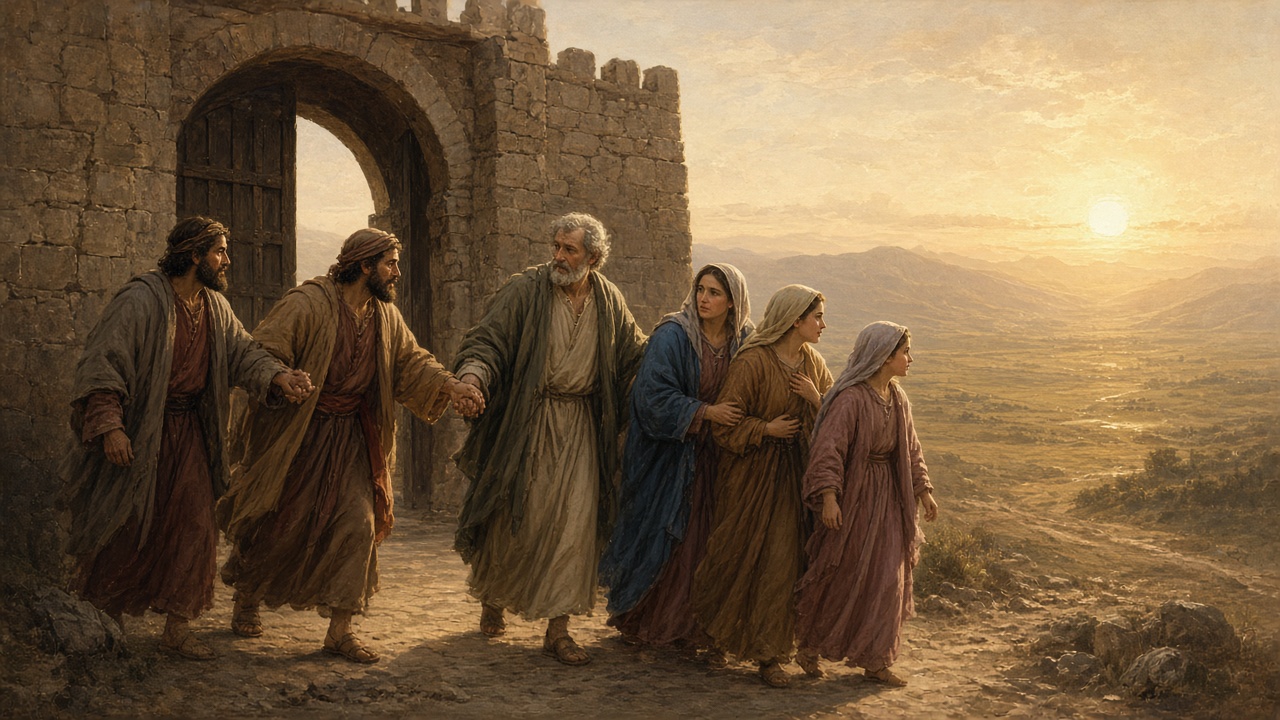
27K'omǫǫ̀dǫǫ̀-t'ıì Abraham ts'ı̨ı̨wo. Edı̨į̀ gots'ǫ̀ K'àowo gà nàwo ı̨lèe sìı ts'ǫ̀ anajà. 28Kǫ̀godeè Sodom eyıts'ǫ Gomorah, eyıts'ǫ dèe goı̨tłoa hazǫǫ̀ ts'ǫ̀ k'eet'į̀ là, dèè gots'ǫ ło dezǫǫ ı̨dòo deekw'e, kǫ̀ nàtsoo gots'ǫ ło deekw'e lanì wègaat'ı̨.
29Eyıt'à Nǫ̀htsı̨ eyı kǫ̀godeè nàke dèe goı̨tłoa k'e yedıhòèhtsı̨ ekò Abraham daànıwo ts'ıhɂǫ̀ wesah Lot edaxàı̨htı̨ hǫt'e. Dǫ kǫ̀godeè nàgedèe xè Lot wedıhòłı̨-le.
Lot eyıts'ǫ wetì gıgodıì
30Lot kǫ̀ta Zoyar nàdè ha dejı̨ t'à edetì nàke xè shìhta nàdè. Edetì nàke xè kwe yìı gòɂǫǫ yìı nàdè. 31Ekǫ nàgı̨ı̨dè tł'axǫǫ̀ goba ededè ts'ǫ̀ hadı, “Gotà eneèko whelı̨. Dıı nèk'e dǫ hazǫǫ̀ k'ę̀ę̀ dǫzhìı goxè whetı̨ ha ı̨lè, hanìkò jǫ dǫzhìı wı̨ı̨zìı gogha gǫ̀hłı̨-le. 32Eyıt'à gotà jìetì yeedeè awets'ııle gà wet'à ts'ııtè, hanì-ı̨dè gotà wets'ıhɂǫ̀ǫ-dǫǫ̀ gǫ̀hłı̨į̀ ats'ele ha,” ededè ts'ǫ̀ hadı.
33Eyıt'à eyı toò edetà jìetì-èhdeè agį̀į̀là gà goba edetà t'à dètı̨. Wetà wetì dàht'e yet'àı̨tè eyıts'ǫ dàht'e nıìtłaa sìı yek'èhoezǫ-le.
34Ek'èdaedzęę̀ k'e goba ededè ts'ǫ̀ hadı, “Įxę̀ę to setà t'à ıhtè ı̨lè. Dıı toò k'achı̨ jìetì łǫ edǫǫ̀ awets'ııle gà, nı̨ wet'àı̨tè, hanì-ı̨dè gotà wets'ıhɂǫ̀ǫ-dǫǫ̀ gǫ̀hłı̨į̀ ats'ele ha,” yèhdı. 35Eyıt'à eyı toò k'achı̨ edetà jìetì-èhdeè agį̀į̀là gà godè edetà t'à dètı̨. K'achı̨ wetà wetì nǫǫde dàht'e yet'àı̨tè eyıts'ǫ dàht'e nıìtłaa sìı yek'èezǫ-le.
36Eyıt'à wetì į̀łak'aà edetà ts'ǫ hotıgeeda-le agejà. 37Goba dǫzhìa nìı̨htı̨ı̨ sìı Moab wìyeh ayį̀į̀là. Dıı dzęę̀ k'e Moab got'ı̨į̀ geedaa sìı gocho elı̨ hǫt'e. 38Godè ededı̨ sı dǫzhìa nìı̨htı̨, Ben-Amı wìyeh ayį̀į̀là. Dıı dzęę̀ k'e Amon got'ı̨į̀ geedaa sìı gocho elı̨ hǫt'e.
Você sabia?
A destruição de Sodoma e Gomorra
- A cidade para a qual Ló pediu para fugir chamava-se Zoar, nome que o Dicionário Bíblico de Easton (1897) explica como “pequena”, o que combina com o pedido dele de que era apenas um lugar pequeno. O mesmo verbete diz que antes se chamava Bela e ficava a leste ou a sudeste do Mar Morto, e que os profetas Isaías e Jeremias a mencionam depois.Fontes: Zoar · o próprio texto bíblico
- O Dicionário Bíblico de Easton (1897) dá a Sodoma, no vale de Sidim, o sentido de “ardente” ou “a amuralhada”, e diz que a maldade dos seus habitantes fez cair fogo do céu, que destruiu a cidade. O mesmo dicionário explica Gomorra como “submersão”, uma das cinco cidades daquela planície, e afirma que provavelmente ficavam próximas, perto da extremidade norte do que hoje é o Mar Morto, e que Gomorra é sempre mencionada logo depois de Sodoma.Fontes: Sodom · Gomorrah · o próprio texto bíblico
- A filha mais velha de Ló chamou o filho de Moabe, e a narrativa o apresenta como pai dos moabitas, nome que livros posteriores usam para esse povo. A filha mais nova chamou o seu de Ben-Ami, pai dos amonitas; o Dicionário Bíblico de Easton (1897) explica Ben-Ami como “filho da minha parentela” e o identifica como filho de Ló com a filha mais nova.Fontes: o próprio texto bíblico · Moab · Ben-ammi
Notas escritas com auxílio de IA a partir de fontes abertas (Theographic Bible Metadata, CC BY-SA 4.0; Easton’s Bible Dictionary, domínio público) e revisadas antes de publicar.
Lugares deste capítulo
Só aparecem lugares com identificação de alta confiança (90% ou mais segundo as fontes acadêmicas reunidas pelo OpenBible). Mapa da época: DARE (Digital Atlas of the Roman Empire), CC BY 4.0; mapa atual: © colaboradores do OpenStreetMap; lugares: OpenBible.info (CC BY 4.0).
Créditos e licença desta tradução
Nǫ̀htsı̨̨ Nı̨̨htł'è
Dogrib: Dogrib Genesis & New Testament New Testament & Portions of Old Testament
copyright © 2009 Canadian Bible Society
Language: Dogrib
Translation by: Canadian Bible Society
Tłı̨chǫ Genesis and New Testament
About Tłı̨chǫ
Tłı̨chǫ (Dogrib) is a Na-Dene (Athabaskan) language. It is spoken by the First Nations Tłı̨chǫ people in the Northwest Territories in Canada. It has the largest number of speakers of any of the Aboriginal language communities in the NWT, and is one of the official languages of the Northwest Territories.
About This Translation
This translation includes the book of Genesis and the New Testament in Tłı̨chǫ. The first edition of the Tłı̨chǫ New Testament was published in 2003. It was a historic event, as it was the first time in more than a hundred years that a complete New Testament was published for one of the Dene First Nations in the Territories. The first edition was well received and quickly sold out. In the meantime the book of Genesis had been completed. Consequently, the 2008 reprint of the Tłı̨chǫ New Testament included Genesis.
Though this translation of the New Testament and Genesis took a total of ten years, the people who worked on it built on years of labor invested by the Tłı̨chǫ people, elders, priests and missionaries, translators, educators, and linguists. The material contained in this book was checked and approved by consultants from Wycliffe Bible Translators and the Canadian Bible Society.
If you are interested in obtaining a printed copy of this Bible, please contact the Canadian Bible Society at http://www.biblescanada.com .
Copyright Information
Dogrib Genesis and New Testament © 2003, 2008 Canadian Bible Society
The text of the Bible in Tłı̨chǫ that appears in this electronic format or website is for personal use only.
Up to five hundred (500) verses of the Bible text in any form (written, visual, electronic or audio) may be quoted without permission. The quoted verses may not be more than 50% of a complete book of the Bible, or more than 25% of the total text of the work in which they are quoted. Prior written permission must be obtained for any other use of the text. Copyright acknowledgement must in all cases appear on the title or copyright page.
For more information on copyright conditions or to apply, visit http://www.biblesociety.ca/copyright .
This translation is made available to you under the terms of the
Creative Commons Attribution-Noncommercial-No Derivatives license 4.0.
You may share and redistribute this Bible translation or extracts from it in any format, provided that:
You include the above copyright and source information.
You do not sell this work for a profit.
You do not change any of the words or punctuation of the Scriptures.
Pictures included with Scriptures and other documents on this site are licensed just for use with those Scriptures and documents.
For other uses, please contact the respective copyright owners.
2014-04-22
Fonte: http://ebible.org/dgrDOGNT/ · eBible.org