Efésios 4
Nǫ̀htsı̨̨ Nı̨̨htł'è · Toque num versículo para ver as referências cruzadas.
Zezì-Krı wezhį̀į̀ lats'ı̨ı̨t'e
1Gots'ǫ̀ K'àowo wegha sedaàtǫ hǫt'e, gots'ǫ̀ K'àowo naxıkayaı̨htıı sìı hotıì nezı̨į̀ wek'ę̀ę̀ aahda ha naxeehwhǫ hǫt'e. 2Hotıì k'èeweèt'ı̨ k'ę̀ę̀ aahda, dǫ ts'ǫ̀ naxıdzeè nezı̨ welè, eyıts'ǫ ełeghǫnıahtǫ xè ełexè ts'èwhı̨į̀ aahda. 3Yedàyeh Nezı̨ı̨ wedahxà dǫ ı̨łè laaht'e gha hòtł'ò eghàlaahda, eyıts'ǫ t'aats'ǫǫ̀ ełexè ts'èwhı̨į̀ aahda. 4Goxı̨ gogha ehkw'ı-ahodıı sìı gots'ǫ̀ K'àowo wezhį̀į̀ ı̨łè zǫ lats'ı̨ı̨t'e, eyıts'ǫ Yedàyeh Nezı̨ı̨ ı̨łè zǫ gǫ̀hłı̨. Naxıkayaetı ekò edaxàahdèe ı̨łè zǫ gha naxıkayaetı ı̨lè. 5Eyıts'ǫ gots'ǫ̀ K'àowo ı̨łè zǫ gǫ̀hłı̨, gogha ehkw'ı-ahodı ı̨łè zǫ gǫ̀hłı̨, eyıts'ǫ t'asìı ı̨łè zǫ gha gok'ètaìdzı̨ hǫt'e. 6Nǫ̀htsı̨ ı̨łè zǫ gǫ̀hłı̨, ededı̨ dǫ hazǫǫ̀ gha Gotà elı̨. Ededı̨ sìı dǫ hazǫǫ̀ gha K'àowo elı̨, eyıts'ǫ t'asìı hazǫǫ̀ t'à godzeè yìı eghàlaeda hǫt'e.
7Hanìkò goxı̨ hazǫǫ̀ gotaàt'eè Zezì dàı̨hcho ts'ǫ̀ goghàyeɂà ha nıwǫ k'ę̀ę̀ wesǫnıwǫ goghǫ̀t'ǫ hǫt'e. 8Eyı ts'ıhɂǫ̀ dıı hanì dek'eèhtł'è,
“Įdòo dagǫǫwà ajà ekò dǫ gıdanìı̨laa sìı edexè agǫ̀ǫ̀là, eyıts'ǫ t'asìı nezı̨ı̨ dǫ ghàı̨la,” dek'eèhtł'è.
9(“Įdòo ajà,” dek'eèhtł'èe sìı t'akwełǫ̀ǫ̀ ı̨zhıì dèè goyìı togoòtł'òo sìı ts'ǫ̀ ajà t'à ahodı hǫt'e. 10Ededı̨ ı̨zhıì dèè goyìı ajàa sìı ededı̨ et'ıì ı̨dòo yat'a hazǫǫ̀ weɂǫ̀ǫ̀ dagǫǫwà ts'ǫ̀ ajà hǫt'e, dèè eyıts'ǫ yat'a hazǫǫ̀ hòèlı̨ı̨ sìı yìı wehòhɂǫ gha ajà.) 11Ededı̨ sìı dǫ mǫ̀hdaa wecheekeèdeè gı̨ı̨lı̨ ha goghàhòı̨ɂǫ hǫt'e, mǫ̀hdaa nakwenàoɂǫǫ gı̨ı̨lı̨ ha, mǫ̀hdaa godı nezı̨ı̨ k'egeɂaa gı̨ı̨lı̨ ha, mǫ̀hdaa Nǫ̀htsı̨ wets'ǫ dǫ k'ègedìı gı̨ı̨lı̨ ha, eyıts'ǫ mǫ̀hdaa dǫ hoghàgogeehtǫǫ gı̨ı̨lı̨ ha agǫ̀ǫ̀là. 12Hanì-ı̨dè Nǫ̀htsı̨ wets'ǫ dǫ dànì Nǫ̀htsı̨ gha eghàlageeda ha sìı gık'èezǫǫ̀ agede ha, eyıts'ǫ hazǫǫ̀ ełexè Nǫ̀htsı̨ gha goınì ı̨łè zǫ lats'ede gots'ǫ̀, eyıts'ǫ Nǫ̀htsı̨ weza deghàà wek'èts'eezǫ ats'ede gots'ǫ̀, Nǫ̀htsı̨ wets'ǫ dǫ hazǫǫ̀ ełexè nàgetsoò agede ha. Hanì-ı̨dè dànì Zezì-Krı wexè hòɂǫǫ sìı wexèht'eè goxè hòɂǫ ats'ede ha.
14Hanì-ı̨dè k'achı̨ bebìa lats'ı̨ı̨t'e ha-le, taatı̨į̀ t'à goxè k'etaetı̨ lanì ha-le. Dǫ goghǫyageeɂà t'à gogı̨ı̨zǫǫ sìı ładı̨į̀ hoghàgogeehtǫ nı̨dè goxè ts'ıɂǫ̀-hogeeɂà ha-le. 15Hanìkò ełeghǫnets'eètǫ t'à ehkw'ı ełets'ǫ̀ gots'ede ha. Goxı̨ Nǫ̀htsı̨ wets'ǫ dǫ ats'ı̨ı̨t'ee sìı Zezì wezhį̀į̀ lats'ı̨ı̨t'e, eyıts'ǫ Zezì ededı̨ gokwì elı̨ lanì hǫt'e. T'asìı hazǫǫ̀ t'à Zezì-Krı wexè nàts'etsoò ats'ede ha hǫt'e. 16Ededı̨ wet'à wezhį̀į̀ hǫt'ıì eyıts'ǫ t'asìı hazǫǫ̀ wek'e whelaa sìı yàłııtǫ̀, eyıts'ǫ wet'à goxı̨ wezhį̀į̀ ats'ı̨ı̨t'ee sìı wegha goılaà ghàlats'eeda t'à eyıts'ǫ ełeghǫnets'eètǫ t'à wezhį̀į̀ nàtsoò ats'ehɂı̨ hǫt'e.
Dǫ gıxè dzęh agǫ̀ht'e lanì aahda
17Eyıt'à gots'ǫ̀ K'àowo wedahxà yatı nàtsoo t'à dıı hanaxèehsı̨: Dǫ Nǫ̀htsı̨ k'ègeezǫ-le sìı k'achı̨ gık'ę̀ę̀ aahda-le, gınìłı̨ı̨ k'ę̀ę̀ geeda ne t'à. 18Gınì t'à gıxè togoòtł'ò lanì t'à Nǫ̀htsı̨ ts'ǫǫ̀hk'e t'asìı nıgeedì-le xè gık'ę̀ę̀ eda-le. Ededzeè t'à egeèhkw'ǫ ha gı̨ı̨wǫ-le xè gıkwì nàtsoo t'à Nǫ̀htsı̨ nàowoò k'ègeezǫ-le hǫt'e. 19T'asìı wı̨ı̨zìı ghǫ į̀į̀zhagı̨ı̨lı̨-le agejà, t'aa gı̨ı̨wǫ ts'ǫ̀ hołı̨ı̨ k'ę̀ę̀ k'ehogeɂa, eyıts'ǫ t'asìı wejıı hazǫǫ̀ k'alagedè xè ı̨łaà denahk'e hołı̨ı̨ hogehtsı̨ ha gı̨ı̨wǫ.
20Hanìkò naxı̨ sìı Zezì-Krı weghǫ hanì hoghànaxeètǫ nıìle. 21Hotıì weghǫ aàhkw'ǫ xè weghǫ hoghànaxeètǫ ı̨lè, eyıts'ǫ Zezì-Krı wet'à nàowo ehkw'ıı k'èhoahsǫ aahjà hǫt'e. 22Įnę̀ę dànì naxınìłı̨ı̨ k'ę̀ę̀ aahda ı̨lèe sìı wek'ę̀ę̀ aahda-le gha hoghànaxeètǫ ı̨lè. Hołı̨ı̨ gha hòtł'ò kànıahɂaa sìı wet'à naxınì wedıhołè hǫt'e. 23Hanìkò naxınì ładı̨į̀ ajàa k'ę̀ę̀ aahda ha hoghànaxeètǫ ı̨lè, 24eyıts'ǫ dǫgòò lanì aahda ha hoghànaxeètǫ ı̨lè. Nǫ̀htsı̨ k'ę̀ę̀ hotıì ehkw'ı aahda xè degaı aaht'e ha naxıhòèlı̨ hǫt'e.
25Eyıt'à naxı̨ hazǫǫ̀ hots'ets'ìı k'ę̀ę̀ goahde-le eyıts'ǫ naxèot'ı̨ ts'ǫ̀ ehkw'ı goahde, Zezì-Krı wezhį̀į̀ ı̨łè zǫ gots'ǫ ats'ı̨ı̨t'e t'à. 26“Ààhch'e nı̨dè hołı̨ı̨ hoahtsı̨-le,” dek'eèhtł'è. Sa nàɂàa ts'ǫ̀ ààhch'e-le, 27hanì-ı̨dè wehłı̨ı̨ naxıdaèht'è ha nıìle. 28Dǫ eeɂį̀ ı̨lèe sìı k'achı̨ eeɂį̀ welè-le, hanìkò eghàlaeda ha hǫt'e. Edılà t'à t'asìı wet'àaɂàa hohtsı̨ ha hǫt'e, hanì-ı̨dè dǫ t'asìı gıgha whìle sìı yet'à gots'àdı ha.
29Yatıjıı t'à goahde-le, hanìkò yatı wet'à dǫ gınì nàtsoò ade ha sìı t'à goahde, hanì-ı̨dè dǫ egeèhkw'ǫǫ sìı wet'à nezı̨į̀ edexègeedì xè gıt'àhoehwhı ha. 30Eyıts'ǫ Nǫ̀htsı̨ wets'ǫ Įnì Degaı sìı wedzeè nànııtì aweahłe-le. Ededı̨ sìı weghàà Nǫ̀htsı̨ wets'ǫ dǫ aaht'e eyıts'ǫ nǫǫde dzęę̀ k'e edaxànaxeetè gha naxık'èhoedzǫ hǫt'e. 31T'asìı hazǫǫ̀ t'à ełek'èch'a aaht'ee sìı wedę aahłe. Ełets'ǫ̀ naxınì nàìtłoo, ełets'ǫ̀ ààhch'ee, ełetawhıahdèe, ełek'adaahdèe, eyıts'ǫ hołı̨ı̨ hazǫǫ̀ k'ę̀ę̀ k'ehoahɂaa sìı wedę aahłe. 32Ełets'ǫ̀ naxıdzeè eteèɂı̨ welè, Zezì-Krı wet'ǫ̀ǫ̀ Nǫ̀htsı̨ naxıghǫ nahoı̨la k'ę̀ę̀ ełeghǫ nahoahłe.
Você sabia?
Um só corpo e uma vida digna
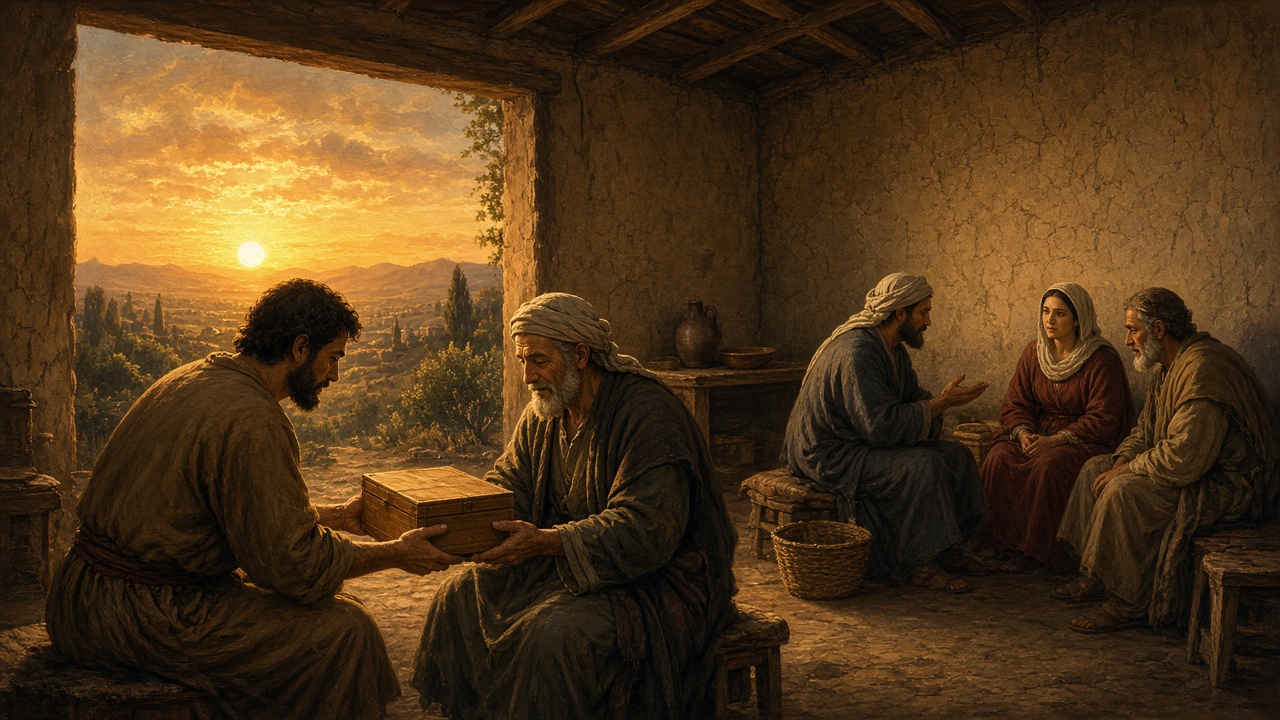
- O capítulo começa com o autor chamando a si mesmo de prisioneiro no Senhor e exortando os leitores a andar de modo digno da vocação que receberam, com humildade, mansidão, paciência e diligência para preservar a unidade do Espírito pelo vínculo da paz.Fontes: o próprio texto bíblico
- Esse apelo se apoia em realidades compartilhadas nomeadas no capítulo: um só corpo, um só Espírito, uma só esperança, um só Senhor, uma só fé, um só batismo e um só Deus e Pai de todos, que está sobre todos, por meio de todos e em todos. O mesmo trecho diz que aquele que subiu deu uns para apóstolos, outros para profetas, outros para evangelistas e outros para pastores e mestres, a fim de capacitar os santos e edificar o corpo.Fontes: o próprio texto bíblico
- O capítulo então descreve uma vida mudada como o ato de despir-se do modo de vida anterior, o velho eu, e de revestir-se do novo eu. Diz aos leitores que abandonem a mentira e falem a verdade, pois são membros uns dos outros; que fiquem irados sem pecar e não deixem o sol se pôr sobre a ira; e que não entristeçam o Espírito Santo de Deus, no qual foram selados para o dia da redenção.Fontes: o próprio texto bíblico
Notas escritas com auxílio de IA a partir de fontes abertas (Theographic Bible Metadata, CC BY-SA 4.0; Easton’s Bible Dictionary, domínio público) e revisadas antes de publicar.
Créditos e licença desta tradução
Nǫ̀htsı̨̨ Nı̨̨htł'è
Dogrib: Dogrib Genesis & New Testament New Testament & Portions of Old Testament
copyright © 2009 Canadian Bible Society
Language: Dogrib
Translation by: Canadian Bible Society
Tłı̨chǫ Genesis and New Testament
About Tłı̨chǫ
Tłı̨chǫ (Dogrib) is a Na-Dene (Athabaskan) language. It is spoken by the First Nations Tłı̨chǫ people in the Northwest Territories in Canada. It has the largest number of speakers of any of the Aboriginal language communities in the NWT, and is one of the official languages of the Northwest Territories.
About This Translation
This translation includes the book of Genesis and the New Testament in Tłı̨chǫ. The first edition of the Tłı̨chǫ New Testament was published in 2003. It was a historic event, as it was the first time in more than a hundred years that a complete New Testament was published for one of the Dene First Nations in the Territories. The first edition was well received and quickly sold out. In the meantime the book of Genesis had been completed. Consequently, the 2008 reprint of the Tłı̨chǫ New Testament included Genesis.
Though this translation of the New Testament and Genesis took a total of ten years, the people who worked on it built on years of labor invested by the Tłı̨chǫ people, elders, priests and missionaries, translators, educators, and linguists. The material contained in this book was checked and approved by consultants from Wycliffe Bible Translators and the Canadian Bible Society.
If you are interested in obtaining a printed copy of this Bible, please contact the Canadian Bible Society at http://www.biblescanada.com .
Copyright Information
Dogrib Genesis and New Testament © 2003, 2008 Canadian Bible Society
The text of the Bible in Tłı̨chǫ that appears in this electronic format or website is for personal use only.
Up to five hundred (500) verses of the Bible text in any form (written, visual, electronic or audio) may be quoted without permission. The quoted verses may not be more than 50% of a complete book of the Bible, or more than 25% of the total text of the work in which they are quoted. Prior written permission must be obtained for any other use of the text. Copyright acknowledgement must in all cases appear on the title or copyright page.
For more information on copyright conditions or to apply, visit http://www.biblesociety.ca/copyright .
This translation is made available to you under the terms of the
Creative Commons Attribution-Noncommercial-No Derivatives license 4.0.
You may share and redistribute this Bible translation or extracts from it in any format, provided that:
You include the above copyright and source information.
You do not sell this work for a profit.
You do not change any of the words or punctuation of the Scriptures.
Pictures included with Scriptures and other documents on this site are licensed just for use with those Scriptures and documents.
For other uses, please contact the respective copyright owners.
2014-04-22
Fonte: http://ebible.org/dgrDOGNT/ · eBible.org