Atos 21
Sahidica - طبعة جديدة من العهد الجديد باللغة القبطية الصعيدية · Toque num versículo para ver as referências cruzadas.
1ⲚⲦⲈⲢⲈⲤϢⲰⲠⲈ ⲆⲈ ⲈⲦⲢⲈⲚⲞⲨⲈ ⲘⲘⲞⲞⲨ ⲚⲦⲚⲔⲰ ⲈⲂⲞⲖ ⲀⲚⲤϬⲎⲢ ⲀⲚⲈⲒ ⲈϨⲢⲀⲒ ⲈⲔⲰ ⲘⲠⲈϤⲢⲀⲤⲦⲈ ⲆⲈ ⲈϨⲢⲞⲆⲞⲤ ⲈⲂⲞⲖ ⲆⲈ ϨⲘ ⲠⲘⲀ ⲈⲦⲘⲘⲀⲨ ⲈⲠⲀⲦⲀⲢⲀ ⲘⲚⲚⲤⲰⲤ ⲈⲘⲨⲢⲢⲀ. 2ⲀⲨⲰ ⲚⲦⲈⲢⲚϨⲈ ⲈⲨϪⲞⲒ ⲈϤⲚⲀϪⲒⲞⲞⲢ ⲈⲦⲈⲪⲞⲒⲚⲒⲔⲎ ⲀⲚⲀⲖⲈ ⲀⲚⲔⲰ ⲈⲂⲞⲖ. 3ⲚⲦⲈⲢⲚⲠⲰϨ ⲆⲈ ⲈⲔⲨⲠⲢⲞⲤ ⲀⲚⲔⲀⲀⲤ ϨⲒ ϨⲂⲞⲨⲢ ⲘⲘⲞⲚ ⲀⲚⲤϬⲎⲢ ⲈⲦⲤⲨⲢⲒⲀ. ⲀⲨⲰ ⲀⲚⲈⲒ ⲈϨⲢⲀⲒ ⲈⲦⲨⲢⲞⲤ. ⲚⲈⲢⲈ ⲠϪⲞⲒ ⲄⲀⲢ ⲚⲀϢⲞⲨⲞ ϨⲘ ⲠⲘⲀ ⲈⲦⲘⲘⲀⲨ. 4ⲀⲨⲰ ⲚⲦⲈⲢⲚϨⲈ ⲈⲘⲘⲀⲐⲎⲦⲎⲤ ⲀⲚϬⲰ ϨⲀⲦⲎⲨ ⲚⲤⲀϢϤ ⲚϨⲞⲞⲨ. ⲚⲀⲒ ⲆⲈ ⲚⲈⲨϪⲰ ⲘⲘⲞⲤ ⲘⲠⲀⲨⲖⲞⲤ ⲠⲈ ⲈⲂⲞⲖ ϨⲒⲦⲘ ⲠⲈⲠⲚⲈⲨⲘⲀ ⲈⲦⲘⲦⲢⲈϤⲂⲰⲔ ⲈϨⲢⲀⲒ ⲈⲐⲒⲈⲢⲞⲤⲞⲖⲨⲘⲀ. 5ⲚⲦⲈⲢⲈⲤϢⲰⲠⲈ ⲆⲈ ⲈⲦⲢⲈⲚϪⲰⲔ ⲈⲂⲞⲖ ⲚⲚⲈⲒϨⲞⲞⲨ ⲀⲚⲈⲒ ⲈⲂⲞⲖ ⲀⲚⲘⲞⲞϢⲈ ⲈⲨⲐⲠⲞ ⲘⲘⲞⲚ ⲈⲂⲞⲖ ⲦⲎⲢⲞⲨ ⲘⲚ ⲚⲈⲨϨⲒⲞⲘⲈ ⲘⲚ ⲚⲈⲨϢⲎⲢⲈ ϢⲀ ⲠⲂⲞⲖ ⲚⲦⲠⲞⲖⲒⲤ ⲀⲨⲰ ⲚⲦⲈⲢⲚⲔⲰⲖϪ ⲚⲚⲈⲚⲠⲀⲦ ϨⲒ ⲠⲈⲔⲢⲞ ⲀⲚϢⲖⲎⲖ 6ⲀⲨⲰ ⲀⲚⲀⲤⲠⲀⲌⲈ ⲚⲚⲈⲚⲈⲢⲎⲨ. ⲀⲚⲀⲖⲈ ⲈⲠϪⲞⲒ. ⲚⲦⲞⲞⲨ ⲆⲈ ⲀⲨⲔⲞⲦⲞⲨ ⲈⲚⲈⲨⲎⲒ. 7ⲀⲚⲞⲚ ⲆⲈ ⲀⲚⲢϨⲰⲦ ⲈⲂⲞⲖ ϨⲚ ⲦⲨⲢⲞⲤ. ⲀⲚⲔⲀⲦⲀⲚⲦⲀ ⲈϨⲢⲀⲒ ⲈⲠⲦⲞⲖⲈⲘⲀⲈⲒⲤ. ⲀⲨⲰ ⲚⲦⲈⲢⲚⲀⲤⲠⲀⲌⲈ ⲚⲚⲈⲤⲚⲎⲨ ⲀⲚϬⲰ ϨⲀⲦⲎⲨ ⲚⲞⲨϨⲞⲞⲨ. 8ⲘⲠⲈϤⲢⲀⲤⲦⲈ ⲆⲈ ⲚⲦⲈⲢⲚⲈⲒ ⲈⲂⲞⲖ ⲀⲚⲈⲒ ⲈⲔⲀⲒⲤⲀⲢⲒⲀ. ⲀⲨⲰ ⲀⲚⲂⲰⲔ ⲈϨⲞⲨⲚ ⲈⲠⲎⲒ ⲘⲪⲒⲖⲒⲠⲠⲞⲤ ⲠⲢⲈϤⲦⲀϢⲈⲞⲈⲒϢ ⲈⲞⲨⲀ ϨⲘ ⲠⲤⲀϢϤ ⲠⲈ ⲀⲚϬⲰ ϨⲀϨⲦⲎϤ. 9ⲠⲀⲒ ⲆⲈ ⲚⲈⲨⲚⲦϤ ϤⲦⲞ ⲚϢⲈⲈⲢⲈ ⲘⲠⲀⲢⲐⲈⲚⲞⲤ ⲈϢⲀⲨⲠⲢⲞⲪⲎⲦⲈⲨⲈ. 10ⲀⲨⲰ ⲚⲦⲈⲢⲚϬⲰ ⲘⲘⲀⲨ ⲚϨⲀϨ ⲚϨⲞⲞⲨ. ⲀⲨⲠⲢⲞⲪⲎⲦⲎⲤ ⲈⲒ ⲈⲂⲞⲖ ϨⲚ ϮⲞⲨⲆⲀⲒⲀ ⲈⲠⲈϤⲢⲀⲚ ⲠⲈ ⲀⲄⲀⲂⲞⲤ. 11ⲀⲨⲰ ⲚⲦⲈⲢⲈϤⲈⲒ ϢⲀⲢⲞⲚ ⲀϤϤⲒ ⲘⲠⲘⲞϪϨ ⲘⲠⲀⲨⲖⲞⲤ ⲀϤⲘⲞⲨⲢ ⲚⲚⲈϤⲞⲨⲈⲢⲎⲦⲈ ⲘⲚ ⲚⲈϤϬⲒϪ ⲠⲈϪⲀϤ ϪⲈ ⲚⲀⲒ ⲚⲈⲦⲈⲢⲈ ⲠⲈⲠⲚⲈⲨⲘⲀ ⲈⲦⲞⲨⲀⲀⲂ ϪⲰ ⲘⲘⲞⲞⲨ ϪⲈ ⲠⲢⲰⲘⲈ ⲈⲦⲈⲠⲰϤ ⲠⲈ ⲠⲈⲒⲘⲞϪϨ ⲤⲈⲚⲀⲘⲞⲢϤ ⲚⲦⲈⲒϨⲈ ϨⲚ ⲐⲒⲈⲢⲞⲤⲞⲖⲨⲘⲀ ⲚϬⲒ ⲚⲒⲞⲨⲆⲀⲒ ⲀⲨⲰ ⲚⲤⲈⲦⲀⲀϤ ⲈϨⲢⲀⲒ ⲈⲚϬⲒϪ ⲚⲚϨⲈⲐⲚⲞⲤ. 12ⲚⲦⲈⲢⲚⲤⲰⲦⲘ ⲆⲈ ⲈⲚⲀⲒ ⲀⲚⲤⲈⲠⲤⲰⲠϤ ⲀⲚⲞⲚ ⲘⲚ ⲚⲈⲦϨⲘ ⲠⲘⲀ ⲈⲦⲘⲘⲀⲨ ⲈⲦⲘⲦⲢⲈϤⲂⲰⲔ ⲈϨⲢⲀⲒ ⲈⲐⲒⲈⲢⲞⲤⲞⲖⲨⲘⲀ. 13ⲦⲞⲦⲈ ⲀⲠⲀⲨⲖⲞⲤ ⲞⲨⲰϢⲂ ⲈϤϪⲰ ⲘⲘⲞⲤ ϪⲈ ⲞⲨ ⲠⲈ ⲦⲈⲦⲚⲈⲒⲢⲈ ⲘⲘⲞϤ ⲈⲦⲈⲦⲚⲢⲒⲘⲈ ⲀⲨⲰ ⲈⲦⲈⲦⲚⲞⲨⲰϢϤ ⲘⲠⲀϨⲎⲦ. ⲀⲚⲞⲔ ⲄⲀⲢ ϮⲤⲂⲦⲰⲦ ⲞⲨ ⲘⲞⲚⲞⲚ ⲈⲦⲢⲈⲨⲘⲞⲢⲦ ⲀⲖⲖⲀ ⲈⲦⲢⲀⲘⲞⲨ ϨⲚ ⲐⲒⲈⲢⲞⲤⲞⲖⲨⲘⲀ ϨⲀ ⲠⲢⲀⲚ ⲘⲠϪⲞⲈⲒⲤ ⲒⲎⲤⲞⲨⲤ. 14ⲚⲦⲈⲢⲈϤⲦⲘⲠⲒⲐⲈ ⲆⲈ ⲀⲚⲔⲀⲢⲰⲚ ⲈⲚϪⲰ ⲘⲘⲞⲤ ϪⲈ ⲘⲀⲢⲈ ⲠⲞⲨⲰϢ ⲘⲠϪⲞⲈⲒⲤ ϢⲰⲠⲈ. 15ⲘⲚⲚⲤⲀ ⲚⲈⲒϨⲞⲞⲨ ⲆⲈ ⲀⲚⲤⲂⲦⲰⲦⲚ ⲀⲚⲘⲞⲞϢⲈ ⲈϨⲢⲀⲒ ⲈⲐⲒⲈⲢⲞⲤⲞⲖⲨⲘⲀ. 16ⲀⲨⲈⲒ ⲆⲈ ⲚⲘⲘⲀⲚ ⲚϬⲒ ϨⲞⲒⲚⲈ ⲚⲘⲘⲀⲐⲎⲦⲎⲤ ⲈⲦϨⲚ ⲔⲀⲒⲤⲀⲢⲒⲀ. ⲀⲨϪⲒⲦⲚ ϢⲀ ⲞⲨⲘⲀⲐⲎⲦⲎⲤ ⲚⲀⲢⲬⲀⲒⲞⲤ ⲚⲔⲨⲠⲢⲒⲞⲤ ϪⲈ ⲘⲚ ⲀⲤⲰⲚ ⲈⲦⲢⲈⲚϬⲞⲒⲖⲈ ⲈⲢⲞϤ. 17ⲚⲦⲈⲢⲚⲠⲰϨ ⲆⲈ ⲈϨⲢⲀⲒ ⲈⲐⲒⲈⲢⲞⲤⲞⲖⲨⲘⲀ. ⲀⲚⲈⲤⲚⲎⲨ ϢⲞⲠⲚ ⲈⲢⲞⲞⲨ ϨⲚ ⲞⲨⲢⲀϢⲈ. 18ⲘⲠⲈϤⲢⲀⲤⲦⲈ ⲆⲈ ⲠⲀⲨⲖⲞⲤ ⲀϤⲈⲒ ⲚⲘⲘⲀⲚ ⲈϨⲞⲨⲚ ϢⲀ ⲒⲀⲔⲰⲂⲞⲤ. ⲚⲈⲨⲤⲞⲞⲨϨ ⲆⲈ ⲈⲢⲞϤ ⲠⲈ ⲚϬⲒ ϨⲈⲚⲠⲢⲈⲤⲂⲨⲦⲈⲢⲞⲤ. 19ⲚⲀⲒ ⲚⲦⲈⲢϤⲀⲤⲠⲀⲌⲈ ⲘⲘⲞⲞⲨ ⲀϤϨⲘⲞⲞⲤ ⲀϤⲦⲀⲨⲈ ⲠⲞⲨⲀ ⲠⲞⲨⲀ ⲚⲚⲈϨⲂⲎⲨⲈ ⲚⲦⲀ ⲠⲚⲞⲨⲦⲈ ⲀⲀⲨ ϨⲚ ⲚϨⲈⲐⲚⲞⲤ ⲈⲂⲞⲖ ϨⲒⲦⲚ ⲦⲈϤⲆⲒⲀⲔⲞⲚⲒⲀ. 20ⲚⲦⲈⲢⲞⲨⲤⲰⲦⲘ ⲆⲈ ⲀⲨϮⲈⲞⲞⲨ ⲘⲠϪⲞⲈⲒⲤ ⲀⲨⲰ ⲠⲈϪⲀⲨ ⲚⲀϤ ϪⲈ ⲔⲚⲀⲨ ⲠⲤⲞⲚ ϪⲈ ⲞⲨⲎⲢ ⲚⲦⲂⲀ ϢⲞⲞⲠ ⲚⲚⲈⲚⲦⲀⲨⲠⲒⲤⲦⲈⲨⲈ ϨⲚ ϮⲞⲨⲆⲀⲒⲀ ⲀⲨⲰ ⲚⲦⲞⲞⲨ ⲦⲎⲢⲞⲨ ⲤⲈⲞ ⲚⲢⲈϤⲔⲰϨ ⲈⲠⲚⲞⲘⲞⲤ. 21ⲀⲨⲤⲰⲦⲘ ⲈⲦⲂⲎⲎⲦⲔ ϪⲈ ⲔϮⲤⲂⲰ ⲚⲚⲒⲞⲨⲆⲀⲒ ⲦⲎⲢⲞⲨ ⲈⲦϨⲘ ⲠⲔⲞⲤⲘⲞⲤ ⲈⲦⲢⲈⲨⲤⲀϨⲰⲞⲨ ⲈⲂⲞⲖ ⲘⲘⲰⲨⲤⲎⲤ ⲈⲔϪⲰ ⲘⲘⲞⲤ ⲚⲀⲨ ⲈⲦⲘⲤⲂⲂⲈ ⲚⲈⲨϢⲎⲢⲈ ⲀⲨⲰ ⲈⲦⲘⲘⲞⲞϢⲈ ϨⲚ ⲚⲈϤⲤⲰⲚⲦ. 22ⲞⲨ ϬⲈ ⲠⲈⲦⲚⲀϢⲰⲠⲈ ⲠⲀⲚⲦⲰⲤ ⲤⲈⲚⲀⲤⲰⲦⲘ ϪⲈ ⲀⲔⲈⲒ. 23ⲀⲢⲒ ⲠⲀⲒ ϬⲈ ⲈⲦⲚϪⲰ ⲘⲘⲞϤ ⲚⲀⲔ. ⲞⲨⲚ ϤⲦⲞⲞⲨ ⲚⲢⲰⲘⲈ ⲈⲨϢⲞⲞⲠ ⲚⲀⲚ ⲈⲨⲚⲦⲀⲨ ⲘⲘⲀⲨ ⲚⲞⲨⲈⲢⲎⲦ ϨⲀⲢⲞⲞⲨ ⲘⲀⲨⲀⲀⲨ. 24ⲚⲀⲒ ϪⲒⲦⲞⲨ ⲚⲄⲦⲂⲂⲞⲔ ⲚⲘⲘⲀⲨ ⲀⲨⲰ ⲚⲄϪⲞ ⲈⲢⲞⲞⲨ ⲈⲂⲞⲖ ⲈⲦⲢⲈⲨϨⲈⲔ ⲈϪⲰⲞⲨ ⲀⲨⲰ ⲤⲈⲚⲀⲈⲒⲘⲈ ⲦⲎⲢⲞⲨ ϪⲈ ϨⲈⲚϬⲞⲖ ⲚⲈⲚⲦⲀⲨⲤⲞⲦⲘⲞⲨ ⲈⲦⲂⲎⲦⲔ ⲀⲖⲖⲀ ϪⲈ ⲚⲦⲞⲔ ϨⲰⲰⲔ ⲔⲀϨⲈ ⲈⲠⲚⲞⲘⲞⲤ ⲈⲔϨⲀⲢⲈϨ ⲈⲢⲞϤ. 25ⲈⲦⲂⲈ ⲚϨⲈⲐⲚⲞⲤ ⲆⲈ ⲚⲦⲀⲨⲠⲒⲤⲦⲈⲨⲈ ⲈⲘⲚⲦⲞⲨ ⲖⲀⲀⲨ ⲚϢⲀϪⲈ ⲈϪⲰ ⲚⲀⲔ ⲀⲚⲞⲚ ⲄⲀⲢ ⲀⲚⲔⲢⲒⲚⲈ ⲀⲨⲰ ⲀⲚⲤϨⲀⲒ ⲚⲀⲨ ⲈⲦⲢⲈⲨϨⲀⲢⲈϨ ⲈⲢⲞⲞⲨ ⲈϢⲰⲰⲦ ⲚⲈⲒⲆⲰⲖⲞⲚ ⲘⲚ ⲠⲈⲤⲚⲞϤ ⲀⲨⲰ ⲚⲈⲦⲘⲞⲞⲨⲦ ⲘⲚ ⲦⲠⲞⲢⲚⲈⲒⲀ. 26ⲦⲞⲦⲈ ⲠⲀⲨⲖⲞⲤ ⲀϤϪⲒ ⲚⲚⲢⲰⲘⲈ ⲘⲠⲈϤⲢⲀⲤⲦⲈ ⲀϤⲦⲂⲂⲞϤ ⲚⲘⲘⲀⲨ. ⲀⲨⲰ ⲀϤⲂⲰⲔ ⲈϨⲞⲨⲚ ⲈⲠⲈⲢⲠⲈ ⲈϤⲦⲀⲨⲞ ⲚⲚⲈϨⲞⲞⲨ ⲘⲠϪⲰⲔ ⲈⲂⲞⲖ ⲘⲠⲦⲂⲂⲞ. ϢⲀⲚⲦⲞⲨⲦⲀⲖⲈ ⲐⲨⲤⲒⲀ ⲈϨⲢⲀⲒ ϨⲀ ⲠⲞⲨⲀ ⲠⲞⲨⲀ ⲘⲘⲞⲞⲨ. 27ⲚⲦⲈⲢⲈ ⲠⲤⲀϢϤ ⲆⲈ ⲚϨⲞⲞⲨ ϨⲰⲚ ⲈϪⲰⲔ ⲈⲂⲞⲖ ⲚⲒⲞⲨⲆⲀⲒ ⲚⲈⲂⲞⲖ ϨⲚ ⲦⲀⲤⲒⲀ ⲚⲦⲈⲢⲞⲨⲚⲀⲨ ⲈⲢⲞϤ ϨⲘ ⲠⲈⲢⲠⲈ ⲀⲨⲤⲈⲨϨ ⲠⲘⲎⲎ ϢⲈ ⲦⲎⲢϤ ⲀⲨⲈⲒⲚⲈ ⲚⲚⲈⲨϬⲒϪ ⲈϨⲢⲀⲒ ⲈϪⲰϤ 28ⲈⲨⲀϢⲔⲀⲔ ⲈⲂⲞⲖ ϪⲈ ⲚⲢⲰⲘⲈ ⲚⲦⲈ ⲠⲒⲤⲢⲀⲎⲖ ⲂⲞⲎⲐⲒ ⲠⲀⲒ ⲠⲈ ⲠⲢⲰⲘⲈ ⲈⲦϮ ⲞⲨⲂⲈ ⲠⲖⲀⲞⲤ ⲘⲚ ⲠⲚⲞⲘⲞⲤ ⲘⲚ ⲠⲈⲒⲢⲠⲈ ⲈϤϮⲤⲂⲰ ⲚⲞⲨⲞⲚ ⲚⲒⲘ ϨⲘ ⲘⲀ ⲚⲒⲘ ⲀⲨⲰ ⲞⲚ ⲀϤⲚ ϨⲈⲚⲞⲨⲈⲈⲒⲈⲚⲒⲚ ⲈϨⲞⲨⲚ ⲈⲠⲈⲢⲠⲈ ⲀϤϪⲰϨⲘ ⲘⲠⲈⲒⲘⲀ ⲈⲦⲞⲨⲀⲀⲂ. 29ⲚⲈ ⲀⲨⲚⲀⲨ ⲄⲀⲢ ⲠⲈ ⲈⲦⲢⲞⲪⲒⲘⲞⲤ ⲠⲢⲘⲚⲈⲪⲈⲤⲞⲤ ϨⲚ ⲦⲠⲞⲖⲒⲤ ⲚⲘⲘⲀϤ. ⲈⲨⲘⲈⲈⲨⲈ ϪⲈ ⲚⲦⲀ ⲠⲀⲨⲖⲞⲤ ϪⲒⲦϤ ⲈϨⲞⲨⲚ ⲈⲠⲈⲢⲠⲈ. 30ⲈⲀ ⲦⲠⲞⲖⲒⲤ ⲦⲎⲢⲤ ⲚⲞⲒⲚ. ⲀⲨⲰ ⲠⲖⲀⲞⲤ ⲀⲨⲤⲰⲞⲨϨ ⲀⲨⲀⲘⲀϨⲦⲈ ⲆⲈ ⲘⲠⲀⲨⲖⲞⲤ ⲀⲨⲤⲰⲔ ⲘⲘⲞϤ ⲠⲂⲞⲖ ⲘⲠⲈⲢⲠⲈ. ⲀⲨⲰ ⲚⲦⲈⲨⲚⲞⲨ ⲀⲨϢⲦⲀⲘ ⲚⲚⲢⲞ 31ⲈⲨϢⲒⲚⲈ ⲆⲈ ⲚⲤⲀ ϨⲞⲦⲂⲈϤ ⲀⲠⲞⲨⲰ ⲂⲰⲔ ⲈϨⲢⲀⲒ ⲘⲠⲬⲒⲖⲒⲀⲢⲬⲞⲤ ⲚⲦⲈⲤⲠⲒⲢⲀ ϪⲈ ⲀⲐⲒⲈⲢⲞⲤⲞⲖⲨⲘⲀ ⲦⲎⲢⲤ ϢⲦⲞⲢⲦⲢ. 32ⲀⲨⲰ ⲚⲦⲈⲨⲚⲞⲨ ⲀϤϪⲒ ⲚϨⲈⲚϨⲈⲔⲀⲦⲞⲚⲦⲀⲢⲬⲞⲤ ⲘⲚ ϨⲈⲚϨⲈⲔⲀⲦⲞⲚⲦⲀⲢⲬⲞⲤ ⲘⲚ ϨⲈⲚⲘⲀⲦⲞⲒ ⲀϤⲠⲰⲦ ⲈϨⲢⲀⲒ ⲈϪⲰⲞⲨ. ⲚⲦⲈⲢⲞⲨⲚⲀⲨ ⲆⲈ ⲈⲠⲬⲒⲖⲒⲀⲢⲬⲞⲤ ⲘⲚ ⲚϨⲈⲔⲀⲦⲞⲚⲦⲀⲢⲬⲞⲤ ⲀⲨⲰ ⲘⲘⲀⲦⲞⲒ ⲀⲨⲖⲞ ⲈⲨϨⲒⲞⲨⲈ ⲈⲠⲀⲨⲖⲞⲤ. 33ⲦⲞⲦⲈ ⲠⲬⲒⲖⲒⲀⲢⲬⲞⲤ ⲀϤϮ ⲠⲈϤⲞⲨⲞⲒ ⲀϤⲀⲘⲀϨⲦⲈ ⲘⲘⲞϤ. ⲀⲨⲰ ⲀϤⲞⲨⲈϨⲤⲀϨⲚⲈ ⲈⲘⲞⲢϤ ⲚϨⲀⲖⲨⲤⲒⲤ ⲤⲚⲦⲈ. ⲀϤϢⲒⲚⲈ ϪⲈ ⲚⲒⲘ ⲠⲈ ⲀⲨⲰ ⲞⲨ ⲠⲈⲚⲦⲀϤⲀⲀϤ. 34ⲚⲈⲢⲈ ⲠⲘⲎⲎϢⲈ ⲆⲈ ⲀϢⲔⲀⲔ ⲈⲂⲞⲖ ⲠⲞⲨⲀ ⲠⲞⲨⲀ ⲘⲚ ⲠⲈϤϢⲀϪⲈ. ⲘⲠϤⲈϢϬⲘϬⲞⲘ ⲈⲈⲒⲘⲈ ⲈⲠⲰⲢϪ ⲈⲦⲂⲈ ⲠⲈϢⲦⲞⲢⲦⲢ. ⲀϤⲞⲨⲈϨⲤⲀϨⲚⲈ ⲈϪⲒⲦϤ ⲈϨⲢⲀⲒ ⲈⲦⲠⲀⲢⲈⲘⲂⲞⲖⲎ. 35ⲚⲦⲈⲢⲞⲨⲠⲰϨ ⲆⲈ ⲈϪⲚ ⲚⲦⲰⲢⲦⲢ. ⲀⲤϢⲰⲠⲈ ⲈⲦⲢⲈ ⲘⲘⲀⲦⲞⲒ ⲦⲀⲖⲞϤ ⲈϪⲰⲞⲨ ⲈⲦⲂⲈ ⲐⲞⲢⲘⲎ ⲘⲠⲘⲎⲎϢⲈ. 36ⲚⲈⲢⲈ ⲠⲖⲀⲞⲤ ⲄⲀⲢ ⲦⲎⲢϤ ⲞⲨⲎϨ ⲚⲤⲰϤ ⲈⲨⲀϢⲔⲀⲔ ⲈⲂⲞⲖ ⲈⲨϪⲰ ⲘⲘⲞⲤ ϪⲈ ϤⲒ ⲚⲦⲘⲎⲦⲈ ⲘⲠⲈⲚϪⲀϪⲈ. 37ⲈⲨⲚⲀϪⲒ ⲠⲀⲨⲖⲞⲤ ⲆⲈ ⲈϨⲞⲨⲚ ⲈⲦⲠⲀⲢⲈⲘⲂⲞⲖⲎ. ⲠⲈϪⲀϤ ⲘⲠⲬⲒⲖⲒⲀⲢⲬⲞⲤ ϪⲈ ⲈⲚⲈⲤⲦⲞ ⲚⲀⲒ ⲈⲦⲢⲀϪⲈ ⲞⲨϢⲀϪⲈ ⲈⲢⲞⲔ. ⲚⲦⲞϤ ⲆⲈ ⲠⲈϪⲀϤ ϪⲈ ⲈⲚⲈⲔⲤⲞⲞⲨⲚ ⲘⲘⲚⲦⲞⲨⲈⲒⲈⲚⲒⲚ. 38ⲈⲒⲈ ⲚⲦⲞⲔ ⲀⲚ ϬⲈ ⲠⲈ ⲠⲢⲘⲚⲔⲎⲘⲈ ⲠⲈⲚⲦⲀϤⲂⲰϬⲤ ϨⲀⲐⲎ ⲚⲚⲈⲒϨⲞⲞⲨ. ⲀⲨⲰ ⲀϤϪⲒ ⲈⲂⲞⲖ ⲈⲦⲈⲢⲎⲘⲞⲤ ⲚⲀϤⲦⲞⲨ ϢⲞ ⲚⲢⲰⲘⲈ ⲚⲤⲒⲔⲀⲢⲒⲞⲤ. 39ⲠⲈϪⲈ ⲠⲀⲨⲖⲞⲤ ϪⲈ ⲀⲚⲞⲔ ⲘⲈⲚ ⲀⲚⲄ ⲞⲨⲢⲰⲘⲈ ⲚⲒⲞⲨⲆⲀⲒ ⲈⲀⲚⲄ ⲞⲨⲢⲘⲦⲀⲢⲤⲞⲤ ⲚⲦⲔⲒⲖⲒⲔⲒⲀ ⲘⲠⲞⲖⲒⲦⲎⲤ ⲚⲞⲨⲠⲞⲖⲒⲤ ⲈⲤⲞ ⲚⲤⲞⲈⲒⲦ ϮⲤⲞⲠⲤ ⲆⲈ ⲘⲘⲞⲔ ⲔⲀⲀⲦ ⲦⲀϢⲀϪⲈ ⲘⲚ ⲠⲖⲀⲞⲤ. 40ⲚⲦⲈⲢⲈϤⲔⲀⲀϤ ⲆⲈ ⲚϬⲒ ⲠⲬⲒⲖⲒⲀⲢⲬⲞⲤ. ⲠⲀⲨⲖⲞⲤ ⲀϤⲀϨⲈⲢⲀⲦϤ ϨⲒϪⲚ ⲚⲦⲰⲢⲦⲢ ⲀϤⲔⲒⲘ ⲚⲦⲈϤϬⲒϪ ⲈⲠⲖⲀⲞⲤ. ⲀⲨⲰ ⲚⲦⲈⲢⲈ ⲞⲨⲚⲞϬ ⲚⲤϬⲢⲈϨⲦ ϢⲰⲠⲈ ⲀϤⲞⲨⲰϢⲂ ⲚⲀⲨ ⲚⲦⲀⲤⲠⲈ ⲘⲘⲚⲦϨⲈⲂⲢⲀⲒⲞⲤ ⲈϤϪⲰ ⲘⲘⲞⲤ.
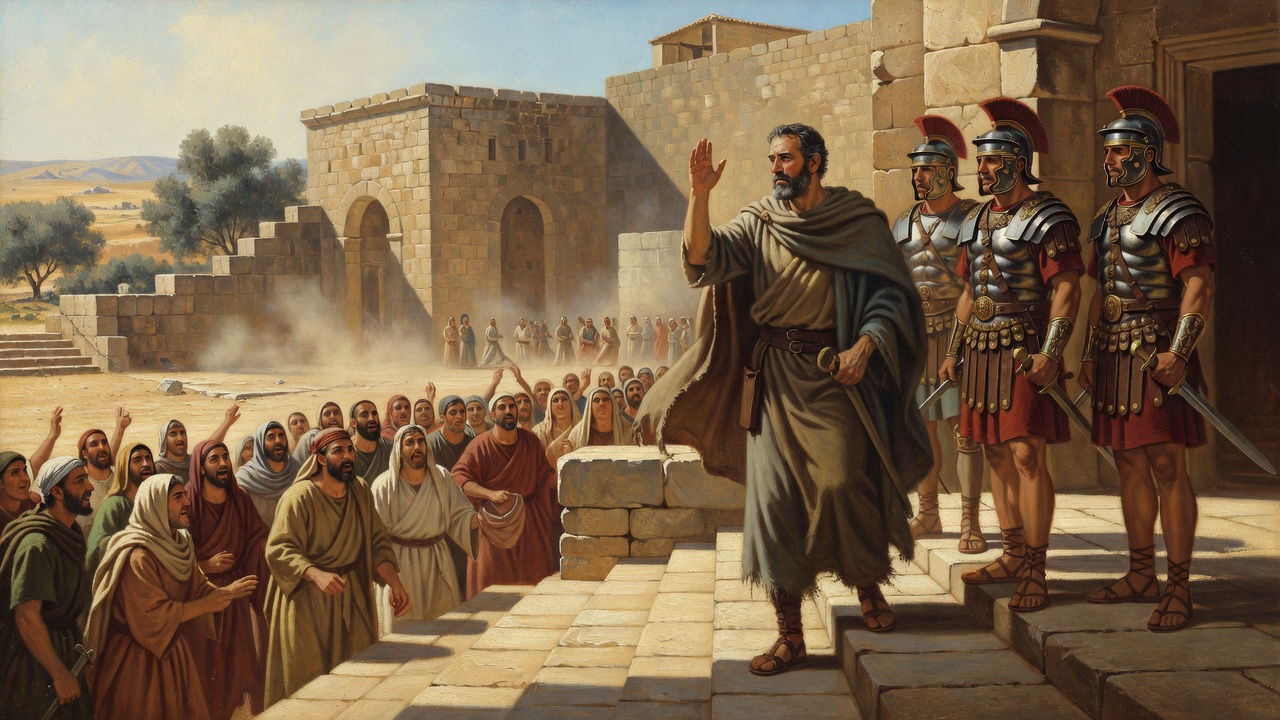
Você sabia?
A viagem de Paulo a Jerusalém e sua prisão no templo
- Em Cesaréia, o profeta Ágabo transmitiu um aviso simbólico vívido ao pegar o cinto de Paulo e amarrar as próprias mãos e pés. Ele predisse que os judeus em Jerusalém amarrariam Paulo e o entregariam nas mãos dos gentios.Fontes: Agabus · o próprio texto bíblico
- Durante sua viagem, Paulo hospedou-se em Cesaréia na casa de Filipe, o evangelista, um dos Sete escolhidos para servir à igreja primitiva em Jerusalém. Filipe tinha quatro filhas solteiras que tinham o dom de profecia.Fontes: Phillip the Evangelist · o próprio texto bíblico
- O violento tumulto que resultou na prisão de Paulo pelos romanos começou quando judeus da província da Ásia presumiram que Paulo havia introduzido Trófimo, um cristão gentio de Éfeso, no pátio sagrado do templo.Fontes: Trophimus · o próprio texto bíblico
Notas escritas com auxílio de IA a partir de fontes abertas (Theographic Bible Metadata, CC BY-SA 4.0; Easton’s Bible Dictionary, domínio público) e revisadas antes de publicar.
Lugares deste capítulo
- Cos · Hoje: Kos · 36.815, 27.110 · versículo 1
- Patara · 36.260, 29.314 · versículo 1
- Phoenicia · 33.271, 35.196 · versículo 2
- Cyprus · 35.000, 33.000 · versículos 3, 16
- Syria · Hoje: Syria 2 · 33.511, 36.306 · versículo 3
- Tyre · 33.271, 35.196 · versículos 3, 7
- Jerusalem · 31.777, 35.234 · versículos 4, 11, 12, 13, 15, 17, 18, 21, 31
- Ptolemais · Hoje: Acre · 32.921, 35.069 · versículo 7
- Caesarea · Hoje: Caesarea Maritima · 32.500, 34.892 · versículos 8, 16
- Judea · Hoje: Judea 1 · 31.777, 35.234 · versículo 10
- Asia · 38.400, 28.300 · versículo 27
- Ephesus · 37.939, 27.341 · versículo 29
- Cilicia · 36.913, 34.892 · versículo 39
- Tarsus · 36.913, 34.892 · versículo 39
Só aparecem lugares com identificação de alta confiança (90% ou mais segundo as fontes acadêmicas reunidas pelo OpenBible). Mapa da época: DARE (Digital Atlas of the Roman Empire), CC BY 4.0; mapa atual: © colaboradores do OpenStreetMap; lugares: OpenBible.info (CC BY 4.0).
Créditos e licença desta tradução
Sahidica - طبعة جديدة من العهد الجديد باللغة القبطية الصعيدية
Sahidica - A New Edition of the New Testament in Sahidic Coptic
copyright © 2000-2006 J Warren Wells
Language: ⲘⲉⲧⲢⲉⲙ̀ⲛⲭⲏⲙⲓ (Coptic)
Dialect: Sahidic
Translation by: J Warren Wells
Coptic: Sahidic NT "Sahidica - A New Edition of the New Testament in Sahidic Coptic"
Copyright (c)2000-2006 by J Warren Wells. All rights reserved.
For more information visit www.sahidica.org .
This edition is available free of charge for use in free electronic
editions of the New Testament as long as the full title and copyright
information are included and credited. For written permission to use
all or any part of this document in print editions, contact the editor
at www.sahidica.org .
This edition is primarily meant for use by teachers and students of
Sahidic Coptic, and to a lesser degree by Coptologists involved in
scholarly research, textual criticism, or New Testament translation.
PURPOSE
Please note: This text is a work in progress. As such, there
is an ongoing effort to standardize the spelling of words in
the text. Be aware that version updates periodically appear.
The primary purpose is to produce a standardized edition of
the Sahidic NT similar to standard Greek editions.
An additional purpose of this text is to allow side-by-side
comparison with the Greek New Testament. To facilitate this
effort, a new version of the Greek text has been developed,
which is meant to better represent the Greek text upon which
the Sahidic was based. This text is entitled "The New Testament
According to the Egyptian Greek Text" [NTAEG]
This text does not include representation of either accents or
supralinear strokes, since these are used inconsistently in the
original texts. There is also a higher degree of standardization
in spelling and punctuation; like today's standard Greek master
texts, but unlike both the original Sahidic texts, and the PHI
and Coptic Society texts. Moreover, as in standard Greek texts,
instances of the Nomina Sacra have been expanded to their full
forms. This is again a departure from earlier versions of the
Sahidic, including the PHI and Coptic Society texts, which are
Both inconsistent in their usage.
Special thanks to David Brakke of Indiana University Bloomington,
Brigitte Comparini of the Packard Humanities Institute, and
Michael Heiser, Academic Editor, at Logos Research Systems; for
their assistance in making this edition possible.
BASIS
Sahidica was initially based (by permission) on the Coptic New Testament,
which is an electronic publication, which was edited by David Brakke.
(PHI-CD 5.3 dated 7/2/91. Los Altos. Packard Humanities Institute. 1991).
During later development, Sahidica was electronically collated against
the Coptic CD I by the St. Shenouda The Archmandrite Coptic Society.
Los Angeles, CA dated April, 1998.
These two editions were reduced to a raw electronic form, which allowed both
to be compared electronically letter by letter with Sahidica in order to
accurately detect and report every single variation and input error in any
of the texts. Though errors are inevitable, the collators of three seperate
editions are highly unlikely to make the same errors. Therefore, this method
helps to insure the integrity of the Sahidica edition.
Throughout the project, Sahidica was also collated against printed editions
of the following coptic manuscripts, which manuscripts date from the third
century and later.
Matt: Pierpont Morgan Library M-569 collated against Bodmer XIX papyrus
Mark:* PPalau Rib. Inv.Nr.182 collated against Pierpont Morgan Library M-569
Luke: PPalau Rib. Inv.Nr.181 collated against Pierpont Morgan Library M-569
John: PPalau Rib. Inv.Nr.183 collated against Pierpont Morgan Library M-569
Acts: Chester Beatty B (Copt.Ms.814) collated against Berlin P.15926 and British Museum MS Or.7594
Paul: Chester Beatty A (Copt.Ms.813) collated against Pierpont Morgan Library M-570 and M-571
James-Jude:** Pierpont Morgan Library M-572 collated against the Pierpont Morgan Library M-573 and M-601***
Revelation: Berlin MS Or.408 ( British Museum Ms Or.3518) collated against British Museum MS Or.6803
* Note: The longer and shorter endings of Mark are based on Horner; cf Kahle (JTS.1951.p49-57)
** Note: 1st Peter was also collated against the Crosby-Schøyen Ms.193.
*** Note: Portions of James and Jude were reconstructed from M-573, M-601, and four other mss.
Note on Interpolations
The short and long endings of Mark are ommited from the PPalau ms 182, but they do appear in most mss.
To better represent the overall Sahidic tradition, both endings are included, but in double brackets.
The pericope of the adultress (John 7:53-8:11) does not appear in any Sahidic ms. Herein it is omitted.
2014-09-16
Fonte: http://ebible.org/copshc/ · eBible.org