Atos 13
Sahidica - طبعة جديدة من العهد الجديد باللغة القبطية الصعيدية · Toque num versículo para ver as referências cruzadas.
1ⲚⲈⲨϢⲞⲞⲠ ⲆⲈ ϨⲚ ⲦⲈⲔⲔⲖⲎⲤⲒⲀ ⲈⲦϨⲚ ⲦⲀⲚⲦⲒⲞⲬⲒⲀ ⲚϬⲒ ϨⲈⲚⲠⲢⲞⲪⲎⲦⲎⲤ ⲘⲚ ϨⲈⲚⲤⲀϨ ⲈⲦⲈ ⲂⲀⲢⲚⲀⲂⲀⲤ ⲠⲈ ⲘⲚ ⲤⲨⲘⲈⲰⲚ ⲠⲈⲦⲞⲨⲘⲞⲨⲦⲈ ⲈⲢⲞϤ ϪⲈ ⲚⲒⲄⲈⲢ ⲘⲚ ⲖⲞⲨⲔⲒⲞⲤ ⲠⲔⲨⲢⲎⲚⲀⲒⲞⲤ ⲀⲨⲰ ⲘⲀⲚⲀⲎⲚ ⲠⲤⲞⲚ ⲘⲘⲞⲞⲚⲈ ⲚϨⲎⲢⲰⲆⲎⲤ ⲠⲦⲈⲦⲢⲀⲀⲢⲬⲎⲤ ⲀⲨⲰ ⲤⲀⲨⲖⲞⲤ 2ⲈⲨϢⲘϢⲈ ⲆⲈ ⲘⲠϪⲞⲈⲒⲤ ⲀⲨⲰ ⲈⲨⲚⲎⲤⲦⲈⲨⲈ. ⲠⲈϪⲈ ⲠⲈⲠⲚⲈⲨⲘⲀ ⲈⲦⲞⲨⲀⲀⲂ ⲚⲀⲨ ϪⲈ ⲠⲰⲢϪ ⲚⲀⲒ ⲈⲂⲞⲖ ⲚⲂⲀⲢⲚⲀⲂⲀⲤ ⲘⲚ ⲤⲀⲨⲖⲞⲤ ⲈⲪⲰⲂ ⲚⲦⲀⲒⲦⲀϨⲘⲞⲨ ⲈⲢⲞϤ. 3ⲦⲞⲦⲈ ⲀⲨⲚⲎⲤⲦⲈⲨⲈ ⲀⲨⲰ ⲀⲨϢⲖⲎⲖ. ⲀⲨⲦⲀⲖⲈ ϬⲒϪ ⲈϪⲰⲞⲨ. ⲀⲨⲔⲀⲀⲨ ⲈⲂⲞⲖ. 4ⲚⲦⲞⲞⲨ ϬⲈ ⲚⲦⲈⲢⲞⲨϪⲞⲞⲨⲤⲈ ⲈⲂⲞⲖ ϨⲒⲦⲚ ⲚⲈⲦⲞⲨⲀⲀⲂ. ⲀⲨⲈⲒ ⲈϨⲢⲀⲒ ⲈⲤⲈⲖⲈⲨⲔⲒⲀ. ⲈⲂⲞⲖ ⲆⲈ ϨⲘ ⲠⲘⲀ ⲈⲦⲘⲘⲀⲨ ⲀⲨⲤϬⲎⲢ ⲈϨⲢⲀⲒ ⲈⲔⲨⲠⲢⲞⲤ. 5ⲀⲨⲰ ⲚⲦⲈⲢⲞⲨϢⲰⲠⲈ ϨⲚ ⲤⲀⲖⲀⲘⲒⲚⲀ ⲀⲨⲦⲀϢⲈⲞⲈⲒϢ ⲘⲠϢⲀϪⲈ ⲘⲠⲚⲞⲨⲦⲈ ϨⲚ ⲚⲤⲨⲚⲀⲄⲰⲄⲎ ⲚⲚⲒⲞⲨⲆⲀⲒ. ⲚⲈⲨⲚⲦⲀⲨ ⲆⲈ ⲘⲘⲀⲨ ⲘⲠⲔⲈⲒⲰϨⲀⲚⲚⲎⲤ ⲈϤϢⲘϢⲈ ⲚⲀⲨ. 6ⲚⲦⲈⲢⲞⲨⲘⲞⲨϢⲦ ⲆⲈ ⲚⲦⲚⲎⲤⲞⲤ ⲦⲎⲢⲤ ϢⲀϨⲢⲀⲒ ⲈⲠⲀⲪⲞⲤ. ⲀⲨϨⲈ ⲈⲨⲢⲰⲘⲈ ⲚⲒⲞⲨⲆⲀⲒ ⲘⲘⲀⲄⲞⲤ ⲘⲠⲢⲞⲪⲎⲦⲎⲤ ⲚⲚⲞⲨϪ. ⲈⲠⲈϤⲢⲀⲚ ⲠⲈ ⲂⲀⲢⲒⲎⲤⲞⲨⲤ. 7ⲈϤϢⲞⲞⲠ ⲘⲚ ⲠⲀⲚⲐⲎⲠⲀⲦⲞⲤ ⲤⲈⲢⲔⲒⲞⲤ ⲠⲀⲨⲖⲞⲤ ⲞⲨⲢⲰⲘⲈ ⲚⲢⲘⲚϨⲎⲦ ⲠⲀⲒ ⲀϤⲘⲞⲨⲦⲈ ⲈⲂⲀⲢⲚⲀⲂⲀⲤ ⲘⲚ ⲤⲀⲨⲖⲞⲤ ⲀϤϢⲒⲚⲈ ⲚⲤⲀ ⲤⲰⲦⲘ ⲈⲠϢⲀϪⲈ ⲘⲠⲚⲞⲨⲦⲈ. 8ⲀϤϮ ⲆⲈ ⲞⲨⲂⲎⲨ ⲚϬⲒ ⲈⲖⲨⲘⲀⲤ ⲠⲘⲀⲄⲞⲤ. ⲦⲀⲒ ⲄⲀⲢ ⲦⲈ ⲐⲈ ⲈϢⲀⲨⲞⲨⲰϨⲘ ⲘⲠⲈϤⲢⲀⲚ. ⲈϤϢⲒⲚⲈ ⲚⲤⲀ ⲔⲦⲈ ⲠⲀⲚⲐⲨⲠⲀⲦⲞⲤ ⲈⲂⲞⲖ ϨⲚ ⲦⲠⲒⲤⲦⲒⲤ. 9ⲤⲀⲨⲖⲞⲤ ⲆⲈ ⲈⲦⲈ ⲠⲀⲨⲖⲞⲤ ⲠⲈ ⲀϤⲘⲞⲨϨ ⲈⲂⲞⲖ ϨⲘ ⲠⲈⲠⲚⲈⲨⲘⲀ ⲈⲦⲞⲨⲀⲀⲂ. ⲀϤⲈⲒⲰⲢⲘ ⲈϨⲞⲨⲚ ⲈϨⲢⲀϤ 10ⲈϤϪⲰ ⲘⲘⲞⲤ ϪⲈ ⲰⲠⲈⲦϪⲎⲔ ⲈⲂⲞⲖ ⲚⲔⲢⲞϤ ⲚⲒⲘ ⲀⲨⲰ ⲠⲈⲐⲞⲞⲨ ⲚⲒⲘ. ⲠϢⲎⲢⲈ ⲘⲠⲆⲒⲀⲂⲞⲖⲞⲤ ⲠϪⲀϪⲈ ⲚⲆⲒⲔⲀⲒⲞⲤⲨⲚⲎ ⲚⲒⲘ. ⲚⲄⲚⲀⲖⲞ ⲀⲚ ⲈⲔϬⲰⲰⲘⲈ ⲚⲚⲈϨⲒⲞⲞⲨⲈ ⲈⲦⲤⲞⲨⲦⲰⲚ ⲚⲦⲈ ⲠϪⲞⲈⲒⲤ. 11ⲦⲈⲚⲞⲨ ⲈⲒⲤ ⲦϬⲒϪ ⲘⲠϪⲞⲈⲒⲤ ⲚⲀϢⲰⲠⲈ ⲈϨⲢⲀⲒ ⲈϪⲰⲔ ⲀⲨⲰ ⲚⲄϢⲰⲠⲈ ⲚⲂⲖⲖⲈ ⲚⲄⲚⲀⲨ ⲈⲂⲞⲖ ⲀⲚ ⲈⲠⲢⲎ ϢⲀ ⲞⲨⲞⲈⲒϢ ⲚⲦⲈⲨⲚⲞⲨ ⲆⲈ ⲀϨⲈⲚϨⲂⲤ ϨⲈ ⲈϨⲢⲀⲒ ⲈϪⲰϤ ⲘⲚ ⲞⲨⲔⲀⲔⲈ ⲀⲨⲰ ⲚⲈϤⲘⲞⲞϢⲈ ⲈϤϢⲒⲚⲈ ⲚⲤⲀ ⲚⲈⲦⲚⲀϪⲒ ⲘⲞⲈⲒⲦ ϨⲎⲦϤ. 12ⲦⲞⲦⲈ ⲠⲀⲚⲐⲨⲠⲀⲦⲞⲤ ⲚⲦⲈⲢⲈϤⲚⲀⲨ ⲈⲠⲈⲚⲦⲀϤϢⲰⲠⲈ. ⲀϤⲠⲒⲤⲦⲈⲨⲈ ⲈϤⲠⲖⲎⲤⲤⲈ ⲈϨⲢⲀⲒ ⲈϪⲚ ⲦⲈⲤⲂⲰ ⲘⲠϪⲞⲈⲒⲤ. 13ⲚⲦⲈⲢⲈ ⲚⲀ ⲠⲀⲨⲖⲞⲤ ⲆⲈ ⲤϬⲎⲢ ⲈⲂⲞⲖ ϨⲘ ⲠⲀⲪⲞⲤ ⲀⲨⲈⲒ ⲈϨⲢⲀⲒ ⲈⲠⲈⲢⲄⲎ ⲚⲦⲠⲀⲘⲪⲨⲖⲒⲀ. ⲀⲒⲰϨⲀⲚⲚⲎⲤ ⲆⲈ ⲠⲰⲢϪ ⲈⲂⲞⲖ ⲘⲘⲞⲞⲨ ⲀϤⲔⲦⲞϤ ⲈⲐⲒⲈⲢⲞⲤⲞⲖⲨⲘⲀ. 14ⲚⲦⲞⲞⲨ ϬⲈ ⲚⲦⲈⲢⲞⲨⲈⲒ ⲈⲂⲞⲖ ϨⲘ ⲠⲈⲢⲄⲎ. ⲀⲨⲈⲒ ⲈϨⲢⲀⲒ ⲈⲦⲀⲚⲦⲒⲞⲬⲒⲀ ⲚⲦⲠⲒⲤⲒⲆⲒⲀ. ⲀⲨⲰ ⲀⲨⲂⲰⲔ ⲈϨⲞⲨⲚ ⲈⲦⲤⲨⲚⲀⲄⲰⲄⲎ ⲘⲠⲈϨⲞⲞⲨ ⲚⲚⲤⲀⲂⲂⲀⲦⲞⲚ ⲀⲨϨⲘⲞⲞⲤ 15ⲘⲚⲚⲤⲀ ⲠⲰϢ ⲆⲈ ⲘⲠⲚⲞⲘⲞⲤ ⲘⲚ ⲚⲈⲠⲢⲞⲪⲎⲦⲎⲤ. ⲀⲨϪⲞⲞⲨ ⲚϬⲒ ⲚⲀⲢⲬⲒⲤⲨⲚⲀⲄⲰⲄⲞⲤ ϢⲀⲢⲞⲞⲨ ⲈⲨϪⲰ ⲘⲘⲞⲤ ϪⲈ ⲚⲢⲰⲘⲈ ⲚⲈⲤⲚⲎⲨ ⲈϢⲰⲠⲈ ⲞⲨⲚ ϢⲀϪⲈ ⲚⲤⲞⲠⲤ ⲚⲦⲈⲦⲎ ⲨⲦⲚ ⲀϪⲒⲤ ⲚⲚⲀϨⲢⲘ ⲠⲖⲀⲞⲤ. 16ⲀⲠⲀⲨⲖⲞⲤ ⲆⲈ ⲦⲰⲞⲨⲚ ⲀϤⲔⲒⲘ ⲘⲚ ⲦⲈϤϬⲒϪ ⲈⲢⲞⲞⲨ ⲈϤϪⲰ ⲘⲘⲞⲤ ϪⲈ ⲚⲢⲰⲘⲈ ⲚⲦⲈ ⲠⲒⲤⲢⲀⲎⲖ. ⲀⲨⲰ ⲚⲈⲦⲢϨⲞⲦⲈ ϨⲎⲦϤ ⲘⲠⲚⲞⲨⲦⲈ ⲤⲰⲦⲘ. 17ⲠⲚⲞⲨⲦⲈ ⲘⲠⲒⲤⲢⲀⲎⲖ ⲀϤⲤⲰⲦⲠ ⲚⲚⲈⲚⲈⲒⲞⲦⲈ. ⲀⲨⲰ ⲀϤϪⲒⲤⲈ ⲘⲠⲖⲀⲞⲤ ⲘⲠⲘⲀ ⲚϬⲞⲒⲖⲈ ϨⲘ ⲠⲔⲀϨ ⲚⲔⲎⲘⲈ. ⲀⲨⲰ ϨⲚ ⲞⲨϬⲂⲞⲒ ⲈϤϪⲞⲤⲈ ⲀϤⲚⲦⲞⲨ ⲈⲂⲞⲖ ϨⲘ ⲠⲘⲀ ⲈⲦⲘⲘⲀⲨ. 18ⲀϤⲤⲀⲚⲞⲨϢⲞⲨ ⲚϨⲘⲈ ⲚⲢⲞⲘⲠⲈ ϨⲒ ⲦⲈⲢⲎⲘⲞⲤ. 19ⲀϤϤⲰⲦⲈ ⲈⲂⲞⲖ ⲚⲤⲀϢϤ ⲚϨⲈⲐⲚⲞⲤ ϨⲘ ⲠⲔⲀϨ ⲚⲬⲀⲚⲀⲀⲚ. ⲀϤϮ ⲠⲈⲨⲔⲀϨ ⲚⲀⲨ ⲚⲔⲖⲎⲢⲞⲚⲞⲘⲒⲀ 20ⲚⲀϤⲦⲞⲨ ϢⲈ ⲦⲀⲒⲞⲨ ⲚⲢⲞⲘⲠⲈ. ⲀⲨⲰ ⲀϤϮ ⲚⲀⲨ ⲚⲔⲢⲎⲦⲎⲤ ϢⲀϨⲢⲀⲒ ⲈⲤⲀⲘⲞⲨⲎⲖ ⲠⲈⲠⲢⲞⲪⲎⲦⲎⲤ. 21ⲘⲚⲚⲤⲰⲤ ⲀⲨⲀⲒⲦⲒ ⲚⲞⲨⲢⲢⲞ. ⲀⲠⲚⲞⲨⲦⲈ ϮⲚⲀⲨ ⲚⲤⲀⲞⲨⲖ ⲠϢⲎⲢⲈ ⲚϬⲒⲤ. ⲞⲨⲢⲰⲘⲈ ⲈⲂⲞⲖ ϨⲚ ⲦⲈⲪⲨⲖⲎ ⲚⲂⲈⲚⲒⲀⲘⲈⲒⲚ ⲚϨⲘⲈ ⲚⲢⲞⲘⲠⲈ. 22ⲀⲨⲰ ⲚⲦⲈⲢⲈϤⲠⲞⲞⲚⲈϤ ⲀϤⲦⲞⲨⲚⲈⲤ ⲆⲀⲨⲈⲒⲆ ⲚⲀⲨ ⲈⲨⲢⲢⲞ. ⲠⲀⲒ ⲚⲦⲀϤⲢⲘⲚⲦⲢⲈ ϨⲀⲢⲞϤ ⲈϤϪⲰ ⲘⲘⲞⲤ ϪⲈ ⲀⲒϨⲈ ⲈⲆⲀⲨⲈⲒⲆ ⲠϢⲎⲢⲈ ⲚⲒⲤⲤⲀⲒ ⲈϤⲚⲎⲨ ϨⲘ ⲠⲀϨⲎⲦ. ⲠⲀⲒ ⲈⲦⲚⲀⲈⲒⲢⲈ ⲚⲚⲀⲞⲨⲰϢ ⲦⲎⲢⲞⲨ. 23ⲈⲂⲞⲖ ϬⲈ ϨⲘ ⲠⲈϤⲤⲠⲈⲢⲘⲀ ⲔⲀⲦⲀ ⲞⲨⲈⲢⲎⲦ. ⲀⲠⲚⲞⲨⲦⲈ ⲦⲞⲨⲚⲞⲤ ⲘⲠⲒⲤⲢⲀⲎⲖ ⲘⲠⲤⲰⲦⲎ ⲢⲒⲎⲤⲞⲨⲤ. 24ⲈⲀ ⲒⲰϨⲀⲚⲚⲎⲤ ⲔⲎⲢⲨⲤⲤⲈ ϨⲀⲐⲎ ⲘⲠⲈϤⲈⲒ ⲈϨⲞⲨⲚ ⲚⲞⲨⲂⲀⲠⲦⲒⲤⲘⲀ ⲘⲘⲈⲦⲀⲚⲞⲒⲀ ⲘⲠⲖⲀⲞⲤ ⲦⲎⲢϤ. 25ⲒⲰϨⲀⲚⲚⲎⲤ ⲆⲈ ⲚⲦⲈⲢⲈϤϪⲰⲔ ⲈⲂⲞⲖ ⲘⲠⲈϤⲦⲢⲞⲘⲞⲤ ⲚⲈϤϪⲰ ⲘⲘⲞⲤ ⲠⲈ ⲚⲚⲀϨⲢⲘ ⲠⲘⲎⲎϢⲈ ϪⲈ ⲀϨⲢⲰⲦⲚ ⲦⲈⲦⲚⲘⲈⲈⲨⲈ ⲈⲢⲞⲒ ϪⲈ ⲀⲚⲞⲔ ⲠⲈ ⲚⲀⲚⲞⲔ ⲀⲚ ⲠⲈ ⲀⲖⲖⲀ ⲈⲒⲤ ϨⲎⲎⲦⲈ ϤⲚⲎⲨ ⲘⲚⲚⲤⲰⲒ ⲠⲀⲒ ⲈⲚϮⲘⲠϢⲀ ⲀⲚ ⲚⲂⲰⲖ ⲈⲂⲞⲖ ⲘⲠⲦⲞⲞⲨⲈ ⲚⲚⲈϤⲞⲨⲈⲢⲎⲦⲈ. 26ⲚⲢⲰⲘⲈ ⲚⲈⲤⲚⲎⲨ ⲚϢⲎⲢⲈ ⲘⲠⲄⲈⲚⲞⲤ ⲚⲀⲂⲢⲀϨⲀⲘ. ⲀⲨⲰ ⲚⲈⲦⲢϨⲞⲦⲈ ϨⲎⲦϤ ⲘⲠⲚⲞⲨⲦⲈ ⲚϨⲎⲦ ⲦⲎⲨⲦⲚ. ⲚⲦⲀⲨⲦⲚⲚⲞⲞⲨ ⲚⲀⲚ ⲘⲠϢⲀϪⲈ ⲘⲠⲈⲒⲞⲨϪⲀⲒ. 27ⲚⲈⲦⲞⲨⲎϨ ⲄⲀⲢ ϨⲚ ⲐⲒⲈⲢⲞⲤⲞⲖⲨⲘⲀ ⲀⲨⲰ ⲚⲈⲨⲀⲢⲬⲰⲚ ⲘⲠⲞⲨⲤⲞⲨⲰ ⲚⲠⲀⲒ. ⲀⲨⲰ ⲚⲈⲤⲘⲎ ⲚⲚⲈⲠⲢⲞⲪⲎⲦⲎⲤ ⲈⲦⲞⲨⲰϢ ⲘⲘⲞⲞⲨ ⲔⲀⲦⲀ ⲤⲀⲂⲂⲀⲦⲞⲚ ⲚⲒⲘ. ⲀⲨⲔⲢⲒⲚⲈ ⲘⲘⲞⲞⲨ ⲀⲨϪⲞⲔⲞⲨ ⲈⲂⲞⲖ. 28ⲘⲠⲞⲨϬⲚ ⲖⲀⲀⲨ ⲆⲈ ⲚⲖⲞⲒϬⲈ ⲘⲘⲞⲨ ⲈϨⲞⲨⲚ ⲈⲢⲞϤ. ⲀⲨⲀⲒⲦⲒ ⲘⲠⲒⲖⲀⲦⲞⲤ ⲈⲘⲞⲨⲞⲨⲦ ⲘⲘⲞϤ. 29ⲚⲦⲈⲢⲞⲨϪⲰⲔ ⲆⲈ ⲈⲂⲞⲖ ⲚⲚⲈⲦⲤⲎϨ ⲦⲎⲢⲞⲨ ⲈⲦⲂⲎⲦϤ. ⲀⲨⲞⲨⲀϨϤ ⲈϨⲢⲀⲒ ϨⲒ ⲠϢⲈ ⲀⲨⲔⲀⲀϤ ϨⲚ ⲞⲨⲦⲀⲪⲞⲤ. 30ⲠⲚⲞⲨⲦⲈ ⲆⲈ ⲀϤⲦⲞⲨⲚⲞⲤϤ ⲈⲂⲞⲖ ϨⲚ ⲚⲈⲦⲘⲞⲞⲨⲦ. 31ⲠⲀⲒ ⲚⲦⲀϤⲞⲨⲰⲚϨ ⲈⲂⲞⲖ ⲚϨⲀϨ ⲚϨⲞⲞⲨ ⲚⲚⲈⲚⲦⲀⲨⲂⲰⲔ ⲚⲘⲘⲀϤ ⲈⲂⲞⲖ ϨⲚ ⲦⲄⲀⲖⲒⲖⲀⲒⲀ ⲈϨⲢⲀⲒ ⲈⲐⲒⲈⲢⲞⲤⲞⲖⲨⲘⲀ. ⲚⲀⲒ ⲦⲈⲚⲞⲨ ⲈⲨϢⲞⲞⲠ ⲚⲀϤ ⲘⲘⲚⲦⲢⲈ ⲚⲚⲀϨⲢⲘ ⲠⲖⲀⲞⲤ. 32ⲀⲨⲰ ⲀⲚⲞⲚ ϨⲰⲰⲚ ⲦⲚⲈⲨⲀⲄⲄⲈⲖⲒⲌⲈ ⲚⲎⲦⲚ ⲘⲠⲈⲢⲎⲦ ⲚⲦⲀϤϢⲰⲠⲈ ⲚⲚⲀϨⲢⲚ ⲚⲈⲚⲈⲒⲞⲦⲈ. 33ϪⲈ ⲀⲠⲚⲞⲨⲦⲈ ϪⲞⲔϤ ⲈⲂⲞⲖ ⲚⲚⲈⲨϢⲎⲢⲈ ⲈⲀϤⲦⲞⲨⲚⲞⲤ ⲚⲀⲚ ⲘⲠϪⲞⲈⲒⲤ ⲒⲎⲤⲞⲨⲤ ⲠⲈⲬⲢⲒⲤⲦⲞⲤ ⲚⲐⲈ ⲈⲦϤⲤⲎϨ ϨⲘ ⲠⲘⲈϨⲤⲚⲀⲨ ⲘⲮⲀⲖⲘⲞⲤ ϪⲈ ⲚⲦⲞⲔ ⲠⲈ ⲠⲀϢⲎⲢⲈ ⲀⲚⲞⲔ ⲀⲒϪⲠⲞⲔ ⲘⲠⲞⲞⲨ. 34ϪⲈ ⲀϤⲦⲞⲨⲚⲞⲤϤ ⲆⲈ ⲈⲂⲞⲖ ϨⲚ ⲚⲈⲦⲘⲞⲞⲨⲦ ⲚϤⲚⲀⲦⲤⲦⲞϤ ⲀⲚ ⲈⲠⲦⲀⲔⲞ. ⲀϤϪⲞⲞⲤ ⲚⲦⲈⲒϨⲈ ⲆⲈ ϮⲚⲀϮ ⲚⲎⲦⲚ ⲚⲚⲈⲦⲞⲨⲀⲀⲂ ⲚⲆⲀⲨⲈⲒⲆ ⲈⲦⲚϨⲞⲦ. 35ϪⲈ ϤϪⲰ ⲘⲘⲞⲤ ⲞⲚ ϨⲚ ⲔⲈⲘⲀ. ϪⲈ ⲚⲚⲈⲔϮ ⲘⲠⲈⲔⲠⲈⲦⲞⲨⲀⲀⲂ ⲈⲦⲢⲈϤⲚⲀⲨ ⲈⲠⲦⲀⲔⲞ. 36ⲆⲀⲨⲈⲒⲆ ⲘⲈⲚ ⲄⲀⲢ ϨⲚ ⲦⲈϤⲄⲈⲚⲈⲀ ⲀϤϢⲘϢⲈ ⲘⲠⲞⲨⲰϢ ⲘⲠⲚⲞⲨⲦⲈ. ⲀϤⲚⲔⲞⲦⲔ. ⲀⲨⲞⲨⲀϨϤ ⲚⲚⲀϨⲢⲚ ⲚⲈϤⲈⲒⲞⲦⲈ ⲀⲨⲰ ⲀϤⲚⲀⲨ ⲈⲠⲦⲀⲔⲞ. 37ⲠⲈⲚⲦⲀ ⲠⲚⲞⲨⲦⲈ ⲆⲈ ⲦⲞⲨⲚⲞⲤϤ ⲘⲠϤⲚⲀⲨ ⲈⲠⲦⲀⲔⲞ. 38ⲘⲀⲢⲈϤⲞⲨⲰⲚϨ ϬⲈ ⲚⲎⲦⲚ ⲈⲂⲞⲖ ⲚⲢⲰⲘⲈ ⲚⲀⲤⲚⲎⲨ. ϪⲈ ⲈⲂⲞⲖ ϨⲒⲦⲘ ⲠⲈⲒⲎⲤⲞⲨⲤ ⲤⲈⲦⲀϢⲈⲞⲈⲒϢ ⲚⲎⲦⲚ ⲘⲠⲔⲰ ⲈⲂⲞⲖ ⲚⲚⲈⲦⲚⲚⲞⲂⲈ. 39ⲀⲨⲰ ϨⲰⲂ ⲚⲒⲘ ⲈⲦⲈⲘⲠⲈⲦⲚⲈϢϬⲘϬⲞⲘ ⲈⲦⲘⲀⲒⲞ ⲈⲂⲞⲖ ⲚϨⲎⲦⲞⲨ. ϨⲘ ⲠⲚⲞⲘⲞⲤ ⲘⲘⲰⲨⲤⲎⲤ ⲞⲨⲞⲚ ⲚⲒⲘ ⲈⲦⲚⲀⲠⲒⲤⲦⲈⲨⲈ ⲈⲠⲀⲒ ⲤⲈⲚⲀⲦⲘⲀⲒⲞⲞⲨ. 40ϬⲰϢⲦ ϬⲈ ⲘⲠⲢⲦⲢⲈ ⲠⲈⲚⲦⲀⲨϪⲞⲞϤ ϨⲒⲦⲘ ⲠⲈⲠⲢⲞⲪⲎⲦⲎⲤ ⲈⲒ ⲈϨⲢⲀⲒ ⲈϪⲰⲦⲚ. 41ϪⲈ ⲀⲚⲀⲨ ⲚⲔⲀⲦⲀⲪⲢⲞⲚⲒⲦⲎⲤ ⲚⲦⲈⲦⲚ ⲢϢⲠⲎⲢⲈ ⲚⲦⲈⲦⲚ ⲦⲀⲔⲞ. ϪⲈ ϮⲚⲀⲢ ⲞⲨϨⲰⲂ ⲀⲚⲞⲔ ϨⲚ ⲚⲈⲦⲚϨⲞⲞⲨ. ⲞⲨϨⲰⲂ ⲚⲚⲈⲦⲚⲠⲒⲤⲦⲈⲨⲈ ⲈⲢⲞϤ ⲈⲢϢⲀⲚⲞⲨⲀ ϪⲞⲞϤ ⲚⲎⲦⲚ. 42ⲈⲨⲚⲎⲨ ⲆⲈ ⲈⲂⲞⲖ ⲀⲨⲤⲈⲠⲤⲰⲠϤ ⲈⲦⲢⲈϤϪⲰ ⲈⲢⲞⲞⲨ ⲚⲚⲈⲒϢⲀϪⲈ ⲘⲠⲔⲈⲤⲀⲂⲂⲀⲦⲞⲚ ⲈⲦⲚⲎⲨ. 43ⲚⲦⲈⲢⲈ ⲦⲤⲨⲚⲀⲄⲰⲄⲎ ⲆⲈ ⲦⲰⲚⲤ ⲀⲨⲞⲨⲀϨⲞⲨ ⲚϬⲒ ⲞⲨⲘⲎⲎϢⲈ ⲚⲒⲞⲨⲆⲀⲒ ⲘⲚ ⲚⲈⲠⲢⲞⲤⲎⲖⲨⲦⲞⲤ ⲈⲦϢⲘϢⲈ ⲚⲤⲀⲠⲀⲨⲖⲞⲤ ⲘⲚ ⲂⲀⲢⲚⲀⲂⲀⲤ. ⲚⲦⲞⲞⲨ ⲆⲈ ⲀⲨϢⲀϪⲈ ⲚⲘⲘⲀⲨ ⲀⲨⲠⲒⲐⲈ ⲘⲘⲞⲞⲨ ⲈⲦⲢⲈⲨϬⲰ ϨⲚ ⲦⲈⲬⲀⲢⲒⲤ ⲘⲠⲚⲞⲨⲦⲈ. 44ϨⲘ ⲠⲔⲈⲤⲀⲂⲂⲀⲦⲞⲚ ⲆⲈ ⲤⲬⲈⲆⲞⲚ ⲦⲠⲞⲖⲒⲤ ⲦⲎⲢⲤ. ⲀⲨⲤⲰⲞⲨϨ ⲈⲤⲰⲦⲘ ⲈⲠϢⲀϪⲈ ⲘⲠϪⲞⲈⲒⲤ. 45ⲚⲒⲞⲨⲆⲀⲒ ⲆⲈ ⲚⲦⲈⲢⲞⲨⲚⲀⲨ ⲈⲠⲘⲎⲎϢⲈ. ⲀⲨⲘⲞⲨϨ ⲚⲔⲰϨ. ⲀⲨⲰ ⲀⲨϮ ⲞⲨⲂⲈ ⲚⲈⲦⲈⲢⲈ ⲠⲀⲨⲖⲞⲤ ϪⲰ ⲘⲘⲞⲞⲨ ⲈⲨϪⲒⲞⲨⲀ. 46ⲠⲀⲨⲖⲞⲤ ⲆⲈ ⲘⲚ ⲂⲀⲢⲚⲀⲂⲀⲤ ⲀⲨⲠⲀⲢⲢⲎ ⲤⲒⲀⲌⲈ ⲘⲘⲞⲞⲨ ⲠⲈϪⲀⲨ ⲚⲀⲨ ϪⲈ ⲚⲈ ⲞⲨⲀⲚⲀⲄⲔⲀⲒⲞⲚ ⲠⲈ ⲈϪⲰ ⲚⲎⲦⲚ ⲘⲠϢⲀϪⲈ ⲘⲠⲚⲞⲨⲦⲈ ⲚϢⲞⲢⲠ ⲈⲠⲈⲒⲆⲎ ⲦⲈⲦⲚⲚⲞⲨϪⲈ ⲘⲘⲞϤ ⲈⲂⲞⲖ ⲘⲘⲰⲦⲚ ⲀⲨⲰ ⲚⲦⲈⲦⲚ ⲔⲢⲒⲚⲈ ⲘⲘⲰⲦⲚ ⲀⲚ ϪⲈ ⲦⲈⲦⲚⲘⲠϢⲀ ⲘⲠⲰⲚϨ ⲈⲒⲤ ϨⲎⲎⲦⲈ ⲦⲚⲚⲀⲔⲦⲞⲚ ⲈϨⲢⲀⲒ ⲈⲚϨⲈⲐⲚⲞⲤ. 47ⲦⲀⲒ ⲄⲀⲢ ⲦⲈ ⲐⲈ ⲚⲦⲀ ⲦⲈⲄⲢⲀⲪⲎ ϪⲞⲞⲤ. ϪⲈ ⲀⲒⲔⲰ ⲘⲘⲞⲔ ⲚⲞⲨⲞⲈⲒⲚ ⲚⲚϨⲈⲐⲚⲞⲤ ⲈⲦⲢⲈⲔϢⲰⲠⲈ ⲈⲨⲞⲨϪⲀⲒ ϢⲀⲀⲢⲎϪϤ ⲘⲠⲔⲀϨ. 48ⲚϨⲈⲐⲚⲞⲤ ⲆⲈ ⲚⲦⲈⲢⲞⲨⲤⲰⲦⲘ ⲀⲨⲢⲀϢⲈ. ⲀⲨⲰ ⲀⲨϮⲈⲞⲞⲨ ⲘⲠϢⲀϪⲈ ⲘⲠϪⲞⲈⲒⲤ. ⲀⲨⲰ ⲀⲨⲠⲒⲤⲦⲈⲨⲈ ⲚϬⲒ ⲚⲈⲚⲦⲀⲨⲦⲞϢⲞⲨ ⲈⲠⲰⲚϨ ϢⲀ ⲈⲚⲈϨ. 49ⲠϢⲀϪⲈ ⲆⲈ ⲘⲠϪⲞⲈⲒⲤ ⲚⲈϤⲘⲞⲞϢⲈ ϨⲚ ⲦⲈⲬⲰⲢⲀ ⲦⲎⲢⲤ. 50ⲚⲒⲞⲨⲆⲀⲒ ⲆⲈ ⲀⲨⲦⲂⲤ ⲚⲈⲤϨⲒⲘⲈ ⲚⲢⲘⲘⲀⲞ ⲈⲦϢⲘϢⲈ ⲀⲨⲰ ⲚⲚⲞϬ ⲚⲢⲰⲘⲈ ⲚⲦⲠⲞⲖⲒⲤ ⲀⲨⲦⲞⲨⲚⲈⲤ ⲞⲨⲆⲒⲰⲄⲘⲞⲤ ⲈϨⲢⲀⲒ ⲈϪⲘ ⲠⲀⲨⲖⲞⲤ ⲘⲚ ⲂⲀⲢⲚⲀⲂⲀⲤ ⲀⲨⲰ ⲀⲨⲚⲞϪⲞⲨ ⲈⲂⲞⲖ ϨⲚ ⲚⲈⲨⲦⲞϢ. 51ⲚⲦⲞⲞⲨ ⲆⲈ ⲀⲨⲚⲈϨⲠϢⲞⲈⲒϢ ⲚⲚⲈⲨⲞⲨⲈⲢⲎ ⲦⲈ ⲈϨⲢⲀⲒ ⲈϪⲰⲞⲨ. ⲀⲨⲈⲒ ⲈϨⲢⲀⲒ ⲈϨⲒⲔⲞⲚⲒⲞⲤ. 52ⲘⲘⲀⲐⲎⲦⲎⲤ ⲆⲈ ⲀⲨⲘⲞⲨϨ ⲚⲢⲀϢⲈ ϨⲒ ⲠⲚⲈⲨⲘⲀ ⲈϤⲞⲨⲀⲀⲂ.
Você sabia?
A missão enviada de Antioquia
- O Dicionário Bíblico de Easton (1897) descreve Antioquia da Síria como a terceira cidade em importância do Império Romano, depois de Roma e Alexandria; foi a igreja dali que separou Barnabé e Saulo. Entre seus profetas e mestres estavam Simeão, chamado Níger, sobrenome que significa negro, talvez pela pele escura, e Lúcio de Cirene, no norte da África.Fontes: Antioch (Syria) · o próprio texto bíblico · Simeon · Lucius
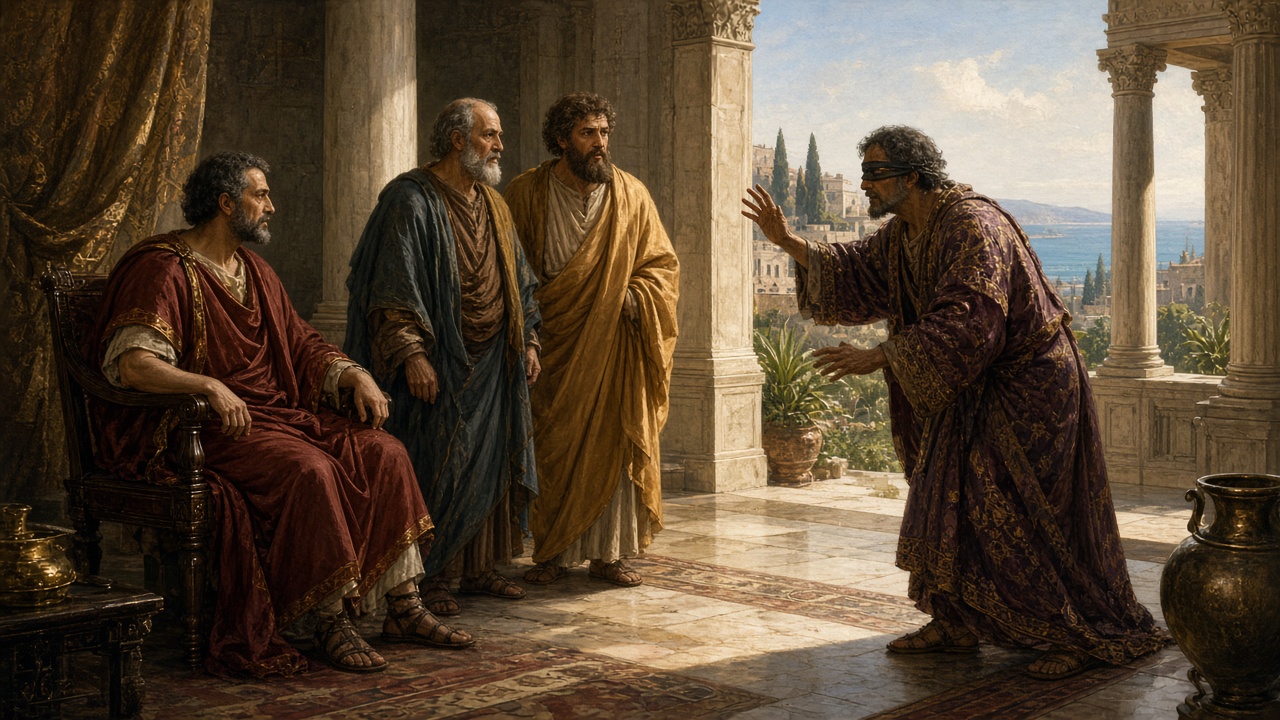
- Em Pafos, capital de Chipre e residência do governador romano, um feiticeiro judeu chamado Barjesus, também conhecido como Elimas, nome árabe que significa mago ou feiticeiro, tentou desviar o procônsul Sérgio Paulo da fé. É aqui que Saulo também é chamado Paulo; o Dicionário Bíblico de Easton (1897) diz que o nome Paulo provavelmente lhe foi dado na infância para uso no mundo gentio, enquanto Saulo era seu nome hebraico de casa.Fontes: Paphos · Elymas · Paul · o próprio texto bíblico
- Enviados de Antioquia, desceram a Selêucia, o porto da cidade perto da foz do Orontes, e navegaram até Chipre; depois desembarcaram em Perge, capital da Panfília, às margens do rio Cestro. Ali João os deixou e voltou para Jerusalém; seu nome romano, Marcos, aos poucos passou a substituir seu nome judaico, e ele era primo de Barnabé.Fontes: Seleucia · Perga · John Mark · o próprio texto bíblico
Notas escritas com auxílio de IA a partir de fontes abertas (Theographic Bible Metadata, CC BY-SA 4.0; Easton’s Bible Dictionary, domínio público) e revisadas antes de publicar.
Lugares deste capítulo
- Antioch · Hoje: Antioch on the Orontes · 36.227, 36.172 · versículo 1
- Cyrene · 32.821, 21.851 · versículo 1
- Cyprus · 35.000, 33.000 · versículo 4
- Seleucia · Hoje: Seleucia Pieria · 36.124, 35.922 · versículo 4
- Salamis · 35.185, 33.902 · versículo 5
- Paphos · Hoje: New Paphos · 34.756, 32.404 · versículos 6, 13
- Jerusalem · 31.777, 35.234 · versículos 13, 27, 31
- Pamphylia · 37.000, 31.000 · versículo 13
- Perga · 36.960, 30.854 · versículos 13, 14
- Antioch · Hoje: Antioch in Pisidia · 38.306, 31.189 · versículo 14
- Pisidia · 38.306, 31.189 · versículo 14
- Egypt · 30.129, 31.308 · versículo 17
- Canaan · 32.767, 35.333 · versículo 19
- Galilee · 32.760, 35.527 · versículo 31
- Iconium · Hoje: Konya · 37.872, 32.492 · versículo 51
Só aparecem lugares com identificação de alta confiança (90% ou mais segundo as fontes acadêmicas reunidas pelo OpenBible). Mapa da época: DARE (Digital Atlas of the Roman Empire), CC BY 4.0; mapa atual: © colaboradores do OpenStreetMap; lugares: OpenBible.info (CC BY 4.0).
Créditos e licença desta tradução
Sahidica - طبعة جديدة من العهد الجديد باللغة القبطية الصعيدية
Sahidica - A New Edition of the New Testament in Sahidic Coptic
copyright © 2000-2006 J Warren Wells
Language: ⲘⲉⲧⲢⲉⲙ̀ⲛⲭⲏⲙⲓ (Coptic)
Dialect: Sahidic
Translation by: J Warren Wells
Coptic: Sahidic NT "Sahidica - A New Edition of the New Testament in Sahidic Coptic"
Copyright (c)2000-2006 by J Warren Wells. All rights reserved.
For more information visit www.sahidica.org .
This edition is available free of charge for use in free electronic
editions of the New Testament as long as the full title and copyright
information are included and credited. For written permission to use
all or any part of this document in print editions, contact the editor
at www.sahidica.org .
This edition is primarily meant for use by teachers and students of
Sahidic Coptic, and to a lesser degree by Coptologists involved in
scholarly research, textual criticism, or New Testament translation.
PURPOSE
Please note: This text is a work in progress. As such, there
is an ongoing effort to standardize the spelling of words in
the text. Be aware that version updates periodically appear.
The primary purpose is to produce a standardized edition of
the Sahidic NT similar to standard Greek editions.
An additional purpose of this text is to allow side-by-side
comparison with the Greek New Testament. To facilitate this
effort, a new version of the Greek text has been developed,
which is meant to better represent the Greek text upon which
the Sahidic was based. This text is entitled "The New Testament
According to the Egyptian Greek Text" [NTAEG]
This text does not include representation of either accents or
supralinear strokes, since these are used inconsistently in the
original texts. There is also a higher degree of standardization
in spelling and punctuation; like today's standard Greek master
texts, but unlike both the original Sahidic texts, and the PHI
and Coptic Society texts. Moreover, as in standard Greek texts,
instances of the Nomina Sacra have been expanded to their full
forms. This is again a departure from earlier versions of the
Sahidic, including the PHI and Coptic Society texts, which are
Both inconsistent in their usage.
Special thanks to David Brakke of Indiana University Bloomington,
Brigitte Comparini of the Packard Humanities Institute, and
Michael Heiser, Academic Editor, at Logos Research Systems; for
their assistance in making this edition possible.
BASIS
Sahidica was initially based (by permission) on the Coptic New Testament,
which is an electronic publication, which was edited by David Brakke.
(PHI-CD 5.3 dated 7/2/91. Los Altos. Packard Humanities Institute. 1991).
During later development, Sahidica was electronically collated against
the Coptic CD I by the St. Shenouda The Archmandrite Coptic Society.
Los Angeles, CA dated April, 1998.
These two editions were reduced to a raw electronic form, which allowed both
to be compared electronically letter by letter with Sahidica in order to
accurately detect and report every single variation and input error in any
of the texts. Though errors are inevitable, the collators of three seperate
editions are highly unlikely to make the same errors. Therefore, this method
helps to insure the integrity of the Sahidica edition.
Throughout the project, Sahidica was also collated against printed editions
of the following coptic manuscripts, which manuscripts date from the third
century and later.
Matt: Pierpont Morgan Library M-569 collated against Bodmer XIX papyrus
Mark:* PPalau Rib. Inv.Nr.182 collated against Pierpont Morgan Library M-569
Luke: PPalau Rib. Inv.Nr.181 collated against Pierpont Morgan Library M-569
John: PPalau Rib. Inv.Nr.183 collated against Pierpont Morgan Library M-569
Acts: Chester Beatty B (Copt.Ms.814) collated against Berlin P.15926 and British Museum MS Or.7594
Paul: Chester Beatty A (Copt.Ms.813) collated against Pierpont Morgan Library M-570 and M-571
James-Jude:** Pierpont Morgan Library M-572 collated against the Pierpont Morgan Library M-573 and M-601***
Revelation: Berlin MS Or.408 ( British Museum Ms Or.3518) collated against British Museum MS Or.6803
* Note: The longer and shorter endings of Mark are based on Horner; cf Kahle (JTS.1951.p49-57)
** Note: 1st Peter was also collated against the Crosby-Schøyen Ms.193.
*** Note: Portions of James and Jude were reconstructed from M-573, M-601, and four other mss.
Note on Interpolations
The short and long endings of Mark are ommited from the PPalau ms 182, but they do appear in most mss.
To better represent the overall Sahidic tradition, both endings are included, but in double brackets.
The pericope of the adultress (John 7:53-8:11) does not appear in any Sahidic ms. Herein it is omitted.
2014-09-16
Fonte: http://ebible.org/copshc/ · eBible.org