Atos 12
Sahidica - طبعة جديدة من العهد الجديد باللغة القبطية الصعيدية · Toque num versículo para ver as referências cruzadas.
1ⲘⲠⲈⲞⲨⲞⲈⲒϢ ⲆⲈ ⲈⲦⲘⲘⲀⲨ. ⲀⲀⲄⲢⲒⲠⲠⲀⲤ ⲠⲢⲢⲞ ϨⲒ ⲦⲞⲞⲦϤ ⲈⲐⲘⲔⲈ ϨⲞⲒⲚⲈ ⲈⲂⲞⲖ ϨⲚ ⲦⲈⲔⲔⲖⲎⲤⲒⲀ. 2ⲀϤϨⲰⲦⲂ ⲆⲈ ⲚⲒⲀⲔⲰⲂⲞⲤ ⲠⲤⲞⲚ ⲚⲒⲰϨⲀⲚⲚⲎⲤ ϨⲚ ⲞⲨⲤⲎϤⲈ. 3ⲚⲦⲈⲢⲈϤⲚⲀⲨ ⲆⲈ ϪⲈ ϤⲢⲀⲚⲀⲨ ⲚⲚⲒⲞⲨⲆⲀⲒ. ⲀϤⲞⲨⲰϨ ⲈⲦⲞⲞⲦϤ ⲈϬⲰⲠⲈ ⲘⲠⲔⲈ ⲠⲈⲦⲢⲞⲤ. ⲚⲈ ⲚⲈϨⲞⲞⲨ ⲆⲈ ⲚⲀⲐⲀⲂ ⲚⲈ. 4ⲚⲦⲈⲢⲈϤϬⲞⲠϤ ⲆⲈ ⲀϤⲚⲞϪϤ ⲈⲠⲈϢⲦⲈⲔⲞ. ⲈⲀϤⲦⲀⲀϤ ⲈⲦⲞⲞⲦⲞⲨ ⲘⲘⲚⲦⲀⲤⲈ ⲘⲘⲀⲦⲞⲒ ⲈϨⲀⲢⲈϨ ⲈⲢⲞϤ. ⲈϤⲞⲨⲰϢ ⲘⲚⲚⲤⲀ ⲠⲠⲀⲤⲬⲀ ⲈⲚⲦϤ ⲈⲂⲞⲖ ⲚⲚⲀϨⲢⲘ ⲠⲖⲀⲞⲤ. 5ⲠⲈⲦⲢⲞⲤ ϬⲈ ⲚⲈⲨϨⲀⲢⲈϨ ⲈⲢⲞϤ ⲠⲈ ϨⲚ ⲞⲨⲰⲢϪ ϨⲘ ⲠⲈϢⲦⲈⲔⲞ. ⲚⲈⲨⲚ ⲞⲨⲚⲞϬ ⲆⲈ ⲚϢⲖⲎⲖ ϢⲞⲞⲠ ⲈⲂⲞⲖ ϨⲒⲦⲚ ⲦⲈⲔⲔⲖⲎⲤⲒⲀ ⲚⲚⲀϨⲢⲘ ⲠⲚⲞⲨⲦⲈ ⲈⲦⲂⲎⲎⲦϤ. 6ⲚⲦⲈⲢⲈϤⲚⲞⲨ ⲆⲈ ⲚϬⲒ ⲀⲄⲢⲒⲠⲠⲀⲤ ⲈⲚⲦϤ ⲈⲂⲞⲖ ϨⲚ ⲦⲈⲨϢⲎ ⲈⲦⲘⲘⲀⲨ ⲚⲈⲢⲈ ⲠⲈⲦⲢⲞⲤ ⲚⲔⲞⲦⲔ ⲚⲦⲘⲎⲦⲈ ⲘⲘⲀⲦⲞⲒ ⲤⲚⲀⲨ ⲈϤⲘⲎⲢ ⲚϨⲀⲖⲨⲤⲒⲤ ⲤⲚⲦⲈ ⲈⲢⲈ ⲚⲀⲚⲞⲨⲢϢⲈ ϨⲒⲢⲘ ⲠⲢⲞ ⲈⲨϨⲀⲢⲈϨ ⲈⲠⲈϢⲦⲈⲔⲞ. 7ⲀⲨⲰ ⲈⲒⲤ ⲞⲨⲀⲄⲄⲈⲖⲞⲤ ⲚⲦⲈ ⲠϪⲞⲈⲒⲤ ⲀϤⲀϨⲈⲢⲀⲦϤ ϨⲒϪⲘ ⲠⲈⲦⲢⲞⲤ ⲀⲨⲰ ⲀⲨⲞⲨⲞⲈⲒⲚ ϢⲀ ϨⲘ ⲠⲎⲒ ⲀϤⲦⲂⲤ ⲠⲈⲤⲠⲒⲢ ⲆⲈ ⲘⲠⲈⲦⲢⲞⲤ ⲀϤⲦⲞⲨⲚⲞⲤϤ ⲈϤϪⲰ ⲘⲘⲞⲤ ϪⲈ ⲦⲰⲞⲨⲚⲄ ϨⲚ ⲞⲨϬⲈⲠⲎ ⲀⲨⲰ ⲀⲘⲘⲢⲢⲈ ϨⲈ ⲈⲂⲞⲖ ϨⲚ ⲚⲈϤϬⲒϪ. 8ⲠⲈϪⲈ ⲠⲀⲄⲄⲈⲖⲞⲤ ⲆⲈ ⲚⲀϤ ϪⲈ ⲘⲞⲨⲢ ⲚⲦⲈⲔϮⲠⲈ ⲀⲨⲰ ⲚⲄϮ ⲘⲠⲈⲔⲤⲀⲚⲆⲀⲖⲒⲞⲚ ⲈⲢⲀⲦⲔ ⲀϤⲈⲒⲢⲈ ⲆⲈ ϨⲒⲚⲀⲒ ⲀⲨⲰ ⲠⲈϪⲀϤ ⲚⲀϤ ϪⲈ ϮⲦⲈⲔϢⲦⲎⲚ ϨⲒⲰⲰⲔ ⲀⲨⲰ ⲚⲄⲞⲨⲀϨⲔ ⲚⲤⲰⲒ. 9ⲀϤⲈⲒ ⲆⲈ ⲈⲂⲞⲖ ⲀϤⲞⲨⲀϨϤ ⲚⲤⲰϤ. ⲈⲚϤⲤⲞⲞⲨⲚ ⲀⲚ ϪⲈ ⲞⲨⲘⲈ ⲠⲈ ⲠⲈⲦⲈⲢⲈ ⲠⲀⲄⲄⲈⲖⲞⲤ ⲈⲒⲢⲈ ⲘⲘⲞϤ. ⲚⲈϤⲘⲈⲈⲨⲈ ⲄⲀⲢ ϪⲈ ⲞⲨϨⲞⲢⲞⲘⲀ ⲠⲈⲦϤⲚⲀⲨ ⲈⲢⲞϤ. 10ⲚⲦⲈⲢⲞⲨⲈⲒ ⲆⲈ ⲈⲂⲞⲖ ϨⲒⲦⲘ ⲠϢⲞⲢⲠ ⲚⲢⲞ ⲀⲨⲰ ⲠⲘⲈϨⲤⲚⲀⲨ ⲀⲨⲈⲒ ⲈϨⲢⲀⲒ ⲈϪⲚ ⲦⲠⲨⲖⲎ ⲘⲠⲈⲚⲒⲠⲈ ⲈⲦⲞⲨⲎⲚ ⲈⲂⲞⲖ ⲈⲦⲠⲞⲖⲒⲤ ⲦⲀⲒ ⲆⲈ ⲀⲤⲞⲨⲰⲚ ⲚⲀⲨ ⲘⲀⲨⲀⲀⲤ ⲚⲦⲈⲢⲞⲨⲈⲒ ⲆⲈ ⲈⲂⲞⲖ ⲀⲨⲠⲰϨ ϢⲀ ⲠϢⲞⲢⲠ ⲚϨⲒⲢ ⲀⲨⲰ ⲚⲦⲈⲨⲚⲞⲨ ⲀⲠⲀⲄⲄⲈⲖⲞⲤ ⲤⲀϨⲰϤ ⲈⲂⲞⲖ ⲘⲘⲞϤ. 11ⲠⲈⲦⲢⲞⲤ ⲆⲈ ⲚⲦⲈⲢⲈ ⲠⲈϤϨⲎⲦ ϢⲰⲠⲈ ⲘⲘⲞϤ. ⲠⲈϪⲀϤ ϪⲈ ⲦⲈⲚⲞⲨ ⲀⲒⲈⲒⲘⲈ ⲚⲀⲘⲈ ϪⲈ ⲠϪⲞⲈⲒⲤ ⲠⲈⲚⲦⲀϤⲦⲚⲚⲞⲞⲨ ⲘⲠⲈϤⲀⲄⲄⲈⲖⲞⲤ ⲀⲨⲰ ⲀϤⲚⲀϨⲘⲈⲦ ⲈⲂⲞⲖ ϨⲚ ⲦϬⲒϪ ⲚⲀⲄⲢⲒⲠⲠⲀⲤ. ⲀⲨⲰ ⲦⲈⲠⲢⲞⲤⲆⲞⲔⲒⲀ ⲦⲎⲢⲤ ⲘⲠⲖⲀⲞⲤ ⲚⲚⲒⲞⲨⲆⲀⲒ. 12ⲚⲦⲈⲢⲈϤⲈⲒⲘⲈ ⲆⲈ ⲀϤⲂⲰⲔ ⲈⲢⲚ ⲠⲎⲒ ⲘⲘⲀⲢⲒⲀ ⲦⲘⲀⲀⲨ ⲚⲒⲰϨⲀⲚⲚⲎⲤ ⲠⲈϢⲀⲨⲘⲞⲨⲦⲈ ⲈⲢⲞϤ ϪⲈ ⲘⲀⲢⲔⲞⲤ. ⲠⲘⲀ ⲈⲚⲈⲢⲈ ⲞⲨⲘⲎⲎϢⲈ ⲚϨⲎⲦϤ ⲈⲨⲤⲞⲞⲨϨ ⲀⲨⲰ ⲈⲨϢⲖⲎⲖ. 13ⲚⲦⲈⲢⲈϤⲦⲰϨⲘ ⲆⲈ ⲈⲢⲘ ⲠⲢⲞ ⲚⲐⲀⲈⲒⲦ. ⲀⲨϢⲈⲈⲢⲈ ϢⲎⲘ ⲈⲒ ⲈⲂⲞⲖ ⲈⲞⲨⲰϢⲂ ⲈⲠⲈⲤⲢⲀⲚ ⲠⲈ ϨⲢⲞⲆⲎ. 14ⲀⲨⲰ ⲚⲦⲈⲢⲈⲤⲤⲞⲨⲚ ⲦⲈⲤⲘⲎ ⲘⲠⲈⲦⲢⲞⲤ ⲈⲂⲞⲖ ⲘⲠⲢⲀϢⲈ ⲘⲠⲤⲞⲨⲰⲚ ⲘⲠⲢⲞ. ⲀⲤⲠⲰⲦ ⲆⲈ ⲈϨⲞⲨⲚ ⲀⲤⲦⲀⲘⲞⲞⲨ ϪⲈ ⲠⲈⲦⲢⲞⲤ ⲀϨⲈⲢⲀⲦϤ ϨⲒⲢⲘ ⲠⲢⲞ. 15ⲀⲨⲰ ⲠⲈϪⲀⲨ ⲚⲀⲤ ϪⲈ ⲈⲢⲈⲖⲞⲂⲈ. ⲚⲦⲞⲤ ⲆⲈ ⲀⲤⲦⲰⲔ ⲈϨⲞⲨⲚ ϪⲈ ⲦⲀⲒ ⲦⲈ ⲐⲈ. ⲠⲈϪⲀⲨ ⲚⲀⲤ ϪⲈ ⲠⲈϤⲀⲄⲄⲈⲖⲞⲤ ⲠⲈ. 16ⲠⲈⲦⲢⲞⲤ ⲆⲈ ⲘⲠϤⲖⲞ ⲈϤⲦⲰϨⲘ. ⲚⲦⲈⲢⲞⲨⲞⲨⲰⲚ ⲆⲈ ⲀⲨⲚⲀⲨ ⲈⲢⲞϤ ⲀⲨⲰ ⲀⲨⲠⲰϢⲤ. 17ⲀϤⲔⲒⲘ ⲆⲈ ⲚⲦⲈϤϬⲒϪ ⲈⲢⲞⲞⲨ ⲈⲦⲢⲈⲨⲔⲀⲢⲰⲞⲨ ⲀϤⲦⲀⲘⲞⲞⲨ ⲈⲐⲈ ⲚⲦⲀ ⲠϪⲞⲈⲒⲤ ⲚⲦϤ ⲈⲂⲞⲖ ϨⲘ ⲠⲈϢⲦⲈⲔⲞ. ⲀⲨⲰ ⲠⲈϪⲀϤ ϪⲈ ⲦⲀⲘⲈ ⲒⲀⲔⲰⲂⲞⲤ ⲀⲨⲰ ⲚⲈⲤⲚⲎⲨ ⲚⲀⲒ ⲀϤⲈⲒ ⲆⲈ ⲈⲂⲞⲖ ⲀⲨⲰ ⲀϤⲂⲰⲔ ⲈⲨⲘⲀ ⲚϪⲀⲒⲈ. 18ⲚⲦⲈⲢⲈ ϨⲦⲞⲞⲨⲈ ⲆⲈ ϢⲰⲠⲈ. ⲚⲈⲨⲚ ⲞⲨⲚⲞϬ ⲚϢⲦⲞⲢⲦⲢ ϢⲞⲞⲠ ϨⲚ ⲘⲘⲀⲦⲞⲒ. ϪⲈ ⲞⲨ ⲀⲢⲀ ⲠⲈⲚⲦⲀϤϢⲰⲠⲈ ⲘⲠⲈⲦⲢⲞⲤ. 19ⲀⲄⲢⲒⲠⲠⲀⲤ ⲆⲈ ⲚⲦⲈⲢⲈϤϢⲒⲚⲈ ⲚⲤⲰϤ ⲘⲠϤϨⲈ ⲈⲢⲞϤ. ⲀϤⲀⲚⲀⲔⲢⲒⲚⲈ ⲚⲚⲀⲚⲞⲨⲢϢⲈ ⲀϤⲞⲨⲈϨⲤⲀϨⲚⲈ ⲈϪⲒⲦⲞⲨ ⲈⲂⲞⲖ ⲈⲦⲀⲔⲞⲞⲨ. ⲀϤⲈⲒ ⲆⲈ ⲈⲂⲞⲖ ϨⲚ ϮⲞⲨⲆⲀⲒⲀ ⲈϨⲢⲀⲒ ⲈⲔⲀⲒⲤⲀⲢⲒⲀ ⲀϤϢⲰⲠⲈ ⲘⲘⲀⲨ. 20ⲚⲈϤϬⲞⲚⲦ ⲆⲈ ⲈⲚⲢⲘⲚⲦⲨⲢⲞⲤ ⲘⲚ ⲤⲒⲆⲰⲚ ⲚⲦⲞⲞⲨ ⲆⲈ Ϩ ⲒⲞⲨⲤⲞⲠ ⲀⲨⲈⲒ ϢⲀⲢⲞϤ ⲀⲨⲰ ⲀⲨⲠⲒⲐⲈ ⲚϤⲖⲀⲤⲦⲞⲤ ⲠⲈⲦϨⲒϪⲘ ⲠⲔⲞⲒⲦⲰⲚ ⲘⲠⲢⲢⲞ ⲀⲨⲀⲒⲦⲒ ⲚⲞⲨⲈⲒⲢⲎⲚⲎ ⲈⲂⲞⲖ ϪⲈ ⲚⲈⲨⲤⲀⲚϢ ⲚⲦⲈⲨⲬⲰⲢⲀ ⲈⲂⲞⲖ ϨⲚ ⲚⲀⲠⲢⲢⲞ. 21ϨⲚ ⲞⲨϨⲞⲞⲨ ⲆⲈ ⲈⲀⲨⲦⲞϢϤ ⲀϨⲎⲢⲰⲆⲎⲤ ϮϨⲒⲰⲰϤ ⲚⲦⲈϤϨⲂⲤⲰ ⲚⲢⲢⲞ. ⲀⲨⲰ ⲀϤϨⲘⲞⲞⲤ ⲈⲠⲂⲎⲘⲀ. ⲀϤϮϨⲀⲠ ⲈⲢⲞⲞⲨ. 22ⲠⲘⲎⲎϢⲈ ⲆⲈ ⲀⲨⲀϢⲔⲀⲔ ⲈⲂⲞⲖ ϪⲈ ⲞⲨⲤⲘⲎ ⲚⲚⲞⲨⲦⲈ ⲦⲈ. ⲀⲨⲰ ⲚⲞⲨⲤⲘⲎ ⲚⲢⲰⲘⲈ ⲀⲚ ⲦⲈ. 23ⲚⲦⲈⲨⲚⲞⲨ ⲆⲈ ⲀϤⲠⲀⲦⲀⲤⲤⲈ ⲘⲘⲞϤ ⲚϬⲒ ⲞⲨⲀⲄⲄⲈⲖⲞⲤ ⲚⲦⲈ ⲠϪⲞⲈⲒⲤ ⲈⲂⲞⲖ ϪⲈ ⲘⲠϤϮ ⲈⲞⲞⲨ ⲘⲠⲚⲞⲨⲦⲈ. ⲀⲨⲰ ⲀϤⲢϤⲚⲦ ⲀϤⲘⲞⲨ. 24ⲠϢⲀϪⲈ ⲆⲈ ⲘⲠⲚⲞⲨⲦⲈ ⲀϤⲀⲨⲜⲀⲚⲈ ⲀⲨⲰ ⲀϤⲀϢⲀⲒ. 25ⲂⲀⲢⲚⲀⲂⲀⲤ ⲆⲈ ⲘⲚ ⲤⲀⲨⲖⲞⲤ ⲀⲨⲔⲞⲦⲞⲨ ⲈⲂⲞⲖ ϨⲚ ⲐⲒⲈⲢⲞⲤⲞⲖⲨⲘⲀ ⲈⲦⲀⲚⲦⲒⲞⲬⲒⲀ. ⲈⲀⲨϪⲰⲔ ⲈⲂⲞⲖ ⲚⲦⲆⲒⲀⲔⲞⲚⲒⲀ ⲈⲀⲨϪⲒ ⲚⲘⲘⲀⲨ ⲚⲒⲰϨⲀⲚⲚⲎⲤ ⲠⲈⲦⲞⲨⲘⲞⲨⲦⲈ ⲈⲢⲞϤ ϪⲈ ⲘⲀⲢⲔⲞⲤ.
Você sabia?
A fuga de Pedro e a morte de Herodes
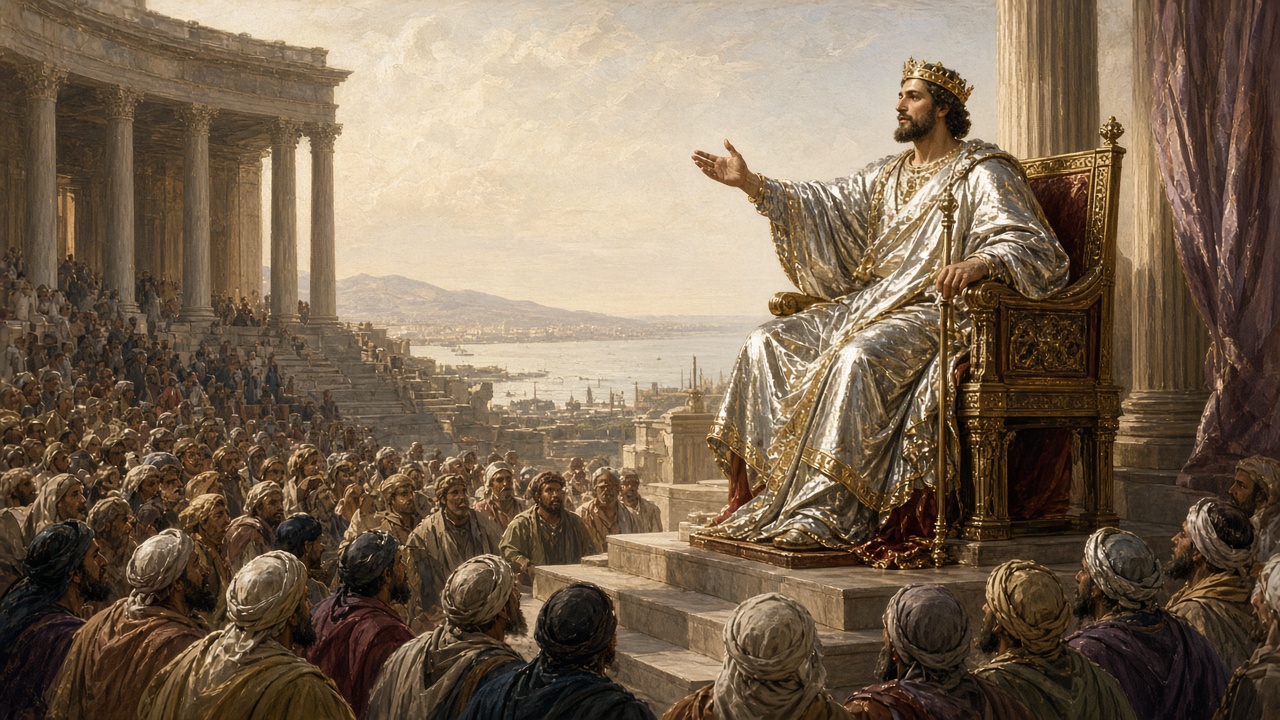
- O rei Herodes deste capítulo é Herodes Agripa I, neto de Herodes, o Grande, que com o tempo passou a possuir todo o reino do avô e o título de rei. Ele mandou matar Tiago e prendeu Pedro. O Dicionário Bíblico de Easton (1897) diz que, no segundo dia de uma festa em honra do imperador Cláudio, Agripa apareceu no grande teatro de Cesareia com magníficas vestes de prata; era cedo, e os raios do sol ofuscavam quem o via.Fontes: Herod Agrippa I · o próprio texto bíblico
- O Tiago morto à espada era Tiago, filho de Zebedeu, irmão do apóstolo João, um pescador que havia trabalhado em parceria com Pedro. O Dicionário Bíblico de Easton (1897) o apresenta como o primeiro dos apóstolos a ser morto e diz que Herodes Agripa o mandou decapitar. O Tiago a quem Pedro manda que os crentes avisem é outro homem: o mesmo dicionário o identifica como o Tiago que estava à frente da igreja em Jerusalém.Fontes: James (Son of Zebedee) · James (Brother of Jesus) · o próprio texto bíblico
- Quando percebeu que estava livre, Pedro foi à casa de Maria, mãe de João Marcos, em Jerusalém, que o Dicionário Bíblico de Easton (1897) chama de lugar habitual de reunião dos discípulos; muita gente estava ali reunida em oração. A serva que veio ao portão externo chamava-se Rode, nome que significa uma rosa; muito alegre ao ouvir a voz dele, correu para dentro para anunciá-lo e esqueceu de abrir o portão. João, também chamado Marcos, era filho de Maria — Marcos, seu nome romano, aos poucos substituiu o nome judeu João — e mais tarde ele deixou Jerusalém com Barnabé e Saulo.Fontes: Mary (Mother of John Mark) · Rhoda · John Mark · o próprio texto bíblico
Notas escritas com auxílio de IA a partir de fontes abertas (Theographic Bible Metadata, CC BY-SA 4.0; Easton’s Bible Dictionary, domínio público) e revisadas antes de publicar.
Lugares deste capítulo
- Caesarea · Hoje: Caesarea Maritima · 32.500, 34.892 · versículo 19
- Judea · Hoje: Judea 1 · 31.777, 35.234 · versículo 19
- Sidon · Hoje: Sandikli archaeological site in Sidon · 33.561, 35.372 · versículo 20
- Tyre · 33.271, 35.196 · versículo 20
- Jerusalem · 31.777, 35.234 · versículo 25
Só aparecem lugares com identificação de alta confiança (90% ou mais segundo as fontes acadêmicas reunidas pelo OpenBible). Mapa da época: DARE (Digital Atlas of the Roman Empire), CC BY 4.0; mapa atual: © colaboradores do OpenStreetMap; lugares: OpenBible.info (CC BY 4.0).
Créditos e licença desta tradução
Sahidica - طبعة جديدة من العهد الجديد باللغة القبطية الصعيدية
Sahidica - A New Edition of the New Testament in Sahidic Coptic
copyright © 2000-2006 J Warren Wells
Language: ⲘⲉⲧⲢⲉⲙ̀ⲛⲭⲏⲙⲓ (Coptic)
Dialect: Sahidic
Translation by: J Warren Wells
Coptic: Sahidic NT "Sahidica - A New Edition of the New Testament in Sahidic Coptic"
Copyright (c)2000-2006 by J Warren Wells. All rights reserved.
For more information visit www.sahidica.org .
This edition is available free of charge for use in free electronic
editions of the New Testament as long as the full title and copyright
information are included and credited. For written permission to use
all or any part of this document in print editions, contact the editor
at www.sahidica.org .
This edition is primarily meant for use by teachers and students of
Sahidic Coptic, and to a lesser degree by Coptologists involved in
scholarly research, textual criticism, or New Testament translation.
PURPOSE
Please note: This text is a work in progress. As such, there
is an ongoing effort to standardize the spelling of words in
the text. Be aware that version updates periodically appear.
The primary purpose is to produce a standardized edition of
the Sahidic NT similar to standard Greek editions.
An additional purpose of this text is to allow side-by-side
comparison with the Greek New Testament. To facilitate this
effort, a new version of the Greek text has been developed,
which is meant to better represent the Greek text upon which
the Sahidic was based. This text is entitled "The New Testament
According to the Egyptian Greek Text" [NTAEG]
This text does not include representation of either accents or
supralinear strokes, since these are used inconsistently in the
original texts. There is also a higher degree of standardization
in spelling and punctuation; like today's standard Greek master
texts, but unlike both the original Sahidic texts, and the PHI
and Coptic Society texts. Moreover, as in standard Greek texts,
instances of the Nomina Sacra have been expanded to their full
forms. This is again a departure from earlier versions of the
Sahidic, including the PHI and Coptic Society texts, which are
Both inconsistent in their usage.
Special thanks to David Brakke of Indiana University Bloomington,
Brigitte Comparini of the Packard Humanities Institute, and
Michael Heiser, Academic Editor, at Logos Research Systems; for
their assistance in making this edition possible.
BASIS
Sahidica was initially based (by permission) on the Coptic New Testament,
which is an electronic publication, which was edited by David Brakke.
(PHI-CD 5.3 dated 7/2/91. Los Altos. Packard Humanities Institute. 1991).
During later development, Sahidica was electronically collated against
the Coptic CD I by the St. Shenouda The Archmandrite Coptic Society.
Los Angeles, CA dated April, 1998.
These two editions were reduced to a raw electronic form, which allowed both
to be compared electronically letter by letter with Sahidica in order to
accurately detect and report every single variation and input error in any
of the texts. Though errors are inevitable, the collators of three seperate
editions are highly unlikely to make the same errors. Therefore, this method
helps to insure the integrity of the Sahidica edition.
Throughout the project, Sahidica was also collated against printed editions
of the following coptic manuscripts, which manuscripts date from the third
century and later.
Matt: Pierpont Morgan Library M-569 collated against Bodmer XIX papyrus
Mark:* PPalau Rib. Inv.Nr.182 collated against Pierpont Morgan Library M-569
Luke: PPalau Rib. Inv.Nr.181 collated against Pierpont Morgan Library M-569
John: PPalau Rib. Inv.Nr.183 collated against Pierpont Morgan Library M-569
Acts: Chester Beatty B (Copt.Ms.814) collated against Berlin P.15926 and British Museum MS Or.7594
Paul: Chester Beatty A (Copt.Ms.813) collated against Pierpont Morgan Library M-570 and M-571
James-Jude:** Pierpont Morgan Library M-572 collated against the Pierpont Morgan Library M-573 and M-601***
Revelation: Berlin MS Or.408 ( British Museum Ms Or.3518) collated against British Museum MS Or.6803
* Note: The longer and shorter endings of Mark are based on Horner; cf Kahle (JTS.1951.p49-57)
** Note: 1st Peter was also collated against the Crosby-Schøyen Ms.193.
*** Note: Portions of James and Jude were reconstructed from M-573, M-601, and four other mss.
Note on Interpolations
The short and long endings of Mark are ommited from the PPalau ms 182, but they do appear in most mss.
To better represent the overall Sahidic tradition, both endings are included, but in double brackets.
The pericope of the adultress (John 7:53-8:11) does not appear in any Sahidic ms. Herein it is omitted.
2014-09-16
Fonte: http://ebible.org/copshc/ · eBible.org