1 Tessalonicenses 4
Dios ã jáap naáwát tólih · Toque num versículo para ver as referências cruzadas.
Dios ã weñat pínahdih ded pah ĩ chãjat
1Bʉʉ biíh bohéátdih yeebdíh jwĩ naáwát tʉ́ʉt caá. Ñijeéh jwĩ jʉm láa, Dios ã weñat pínahdih ded pah ñi chãjat pínahdih jwĩ bohénap jĩ. Páant jwĩ bohéátjidih ñit quíib bʉʉdcáp taga. Páant ñi chãjat chah ñi tʉ́i jepahatdih yeebdíh bʉ́dí jwĩ náah yacna caá.
2Jwĩ Maáh Jesucristo ded pah ã wʉtatjidihjeh yeebdíh jwĩ naóh yapaatdih ñi tʉ́i jéihna caá. 3Nin pah ñi jʉmat pínahdih Dios ã náah yacna caá: Diosdih jepahcannit ĩ jʉmat pah yeebbʉ́t ñi jʉmca bojoó. Ñi áa nihcannitjĩh yeejép ñi chãjca bojoó. 4Dios ã enechah, cã́acwãbʉt ĩ enechah, ñi tʉ́i áa jʉmʉʉ́. Pánih áa jʉmnit, mijeéh ñi tʉ́i jʉmʉʉ́. 5Diosdih jéihcannit ĩ áa nihcannitjĩh ĩpĩ́ metna caá. Obohjeéhtih, yeéb Diosdih jéihnitboó páant ñi chãjca bojoó. Ñi weha mána yaádhjeéh tʉ́inijeh ñi jʉmʉʉ́. 6Mijeéh bóojeéh jʉmnihdih ñi dʉ́ʉc wái metca bojoó. Dios nihat ñi chãjatdih jéihnit, páant ñi chãjat jíib bʉ́dí ã peéh chãjbipna caá. Jon ñi pebh jʉibínitji caandíh bʉ́dí jwĩ bohénap jĩ. 7Dios jwiítdih ií náah chãjatdih wʉtcan, tʉ́inijeh jwĩ jʉmat pínahdih ãt wʉtʉp wʉt jĩ. 8Bʉtéh wã naáwátdih weemjéh wã wʉtat nihcan beé. Dios yeebdíh páant ã wʉtatdih wã naóh yapanap be. Pánihna, ded caandíh yehna niijná, weemdíh nihcan, Diosboodíh ã yap yohna caá. Caán caá Tʉ́ini Espíritudih yeebdíh wʉ̃hni.
9Bʉʉ míic oyatdih yeebdíh bainí wã naáwát tʉ́ʉt caá. “Ñi míic oyoó”, Dios ã niíj wʉtatdih joinítji caandíh tʉ́i jepahna caá ñi chãjap. Pánih jepahna, nihat ñíih baác Macedoniadih moón Jesúíhwãdih yeéb ñi tʉ́i oina caá. Pánih míic oinit, chah míic teo wáacnit ñi jʉmʉʉ́. 11Pánih míic oina, biícdih tʉ́inijeh ñi jʉmʉʉ́. Míic jʉ̃ihcanjeh, bitadih yeejép táoh naóhcan, bita ĩ tewatdih tʉbit ñi en naóhca bojoó. Yabhcanjeh, ñi tʉ́i teweé. Pánih teonit, bitaíh bií déedih, ĩ́ih jeémátdihbʉt tʉbit ñi ʉʉ́bh tac bʉʉgáca bojoó. Pánih wʉtatdih jáantjeh yeebdíh jwĩ naáwáp jĩ. Caandíh ñi jepahachah, Diosdih jéihcannitboó yeebdíh ennit, “Queét tʉ́i chãjnit caá”, ĩ niijbípna caá.
Jesucristo ã jwʉ́ʉb dei jʉ̃ʉ́wʉ́chah, ded pah ã yapat pínah
13Bʉʉ, jwĩ déewã panihnitá, Jesúíhwã ĩ wʉnʉchah, ded pah ĩ yapat pínahdih yeebdíh jwĩ naáwát tʉ́ʉt caá, tʉbit ñi jĩ́gahcat pínah niijná. Jesucristo ã wʉnat tʉ́ttimah, Dios caandíh ãt jwʉ́ʉb booanap tajĩ. Caan páh mʉntih jwiít ã́ihwã jwĩ wʉnat tʉ́ttimah, jwiítdihbʉt ã jwʉ́ʉb booanachah, Jesús ã jʉmʉpboó ãjeéh jwĩ tʉ́i jʉmbipna caá. Páant jwĩ yapat pínahdih ñi tʉ́i náhninaá. Pánih náhninit, Jesúíhwã, ñi oinit ĩ wʉnat tʉ́ttimah, ñi bidna yʉhna, tʉbit ñi jĩ́gahca bojoó. Bita Jesúsdih jepahcannit, Jesúsjeéh ĩ wihcan niít. Pánihna, ĩ oinit ĩ wʉnat tʉ́ttimah, ĩ jwʉ́ʉb míic encat pínahdih jéihna, bʉ́dí jĩ́gahnit, ĩ moh yéejna caá. Obohjeéhtih, Jesúsdih jepahcannit ĩ jĩ́gahat pah yeéb ñi jĩ́gahca bojoó.
15Nin pah Jesúsjeh ã naáwátjidih yeebdíh jwĩ naóh yapana caá: “Queét wĩ́ihwã wʉnnitji ĩ boo pʉd jʉ̃ʉ́wát pínah jã́tih, wʉncannit ĩ waóh pʉ́ʉh laab béj pã́ican niít”, Jesús ãt niijíp wʉt jĩ. 16Nin pah ã yapbipna caá: “Ñi pʉ́ʉh laáb jʉ̃ʉ́wʉ́”, Jesús ã niíj ejatdih, ángelwã ĩ maáh bʉ́dí ã ejatdihbʉt jwĩ joibípna caá. Dios ã wʉ̃hni póojat nahjĩh ángelwã ĩ maáh ã póojochah, jwĩ joibípna caá. Páant ã yáanachahjeh, jwĩ Maáh Jesucristo ã jwʉ́ʉb dei jʉ̃óhbipna caá. Páant ã dei jʉ̃ʉ́wʉ́chah, ã́ihwã wʉnnitji, Jesús ã boo pʉd jʉ̃ʉ́wátji pah mʉntih, ĩ boo pʉd jʉ̃óhbipna caá. Queét ĩ boo pʉd jʉ̃ʉ́wʉ́chah, jwiít ã́ihwã wʉncannit, ĩjeéh wáac jʉibínit, wẽpép pʉ́ʉh laab béjnit, mah tólihna nihat biícdih jwĩ Maáh Jesúsdih jwĩ jwãáhbipna caá. Pánihna, jwiít nihat biícdih Jesúsjeéh páantjeh jwĩ jʉmbipna caá. 18Pánihat pínahdih jéihnit, yeéb bitadihbʉt jwʉ́ʉb naóh yapanaá, Jesúíhwã wʉnnitdih tʉbit ĩ jĩ́gahcat pínah niijná.
Você sabia?
Santidade, amor e esperança pelos que morreram
- Este capítulo observa que seus leitores já demonstravam amor a todos os irmãos por toda a Macedônia. Nos tempos do Novo Testamento, a Macedônia era uma província romana situada ao norte da Grécia, governada por um propretor com o título de procônsul. Paulo foi chamado por uma visão do "homem da Macedônia" para pregar o evangelho ali.Fontes: o próprio texto bíblico · Macedonia
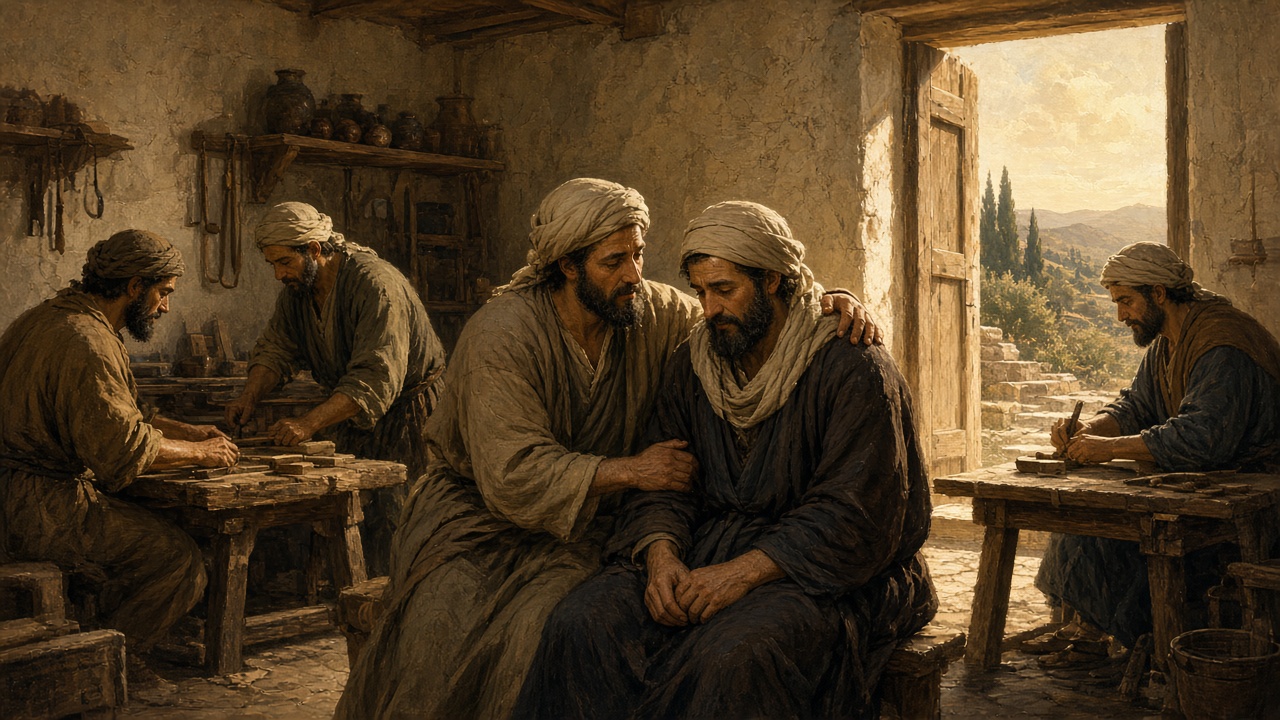
- O capítulo fala dos mortos como pessoas que dormem ou adormeceram, e pede aos leitores que não se entristeçam como os demais, que não têm esperança. Porque Jesus morreu e ressuscitou, diz o texto, Deus trará com Jesus os que nele adormeceram; os mortos em Cristo ressuscitarão primeiro, e então os que ainda estiverem vivos serão arrebatados com eles nas nuvens para encontrar o Senhor nos ares.Fontes: o próprio texto bíblico
- Os leitores são exortados a aspirar a uma vida tranquila, a cuidar dos próprios assuntos e a trabalhar com as próprias mãos, como já lhes havia sido instruído. O capítulo apresenta isso como o modo de se portar corretamente diante dos de fora e de não depender de ninguém.Fontes: o próprio texto bíblico
Notas escritas com auxílio de IA a partir de fontes abertas (Theographic Bible Metadata, CC BY-SA 4.0; Easton’s Bible Dictionary, domínio público) e revisadas antes de publicar.
Lugares deste capítulo
- Macedonia · 41.600, 22.540 · versículo 10
Só aparecem lugares com identificação de alta confiança (90% ou mais segundo as fontes acadêmicas reunidas pelo OpenBible). Mapa da época: DARE (Digital Atlas of the Roman Empire), CC BY 4.0; mapa atual: © colaboradores do OpenStreetMap; lugares: OpenBible.info (CC BY 4.0).
Créditos e licença desta tradução
Dios ã jáap naáwát tólih
New Testament in Cacua
copyright © 2008 Wycliffe Bible Translators, Inc.
Language: Cacua
Translation by: Wycliffe Bible Translators, Inc.
Copyright Information
© 2008, Wycliffe Bible Translators, Inc. All rights reserved.
This translation text is made available to you under the
terms of the Creative Commons License: Attribution-Noncommercial-No Derivative Works.
( http://creativecommons.org/licenses/by-nc-nd/3.0/ )
In addition, you have permission to port the text to different file formats, as long as you
do not change any of the text or punctuation of the Bible.
You may share, copy, distribute, transmit, and extract portions
or quotations from this work, provided that you include the above copyright
information:
You must give Attribution to the work.
You do not sell this work for a profit.
You do not make any derivative works that change any of the actual words or punctuation of the Scriptures.
Permissions beyond the scope of this license may be
available if you contact
us with your request.
The New Testament
in Cacua
© 2008, Wycliffe Bible Translators, Inc. All rights reserved.
This translation is made available to you under the terms of the
Creative Commons Attribution-Noncommercial-No Derivatives license 4.0.
You may share and redistribute this Bible translation or extracts from it in any format, provided that:
You include the above copyright and source information.
You do not sell this work for a profit.
You do not change any of the words or punctuation of the Scriptures.
Pictures included with Scriptures and other documents on this site are licensed just for use with those Scriptures and documents.
For other uses, please contact the respective copyright owners.
2014-08-06
Fonte: http://ebible.org/cbv/ · eBible.org