1 João 3
Dios ã jáap naáwát tólih · Toque num versículo para ver as referências cruzadas.
Dios weh jwĩ jʉmat
1Jwiítdih bainí oican, “Yeébboó wã weh caá”, Dios ã niijná caá. Ã oinit jʉmna, jwiít ã weh caá. Pánihna, yéej chãjnitboó Diosdih jéihcan, jwiít ã wehdihbʉt ĩ jéihcan caá. 2Wã oinitá, bʉʉ Dios weh jwĩ jʉmna caá. Obohjeéhtih, ded pah jwĩ jʉmat pínahdih jwĩ tʉ́i jéih jwʉhcan caá. Jesucristo ã jígohochah, caandíh ennit, ded pah ã jʉmatdih jwĩ tʉ́i jéihbipna caá. Pánih jéihnit, caán ã jʉmat pah mʉntih, jwiítbʉt jwĩ jʉmat pínahdih jwĩ jéihna caá. 3Det Jesucristo ã jwʉ́ʉb dei jʉ̃ʉ́wát pínahdih pã́initboó yéej chãj cádahnit, ã tʉ́i chãjat pah mʉntih ĩ tʉ́ʉt nʉʉmná caá.
4Nihat yéej chãjnit Dios ã wʉtatdih yap yohnit caá. Dedé yéej chãjat Dios ã wʉtatdih yap yohat ã jʉmna caá. 5Cã́acwã ĩ yéej chãjatdih yohni pínah Cristo ã cã́ac jʉmatdih ñi jéihna caá. Caánboodíh yéejat wihcan caá. 6Ded Cristo biícdih jʉmni páantjeh ã yéej chãjca bojo naáh. Obohjeéhtih, ded yéej chãj cádahcan, Cristodih jéihcan, ã́ih nihcan caá. 7Wã oinitá, yeebdíh yeenitdih ñi joyáh bojoó. Nihat tʉ́i chãjnit Jesucristo yoobópdih ã jʉmat pah mʉntih, queétbʉt yoobópdih ĩ jʉmna caá. 8Obohjeéhtih, yéej chãjniboó nemépwã ĩ maáíh ã jʉmna caá. Nemépwã ĩ maáh bácah, biíhmahjeh yeejép chãjni caá. Páant ã chãjatdih yoh beedáni pínah Dios wʉ̃ʉ́h nin baácboó ãt cã́ac jʉmʉp tajĩ.
9Det Dios weh jʉmna, jwĩ íip Dios ã jenah joyát pah queétdihbʉt ãt jenah joyát tʉ́ʉtʉp taga. Pánih jenah joinít, ã wẽpat ĩjeéh ã jʉmʉchah, páantjeh ĩ yéej chãjcan niít. 10Nin pah Dios weh, nemépwã ĩ maáh wehbʉt ĩ jʉmatdih ñi jéihbipna caá: Tʉ́i chãjcannit, ĩ déewãdih oicannit Dios weh nihcan caá. Nemépwã ĩ maáh weh ĩ jʉmna caá.
Jesúíhwã ĩ míic oyat
11Yeéb Jesucristodih jwíih jepahnit, “Míic oyat caá náahap”, jwĩ niíj bohéátdih ñi joyóp jĩ. 12Caín ã jʉmatji pah ñi jʉmca bojoó. Caán nemépwã ĩ maáíh jʉmna, ã ʉ́ʉddih ãt mao yohop wʉt jĩ. ¿Dépanih tigaá ã ʉ́ʉddih ãt mao yohji? ñi jenah joyóchah. Caandíh yeebdíh wã naóhbipna caá. Caín yéej chãjni jʉmna, ã ʉ́ʉdboó tʉ́i chãjni ã jʉmatdih íijnit, caandíh ãt mao yohop wʉt jĩ.
13Páant tigaá yéej chãjnitboó yeebdíh ĩ eníhcan caá. Pánihna, ĩ en jʉ̃ihñʉchah, “¿Dépanih tigaá weemdíh ĩ en jʉ̃ih?” ñi niíj jenah joicá bojoó. 14Yeejép chãjnit, iiguípna bejnit pínah jwĩ jʉmʉp yʉh jĩ. Obohjeéhtih, bʉʉ jeáboó bejnit pínah jʉmna, tʉ́iniboodíh tʉ́ʉt nʉʉmná caá jwĩ chãjap. Jesúíhwãdih oina, jwiítdih ã tʉ́ʉt nʉʉmátdih jwĩ jéihna caá. Ded cã́acwãdih oicanni iiguípna bejni pínah ã jʉmna caá. 15Ded ã déedih eníhcan, mao yohíhat jenah joyát caá caandíh ã jʉmʉp. Pánih jʉmna, Dios ã enechah, cã́acdih mao yohni biíc yoobó ã jʉmna caá. “Ded mao yohni Diosjeéh páantjeh ã jʉmcan niít”, ñi niíj jéihna caá. 16Ded pah oyat ã jʉmatdih nin pah jwĩ jéihna caá: Jwiítdih bʉ́dí oina, Diosjeéh páantjeh jwĩ jʉmat pínah niijná, Jesucristo jwiítdih ã wʉn wʉ̃hʉp jĩ. Páant ã wʉn wʉ̃hatdih náhninit, “Caán oyat yoobát caá”, jwĩ niíj jéihna caá. Pánihna, jwiítbʉt wʉnna yʉhna, jwĩ déewãdih tʉ́i oinit, teo wáacat caá náahap. 17Dawá bií dée bíbohni, ã dée panihni moh yéejnidih enna yʉhna, caandíh jĩ́gah en teo wáaccan, Diosdih ã oican caá. 18Pánihna, wã weh panihnitá, “Bitadih wã oina caá”, niijná, jacjeh pohba niijcát caá náahap.
Ʉ́ʉmcanjeh, Diosjeéh jwĩ jʉmat
19Cã́acwãdih tʉ́i oina, Dioíhwã jwĩ jʉmatdih jwĩ jéihna caá. Pánihna, ã peéh chãjat pínahdih ʉ́ʉmcanjeh, ãjeéh jwĩ tʉ́i jʉmna caá. 20“Yéejat jíib weemdíh ã jʉmna nacaá”, jwĩ niíj jenah joyóchah yʉhna, Dios nihatdih jéihni jʉmna, jwĩ jenah joyátdihbʉt ã tʉ́i jéihna caá. Pánih jéihna, ã́ihwã jwĩ jʉmatdih jwĩ tʉ́i jenah joyát pínah niijná, jwiítdih ã teo wáacbipna caá. 21Wã oinitá, “Dios wã yéejatdih ãt yoh tagaá”, niíj jenah joinít, ʉ́ʉmcanjeh, Diosjeéh jwĩ tʉ́i jʉmna caá. 22Pánih jʉmnit, Dios ã wʉtatdih jepahna, ã weñat pínahdih jwĩ chãjachah, caandíh dedé jwĩ ʉʉ́bátdih jwiítdih ã wʉ̃hbipna caá. 23Nin pah jwiítdih ã wʉtna caá: “Wã wʉ̃ʉ́h Jesucristodih tʉ́i jenah joinít, bita ã́ihwãdihbʉt ñi oyoó”, ãt niijíp wʉt jĩ. 24Dios ã wʉtatdih tʉ́i jepahnitboó ãjeéh ĩ tʉ́i jʉmna caá. Dios ĩjeéhbʉt ã tʉ́i jʉmna caá. “¿Dios wãjeéh ã jʉm niít?” jwĩ niíj jéihíhichah, Dios jwiítdih ã wʉ̃hni Tʉ́ini Espíritu “Jʉ̃́jʉh, Dios majeéh ã jʉmna caá”, ã niíj jéihyana caá.
Você sabia?
Filhos de Deus e amor fraterno
- A advertência para não ser como Caim lembra o primogênito de Adão e Eva, lavrador da terra, cujo irmão Abel seguia a vida pastoral. Eles apresentaram ofertas: a de Abel, dos primogênitos e da gordura do rebanho, foi aceita como mais excelente, e Caim, cuja oferta era do fruto da terra, ficou muito irado. A carta diz que Caim era do maligno e assassinou Abel porque as suas próprias obras eram más e as de seu irmão eram justas.Fontes: Cain · o próprio texto bíblico
- Neste capítulo, odiar o irmão é tratado como homicídio: todo aquele que odeia seu irmão é homicida, e a vida eterna não reside num homicida. O amor se conhece porque Jesus entregou a sua vida por nós, e se diz aos leitores que devem entregar a vida pelos irmãos.Fontes: o próprio texto bíblico
- Os filhos de Deus se distinguem dos filhos do diabo por praticar a justiça e por amar o irmão. A mensagem ouvida desde o princípio é que devemos amar uns aos outros, e o mandamento de Deus é crer no nome de seu Filho, Jesus Cristo, e amar uns aos outros como ele ordenou.Fontes: o próprio texto bíblico
Notas escritas com auxílio de IA a partir de fontes abertas (Theographic Bible Metadata, CC BY-SA 4.0; Easton’s Bible Dictionary, domínio público) e revisadas antes de publicar.
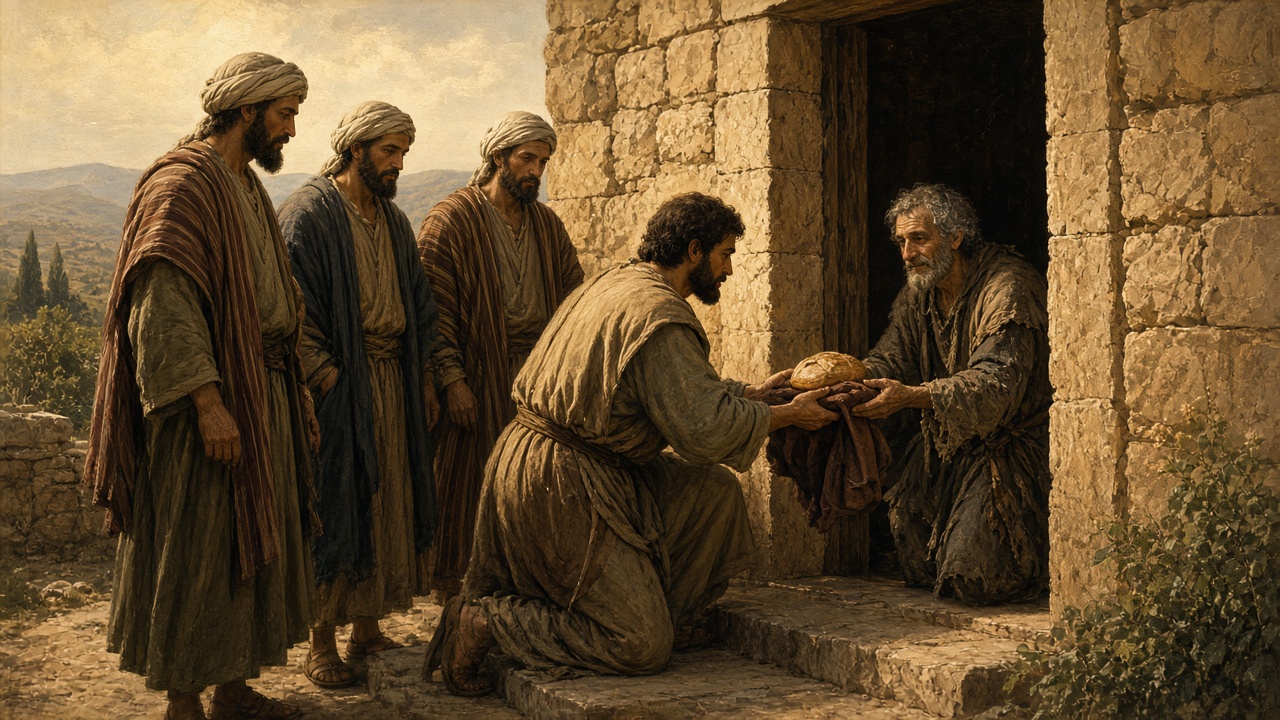
Créditos e licença desta tradução
Dios ã jáap naáwát tólih
New Testament in Cacua
copyright © 2008 Wycliffe Bible Translators, Inc.
Language: Cacua
Translation by: Wycliffe Bible Translators, Inc.
Copyright Information
© 2008, Wycliffe Bible Translators, Inc. All rights reserved.
This translation text is made available to you under the
terms of the Creative Commons License: Attribution-Noncommercial-No Derivative Works.
( http://creativecommons.org/licenses/by-nc-nd/3.0/ )
In addition, you have permission to port the text to different file formats, as long as you
do not change any of the text or punctuation of the Bible.
You may share, copy, distribute, transmit, and extract portions
or quotations from this work, provided that you include the above copyright
information:
You must give Attribution to the work.
You do not sell this work for a profit.
You do not make any derivative works that change any of the actual words or punctuation of the Scriptures.
Permissions beyond the scope of this license may be
available if you contact
us with your request.
The New Testament
in Cacua
© 2008, Wycliffe Bible Translators, Inc. All rights reserved.
This translation is made available to you under the terms of the
Creative Commons Attribution-Noncommercial-No Derivatives license 4.0.
You may share and redistribute this Bible translation or extracts from it in any format, provided that:
You include the above copyright and source information.
You do not sell this work for a profit.
You do not change any of the words or punctuation of the Scriptures.
Pictures included with Scriptures and other documents on this site are licensed just for use with those Scriptures and documents.
For other uses, please contact the respective copyright owners.
2014-08-06
Fonte: http://ebible.org/cbv/ · eBible.org