1 John 3
Dios ã jáap naáwát tólih · Tap a verse to see its cross-references.
Dios weh jwĩ jʉmat
1Jwiítdih bainí oican, “Yeébboó wã weh caá”, Dios ã niijná caá. Ã oinit jʉmna, jwiít ã weh caá. Pánihna, yéej chãjnitboó Diosdih jéihcan, jwiít ã wehdihbʉt ĩ jéihcan caá. 2Wã oinitá, bʉʉ Dios weh jwĩ jʉmna caá. Obohjeéhtih, ded pah jwĩ jʉmat pínahdih jwĩ tʉ́i jéih jwʉhcan caá. Jesucristo ã jígohochah, caandíh ennit, ded pah ã jʉmatdih jwĩ tʉ́i jéihbipna caá. Pánih jéihnit, caán ã jʉmat pah mʉntih, jwiítbʉt jwĩ jʉmat pínahdih jwĩ jéihna caá. 3Det Jesucristo ã jwʉ́ʉb dei jʉ̃ʉ́wát pínahdih pã́initboó yéej chãj cádahnit, ã tʉ́i chãjat pah mʉntih ĩ tʉ́ʉt nʉʉmná caá.
4Nihat yéej chãjnit Dios ã wʉtatdih yap yohnit caá. Dedé yéej chãjat Dios ã wʉtatdih yap yohat ã jʉmna caá. 5Cã́acwã ĩ yéej chãjatdih yohni pínah Cristo ã cã́ac jʉmatdih ñi jéihna caá. Caánboodíh yéejat wihcan caá. 6Ded Cristo biícdih jʉmni páantjeh ã yéej chãjca bojo naáh. Obohjeéhtih, ded yéej chãj cádahcan, Cristodih jéihcan, ã́ih nihcan caá. 7Wã oinitá, yeebdíh yeenitdih ñi joyáh bojoó. Nihat tʉ́i chãjnit Jesucristo yoobópdih ã jʉmat pah mʉntih, queétbʉt yoobópdih ĩ jʉmna caá. 8Obohjeéhtih, yéej chãjniboó nemépwã ĩ maáíh ã jʉmna caá. Nemépwã ĩ maáh bácah, biíhmahjeh yeejép chãjni caá. Páant ã chãjatdih yoh beedáni pínah Dios wʉ̃ʉ́h nin baácboó ãt cã́ac jʉmʉp tajĩ.
9Det Dios weh jʉmna, jwĩ íip Dios ã jenah joyát pah queétdihbʉt ãt jenah joyát tʉ́ʉtʉp taga. Pánih jenah joinít, ã wẽpat ĩjeéh ã jʉmʉchah, páantjeh ĩ yéej chãjcan niít. 10Nin pah Dios weh, nemépwã ĩ maáh wehbʉt ĩ jʉmatdih ñi jéihbipna caá: Tʉ́i chãjcannit, ĩ déewãdih oicannit Dios weh nihcan caá. Nemépwã ĩ maáh weh ĩ jʉmna caá.
Jesúíhwã ĩ míic oyat
11Yeéb Jesucristodih jwíih jepahnit, “Míic oyat caá náahap”, jwĩ niíj bohéátdih ñi joyóp jĩ. 12Caín ã jʉmatji pah ñi jʉmca bojoó. Caán nemépwã ĩ maáíh jʉmna, ã ʉ́ʉddih ãt mao yohop wʉt jĩ. ¿Dépanih tigaá ã ʉ́ʉddih ãt mao yohji? ñi jenah joyóchah. Caandíh yeebdíh wã naóhbipna caá. Caín yéej chãjni jʉmna, ã ʉ́ʉdboó tʉ́i chãjni ã jʉmatdih íijnit, caandíh ãt mao yohop wʉt jĩ.
13Páant tigaá yéej chãjnitboó yeebdíh ĩ eníhcan caá. Pánihna, ĩ en jʉ̃ihñʉchah, “¿Dépanih tigaá weemdíh ĩ en jʉ̃ih?” ñi niíj jenah joicá bojoó. 14Yeejép chãjnit, iiguípna bejnit pínah jwĩ jʉmʉp yʉh jĩ. Obohjeéhtih, bʉʉ jeáboó bejnit pínah jʉmna, tʉ́iniboodíh tʉ́ʉt nʉʉmná caá jwĩ chãjap. Jesúíhwãdih oina, jwiítdih ã tʉ́ʉt nʉʉmátdih jwĩ jéihna caá. Ded cã́acwãdih oicanni iiguípna bejni pínah ã jʉmna caá. 15Ded ã déedih eníhcan, mao yohíhat jenah joyát caá caandíh ã jʉmʉp. Pánih jʉmna, Dios ã enechah, cã́acdih mao yohni biíc yoobó ã jʉmna caá. “Ded mao yohni Diosjeéh páantjeh ã jʉmcan niít”, ñi niíj jéihna caá. 16Ded pah oyat ã jʉmatdih nin pah jwĩ jéihna caá: Jwiítdih bʉ́dí oina, Diosjeéh páantjeh jwĩ jʉmat pínah niijná, Jesucristo jwiítdih ã wʉn wʉ̃hʉp jĩ. Páant ã wʉn wʉ̃hatdih náhninit, “Caán oyat yoobát caá”, jwĩ niíj jéihna caá. Pánihna, jwiítbʉt wʉnna yʉhna, jwĩ déewãdih tʉ́i oinit, teo wáacat caá náahap. 17Dawá bií dée bíbohni, ã dée panihni moh yéejnidih enna yʉhna, caandíh jĩ́gah en teo wáaccan, Diosdih ã oican caá. 18Pánihna, wã weh panihnitá, “Bitadih wã oina caá”, niijná, jacjeh pohba niijcát caá náahap.
Ʉ́ʉmcanjeh, Diosjeéh jwĩ jʉmat
19Cã́acwãdih tʉ́i oina, Dioíhwã jwĩ jʉmatdih jwĩ jéihna caá. Pánihna, ã peéh chãjat pínahdih ʉ́ʉmcanjeh, ãjeéh jwĩ tʉ́i jʉmna caá. 20“Yéejat jíib weemdíh ã jʉmna nacaá”, jwĩ niíj jenah joyóchah yʉhna, Dios nihatdih jéihni jʉmna, jwĩ jenah joyátdihbʉt ã tʉ́i jéihna caá. Pánih jéihna, ã́ihwã jwĩ jʉmatdih jwĩ tʉ́i jenah joyát pínah niijná, jwiítdih ã teo wáacbipna caá. 21Wã oinitá, “Dios wã yéejatdih ãt yoh tagaá”, niíj jenah joinít, ʉ́ʉmcanjeh, Diosjeéh jwĩ tʉ́i jʉmna caá. 22Pánih jʉmnit, Dios ã wʉtatdih jepahna, ã weñat pínahdih jwĩ chãjachah, caandíh dedé jwĩ ʉʉ́bátdih jwiítdih ã wʉ̃hbipna caá. 23Nin pah jwiítdih ã wʉtna caá: “Wã wʉ̃ʉ́h Jesucristodih tʉ́i jenah joinít, bita ã́ihwãdihbʉt ñi oyoó”, ãt niijíp wʉt jĩ. 24Dios ã wʉtatdih tʉ́i jepahnitboó ãjeéh ĩ tʉ́i jʉmna caá. Dios ĩjeéhbʉt ã tʉ́i jʉmna caá. “¿Dios wãjeéh ã jʉm niít?” jwĩ niíj jéihíhichah, Dios jwiítdih ã wʉ̃hni Tʉ́ini Espíritu “Jʉ̃́jʉh, Dios majeéh ã jʉmna caá”, ã niíj jéihyana caá.
Did you know?
Children of God and brotherly love
- The warning not to be like Cain recalls Adam and Eve's firstborn, a tiller of the ground, whose brother Abel followed a pastoral life. They presented offerings: Abel's, of the firstlings and the fat of his flock, was accepted as more excellent, and Cain, whose offering was of the fruit of the ground, became very angry. The letter says Cain belonged to the evil one and murdered Abel because his own deeds were evil and his brother's were righteous.Sources: Cain · the Bible text itself
- In this chapter, hating a brother is treated as murder: everyone who hates his brother is a murderer, and eternal life does not reside in a murderer. Love is known because Jesus laid down his life for us, and the readers are told they ought to lay down their lives for their brothers.Sources: the Bible text itself
- The children of God are distinguished from the children of the devil by practicing righteousness and by loving one's brother. The message heard from the beginning is that we should love one another, and God's commandment is to believe in the name of his Son, Jesus Christ, and to love one another as he commanded.Sources: the Bible text itself
Notes written with AI assistance from open sources (Theographic Bible Metadata, CC BY-SA 4.0; Easton’s Bible Dictionary, public domain) and reviewed before publishing.
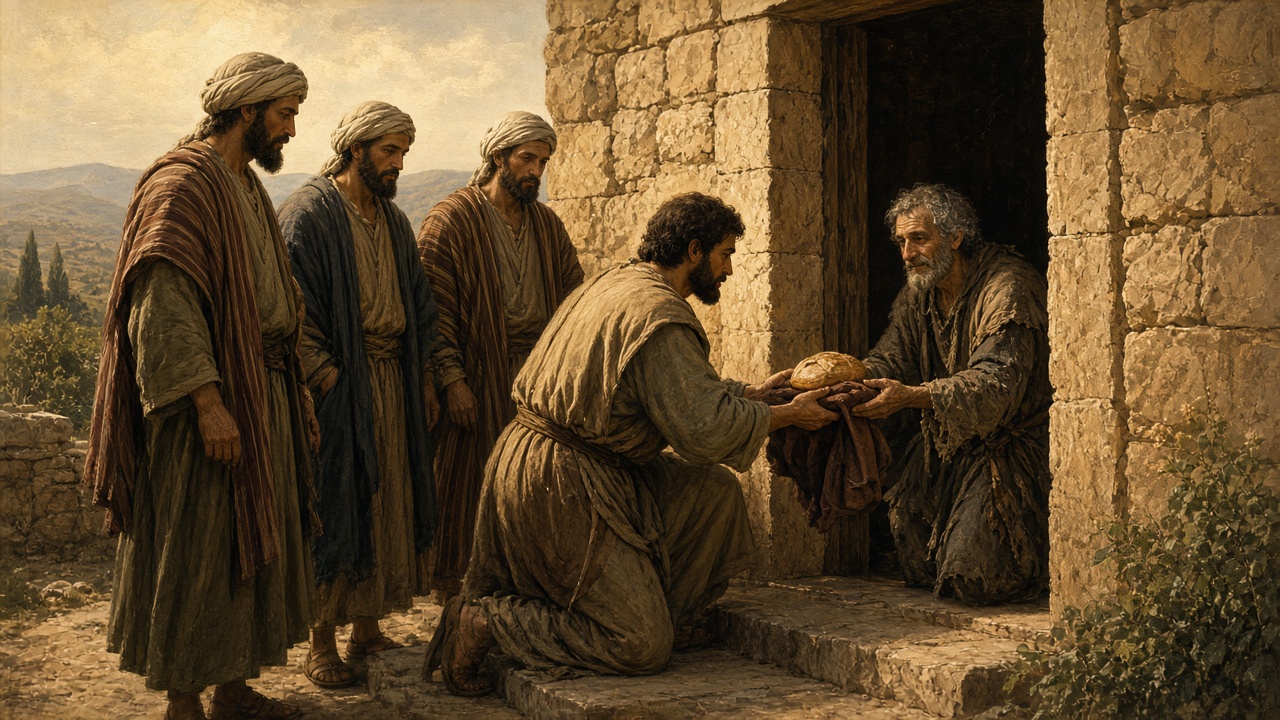
Credits and license for this translation
Dios ã jáap naáwát tólih
New Testament in Cacua
copyright © 2008 Wycliffe Bible Translators, Inc.
Language: Cacua
Translation by: Wycliffe Bible Translators, Inc.
Copyright Information
© 2008, Wycliffe Bible Translators, Inc. All rights reserved.
This translation text is made available to you under the
terms of the Creative Commons License: Attribution-Noncommercial-No Derivative Works.
( http://creativecommons.org/licenses/by-nc-nd/3.0/ )
In addition, you have permission to port the text to different file formats, as long as you
do not change any of the text or punctuation of the Bible.
You may share, copy, distribute, transmit, and extract portions
or quotations from this work, provided that you include the above copyright
information:
You must give Attribution to the work.
You do not sell this work for a profit.
You do not make any derivative works that change any of the actual words or punctuation of the Scriptures.
Permissions beyond the scope of this license may be
available if you contact
us with your request.
The New Testament
in Cacua
© 2008, Wycliffe Bible Translators, Inc. All rights reserved.
This translation is made available to you under the terms of the
Creative Commons Attribution-Noncommercial-No Derivatives license 4.0.
You may share and redistribute this Bible translation or extracts from it in any format, provided that:
You include the above copyright and source information.
You do not sell this work for a profit.
You do not change any of the words or punctuation of the Scriptures.
Pictures included with Scriptures and other documents on this site are licensed just for use with those Scriptures and documents.
For other uses, please contact the respective copyright owners.
2014-08-06
Source: http://ebible.org/cbv/ · eBible.org