Mateus 9
Tte Pa̱'a̱li̱ Me' Skëköl tö Se' a̱ · Toque num versículo para ver as referências cruzadas.
Jesús tö wëm eköl kraulewa̱ e' bua'wé̱ne
1E' ukuöki̱ ta̱ Jesús e̱' iéka̱ kanò a̱ ta̱ imía̱ne itö̀ wa demi Cafarnaúm wé̱ ie' se̱rke ee̱. 2Eta̱ ee̱ ie'pa wa̱ wëm kraulewa̱ eköl mítse̱r Jesús ska' ka̱'la ki̱. Mik Jesús tö isué̱ tö moki̱ ie'pa e̱rblé ie' mik, eta̱ ie' tö iché wëm kirirke e' a̱:
—A yami, be' e̱r kuú̱, ì sulu ko̱s wamblébö, e' nuí̱ olone be' ki̱.
3Eta̱ s'wöbla'u̱k ttè dalöiëno wa wakpa we̱lepa tö ibikeitseke: “Ì ché ie' tö e' wa ie' tso' Skëköl chök suluë.” 4Erë ì bikeitsök ie'pa tso' e' sué̱wa̱ Jesús tö bet. E' kue̱ki̱ ie' tö ie'pa a̱ ichaké:
—¿Ì kue̱ki̱ a' tso' íyi sulu bikeitsök? 5Ye' tö wëm i' bua'wè̱mine a̱s ishköne, e' ta̱ ¿we̱s a' tö iklö'wè̱mi tö ye' kë̀ a̱ inuì̱ olonuk iki̱? 6Ye' dör S'ditsö Alà, sú̱ e' tö a' a̱ ikkachè tö ye' wa̱ ka̱wö ta̱' ká̱ i' a̱ nuì̱ olo'yoie.
Eta̱ ie' tö iché wëm kraulewa̱ e' a̱:
—Be' e̱' kö́ka̱, be' ka̱'la kö́ka̱ ta̱ be' yúne be' u a̱.
7Eta̱ ie' e̱' kéka̱ ta̱ imía̱ne iu a̱. 8Mik e' sué̱ pë' tso' ee̱ e'pa tö, eta̱ ie'pa suane tai̱ë. Ie'pa tö isué̱ tö Skëköl tö diché tai̱ë mé s'ditsö eköl a̱, e' kue̱ki̱ ie'pa tö Skëköl ki̱kéka̱ tai̱ë.
Jesús tö Mateo kié ittökataie
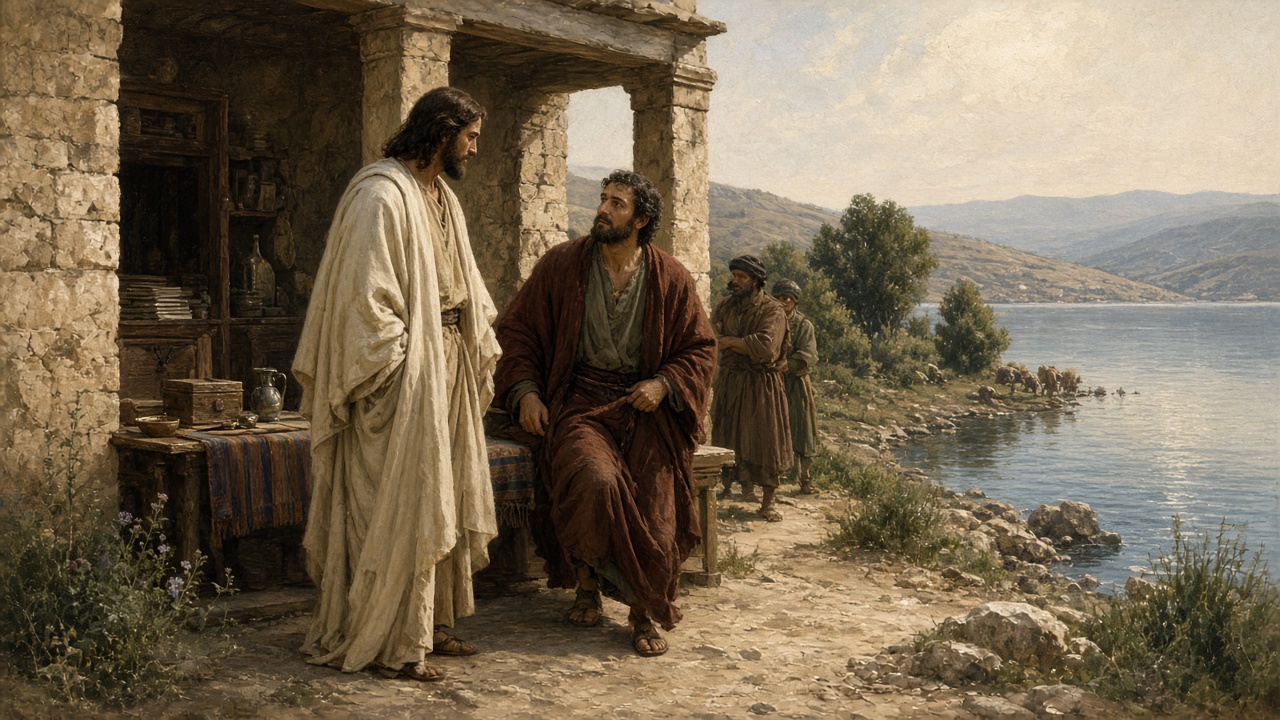
9E' ukuöki̱ ta̱ Jesús e̱' yéttsa̱ ta̱ imía̱, e' tö wëm sué̱ eköl kiè Mateo, e' dör inuköl shtökwak Roma wökirpa a̱. Ie' tkër ikaneblöke e' wé a̱. Ta̱ Jesús tö ie' a̱ iché:
—Be' shkö́ ye' ta̱ ye' ttökataie.
Eta̱ ie' e̱' kéka̱ ta̱ imía̱ Jesús ta̱.
10E' ukuöki̱ ta̱ Jesús de ittökatapa ta̱ Mateo u a̱ chkök. Ie'pa tulur chkök, e' dalewa inuköl shtökwakpa Roma wökirpa a̱ esepa tai̱ë ena pë' sulusipa skà deyalñak e̱' tulése̱r chkök Jesús ta̱. 11Mik e' sué̱ fariseowakpa tö, eta̱ ie'pa tö Jesús ttökatapa a̱ ichaké:
—¿Iö́k a' wöbla'u̱kwak chköke inuköl shtökwakpa ena pë' sulusipa skà ta̱?
12Jesús tö ittsé ta̱ ichéitö ia̱rak:
—Wé̱pa kë̀ kirirku̱' esepa kë̀ ki̱ s'kapeyökwak kiane. Erë wé̱pa kirirke, esepa ki̱ ikiane. 13Skëköl tö iyë' iyëkkuö ki̱: ‘Iyiwak jchëule mè ye' a̱, ese kë̀ kiane ye' ki̱. Ye' ki̱ ikiane tö a' ñì sa̱ù̱ e̱r sia̱rë wa.’ A' e̱' yuö́ ttè e' wa. Ye' kë̀ dë'bitu̱ wé̱pa e̱' ttsö̀ tö ie'pa se̱r buaë yësyësë esepa kiök ye' ttökataie; ye' dë'bitu̱ pë' sulusipa kiök ye' ttökataie.
Ì kue̱ki̱ Jesús ttökatapa kë̀ batsöta̱'
14Juan S'wöskuökwak ttökatapa de Jesús ska' ta̱ ichakérakitö ie' a̱:
—Sa' ena fariseowakpa batsöke tai̱ë. ¿Ì kue̱ki̱ be' ttökatapa kë̀ batsö̀?
15Jesús tö ie'pa iu̱té:
—Mik s'kiule ulabatsè ese ké̱wö tkö'u̱k ta̱ ¿we̱s ie'pa e̱riarmi wëm ulabatske e' tso'ia̱ ie'pa ta̱ e' dalewa? Erë iké̱wö döraë eta̱ ie' miratse̱r ie'pa yöki̱. E' je' ta̱ ie'pa batsöraë.
16“Kë̀ yi tö datsi' këchke wöyuepawa̱ datsi'tak pa̱'a̱li̱ wa. Datsi'tak pa̱'a̱li̱ wöklöneka̱, e' tö datsi' këchkela shu̱kue̱e̱ke ta̱ ikí̱ jcheeke tai̱ë. 17Ñies vino kë̀ tërta̱'ka̱ iyiwak kkuölit yöule ibloie ese këchke a̱. Itéka̱sö es, e' ta̱ mik ibacha'nebitu̱, eta̱ ikkuölit këchke jchèemiitö. Es vino ena ikkuölit weirwami ë́me. E' kue̱ki̱ vino tekeka̱ ikkuölit pa̱'a̱li̱ a̱, es vino ena ikkuölit kë̀ weirpawa.”
Jesús tö Jairo alà busi shke̱'wé̱ka̱ne ñies alaköl eköl bua'wé̱neitö
18Jesús tso'ia̱ ttök, e' dalewa judiowak wökir debitu̱ eköl ie' ska' ta̱ ie' e̱' tkéwa̱ kuchë ki̱ ta̱ ichéitö:
—Ñiköl ye' alà busi blënewa̱. Erë be' shkö́, be' ulà múka̱ iki̱ ta̱ ishke̱rdaka̱ne.
19Jesús e̱' kéka̱ ta̱ imía̱ ittökatapa ta̱ judiowak wökir itöki̱. 20E' shu̱a̱ alaköl eköl dewa̱ tsi̱net Jesús tsi̱ kke̱r. E' du'mi alakölpa duè wa̱ e' ki̱ duas de dabom eyök ki̱ bök (12). Ie' tö ibikeitseke: “Jesús datsi' bata ë̀ kéwa̱yö, e' ta̱ ye' buanene.” E' kue̱ki̱ idatsi' bata kéwa̱itö. 22Erë Jesús wötrée ta̱ isué̱itö ta̱ ichéitö ia̱:
—A alà busi, be' e̱r kuú̱. Be' e̱rblé ye' mik, e' kue̱ki̱ be' buanene.
E' wösha̱ ta̱ ie' buanene buaë.
23Mik Jesús de Jairo u a̱, eta̱ ie' tö isué̱ tö ma'ma bla'u̱kwakpa detke s'nu blërketke e' kue̱ki̱, ñies pë' i̱u̱ke tai̱ë. 24Ie' tö ie'pa a̱ iché:
—A' e̱' yö́lur, busila kë̀ du'wa̱, ikapöme'r ë̀.
Ie'pa tö Jesús ja̱ñeitséka̱ tai̱ë, 25erë ie' tö ie'pa ké e̱' skökmi bánet. E' ukuöki̱ ta̱ ie' dewa̱ we̱shke̱ ta̱ busila ulà klö'wé̱wa̱itö ta̱ busila e̱' kéka̱. 26E' tté buneka̱ ká̱ e' ko̱s a̱.
Wëpa böl kë̀ wöbla wawër e'pa bua'wé̱ne Jesús tö
27Jesús e̱' yéttsa̱ ee̱ ta̱ wëpa böl kë̀ wöbla wawër mirwa̱ ie' itöki̱, e'pa a̱rke:
—¡A Jesús, s'blú David bak e' aleri, sa' sa̱ú̱ e̱r sia̱rë wa!
28Mik Jesús de u a̱, eta̱ ie'pa böl de ie' ska'. Ie' tö ie'pa a̱ ichaké:
—¿A' tö iklö'wé̱ tö ye' a̱ a' buarmine?
Ie'pa tö iiu̱té:
—A këkëpa, tö́, sa' tö iklö'wé̱.
29Eta̱ Jesús tö ie'pa wöbla ké ta̱ ichéitö ie'pa a̱:
—We̱s a' e̱rblöke ye' mik es iwà o̱rdaë.
30Eta̱ ie'pa wöbla buanene. Ta̱ Jesús tö iché ie'pa a̱:
—Kë̀ a' kàne ichök yi a̱ yës.
31Erë ie'pa míyal ta̱ ì wé̱ Jesús tö e' paké ie'pa tö ká̱ e' wakpa ulitane a̱.
Wëm kë̀ tto eköl e' bua'wé̱ Jesús tö.
32Wëpa böl wöbla buanene e'pa míyal, e' bet ta̱ pë' we̱lepa wa̱ wëm kë̀ tto, ese debitu̱ eköl Jesús ska', e' a̱ aknama tso'. 33Mik Jesús tö aknama trë'wé̱shkar, eta̱ wëm ttéka̱ne buaë. Pë' tso' ee̱ e'pa tkirulune ta̱ ichérakitö:
—Kë̀ yi wa̱ íyi wí̱se su̱ule Israel aleripa shu̱a̱.
34Erë fariseowakpa tö iché:
—Bë́, e' wák diché wa ie' tö ie'pa trë'wé̱yal.
Jesús tö pë' sué̱ e̱r sia̱rë wa
35Jesús shköke ká̱ ko̱s tso' Galilea blublu ñies tsitsir e' a̱. Ie' s'wöbla'we̱ke judiowak ñì dapa'wo̱ wé ko̱s tso' e' a̱. Ì blúie Skëköl tso' e' tté buaë pakekeitö. Ñies s'kirirke ko̱s, idalërke s'mik ko̱s, e' bua'we̱keitö. 36Ie' tö isué̱ tö ie'pa e̱riarke sia̱rë, weinetke sia̱rë we̱s obeja kë̀ kkö'nukwak ta̱' es, e' kue̱ki̱ ie'pa sué̱itö e̱r sia̱rë wa. 37Ie' tö iché ittökatapa a̱:
—Moki̱, ye' a̱ ta̱ ie'pa dör we̱s iyiwö tso'tke wë'ià̱ë shtè es, erë ishtökwakpa kë̀ dör tai̱ë. 38E' kue̱ki̱ a' tö ikiö́ kanè wák a̱ tö ishtökwakpa patkö́.
Você sabia?
Misericórdia, cura e vinho novo
- Mateus, filho de Alfeu, era publicano, ou seja, cobrador de impostos, em Cafarnaum. Jesus, ao subir da beira do lago, passou pela coletoria onde Mateus estava sentado e disse: “Segue-me”. Antes, ele era conhecido como Levi; nesse mesmo dia ofereceu um grande banquete, descrito como uma despedida, a Jesus, aos discípulos e, provavelmente, a muitos dos seus antigos companheiros.Fontes: Matthew · o próprio texto bíblico
- Os que perguntam por que eles e os fariseus jejuam com tanta frequência, enquanto os discípulos de Jesus não jejuam, são discípulos de João Batista. João é chamado o precursor; era de descendência sacerdotal, seu pai Zacarias sacerdote do turno de Abias e sua mãe Isabel uma das filhas de Arão.Fontes: John the Baptist · o próprio texto bíblico
- Uma cronologia situa a cura do paralítico, o chamado de Mateus, a pergunta sobre o jejum e a parábola dos odres no ano 28 d.C.Fontes: Healing the Man with Palsy · Jesus Calls Matthew · Fasting Question · Parable of the Winseskins
Notas escritas com auxílio de IA a partir de fontes abertas (Theographic Bible Metadata, CC BY-SA 4.0; Easton’s Bible Dictionary, domínio público) e revisadas antes de publicar.
Lugares deste capítulo
- Sea of Galilee · 32.819, 35.590 · versículo 1
Só aparecem lugares com identificação de alta confiança (90% ou mais segundo as fontes acadêmicas reunidas pelo OpenBible). Mapa da época: DARE (Digital Atlas of the Roman Empire), CC BY 4.0; mapa atual: © colaboradores do OpenStreetMap; lugares: OpenBible.info (CC BY 4.0).
Créditos e licença desta tradução
Tte Pa̱'a̱li̱ Me' Skëköl tö Se' a̱
New Testament and Shorter Old Testament in Bribri (CS:bzd:Bribri)
copyright © 2010 Wycliffe Bible Translators, Inc.
Language: Bribri
Translation by: Wycliffe Bible Translators, Inc.
Bribri
bzd
Costa Rica
Copyright Information
© 2010, Wycliffe Bible Translators, Inc. All rights reserved.
This translation text is made available to you under the
terms of the Creative Commons License: Attribution-Noncommercial-No Derivative Works.
( http://creativecommons.org/licenses/by-nc-nd/3.0/ )
In addition, you have permission to port the text to different file formats, as long as you
do not change any of the text or punctuation of the Bible.
You may share, copy, distribute, transmit, and extract portions
or quotations from this work, provided that you include the above copyright
information:
You must give Attribution to the work.
You do not sell this work for a profit.
You do not make any derivative works that change any of the actual words or punctuation of the Scriptures.
Permissions beyond the scope of this license may be
available if you contact
us with your request.
The New Testament and Shorter Old Testament
in Bribri
© 2010, Wycliffe Bible Translators, Inc. All rights reserved.
This translation is made available to you under the terms of the
Creative Commons Attribution-Noncommercial-No Derivatives license 4.0.
You may share and redistribute this Bible translation or extracts from it in any format, provided that:
You include the above copyright and source information.
You do not sell this work for a profit.
You do not change any of the words or punctuation of the Scriptures.
Pictures included with Scriptures and other documents on this site are licensed just for use with those Scriptures and documents.
For other uses, please contact the respective copyright owners.
2014-04-22
Fonte: http://ebible.org/bzdNTpo/ · eBible.org