Mateus 10
Tte Pa̱'a̱li̱ Me' Skëköl tö Se' a̱ · Toque num versículo para ver as referências cruzadas.
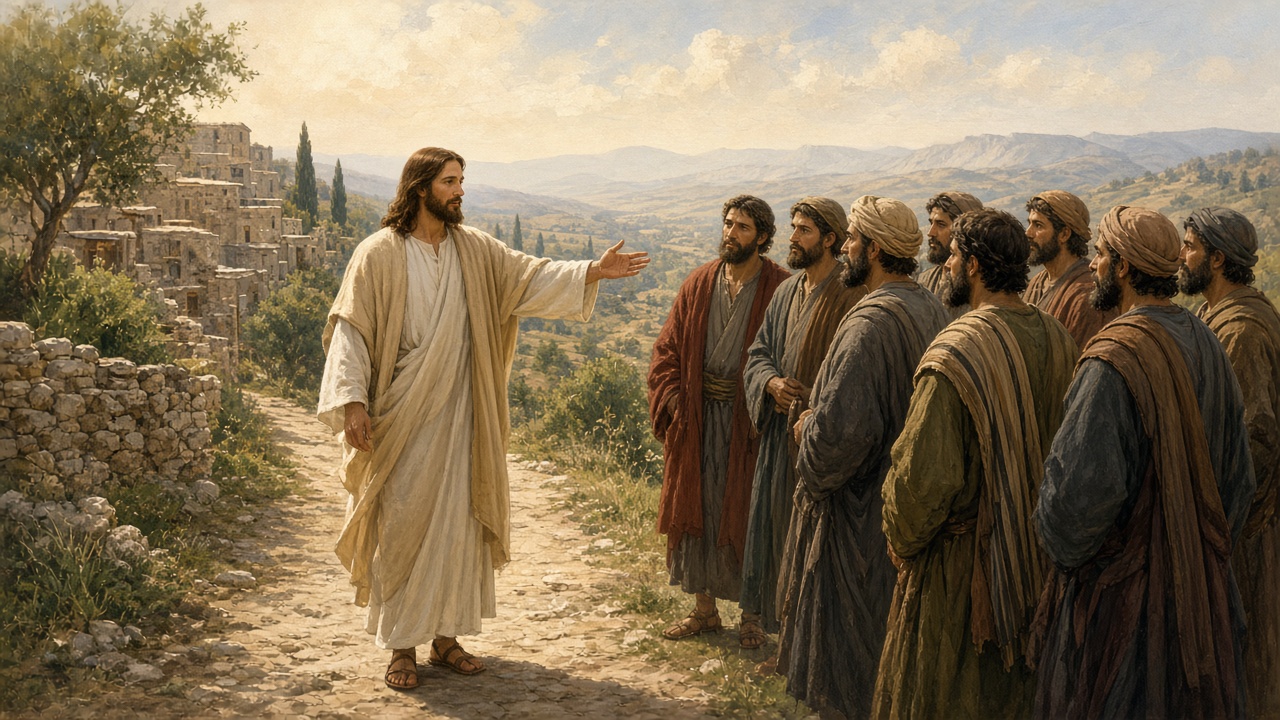
Jesús tö ittekölpa tsá̱ e'pa a̱ ka̱wö mé
1Jesús tö ittökatapa dabom eyök kí̱ böl (12), e'pa kié e̱' ska' ta̱ ka̱wö méitö ie'pa a̱ wimblupa sulusi trë'wo̱yal ñies s'kirirke duè ulitane wa̱ esepa bua'wo̱ne.
2Ie'pa ekkëpa dör ñies Jesús ttekölpa tsá̱, e'pa kiè i' es: ke̱we dör Simón, e' kiè ñies Pedro ena ie' ël kiè Andrés; Santiago ena iël kiè Juan, ie'pa dör Zebedeo ala'r; 3Felipe ena Bartolomé; Tomás ena Mateo dör inuköl shtökwak Roma wökirpa a̱ e'; Santiago dör Alfeo alà, ena Tadeo; 4Simón Celote ena Judas Iscariote tö Jesús wömekettsa̱ aishkuö ta̱ ibolökpa a̱ e'.
Jesús tö ittökatapa patkémi s'wöbla'u̱k
5Wëpa dabom eyök kí̱ böl (12), ñe'pa patkémi Jesús tö ta̱ ipattéitö i' es: “Kë̀ a' minuk pë' kë̀ dör judiowak esepa ká̱ a̱. Ñies kë̀ a' minuk Samaria. 6A' yú Israel aleripa ká̱ a̱, ie'pa dör we̱s obeja chöwa es. 7A' yú ipakök tö ì blúie Skëköl tso' e' ké̱wö dewa̱tke. 8S'kirirke bua'ú̱ne, s'duowa̱ shke̱'ú̱ka̱ne, s'kiri'we̱ke lepra tö, esepa bua'ú̱ne a̱s ibatse'rne. Ñies aknamapa yö́ttsa̱. E' diché mène a' a̱ ë́me, e' kue̱ki̱ kë̀ yi ña'wa̱r iki̱.
9“Kë̀ ì tsa̱rmi. A' kë̀ ka̱wö ta̱' inuköl tsu̱kmi yës. Ñies sku', datsi' skà, klökkuö, shko kéli ese ko̱s kë̀ tsa̱rmi. Kaneblökwak chkö̀mi ì kanewe̱keitö e' ské wa, e' kue̱ki̱ kë̀ ì tsa̱rmi.
11“Mik a' demi ká̱ tsitsir ö ká̱ blublu a̱, eta̱ yi tö a' kièwa̱mi e̱r bua' wa ese yulö́. Mik a' ikué̱, eta̱ e' ë̀ u a̱ a' kapö́rö a' tso' ee̱ e' dalewa. 12Mik a' dewa̱ u e' a̱, eta̱ ie'pa ko̱s se̱rke ee̱ e'pa shke̱'ú̱ e̱r bua' wa. 13Ie'pa tö a' kiéwa̱ e̱r bua' wa, e' ta̱ Skëköl e̱r buaë chöraë ie'pa a̱. Erë ie'pa kë̀ wa̱ a' kinewa̱ e̱r bua' wa, e' ta̱ kë̀ Skëköl e̱r buaë chö̀pa ie'pa a̱. 14U we̱le wakpa ö ká̱ we̱le wakpa kë̀ wa̱ a' kinewa̱ buaë ö kë̀ é̱na a' ttö̀ ttsak, e' ta̱ a' e̱' yö́lur u e' a̱ ö ká̱ e' a̱ ta̱ ka̱po tso' a' klöttö mik e' ppö́ö iwà kkachoie ie'pa a̱ tö ie'pa dör Skëköl bolökpa. 15Moki̱, ye' tö a' a̱ ichè tö aishkuö ta̱ mik a' wöchakirketke a' nuì̱ ki̱, eta̱ ká̱ e' wakpa wömerdattsa̱ weinuk tai̱ë Sodoma ena Gomorra wakpa bak se̱nuk suluë e'pa tsa̱ta̱.
Jesús ttökatapa weirdaë ie' kue̱ki̱
16“¡Ye' ttö̀ ttsö́! Ye' tö a' patkekemi pë' shu̱a̱ we̱s obejala èmi namu tso' tai̱ë, e' shu̱a̱ es. E' kue̱ki̱ a' se̱nú wösh wa we̱s tkabë̀ es; erë ñies a' se̱nú bë̀rë we̱s nuböl es. 17A' tso' e̱rki̱. A' miraë ie'pa wa̱ s'shu̱lökwakpa ulà a̱, ñies a' burdaë sia̱rë judiowak ñì dapa'wo̱ wé a̱. 18Ie'pa wa̱ a' miraë duèse̱r s'wökirpa ena s'blúpa wörki̱ ye' tté kue̱ki̱. Es a' tö ye' tté pakeraë ie'pa a̱, ñies ká̱ ulitane wakpa a̱. 19Mik ie'pa tö a' méttsa̱ s'shu̱lökwakpa ulà a̱, eta̱ kë̀ a' tkinuk ì chèmi a' tö e̱' tsa̱tkoie. E' wösha̱ ta̱ Skëköl tö ttè eraë a' e̱r a̱ chè ie'pa a̱. 20Es kë̀ a' ttö̀pa a' wák e̱r wa, e' skéie S'yë́ Wiköl tö ttè eraë a' e̱r a̱ chè.
21“Mik e' ké̱wö de, eta̱ we̱lepa tö iël wömerattsa̱ ttèwa̱, iyë́ tö ilà wömerattsa̱, ñies ala'r e̱' köraka̱ iyë́ ena imì kkatök a̱s ittö̀wa̱. 22Sulitane tö a' sue̱raë suluë ye' tté kue̱ki̱. Erë a' isie e̱' tkéwa̱ darërëë döka̱ bata ekkë, e' tsa̱tkërdaë. 23Mik ie'pa tö a' we'ikeke ká̱ we̱le ki̱, eta̱ a' tkö́shkar iyöki̱, a' yú ká̱ kua̱'ki̱ a̱. Moki̱ ye' tö a' a̱ ichè tö ka̱m ye' dör S'ditsö Alà e' döne, e' yöki̱ a' kë̀ dö̀pa Israel ké̱ ko̱s a̱.
24“Wé̱ wöblarke e' kë̀ dör iwöbla'u̱kwak tsa̱ta̱. Ñies kanè méso kë̀ dör iwökir tsa̱ta̱. 25E' dör wë' wé̱ wöblarke e' a̱ tö idö̀ we̱s iwöbla'u̱kwak es. Ñies e' dör wë' kanè méso a̱ tö idö̀ we̱s iwökir es. U wökir kiérakitö Beelzebú ¡e' yita̱ iyamipa cherarakitö suluë!
Yi yöki̱ se' ké suanuk
26“E' kue̱ki̱ kë̀ a' suanuk ie'pa yöki̱. Kë̀ ì ku̱' blëulewa̱ e' kë̀ kkayërpa aishkuö ta̱, ese ko̱s jche̱rdane. 27Ì chéyö a' a̱ akir bë̀rë, e' chö́ne sulitane kukua. Ñies ì ko̱s chéyö bë̀rë asas a' kukuö̀ a̱, e' chö́ne a̱neule sulitane a̱. 28Kë̀ a' suanuk yi tö s'tteta̱'wa̱ esepa yöki̱. Ie'pa tö s'chkà ë̀ ttèwa̱mi erë ie'pa kë̀ a̱ s'wiköl duökwa̱. E' skéie Skëköl yöki̱ a' suanú. Ie' tö s'chkà ñies s'wiköl e̱wè̱wami bö' ké̱ a̱.
29“Dúla böt tuè̱ tottola inuköl etk wöshkila ë̀, erë dúla kë̀ a̱rta̱'wa i̱ski̱ S'yë́ kë̀ wa̱ iké̱wö mène e' ta̱. 30E' yita̱ a' kkö'neraëitö buaë dö̀ a' tsa̱kö bitö tso' shta̱o̱ule ie' wa̱. 31Ie' a̱ ta̱ a' tuè̱ tai̱ë tkö̀ka̱ dúla tso' tai̱ë ese tsa̱ta̱. E' kue̱ki̱ kë̀ a' suanuk.
Wé̱pa kë̀ jaëne Jesús ki̱
32“Yi e̱' chö̀ sulitane wörki̱ tö ie' dör ye' ttökata, e' ta̱ ñies ese cheraëyö ye' Yë́ tso' ká̱ jaì a̱ e' wörki̱ tö ie' dör ye' ttökata. 33Erë yi tö iblé s'male̱pa wörki̱ tö ie' kë̀ dör ye' ttökata, e' ta̱ ñies ibleraëyö ye' Yë́ tso' ká̱ jaì a̱ e' wörki̱ tö ie' dör ye' ttökata.
Jesús tté kue̱ki̱ se' ñì blabatsölordaë
34“Kë̀ a' tö ibikeitsök tö ye' dë'bitu̱ a̱s a' se̱r bë̀rë ñita̱ ká̱ i' ki̱. Ye' kë̀ dë'bitu̱ a̱s a' se̱r bë̀rë ñita̱, e' skéie ye' dë'bitu̱ a' mukka̱ ñippök. 35Ye' dë'bitu̱ a̱s ilà wëm ñippö̀ iyë́ ta̱, a̱s ilà busi ñippö̀ imì ta̱ ena a̱s iyàk ñippö̀ iyàk ta̱. 36Es yamipa e̱kka döraë ñì bolökpaie ye' tté kue̱ki̱.
37“Yi é̱na iyë́ ö imì dalër tkö̀ka̱ ie' é̱na ye' dalër e' tsa̱ta̱, ese kë̀ dö̀pa ye' ttökataie. Ñies yi é̱na ilà wëm ö ilà busi e' dalër tkö̀ka̱ ie' é̱na ye' dalër e' tsa̱ta̱, ese kë̀ dö̀pa ye' ttökataie. 38Yi kë̀ e̱' chö̀ weinuk dö̀ ittèwa̱ krus mik ta̱ ise̱r we̱s ye' ttökata es, ese kë̀ dö̀pa ye' ttökataie. 39Yi e̱' tsa̱tkak ittèwa̱ yöki̱, ese kë̀ ulà a̱ se̱ne michoë dö̀pa. Erë yi e̱' mettsa̱ ttèwa̱ ye' dalërmik, ese ulà a̱ se̱ne michoë döraë.
We̱s Skëköl tö iské meraë se' a̱
40“Yi tö a' kiéwa̱ e̱r bua' wa, e' dör we̱s ye' kiéwa̱itö e̱r bua' wa es. Ñies yi tö ye' kiéwa̱ e̱r bua' wa, e' dör we̱s yi tö ye' patkë' e' kiéwa̱itö e̱r bua' wa es. 41Yi tö Skëköl tteköl kiéwa̱ e̱r bua' wa Skëköl tteköl idir e' kue̱ki̱, e' ta̱ ese a̱ ì meraë Skëköl tö ittekölpa a̱, ese merdaë ñies. E' sù̱ yi tö s'se̱r yësyësë ese kiéwa̱ e̱r bua' wa ise̱rke yësyësë e' kue̱ki̱, e' ta̱ ese a̱ ì meraë Skëköl tö s'se̱r yësyësë esepa a̱, ese merdaë ñies. 42Yi isie tö di' kakla ë̀ mé ye' ttökata ësela a̱ yè, ye' ttökata idir e' kue̱ki̱, e' ta̱ moki̱ ye' tö a' a̱ ichè tö ese a̱ iské pato̱rdaë buaë.”
Você sabia?
Os doze enviados em missão
- Simão, chamado Pedro, e seu irmão André — o primeiro par nomeado entre os doze — eram pescadores de Betsaida, na costa ocidental do mar da Galileia. Tiago e João, citados em seguida, eram filhos de Zebedeu, um pescador da Galileia que tinha os próprios barcos e empregados.Fontes: o próprio texto bíblico · Simon Peter · Andrew · Zebedee
- Mateus, identificado na lista como o cobrador de impostos, era filho de Alfeu e antes era conhecido como Levi; recolhia impostos em Cafarnaum, e o nome Mateus significa “dom de Deus”. Tomé, nomeado ao lado dele, também era chamado Dídimo, o equivalente grego do nome hebraico, que significa “gêmeo”. Bartolomeu significa “filho de Tolmai” e, em geral, se supõe que seja a mesma pessoa que Natanael.Fontes: o próprio texto bíblico · Matthew · Thomas · Bartholomew
- Jesus adverte que o dia do juízo será mais tolerável para Sodoma e Gomorra do que para uma cidade que recusar os doze apóstolos. O Dicionário Bíblico de Easton (1897) descreve essas cidades da planície de Sidim como destruídas pelo fogo e proverbiais pela maldade, e as situa, provavelmente próximas uma da outra, perto da extremidade norte do que hoje é o mar Morto.Fontes: o próprio texto bíblico · Sodom · Gomorrah
Notas escritas com auxílio de IA a partir de fontes abertas (Theographic Bible Metadata, CC BY-SA 4.0; Easton’s Bible Dictionary, domínio público) e revisadas antes de publicar.
Créditos e licença desta tradução
Tte Pa̱'a̱li̱ Me' Skëköl tö Se' a̱
New Testament and Shorter Old Testament in Bribri (CS:bzd:Bribri)
copyright © 2010 Wycliffe Bible Translators, Inc.
Language: Bribri
Translation by: Wycliffe Bible Translators, Inc.
Bribri
bzd
Costa Rica
Copyright Information
© 2010, Wycliffe Bible Translators, Inc. All rights reserved.
This translation text is made available to you under the
terms of the Creative Commons License: Attribution-Noncommercial-No Derivative Works.
( http://creativecommons.org/licenses/by-nc-nd/3.0/ )
In addition, you have permission to port the text to different file formats, as long as you
do not change any of the text or punctuation of the Bible.
You may share, copy, distribute, transmit, and extract portions
or quotations from this work, provided that you include the above copyright
information:
You must give Attribution to the work.
You do not sell this work for a profit.
You do not make any derivative works that change any of the actual words or punctuation of the Scriptures.
Permissions beyond the scope of this license may be
available if you contact
us with your request.
The New Testament and Shorter Old Testament
in Bribri
© 2010, Wycliffe Bible Translators, Inc. All rights reserved.
This translation is made available to you under the terms of the
Creative Commons Attribution-Noncommercial-No Derivatives license 4.0.
You may share and redistribute this Bible translation or extracts from it in any format, provided that:
You include the above copyright and source information.
You do not sell this work for a profit.
You do not change any of the words or punctuation of the Scriptures.
Pictures included with Scriptures and other documents on this site are licensed just for use with those Scriptures and documents.
For other uses, please contact the respective copyright owners.
2014-04-22
Fonte: http://ebible.org/bzdNTpo/ · eBible.org