João 4
Tte Pa̱'a̱li̱ Me' Skëköl tö Se' a̱ · Toque num versículo para ver as referências cruzadas.
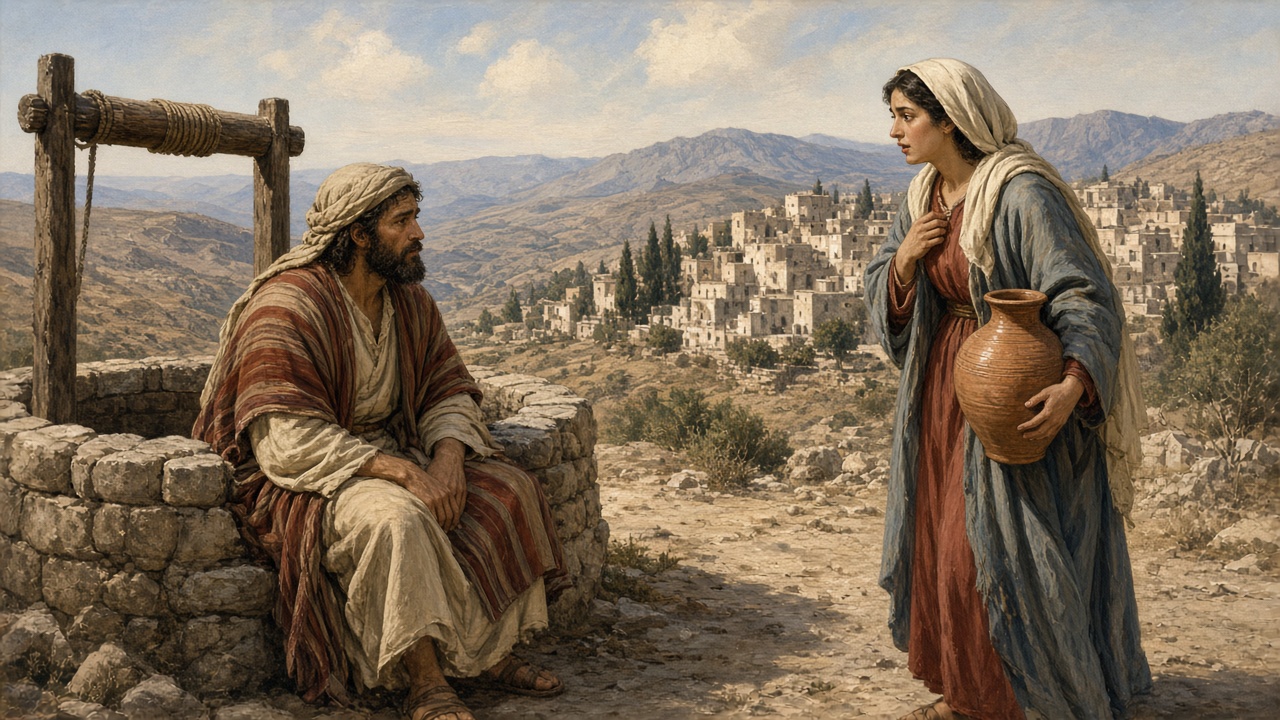
Jesús tté alaköl eköl ta̱ Samaria
1Fariseowakpa tö ittsé tö Jesús klépa kí̱ iërke ena s'wösurkerak tai̱ë Juan tö s'wöskué e' tsa̱ta̱. (Erë Jesús wák kë̀ wa̱ s'wösune, ittökatapa tö s'wöskué.) Mik ì cheke ie'pa tö e' ttsé Jesús tö, eta̱ ie' e̱' yéttsa̱ Judea mía̱ne Galilea.
4Erë ie' ittsé tö ie' ka̱wöta̱ shköktkö Samaria. 5Ie' ena ittökatapa de ká̱ a̱te̱ Samaria kiè Sicar ee̱. Ee̱ tsi̱net ká̱ me' Jacob tö ilà José a̱, e' a̱te̱. 6Di' bi' Jacob tö ká̱ ia̱ia̱ë e' tso' ee̱. Ee̱ Jesús demi ta̱ ishtrinewa̱. Ie' e̱' tkése̱r di' biule e' kkömik eta̱ diwö döketke bata a̱. 7Jesús ttökatapa míyal Sicar chkewö ta̱u̱k ñè. E' dalewa alaköl eköl dör Samaria wak, e' debitu̱ di' tsu̱k ta̱ Jesús tö iché ia̱:
—A tayë, be' we'ikèyö, di' kakmú ña yè.
9Ie' tkinewa̱ ta̱ iiu̱téitö:
—Be' dör judiowak, ye' dör Samaria wak. ¿We̱s be' tö ye' a̱ di' kieke? (Judiowak ena Samaria wakpa kë̀ wö dör ñì mik, kë̀ döta̱'wa̱ ñì ska', e' kue̱ki̱ alaköl tö iiu̱té es.)
10Jesús tö iiu̱té:
—Ì meke Skëköl tö se' a̱ ë́me ena yi dör ye', e' jche̱núpa be' wa̱, e̱'ma be' tö ye' a̱ di' kieraë ta̱ di' tö se̱ne meke sia̱ ese meraëyö be' a̱.
11Alaköl e' tö Jesús a̱ iché:
—A këkëpa, be' kë̀ wa̱ tka̱' ku̱' di' i' yottsa̱, ñies di' i' tso' i̱ski̱ë. ¿Wé̱ be' tö di' e' kuè̱mi mè ye' a̱? 12¿I̱ma be' tö ibikeitsè? Se' yë́ bak dör Jacob, e' tö di' i' me'a̱t sa' a̱. Di' i' ya' ie' wák tö ena ila'r tö ñies iiyiwak. ¿Be' tö ibikeitsè tö be' dör ie' tsa̱ta̱?
13Jesús tö ie' iu̱té:
—Wé̱pa tö di' i' yé esepa e̱r sirdane. 14Erë wé̱pa tö di' meke ye' tö e' yé, esepa kë̀ e̱r sirpaia̱ne yës. Di' e' dör ie'pa e̱r a̱ we̱s di' tskirke wötuö̀ tai̱ë es, e' tö se̱ne michoë meraë ie'pa a̱.
15Eta̱ alaköl tö iché ia̱:
—A këkëpa, di' e' mú ye' a̱ a̱s kë̀ ye' e̱r siria̱, ñies a̱s kë̀ ye' döia̱ di' watsu̱k í̱e̱.
16Jesús tö iché ia̱:
—Be' yú, be' wëm kiök ta̱ be' kiéne.
17Eta̱ alaköl tö iiu̱té:
—Ye' kë̀ wëm ta̱'.
Jesús tö iché ia̱:
—Buaë be' iché tö kë̀ be' wëm ta̱'. 18Be' ulabatsule ske̱tökicha ta̱ i̱'ñe ta̱ be' wa̱ itso', e' kë̀ ta̱' be' ulabatsule. Ì ché be' tö, e' dör moki̱.
19Eta̱ alaköl tö iché ie' a̱:
—A këkëpa, ye' tö isué̱ tö wësua be' dör Skëköl tteköl. 20Sa' dör Samaria wakpa, e' këkëpa bak ká̱ ia̱ia̱ë, e'pa tö Skëköl dalöiè e' wakaneo̱' ka̱bata i' ki̱. Erë a' judiowak tö icheke tö s'ka̱wöta̱ e' kanéu̱k Jerusalén ë̀.
21Eta̱ Jesús tö iu̱té:
—A tayë, ye' ttö̀ klö'ú̱. Ka̱wö döraë ta̱ Skëköl dalöiè e' wakaneo̱rdaë ká̱ wa'ñe, kë̀ dör ka̱bata i' ë̀ ki̱ ö Jerusalén ë̀ a̱. 22A' tö Skëköl dalöieke, erë e' kë̀ jche̱r a' wa̱ buaë. Erë s'tsa̱tkër tté e' datse̱ sa' dör judiowak ditséwö wa, e' kue̱ki̱ sa' wa̱ ie' jche̱r buaë. 23S'yë́ dalöiökwakpa chökle, esepa tö ie' dalöieraë moki̱ë iWiköl wa. E' ké̱wö döketke, moki̱ idetke i' ta̱. 24Skëköl dör wiköl, kë̀ wërta̱'wa̱, e' kue̱ki̱ wé̱pa tö ie' dalöieke esepa ké idalöiök moki̱ë we̱s ie' ki̱ kiane es iWiköl wa.
25Eta̱ alaköl tö iché:
—Ye' wa̱ ijche̱r tö wé̱ pairine'bitu̱ idi' wa s'blúie e' datse̱ (e' kiè “Cristo” griegoie ena “Mesías” hebreoie). Mik ie' de eta̱ ie' tö íyi ulitane wà pakeraë se' a̱.
26Jesús tö ie' a̱ iché:
—E̱'ma e' dör ye' tso' ttök be' ta̱ e'.
27E' wösha̱ ta̱ ittökatapa debitu̱ne. E'pa tö Jesús sué̱ ka̱pakök alaköl ta̱, e' tö ie'pa tkiwé̱wa̱ tai̱ë. Erë kë̀ yi kësik dë'ka̱ ichakök ie' a̱ tö “¿ì kiane be' ki̱?” ö “¿iö́k be' tso' ka̱pakök alaköl se̱ ta̱?” 28Eta̱ alaköl tö iska̱u̱ méa̱t tkër ee̱ ta̱ imía̱ne wé̱ iu tso'rak ee̱, ta̱ ichéitö e' wakpa a̱:
29—Mishka wëm dur eköl e' sa̱u̱k. Ì sulu ko̱s wamblë'yö, e' chéitö ye' a̱ se̱raa̱. ¿Ie' alè dör wé̱ pairine'bitu̱ idi' wa s'blúie e'?
30Eta̱ ká̱ e' wakpa bite̱yal Jesús weblök. 31E' dalewa Jesús ttökatapa tö iché ia̱:
—A S'wöbla'u̱kwak, be' chkö́.
32Erë Jesús tö ie'pa a̱ iché:
—Ye' wa̱ chkè tso', e' kë̀ su̱ule a' wa̱.
33Ie'pa ñì chakérak:
—¿Yile wa̱ chkè debitu̱ ie' a̱ ñè?
34Erë Jesús tö ie'pa a̱ iché:
—Ye' chkè dör, yi tö ye' patkë', e' ttö̀ iu̱tök ena kanè me'itö ye' a̱, e' e̱u̱kwa se̱raa̱. 35A' wa̱ ttè tso' e' tö ichè: ‘Ka̱wö kianeia̱ si' tkël eta̱ iyiwö tso'tke shtè’; erë ye' tö a' a̱ ichè tö pë' datse̱ tai̱ë e'pa weblö́. Ie'pa dör we̱s iyiwö alinetke tso'tke wë'ià̱ë tënuk es. Ie'pa tso'tke e̱rblök ye' mik. 36Wé̱pa tö ie'pa ki̱meke e̱rblök ye' mik, esepa dör we̱s iyiwö shtökwakpa es, e' ské döraë ie'pa ulà a̱. Ñies wé̱pa shteke ie'pa tö, esepa ulà a̱ se̱ne michoë döraë. Es wé̱pa dör we̱s íyi kuatkökwakpa es ena wé̱pa dör we̱s iyiwö shtökwakpa es, esepa ttsë'rdaë buaë ñita̱. 37Pë' tö icheke: ‘we̱le tö ikuatkeke, skà tö iwöshteke.’ Ttè e' dör moki̱. 38Ye' tö a' patkë'mi iyiwö shtök wé̱ a' kë̀ wa̱ ikuatkëule ee̱. Ee̱ o̱'ka kaneblë', erë iwà de buaë a' ulà a̱.
39Alaköl e' tö ipaké Samaria wakpa a̱: “Ì sulu ko̱s wamblë'yö, e' chéitö ye' a̱ se̱raa̱.” E' kue̱ki̱ Samaria wakpa tai̱ë se̱rke ká̱ e' a̱, e'pa e̱rblé Jesús mik. 40Eta̱ mik Samaria wakpa de Jesús ska', eta̱ ie'pa kköché ie' a̱ ta̱ ichérakitö ia̱:
—Be' e̱' tsú̱a̱t sa' ta̱.
Ie' e̱' tsé̱a̱t ie'pa ta̱ ká̱ böt. 41Ie' ka̱paköke ie'pa ta̱, e' kue̱ki̱ ie'pa kí̱ dapane tai̱ë e̱rblök ie' mik. 42Eta̱ ichérakitö alaköl a̱:
—Sa' e̱rblé ie' mik e' kë̀ dör be' tö sa' a̱ iché, e' ë̀ kue̱ki̱. I̱'ñe ta̱' sa' wákpa tö ittö̀ ttsé, e' kue̱ki̱ sa' tö iklö'wé̱ tö moki̱ ie' dör sulitane tsa̱tkökwak.
Jesús tö blu' kanè kue̱blu eköl e' alà bua'wé̱ne
43Böiki es ta̱ Jesús e̱' yéttsa̱ Samaria e' michone Galilea. 44Ie' tö iyë': Skëköl tteköl kë̀ dalöiërta̱' iwák ká̱ ki̱. 45Mik ie' demi Galilea eta̱ ká̱ e' wakpa tö ikiéwa̱ e̱r bua' wa. Mik ie'pa dë'rö Jerusalén Judiowak Yë́pa Yërulune Egipto e' ké̱wö tkö'u̱k, eta̱ ì ko̱s buaë o̱' Jesús tö, e' su̱' ie'pa tö. E' kue̱ki̱ ie'pa tö ikiéwa̱ e̱r bua' wa.
46Jesús dene Caná a̱te̱ Galilea wé̱ ie' tö di' yö' vinoie ee̱. Ká̱ e' blú kanè kue̱blu eköl tso' Cafarnaúm, e' alà kirinewa̱ tai̱ë. 47Mik ie' wa̱ ijche̱newa̱ tö Jesús tso' Judea, e' dene Galilea, eta̱ ie' mía̱ Jesús ska' ta̱ ikköché ia̱:
—Mishka Cafarnaúm ye' alà duökewa̱tke e' bua'u̱kne.
48Ie' tö iiu̱té:
—Wësua ì kë̀ o̱r yi a̱ ese kë̀ o̱ne ye' wa̱ a' a̱ iwà kkachoie tö yi dör ye', e' ta̱ kë̀ a' e̱rblö̀pa ye' mik.
49Erë blu' kanè kue̱blu tö iché ia̱:
—A këkëpa, mishka bet ka̱m ye' alà duö̀wa̱ e' dalewa.
50Jesús tö iché ia̱:
—Be' yúne be' u a̱. Be' alà se̱rdaia̱.
Ie' tö Jesús ttö̀ klö'wé̱ moki̱ë ta̱ ie' mía̱ne iu a̱. 51Ka̱m idömine u a̱, eta̱ ikanè mésopa tö ikué̱ ñala̱ ki̱ ta̱ ie'pa tö ie' a̱ iché:
—Be' alà buanene.
52Ie' tö ie'pa a̱ ichaké:
—¿Diwö we̱kkë ye' alà buanémine?
Ie'pa tö iu̱té:
—Chkì diwö bata rrate̱ ekkë.
53Iyë́ é̱na ia̱ne tö diwö ekkë Jesús tö iyë' ie' a̱ tö be' alà se̱rdaia̱. E' kue̱ki̱ ie' ena iyamipa ko̱s e'pa e̱rblé imik.
54Jesús tso' Galilea, i' ta̱, ì kë̀ o̱r yi a̱ ese wé̱itö bötökicha ee̱.
Você sabia?
Água viva na Samaria
- Jesus deixou a Judeia para voltar à Galileia, e o Evangelho diz que ele precisava passar pela Samaria. Sob os romanos, no tempo de Jesus, a Judeia era a mais ao sul das três divisões da Palestina, distinta da Samaria e da Galileia, e a narrativa observa que os judeus não se relacionavam com os samaritanos.Fontes: o próprio texto bíblico · Judea
- Ele chegou a Sicar, perto do terreno que Jacó tinha dado a seu filho José e, cansado da viagem, sentou-se junto ao poço de Jacó. O dicionário bíblico de Easton (1897) registra que, desde o tempo das Cruzadas, Sicar costumava ser identificada com Siquém, mas que explorações a identificaram com 'Askar, um pequeno povoado samaritano na base sul de Ebal, cerca de uma milha ao norte do poço.Fontes: o próprio texto bíblico · Sychar
- A mulher contrastou a adoração neste monte com a afirmação dos judeus de que era preciso adorar em Jerusalém, e falou de um Messias que havia de vir, chamado Cristo. Quando os discípulos voltaram de comprar comida na cidade, ficaram surpresos de que Jesus estivesse falando com uma mulher.Fontes: o próprio texto bíblico
Notas escritas com auxílio de IA a partir de fontes abertas (Theographic Bible Metadata, CC BY-SA 4.0; Easton’s Bible Dictionary, domínio público) e revisadas antes de publicar.
Lugares deste capítulo
- Galilee · 32.760, 35.527 · versículos 3, 43, 45, 46, 47, 54
- Judea · Hoje: Judea 1 · 31.777, 35.234 · versículos 3, 47, 54
- Samaria · Hoje: Samaria 2 · 32.276, 35.195 · versículos 4, 5, 7, 9
- Jerusalem · 31.777, 35.234 · versículos 20, 21, 45
- Mount Gerizim · 32.199, 35.273 · versículo 20
Só aparecem lugares com identificação de alta confiança (90% ou mais segundo as fontes acadêmicas reunidas pelo OpenBible). Mapa da época: DARE (Digital Atlas of the Roman Empire), CC BY 4.0; mapa atual: © colaboradores do OpenStreetMap; lugares: OpenBible.info (CC BY 4.0).
Créditos e licença desta tradução
Tte Pa̱'a̱li̱ Me' Skëköl tö Se' a̱
New Testament and Shorter Old Testament in Bribri (CS:bzd:Bribri)
copyright © 2010 Wycliffe Bible Translators, Inc.
Language: Bribri
Translation by: Wycliffe Bible Translators, Inc.
Bribri
bzd
Costa Rica
Copyright Information
© 2010, Wycliffe Bible Translators, Inc. All rights reserved.
This translation text is made available to you under the
terms of the Creative Commons License: Attribution-Noncommercial-No Derivative Works.
( http://creativecommons.org/licenses/by-nc-nd/3.0/ )
In addition, you have permission to port the text to different file formats, as long as you
do not change any of the text or punctuation of the Bible.
You may share, copy, distribute, transmit, and extract portions
or quotations from this work, provided that you include the above copyright
information:
You must give Attribution to the work.
You do not sell this work for a profit.
You do not make any derivative works that change any of the actual words or punctuation of the Scriptures.
Permissions beyond the scope of this license may be
available if you contact
us with your request.
The New Testament and Shorter Old Testament
in Bribri
© 2010, Wycliffe Bible Translators, Inc. All rights reserved.
This translation is made available to you under the terms of the
Creative Commons Attribution-Noncommercial-No Derivatives license 4.0.
You may share and redistribute this Bible translation or extracts from it in any format, provided that:
You include the above copyright and source information.
You do not sell this work for a profit.
You do not change any of the words or punctuation of the Scriptures.
Pictures included with Scriptures and other documents on this site are licensed just for use with those Scriptures and documents.
For other uses, please contact the respective copyright owners.
2014-04-22
Fonte: http://ebible.org/bzdNTpo/ · eBible.org