João 3
Tte Pa̱'a̱li̱ Me' Skëköl tö Se' a̱ · Toque num versículo para ver as referências cruzadas.
Jesús ena Nicodemo tté ñita̱
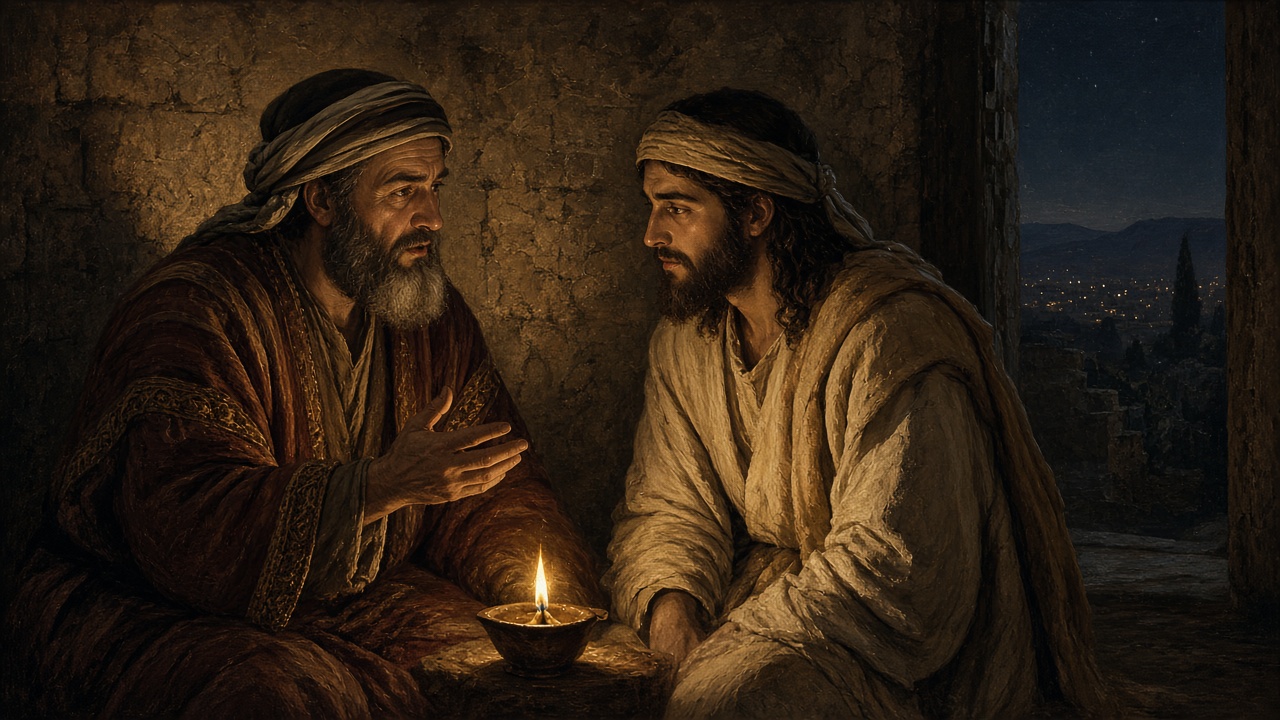
1Wëm tso' eköl kiè Nicodemo, e' dör judiowak wökirpa eköl. Ie' dör fariseowak. 2Ká̱ et nañewe ie' de Jesús ska' ta̱ ichéitö ia̱:
—A S'wöbla'u̱kwak, ì kë̀ o̱r yi a̱ ese we̱ke be' tö. Skëköl kë̀ kú̱pa be' ta̱, e̱'ma kë̀ be' a̱ ì o̱nuk. E' kue̱ki̱ sa' wa̱ ijche̱r tö ie' tö be' patkë' sa' wöbla'u̱k.
3Jesús tö iché ia̱:
—Moki̱ ye' be' a̱ ichè tö yi kë̀ skà ku̱nene etökichane, ese kë̀ döpawa̱ ì blúie Skëköl tso' e' a̱.
4Nicodemo tö ie' a̱ ichaké:
—Mik s'de këchke, eta̱ ¿we̱s s'ku̱rmine etökichane? ¿We̱s s'mi'miwa̱ne s'mì shu̱a̱, e' ku̱rmi etökichane?
5Jesús tö iiu̱té:
—Moki̱ ye' be' a̱ ichè tö yi kë̀ ku̱ne di' wa ena Skëköl Wiköl wa, ese kë̀ döpawa̱ ì blúie Skëköl tso' e' a̱. 6S'ku̱ne s'mì wa s'yë́ wa ese se̱r we̱s s'ditsö se̱r es, erë yi ku̱ne Skëköl Wiköl wa, ese se̱r we̱s Skëköl se̱r es. 7Ye' tö be' a̱ ichè tö be' ka̱wöta̱ ku̱nukne etökichane. ¿We̱s e' tö be' tkiwe̱mi? 8Ì wakanewe̱ke Skëköl Wiköl tö se' a̱, e' dör we̱s siwa̱' bitsi̱rke ká̱ wa'ñe es. E' blar ttsésö, erë wé̱ idatse̱ ena wé̱ imírö e' kë̀ jche̱r s'wa̱. Es itköke sulitane ku̱ne Skëköl Wiköl wa e'pa ta̱. Se' wa̱ ijche̱r tö ie'pa ku̱nene Skëköl Wiköl wa, erë kë̀ se' wa̱ ijche̱r we̱s iwà tköke.
9Nicodemo tö iskà chaké:
—¿E̱'ma i̱ma iwà dör?
10Eta̱ Jesús tö iiu̱té:
Be' dör s'wöbla'u̱kwak dalöiërta̱' tai̱ë Israel aleripa shu̱a̱ ese, erë ¿we̱s be' kë̀ wa̱ íyi ikkë jche̱r? 11Moki̱ ye' tö be' a̱ ichè tö ì jche̱r sa' wa̱, e' cheke sa' tö a' a̱, ñies ì sué̱ sa' tö, e' pakeke sa' tö, erë a' kë̀ é̱na sa' ttö̀ klö'wa̱k yës. 12Íyi tso' ká̱ i' ki̱, ese wa ye' tö ikleeke a' a̱, erë e' kë̀ klö'wè̱ a' tö. Ye' mú tö ipakè íyi tso' ká̱ jaì a̱ ese wa kë̀ kleaule, e̱'ma ¿we̱s e' klö'wè̱mi a' tö?
13“Kë̀ yi mine'ka̱ ká̱ jaì a̱ ese dene ká̱ i' a̱. Erë ye' dör S'ditsö Alà, e' datse̱ ká̱ jaì a̱, e' kue̱ki̱ íyi tso' ee̱ e' jche̱r se̱raa̱ ye' wa̱ buaë. 14Mik Israel aleripa bak ká̱ wé̱ kë̀ yi se̱rku̱', ese ké̱ a̱, eta̱ Moisés tö tabechka yué tkabë̀ diökölie, e' batséwa̱itö kalka mik ta̱ itkéka̱. Es ñies, ye' dör S'ditsö Alà, e' ka̱wöta̱ tkèka̱ kal mik 15a̱s wé̱pa e̱rblé ye' mik, esepa ulà dö̀ se̱ne michoë e' ska'.” Es Jesús tö iché Nicodemo a̱.
Skëköl é̱na sulitane dalër
16Skëköl é̱na ká̱ ulitane wakpa dalër tai̱ë. E' kue̱ki̱ ie' alà eköl ë̀, e' me'ttsa̱itö ttèwa̱ se' skéie, a̱s yi e̱rblé imik esepa kë̀ duö̀wa̱ aishkuö ta̱, e' skéie se̱ne michoë dö̀ iulà a̱. 17Skëköl kë̀ wa̱ ilà patkëne ká̱ i' a̱ se' kichatöktsa̱. E' skéie ipatkë'itö se' tsa̱tkök.
18“Yi e̱rblé Skëköl Alà mik, ese kë̀ kichatëne. Erë yi kë̀ e̱rblëne imik, ese kë̀ e̱rblëne Skëköl Alà eköl ë̀ e' mik, e' kue̱ki̱ ikichatënettsa̱tke. 19Skëköl Alà dë'bitu̱ ká̱ i' a̱, e' dör we̱s bö'wö es se' e̱r ñi'wo̱ie. Erë s'tso' ì sulu wamblök, esepa dör we̱s s'tso' stui a̱ es, e' wa ie'pa wöbatsö bua'ie. Ie'pa kë̀ ki̱ ie' kiane. E' kue̱ki̱ wé̱pa kë̀ e̱rblëne ie' mik, esepa kichatënetke. 20Wé̱pa tö ì sulu wambleke, esepa é̱na suluë Skëköl Alà a̱r. Ie'pa kë̀ ki̱ Skëköl Alà ttè kiane ttsè a̱s ì sulu wamblekerakitö, ese wà kë̀ kkayërwa̱. E' dör we̱s s'tso' stui a̱ kë̀ shkakwa̱ bö'wö olo ska' es. 21Erë wé̱pa se̱rke we̱s Skëköl ttè moki̱ tö ichè es, esepa ki̱ Skëköl Alà kiar buaë. Ie'pa dewa̱ buaë Skëköl Alà dör we̱s bö'wö es e' ska' iwà kkachoie tö ì we̱ke ie'pa tö, e' we̱kerakitö Skëköl batamik.”
Juan S'wöskuökwak tö iché tö Jesús dör ie' tsa̱ta̱
22E' ukuöki̱ ta̱ Jesús mía̱ Judea ittökatapa ta̱. Ee̱ ie' e̱' tsé̱a̱t ká̱ tai̱ë ie'pa ta̱ s'wöskuök. 23Ñies Juan tso' s'wöskuök ká̱ kiè Enón ee̱, ee̱ di' tso' tai̱ë e' kue̱ki̱. Ká̱ e' a̱te̱ tsi̱net Salim. Pë' döke ie' ska' ta̱ ie' tö ie'pa wöskueke. 24(Íyi ikkë kaneo̱ne ka̱m ie' wötërwa̱ s'wöto wé a̱, e' yöki̱.)
25Erë ie' ttökatapa we̱lepa ñì iu̱témi judiowak eköl ta̱, ie'pa e̱' batse'u̱ke di' wa, e' tté ki̱. 26E' kue̱ki̱ ie'pa míyal Juan ska' ta̱ ichéitö ia̱:
—A S'wöbla'u̱kwak, wëm dë' be' ska' Jordán di' wi̱she̱t yë' be' tö, e' wák tso' s'wöskuök ta̱ sulitane mi'ke ie' ta̱. ¿E' kë̀ tö be' tsiriwè̱?
27Juan tö iiu̱té:
—Au, e' kë̀ tö ye' tsiriwè̱. Skëköl kë̀ wa̱ se' a̱ iké̱wö mène, e' ta̱ kë̀ se' a̱ ì o̱nuk yës. 28Ye' tö iyë' tö ‘ye' kë̀ dör wé̱ pairine'bitu̱ idi' wa s'blúie e', erë ye' patkëne'bitu̱ ie' yöki̱ ke̱weie,’ e' ttsë' a' wákpa tö buaë. 29Mik ulabatske, eta̱ alaköl dör iwëm icha. Eta̱ iwëm sini' tso' ee̱, ese tö wëm ttö̀ ttsé, eta̱ e' tö ie' ttsë'wé̱ buaë. Ye' dör we̱s wëm sini' es. E' kue̱ki̱ ye' ttsë'ne buaë i̱'ñe tö sulitane mi'ke Jesús ta̱. 30Ie' ka̱wöta̱ ki̱kèka̱ tai̱ë ye' tsa̱ta̱, e' skéie ye' ké e̱' wöökwa diöshe̱t.
Jesús datse̱ ká̱ jaì a̱
31Yi datse̱ ká̱ jaì a̱, e' dör sulitane tsa̱ta̱. Wé̱pa tso' ká̱ i' ki̱, esepa dör ká̱ i' wakpa, ì tso' ká̱ i' ki̱, ese ë̀ cheke ie'pa tö. Erë yi datse̱ ká̱ jaì a̱ e' dör sulitane tsa̱ta̱. 32Ì su̱ule ie' wa̱ ena ì ttsëule ie' wa̱ ká̱ jaì a̱ ese pakekeitö, erë pë' kibiiepa kë̀ wa̱ ie' ttè klöo̱ne. 33Yi patkë'bitu̱ Skëköl tö e' a̱ Skëköl Wiköl mène tai̱ë shu̱te̱, e' kue̱ki̱ ie' tö Skëköl ttö̀ pakekene. E' kue̱ki̱ wé̱pa tö ie' tté klö'wé̱, e' wa esepa tso' ichök tö Skëköl ttè dör moki̱ë. 35S'yë́ é̱na ilà dalër tai̱ë, e' kue̱ki̱ íyi ulitane méa̱titö iulà a̱. 36Wé̱ e̱rblé Skëköl Alà mik, ese se̱r michoë. Erë wé̱ kë̀ tö Skëköl Alà ttö̀ iu̱tè, ese kë̀ ulà dö̀pa se̱ne michoë ska'. E' skéie Skëköl kësik me'rie iki̱.
Você sabia?
O novo nascimento e o testemunho de João
- Nicodemos, cujo nome significa "o povo é vencedor", era fariseu e membro do Sinédrio. Ele foi a Jesus de noite para conhecer melhor o seu ensino, e o Evangelho o chama de líder dos judeus; Jesus se dirige a ele como mestre de Israel.Fontes: Nicodemus · o próprio texto bíblico
- Depois dessa conversa, Jesus e seus discípulos foram para a região rural da Judeia, que sob os romanos era a mais meridional das três divisões da Palestina. João também batizava em Enom, perto de Salim, porque ali havia água em abundância; Salim, cujo nome significa "pacífico", ficava a oeste do Jordão. Enom significa "fontes", e o Dicionário Bíblico de Easton (1897) situa o lugar provavelmente perto da nascente superior do Wady Far'ah, um vale aberto cheio de fontes que vai do monte Ebal até o Jordão.Fontes: o próprio texto bíblico · Judea · Aenon · Salim
- Neste capítulo, João diz a seus discípulos que não é o Cristo, mas que foi enviado adiante dele, e a narrativa observa que ele ainda não tinha sido preso. O Dicionário Bíblico de Easton (1897) o descreve como o precursor de Jesus, de descendência sacerdotal, e diz que sua missão foi objeto de profecia.Fontes: o próprio texto bíblico · John the Baptist
Notas escritas com auxílio de IA a partir de fontes abertas (Theographic Bible Metadata, CC BY-SA 4.0; Easton’s Bible Dictionary, domínio público) e revisadas antes de publicar.
Lugares deste capítulo
- Jerusalem · 31.777, 35.234 · versículo 22
- Judea · Hoje: Judea 1 · 31.777, 35.234 · versículo 22
- Jordan · Hoje: Jordan River · 31.761, 35.558 · versículo 26
Só aparecem lugares com identificação de alta confiança (90% ou mais segundo as fontes acadêmicas reunidas pelo OpenBible). Mapa da época: DARE (Digital Atlas of the Roman Empire), CC BY 4.0; mapa atual: © colaboradores do OpenStreetMap; lugares: OpenBible.info (CC BY 4.0).
Créditos e licença desta tradução
Tte Pa̱'a̱li̱ Me' Skëköl tö Se' a̱
New Testament and Shorter Old Testament in Bribri (CS:bzd:Bribri)
copyright © 2010 Wycliffe Bible Translators, Inc.
Language: Bribri
Translation by: Wycliffe Bible Translators, Inc.
Bribri
bzd
Costa Rica
Copyright Information
© 2010, Wycliffe Bible Translators, Inc. All rights reserved.
This translation text is made available to you under the
terms of the Creative Commons License: Attribution-Noncommercial-No Derivative Works.
( http://creativecommons.org/licenses/by-nc-nd/3.0/ )
In addition, you have permission to port the text to different file formats, as long as you
do not change any of the text or punctuation of the Bible.
You may share, copy, distribute, transmit, and extract portions
or quotations from this work, provided that you include the above copyright
information:
You must give Attribution to the work.
You do not sell this work for a profit.
You do not make any derivative works that change any of the actual words or punctuation of the Scriptures.
Permissions beyond the scope of this license may be
available if you contact
us with your request.
The New Testament and Shorter Old Testament
in Bribri
© 2010, Wycliffe Bible Translators, Inc. All rights reserved.
This translation is made available to you under the terms of the
Creative Commons Attribution-Noncommercial-No Derivatives license 4.0.
You may share and redistribute this Bible translation or extracts from it in any format, provided that:
You include the above copyright and source information.
You do not sell this work for a profit.
You do not change any of the words or punctuation of the Scriptures.
Pictures included with Scriptures and other documents on this site are licensed just for use with those Scriptures and documents.
For other uses, please contact the respective copyright owners.
2014-04-22
Fonte: http://ebible.org/bzdNTpo/ · eBible.org