Êxodo 5
Tte Pa̱'a̱li̱ Me' Skëköl tö Se' a̱ · Toque num versículo para ver as referências cruzadas.
Moisés ena Aarón tté Egipto blú ta̱
1E' ukuöki̱ ta̱ Moisés ena Aarón míyal Egipto blú ska' ta̱ ichéitö ia̱:
—Jehová dör Israel aleripa e' Këköl, e' tö iché be' a̱ tö e'pa dör ie' icha. Ie'pa ö́mi a̱s imi'yal wé̱ kë̀ yi se̱rku̱' ee̱ ka̱wö tkö'u̱k ie' dalöioie.
2Erë Egipto blú tö iiu̱té:
—¿Yi dör Jehová? Ye' kë̀ wa̱ ie' su̱ule. Ye' kë̀ ka̱wöta̱ ie' ttö̀ iu̱tök. Ye' kë̀ ka̱wöta̱ Israel aleripa ökmi. E' kue̱ki̱ kë̀ ye' tö Israel aleripa epami.
3Eta̱ ie'pa tö iché:
—Hebreowak Këköl e' dë'bitu̱ sa' wöki̱. E' kue̱ki̱ sa' ö́mi ká̱ mañat shkar ekkë wé̱ kë̀ yi ku̱' ese ska' iyiwak ña'u̱k sa' Këköl Jehová e' a̱ idalöioie dö' ie' tö sa' wömèttsa̱ duökwa̱ duè a̱ ö tabè a̱.
4Erë Egipto blú tö iiu̱té:
—A Moisés. A Aarón. ¿Iö́k a' ki̱ ie'pa kiane wöklö'wè̱ ikanè a̱? ¡A' ena a' yamipa yúshka kaneblök!
5Ñies Egipto blú tö iché ie'pa a̱:
—I̱'ñe ta̱ Israel aleripa tso' tai̱ë ká̱ i' ki̱, eta̱ ¿we̱s a' ki̱ ikiane tö ie'pa kë̀ kaneblö̀ia̱?
6E' diwö wa Egipto blú tö iché ikanè wökirpa a̱:
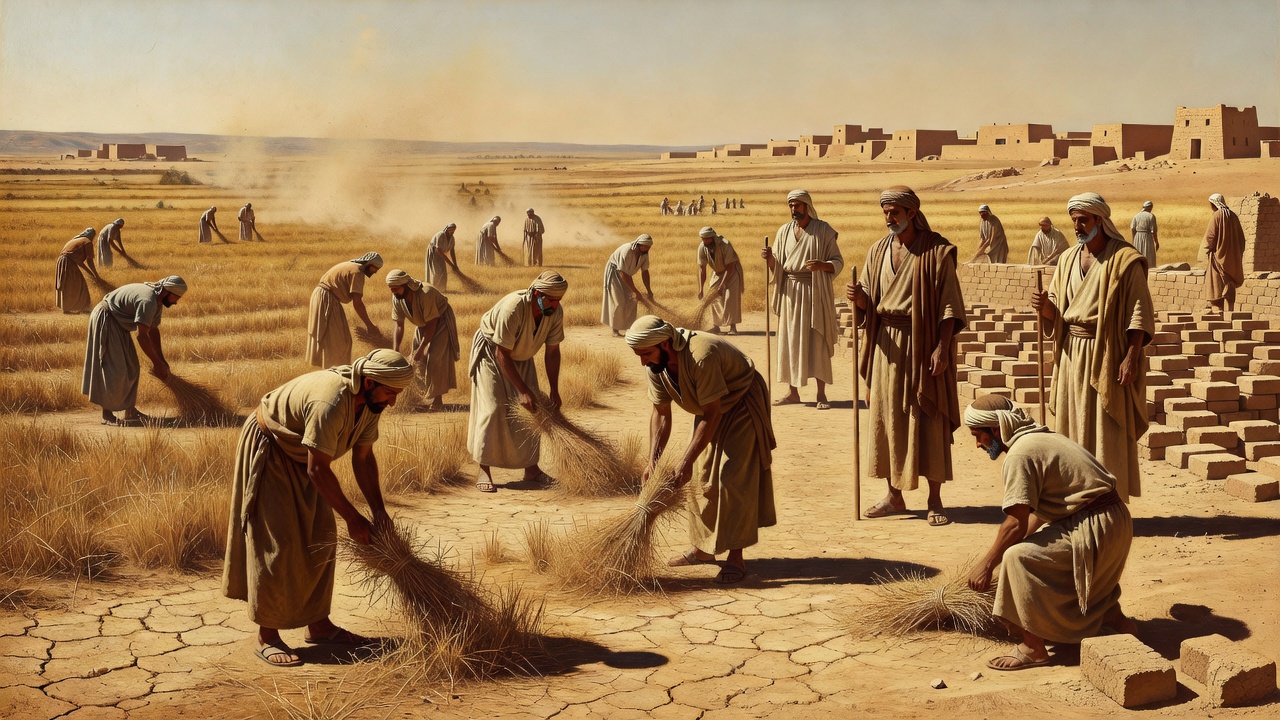
7—Tala'chka kösi e' kë̀ tsa̱rbitu̱ia̱ Israel aleripa a̱ ska̱u̱chka shtrót shtrót yuoie we̱s se' tö ikanewè̱rö es. A̱s ie'pa wákpa mi' itsu̱k. 8Erë ikö́rak iyuök ko̱s ke̱kraë iyuekerakitö ekkë, kë̀ wöarwa yës. Ie'pa bikënak ë̀ tai̱ë, e' kue̱ki̱ ie'pa a̱rkerak: ‘¡Mishka iyiwak ña'u̱k se' Këköl a̱!’ 9Ie'pa kí̱ kö́ kaneblök darërëë. Kanè mú ie'pa a̱ tai̱ë a̱s kë̀ itö ka̱chè iu̱tö̀.
10Eta̱ ikanè wökirpa míyal ta̱ ichéitörak Israel aleripa a̱: —Egipto blu' tö ka̱wö mé tö kë̀ a' a̱ tala'chka kösi tsa̱rbitu̱ia̱. 11I̱'ñe ta̱ a' wakpa ka̱wöta̱ iyulök wé̱ a' ikué̱, e̱'ma ee̱ itsú̱bitu̱. Erë a' ka̱wöta̱ iyuök ko̱s a' iyueke ke̱net ekkë, kë̀ wöarwa.
12Eta̱ Israel aleripa mía̱ Egipto ká̱ wa'ñe ka̱chka ëse yulök tala'chka skéie. 13Kanè wökirpa tö ikérak kaneblök kësik wa ta̱ ichekerakitö ie'pa a̱ ke̱kraë: “A' tö iyuö́ ko̱s a' tö iyueke ke̱net mik sa' tö tala'chka mekeia̱ a' a̱ ekkë.” 14Egiptowak tö Israel aleripa we̱lepa me'ka̱ ñì wökirie. E'pa ppeke egiptowak tö ttsa' bata wa ta̱ ichekerakitö ie'pa a̱:
—¿Ì kue̱ki̱ a' kë̀ wa̱ iyöne chkì ena i̱'ñe we̱s ke̱net es?
15Eta̱ Israel aleripa kanè wökirpa míyal kköchök Egipto blú wöa̱. Ie'pa tö iché ia̱:
—A këkëpa. ¿Ì kue̱ki̱ be' tö be' kanè mésopa we'ikè es? 16Tala'chka kë̀ mèneia̱ sa' a̱, erë ie'pa ki̱ ikiane tö sa' tö iyuè ko̱s sa' a̱ tala'chka merkeia̱ ta̱ iyörke ekkë. Ie'pa tö sa' ké kaneblök kësik wa. Ñies sa' ppekeitö sia̱rë. ¡A këkëpa, be' wakpa iane iwiie!
17Egipto blú tö ie'pa iu̱té:
—¡A' dör bikëwakpa wöchka! E' kue̱ki̱ a' icheke ke̱kraë: “¡Mishka ká̱ bánet iyiwak ña'u̱k Jehová a̱!” 18¡A' yúshka kaneblök! Erë́ kë̀ tala'chka kösi merku̱'ia̱ a' a̱, erë a' ka̱wöta̱ iyuök ko̱s ke̱net a' tö iyueke ekkë.
19Mik Israel aleripa kanè wökirpa a̱ iyëne tö ie'pa ka̱wöta̱ iyuök ke̱kraë ko̱s iyuekerakitö ke̱net ekkë, eta̱ ie'pa e̱riane tai̱ë. 20Ie'pa e̱' yélur Egipto blú ska' de wé̱ Moisés ena Aarón tso' ie'pa panuk ee̱. 21Ie'pa tö iché ia̱rak:
—Ì wamblé a' tö sa' ki̱ e' kue̱ki̱ a̱s Jehová tö a' we'ikö̀. Egipto blú ena ikue̱blupa e'pa é̱na sa' a̱r suluë. A' iane iwiie. E' dör we̱s a' wakpa tö tabè mé ie'pa a̱ a̱s sa' ttö̀wa̱ ie'pa tö es.
Moisés kköché Skëköl a̱
22Eta̱ Moisés tö iché Jehová a̱:
—A Jehová. ¿Iö́k be' tö Israel aleripa we'ikeke sia̱rë? ¿Iö́k be' tö ye' patkë'bitu̱ í̱e̱? 23Mik ye' dë'bitu̱ ttök Egipto blú ta̱' be' ttö̀ wa, eta̱ ie' tö wé̱pa dör be' icha e'pa kí̱ we'iké sia̱rë. Dö̀ ikkë ta̱ iweirkeia̱ iwák su̱ë. Erë be' kë̀ wa̱ ì o̱ne yës ie'pa tsa̱tkoie.
Você sabia?
Trabalho mais duro depois da recusa do faraó
- O Easton's Bible Dictionary (1897) diz que o faraó do Êxodo foi provavelmente Menephtah I, o décimo quarto e mais velho filho sobrevivente de Ramsés II, mas trata a identificação como uma questão ainda em aberto: alguns estudiosos, observa a obra, preferem Seti II, cujo reinado ela descreve como iniciado em paz e terminado num desastre repentino. O verbete diz que ele residia em Zoã, onde recebeu Moisés e Arão nas audiências registradas em Êxodo.Fontes: Pharaoh (of the Exodus) · o próprio texto bíblico
- O Easton's Bible Dictionary (1897) situa a chegada de Jacó ao Egito provavelmente cerca de 350 anos antes do nascimento de Moisés. Diz que um rei hicso, de um povo semita pastoril da Ásia e chamado rei pastor, recebeu a família com favor e lhes destinou Gósen, a melhor terra; neste capítulo o faraó trata o povo de Israel, já numeroso, como trabalhadores que não pretende deixar partir.Fontes: Moses · o próprio texto bíblico
- O faraó responde ao pedido de celebrar uma festa no deserto deixando de fornecer a palha para os tijolos, mas ainda exigindo a mesma cota diária. O povo se espalha por toda a terra do Egito para recolher restolho, e os oficiais israelitas que os capatazes do faraó haviam posto sobre eles são espancados quando essa cota não é cumprida.Fontes: o próprio texto bíblico
Notas escritas com auxílio de IA a partir de fontes abertas (Theographic Bible Metadata, CC BY-SA 4.0; Easton’s Bible Dictionary, domínio público) e revisadas antes de publicar.
Lugares deste capítulo
Só aparecem lugares com identificação de alta confiança (90% ou mais segundo as fontes acadêmicas reunidas pelo OpenBible). Mapa da época: DARE (Digital Atlas of the Roman Empire), CC BY 4.0; mapa atual: © colaboradores do OpenStreetMap; lugares: OpenBible.info (CC BY 4.0).
Créditos e licença desta tradução
Tte Pa̱'a̱li̱ Me' Skëköl tö Se' a̱
New Testament and Shorter Old Testament in Bribri (CS:bzd:Bribri)
copyright © 2010 Wycliffe Bible Translators, Inc.
Language: Bribri
Translation by: Wycliffe Bible Translators, Inc.
Bribri
bzd
Costa Rica
Copyright Information
© 2010, Wycliffe Bible Translators, Inc. All rights reserved.
This translation text is made available to you under the
terms of the Creative Commons License: Attribution-Noncommercial-No Derivative Works.
( http://creativecommons.org/licenses/by-nc-nd/3.0/ )
In addition, you have permission to port the text to different file formats, as long as you
do not change any of the text or punctuation of the Bible.
You may share, copy, distribute, transmit, and extract portions
or quotations from this work, provided that you include the above copyright
information:
You must give Attribution to the work.
You do not sell this work for a profit.
You do not make any derivative works that change any of the actual words or punctuation of the Scriptures.
Permissions beyond the scope of this license may be
available if you contact
us with your request.
The New Testament and Shorter Old Testament
in Bribri
© 2010, Wycliffe Bible Translators, Inc. All rights reserved.
This translation is made available to you under the terms of the
Creative Commons Attribution-Noncommercial-No Derivatives license 4.0.
You may share and redistribute this Bible translation or extracts from it in any format, provided that:
You include the above copyright and source information.
You do not sell this work for a profit.
You do not change any of the words or punctuation of the Scriptures.
Pictures included with Scriptures and other documents on this site are licensed just for use with those Scriptures and documents.
For other uses, please contact the respective copyright owners.
2014-04-22
Fonte: http://ebible.org/bzdNTpo/ · eBible.org