Jonas 4
Buka Tabuna Tefadi · Toque num versículo para ver as referências cruzadas.
Diyona ya Manabala, na Yaubada ya Nuwatohatoha
1Nuwatuhuna ni Diyona hige i fanuha, be ya famala ena manabala.
2Yo fede, ya lauꞌuꞌula, iyen,
Guyau, doha haꞌa E falibam, fuyana hola hige egu nuꞌu ya lau afulen mate, bena doha ite wa ginauli?
Logena be E gela E lau Sipani!
E siba mate, um tauꞌulu yo nuwatohatoha Yaubadana. Fuya ouꞌouli wa nuwa talu, wa tauꞌulu, ma nuwa ofi fahim, yo fuya ouꞌouli hinaga nuwam wa bui, be ibege heyaheyaya u ginaulidi.
3Guyau, aho te, E falibam ibe wa lau funuhigu mate, ya loholoho!
4Yaubada wa, Diyona alinana ya bui, iyen,
Em dudulai somo be wa manabala?
5Diyona ya finahe hasa duhu balabalamumuna ganamulina yai ya taꞌai.
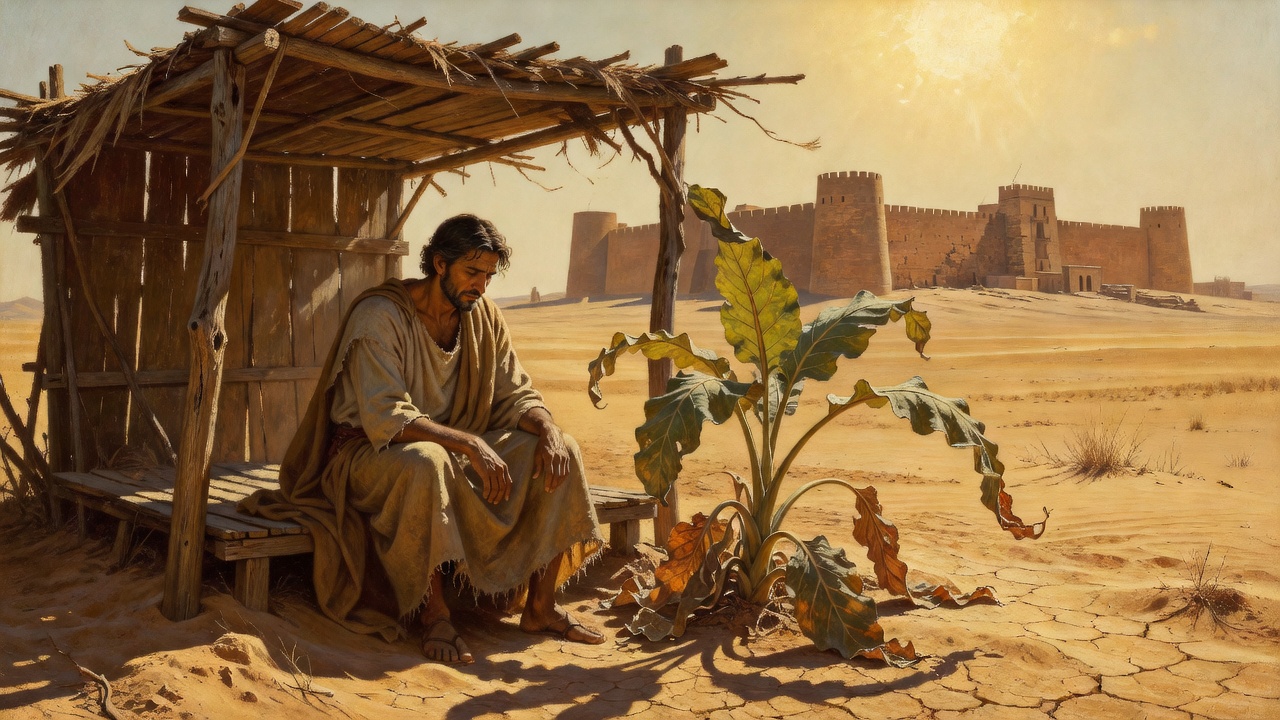
Mulina yai ena gwaꞌu ya pei, be ya anlogulogu. Habahim ya bagibagi haba somo Ninewa ai lisidi ya tubu bena ya ita. |alt="Diyona ya anlogulogu" src="32_Jon_04_03_RG.jpg" size="col" loc="Jonah 4:5-7-" ref="4:5"
6Habahim, Yaubada ya liba be mahina hudoꞌi ya in hasa, be Diyona ya faꞌanlogulogu, haba kamnana ya loholoho. Diyona nuwana ya amna wananaha mahina lisina yai.
7Bobonna ya ifi tatatali, Yaubada ena nuwatuhu yai, mwatamwata mahina wa ya faheyaya, yo fede, ya peꞌi.
8Maihala haꞌa ya kepama, Yaubada bolibolima gigibwalina ya fatowa, yo maihala gigibwalina Diyona kuluna ya sinai, be egoba ya tau peꞌipeꞌi, na iyen,
Ibe E peꞌi mate, ya loholoho.
9Yo fede, Yaubada ya libalau lisina, iyen,
Em dudulai somo be mahina te wa luluwen?
Alinana Diyona ya bui, iyen,
Maꞌegu dudulai be E manabala. Manabalana ni, ibe ya kamfunuhigu!
10Yaubada ya libalau lisina, iyen,
Mahina ni maihona esega ganahewana yai ya in, na bobonna ya peꞌi. Um hige somo u ginauli lisina yai, yo hige u faꞌin.
11Egu nuwatohatoha laꞌina haba doha somo, Ninewa duhu balabalamumuna ni ai lisidi? In moho ganahewana yai mate, dodoga loholohodi 120,000 ya diꞌoi, yo edi yosiyosi hinaga oulina doha.
Você sabia?
A ira de Jonas e a compaixão de Deus
- Jonas admite que originalmente tentou fugir em direção a Társis justamente por saber que Deus é misericordioso, compassivo, tardio em irar-se e pronto a desistir do castigo. Sua indignação surgiu quando Deus decidiu poupar Nínive em vez de destruí-la.Fontes: o próprio texto bíblico · Tarshish
- Nínive, a florescente capital do Império Assírio, é descrita ao final do livro como lar de mais de 120.000 pessoas incapazes de discernir entre a mão direita e a esquerda, além de muitos animais. Deus destaca essa vasta população para contrastar a compaixão divina com a preocupação de Jonas por uma única planta ressequida.Fontes: o próprio texto bíblico · Nineveh
Notas escritas com auxílio de IA a partir de fontes abertas (Theographic Bible Metadata, CC BY-SA 4.0; Easton’s Bible Dictionary, domínio público) e revisadas antes de publicar.
Lugares deste capítulo
- Nineveh · 36.359, 43.153 · versículo 11
Só aparecem lugares com identificação de alta confiança (90% ou mais segundo as fontes acadêmicas reunidas pelo OpenBible). Mapa da época: DARE (Digital Atlas of the Roman Empire), CC BY 4.0; mapa atual: © colaboradores do OpenStreetMap; lugares: OpenBible.info (CC BY 4.0).
Créditos e licença desta tradução
Buka Tabuna Tefadi
Mark, Acts, and selected excerpts of the Old Testament in the Buhutu language of Papua New Guinea
Buk Baibel long tokples Buhutu long Niugini
copyright © 2015 Wycliffe Bible Translators, Inc.
Language: Buhutu
Translation by: Wycliffe Bible Translators
This translation is made available to you under the terms of the
Creative Commons Attribution-Noncommercial-No Derivatives license 4.0.
You may share and redistribute this Bible translation or extracts from it in any format, provided that:
You include the above copyright and source information.
You do not sell this work for a profit.
You do not change any of the words or punctuation of the Scriptures.
Pictures included with Scriptures and other documents on this site are licensed just for use with those Scriptures and documents.
For other uses, please contact the respective copyright owners.
2015-10-06
Fonte: http://png.bible/bxh/ · eBible.org