Isaías 50
Buka Tabuna Tefadi · Toque num versículo para ver as referências cruzadas.
Isalaela sa Lau Pono na Tau Paisowa ya Awaꞌabi
4Somo haba E libaen mate Guyau, Yaubada ya fasibagu,
be safalumadi sa nuwa belubelu E liba faꞌadidilidi.
Hwalahwalala ouꞌouli ya fanofanohigu
bena haba E ita lobahi be ena nuwatuhu E falau watan.
5Beyagu haꞌa ya soꞌedi
ena nuwatuhu hige ya ꞌwaiyoꞌoꞌen
yo hige ya tole mulimuliyen.
6Tauligu E nuwa afulen be tau talaigu amainiya sa oi,
na papaligu E feledi be sapulagu sa laꞌa fahidi;
E itaꞌita lau lebedi na sa lau kanikanisoigu yo sa liuliuhwaꞌegu. (Maleko 14:65)
7In moho Guyau Yaubada ya saguhigu
logena, dodoga ibege ti ita faheyayagu,
somo haba E fahoina mate nuwagu ya adidili,
na E siba ibege ya taumayamaya.
8In, sai ya ita faloholohogu, mate sadaigu yai.
Maihalana yai haba sai ya sadigu?
Haga ta lau fatala! Tau fagilugu sai?
Au ita afulen be i liba mataigu!
9Guyau Yaubada In tau sagusaguhigu.
Safalumadi sa fagilugu?
Tau fafagilugu haba sa tauyamuhi;
doha kwalikwali kaleko sa anidi.
Você sabia?
O Servo Obediente e a Vindicação Divina
- Nos costumes jurídicos do antigo Oriente Próximo, o marido emitia uma certidão de divórcio para formalizar a separação, e devedores empobrecidos podiam entregar seus filhos à servidão. Em Isaías 50:1, Deus utiliza essas metáforas legais para demonstrar que Israel não foi abandonado por causa de uma dívida divina ou cancelamento definitivo da aliança, mas sim por causa de suas próprias transgressões.Fontes: o próprio texto bíblico
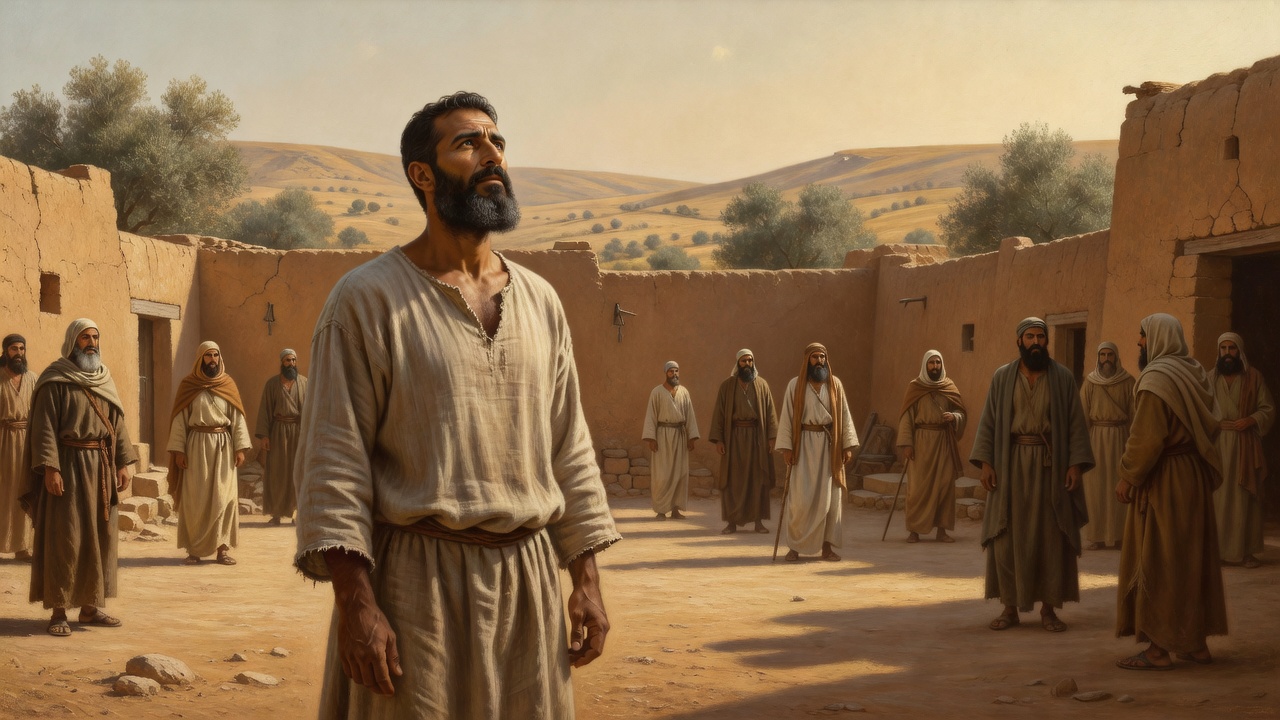
- O interlocutor em Isaías 50:4–7 retrata a postura de um discípulo atento que suporta voluntariamente maus-tratos físicos, incluindo açoites, o arrancamento da barba e cusparadas. Pôr o rosto 'como um seixo' ou pederneira é uma expressão que denota determinação inabalável e confiança incondicional em Deus perante a vergonha pública e a hostilidade.Fontes: o próprio texto bíblico
Notas escritas com auxílio de IA a partir de fontes abertas (Theographic Bible Metadata, CC BY-SA 4.0; Easton’s Bible Dictionary, domínio público) e revisadas antes de publicar.
Créditos e licença desta tradução
Buka Tabuna Tefadi
Mark, Acts, and selected excerpts of the Old Testament in the Buhutu language of Papua New Guinea
Buk Baibel long tokples Buhutu long Niugini
copyright © 2015 Wycliffe Bible Translators, Inc.
Language: Buhutu
Translation by: Wycliffe Bible Translators
This translation is made available to you under the terms of the
Creative Commons Attribution-Noncommercial-No Derivatives license 4.0.
You may share and redistribute this Bible translation or extracts from it in any format, provided that:
You include the above copyright and source information.
You do not sell this work for a profit.
You do not change any of the words or punctuation of the Scriptures.
Pictures included with Scriptures and other documents on this site are licensed just for use with those Scriptures and documents.
For other uses, please contact the respective copyright owners.
2015-10-06
Fonte: http://png.bible/bxh/ · eBible.org