Isaiah 50
Buka Tabuna Tefadi · Tap a verse to see its cross-references.
Isalaela sa Lau Pono na Tau Paisowa ya Awaꞌabi
4Somo haba E libaen mate Guyau, Yaubada ya fasibagu,
be safalumadi sa nuwa belubelu E liba faꞌadidilidi.
Hwalahwalala ouꞌouli ya fanofanohigu
bena haba E ita lobahi be ena nuwatuhu E falau watan.
5Beyagu haꞌa ya soꞌedi
ena nuwatuhu hige ya ꞌwaiyoꞌoꞌen
yo hige ya tole mulimuliyen.
6Tauligu E nuwa afulen be tau talaigu amainiya sa oi,
na papaligu E feledi be sapulagu sa laꞌa fahidi;
E itaꞌita lau lebedi na sa lau kanikanisoigu yo sa liuliuhwaꞌegu. (Maleko 14:65)
7In moho Guyau Yaubada ya saguhigu
logena, dodoga ibege ti ita faheyayagu,
somo haba E fahoina mate nuwagu ya adidili,
na E siba ibege ya taumayamaya.
8In, sai ya ita faloholohogu, mate sadaigu yai.
Maihalana yai haba sai ya sadigu?
Haga ta lau fatala! Tau fagilugu sai?
Au ita afulen be i liba mataigu!
9Guyau Yaubada In tau sagusaguhigu.
Safalumadi sa fagilugu?
Tau fafagilugu haba sa tauyamuhi;
doha kwalikwali kaleko sa anidi.
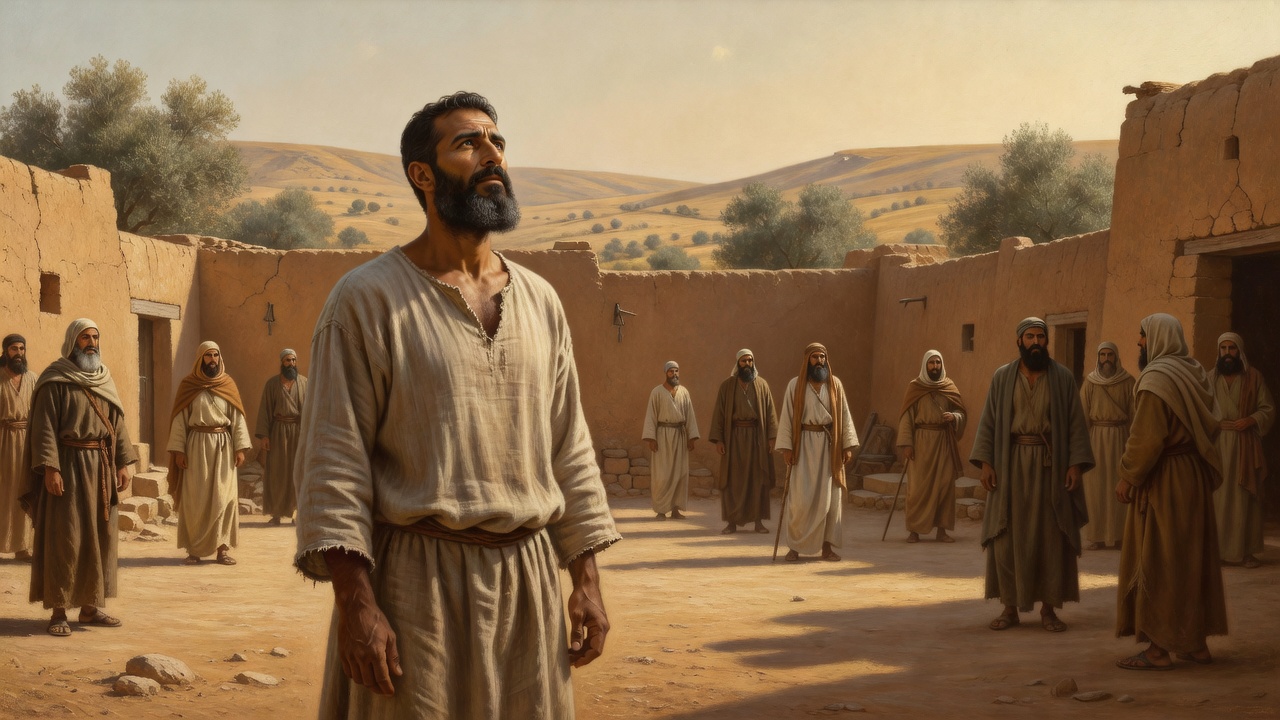
Did you know?
The Obedient Servant and Divine Vindication
- In ancient Near Eastern legal custom, a husband issued a certificate of divorce to formalize a separation, and impoverished debtors might sell their children into servitude. In Isaiah 50:1, God uses these legal metaphors to demonstrate that Israel was not abandoned due to a divine debt or permanent annulment of the covenant, but went into exile because of its own transgressions.Sources: the Bible text itself
- The speaker in Isaiah 50:4–7 portrays the posture of an attentive disciple who willingly endures physical maltreatment, including beatings, the plucking of his beard, and being spat upon. Setting one's face 'like flint' is a vivid idiom signifying resolute determination and steadfast trust in God despite public shame and hostility.Sources: the Bible text itself
Notes written with AI assistance from open sources (Theographic Bible Metadata, CC BY-SA 4.0; Easton’s Bible Dictionary, public domain) and reviewed before publishing.
Credits and license for this translation
Buka Tabuna Tefadi
Mark, Acts, and selected excerpts of the Old Testament in the Buhutu language of Papua New Guinea
Buk Baibel long tokples Buhutu long Niugini
copyright © 2015 Wycliffe Bible Translators, Inc.
Language: Buhutu
Translation by: Wycliffe Bible Translators
This translation is made available to you under the terms of the
Creative Commons Attribution-Noncommercial-No Derivatives license 4.0.
You may share and redistribute this Bible translation or extracts from it in any format, provided that:
You include the above copyright and source information.
You do not sell this work for a profit.
You do not change any of the words or punctuation of the Scriptures.
Pictures included with Scriptures and other documents on this site are licensed just for use with those Scriptures and documents.
For other uses, please contact the respective copyright owners.
2015-10-06
Source: http://png.bible/bxh/ · eBible.org