Oseias 9
Luda yã takada kũ Bisã yão · Toque num versículo para ver as referências cruzadas.
Yinni Gusunɔn tɔmbu
bɑ koo kpuro biɑ
1Bɛɛ Isirelibɑ, i ku tɔ̃ɔ bɑkɑru ko gɛ̃ɛbun sɑɑ sɔɔ
nge bwese ni nu tie.
Domi i Yinni Gusunɔ biru kisi.
Mɑ i dɑ i bũnu gɑsirimɔ
i nu siɑrɑmɔ mi bɑ ɑlikɑmɑ soomɔ kpuro.
2Adɑmɑ ɑlikɑmɑ ye bɑ soomɔ kɑ gum mɛ bɑ gɑmɑmɔ,
yen gɑɑ kun ko n sɑ̃ɑ bɛɛgiɑ.
Mɛyɑ i ǹ tɑm kpɑm wɑsi i wunɑ.
3Isirelibɑ bɑ ǹ sinɑmɔ tem mɛ Yinni Gusunɔ u bu wɛ̃ sɔɔ.
Bɑ koo wurɑmɑ Egibitiɔ ǹ kun mɛ Asiriɔ.
Kpɑ bu dĩɑ sesenuginu di mi.
4Sɑɑ ye sɔɔ, bɑ ǹ mɑɑ kpɛ̃ bu yɑ̃kuru ko kɑ tɑm.
Bɑɑ bɑ̀ n tu kuɑ,
tɑ ǹ Gusunɔ wɛ̃remɔ.
Ben yɑ̃ku dĩɑnu nu ko n sɑ̃ɑwɑ nge gɔɔ dĩɑnu.
Wi u nu di, u koo disi duurɑwɑ.
Dĩɑ ni, nu koo win gɔ̃ɔru kpeesiɑ.
Adɑmɑ bɑ ǹ kɑ ye duɔ Yinni Gusunɔn sɑ̃ɑ yerɔ.
5Mbɑ i ko ko Yinni Gusunɔn tɔ̃ɔ bɑkɑnu sɔɔ.
6Ì n bɛɛn yɛnusu deri bɑnsu,
Egibitigibɑ koo bɛɛ dɑm koosiɑ ben mi.
Adɑmɑ yen wuu ge bɑ mɔ̀ Mɛnfisi gɑ ko n sɑ̃ɑwɑ nge bɛɛn sikiru.
Awĩi yi koo bɛɛn ɑrumɑni di.
Kpɑ sɑ̃ki yi kpi bɛɛn kunɔ.
7Sɑɑ yɑ turɑ yè sɔɔ Yinni Gusunɔ u koo siri.
Sɑɑ yɑ tunumɑ yè sɔɔ u koo bɑɑwure kɔsiɑ ye u kuɑ.
Bɛɛ Isirelibɑ i ko ye wɑ.
Wee bɛɛn torɑnu kɑ bɛɛn tusirun kpɑ̃ɑrun sɔ̃,
i rɑ n tɑmɑɑ Gusunɔn sɔmɔ u wiirɑwɑ.
Wi, wi Yinni Gusunɔ u kɑ gɑri kuɑ u tɑm nɔrɑwɑ.
N deemɑ bɛɛ, i torewɑ n kpɑ̃, mɑ i nùn tusɑ.
8Adɑmɑ sɔmɔ wi u bɛɛ kirɔ mɔ̀,
u wɑ̃ɑ kɑ Gusunɔ.
Kɑ mɛ, i nùn yinɑ bɛriɑmmɛ mi u dɔɔ kpuro.
I rɑ mɑm nùn seesiwɑ Gusunɔ win Yinnin sɑ̃ɑ yerɔ.
9Wee i dɑ i kɔ̃sɑ kuɑ nge mɛ i rɑɑ kuɑ Gibeɑɔ.
Yinni Gusunɔ kun bɛɛn torɑnu duɑri.
U koo bɛɛ sɛɛyɑsiɑ nin sɔ̃.
Yinni Gusunɔ u nuki sɑnkirɑ
10Yinni Gusunɔ u nɛɛ, sɑnɑm mɛ nɑ gbiɑ nɑ Isirelibɑ wɑ,
nɛn nɔni sɔɔ, bɑ sɑ̃ɑwɑ nge resɛm mɑrum
mɛ bɑ wɑ mi gɑ̃ɑnu ku rɑ kpi.
Mɑ nɑ mɑɑ ben bɑɑbɑbɑ wɑ nge figie mɑrum gbiikum.
Adɑmɑ ye bɑ tunumɑ Bɑɑli Peoriɔ,
miyɑ bɑ tii bũu wi bɑ mɔ̀ Bɑɑli wɛ̃.
Mɑ nɑ bu tusɑ nge bũu wi.
11Tɛ̃ Isirelibɑn bɛɛrɛ yɑ koo doonɑ nge gunɔ mɔrin wuuru.
Ben kurɔbu bɑ ǹ mɑɑ guri suɑmɔ bu sere mɑ.
12Bɑ̀ n mɑɑ bibu seeyɑ, kon de bu gbiwɑ bu sere bukurɑ.
Bɑ koo wɑhɑlɑ bɑkɑ wɑ nɑ̀ n bu biru kisi.
13Nge mɛ nɑ Isirelibɑ wɑɑsinɑmɔ,
bɑ sɑ̃ɑwɑ nge dɑ̃ɑ
ni bɑ duurɑ tem gem sɔɔ.
Adɑmɑ bɑ koo ben bibu yibɛrɛbɑ nɔmu bɛriɑ
be bɑ koo bu go.
14Osee u nɛɛ, Yinni Gusunɔ, bɑ̀ n koo Isirelibɑ sɛɛyɑsiɑ,
sɛɛyɑsiɑ birɑ̀ bɑ koo gɔsi.
A de ben kurɔbu bu nukuru yɑri,
kpɑ ben bwɑ̃su su gberɑ.
15Yinni Gusunɔ u nɛɛ,
geemɑ ben nuku kɔ̃suru kpuro tɑ sɔ̃ɔsirɑ Giligɑliɔ.
Miyɑ nɑ bu wɑ mɑ nɑ bu tusɑ.
Kon bu girɑ nɛn wuswɑɑn di ye bɑ kuɑn sɔ̃.
Nɑ ǹ mɑɑ bu kĩ.
Domi ben sinɑmbu kpurowɑ bɑ mɑn seesimɔ.
16Nɑ be, Isirelibɑ sɛɛyɑsiɑ.
Bɑ sɑ̃ɑ nge dɑ̃ɑ te tɑ gberɑ nuurun di kpuro.
Tɑ ǹ mɑɑ binu mɑrumɔ.
Bɑɑ bɑ̀ n mɑɑ bibu mɑrɑ, kon de bii be bɑ kĩ mi, bu gbiwɑ.
17Osee u nɛɛ, Gusunɔ nɛn Yinni u bu yinɑ
yèn sɔ̃ bɑ ǹ win gɑri swɑɑ dɑki.
Bɑ koo kowɑ yɑɑyɑɑre kowobu bwesenun suunu sɔɔ.
Você sabia?
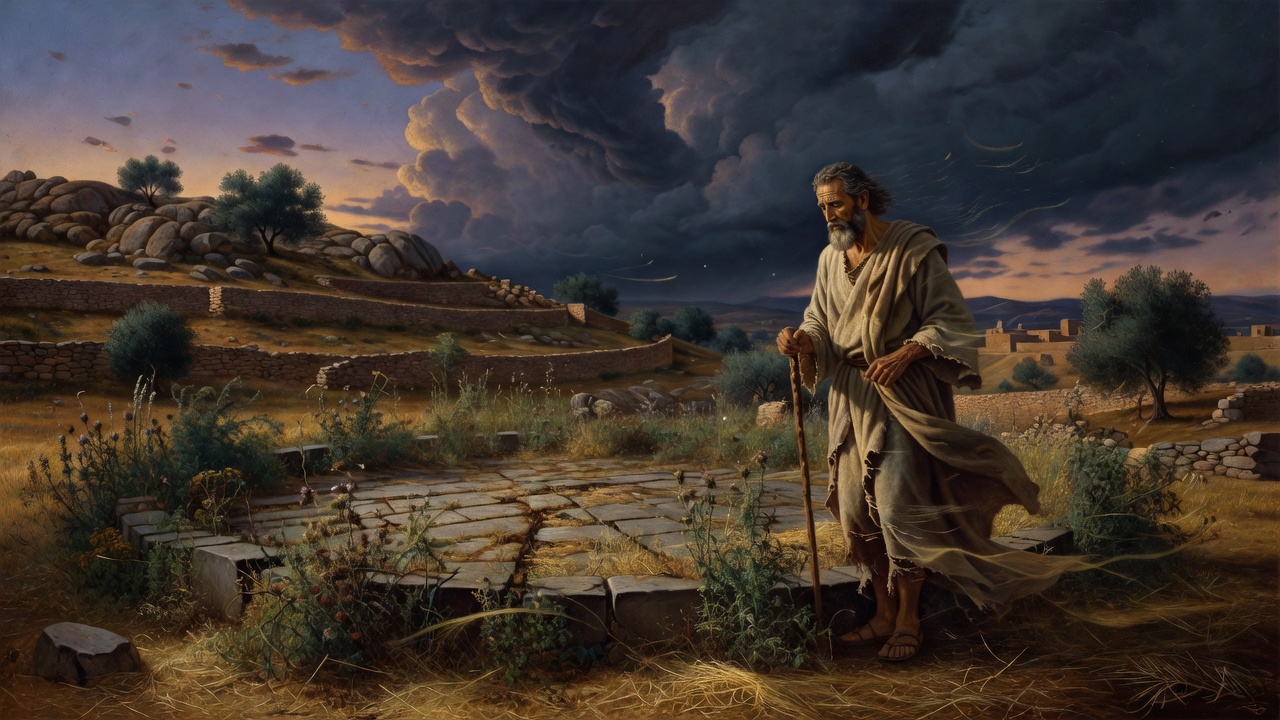
Julgamento e a perda de fertilidade
- Oseias relembra dois fracassos notórios na história de Israel: a adoração em Baal-Peor, onde os israelitas se apegaram à divindade moabita, e os dias de Gibeá, uma atrocidade registrada em Juízes 19–20 que quase extinguiu a tribo de Benjamim.Fontes: o próprio texto bíblico · Baal-peor · Gibeah
- O capítulo adverte sobre o exílio na Assíria e a fuga para o Egito, declarando que Mênfis (no hebraico Mof), a antiga capital do Baixo Egito, se tornaria a sepultura do povo desalojado.Fontes: o próprio texto bíblico · Memphis · Egypt · Assyria
- O nome Efraim significa dupla fertilidade, em referência ao segundo filho de José nascido no Egito. Oseias destaca a trágica reversão dessa herança, anunciando que a raiz de Efraim secou e que a nação não gerará mais frutos.Fontes: o próprio texto bíblico · Ephraim
Notas escritas com auxílio de IA a partir de fontes abertas (Theographic Bible Metadata, CC BY-SA 4.0; Easton’s Bible Dictionary, domínio público) e revisadas antes de publicar.
Lugares deste capítulo
- Assyria · 36.359, 43.153 · versículos 3, 6
- Egypt · 30.129, 31.308 · versículos 3, 6
- Memphis · 29.849, 31.253 · versículo 6
- Tyre · 33.271, 35.196 · versículo 13
Só aparecem lugares com identificação de alta confiança (90% ou mais segundo as fontes acadêmicas reunidas pelo OpenBible). Mapa da época: DARE (Digital Atlas of the Roman Empire), CC BY 4.0; mapa atual: © colaboradores do OpenStreetMap; lugares: OpenBible.info (CC BY 4.0).
Créditos e licença desta tradução
Luda yã takada kũ Bisã yão
Portions of the Holy Bible in the Busa language of Nigeria
copyright © 2005 SIM International
Language: Bisã (Busa)
Translation by: SIM
This translation text is made available to you under the
terms of the Creative Commons License: Attribution-Noncommercial-No Derivative Works.
( http://creativecommons.org/licenses/by-nc-nd/3.0/ )
In addition, you have permission to port the text to different file formats, as long as you
do not change any of the text or punctuation of the Bible.
You may share, copy, distribute, transmit, and extract portions
or quotations from this work, provided that you include the above copyright
information:
You must give Attribution to the work.
You do not sell this work for a profit.
You do not make any derivative works that change any of the actual words or punctuation of the Scriptures.
Permissions beyond the scope of this license may be
available if you contact
us with your request.
This translation is made available to you under the terms of the
Creative Commons Attribution-Noncommercial-No Derivatives license 4.0.
You may share and redistribute this Bible translation or extracts from it in any format, provided that:
You include the above copyright and source information.
You do not sell this work for a profit.
You do not change any of the words or punctuation of the Scriptures.
Pictures included with Scriptures and other documents on this site are licensed just for use with those Scriptures and documents.
For other uses, please contact the respective copyright owners.
2014-10-10
Fonte: http://ebible.org/bqp/ · eBible.org