Atos 3
Deus Itaumbyry · Toque num versículo para ver as referências cruzadas.
Pedro, João warâ Deus eon-honrugue adakobâdânry kua nhetobyry
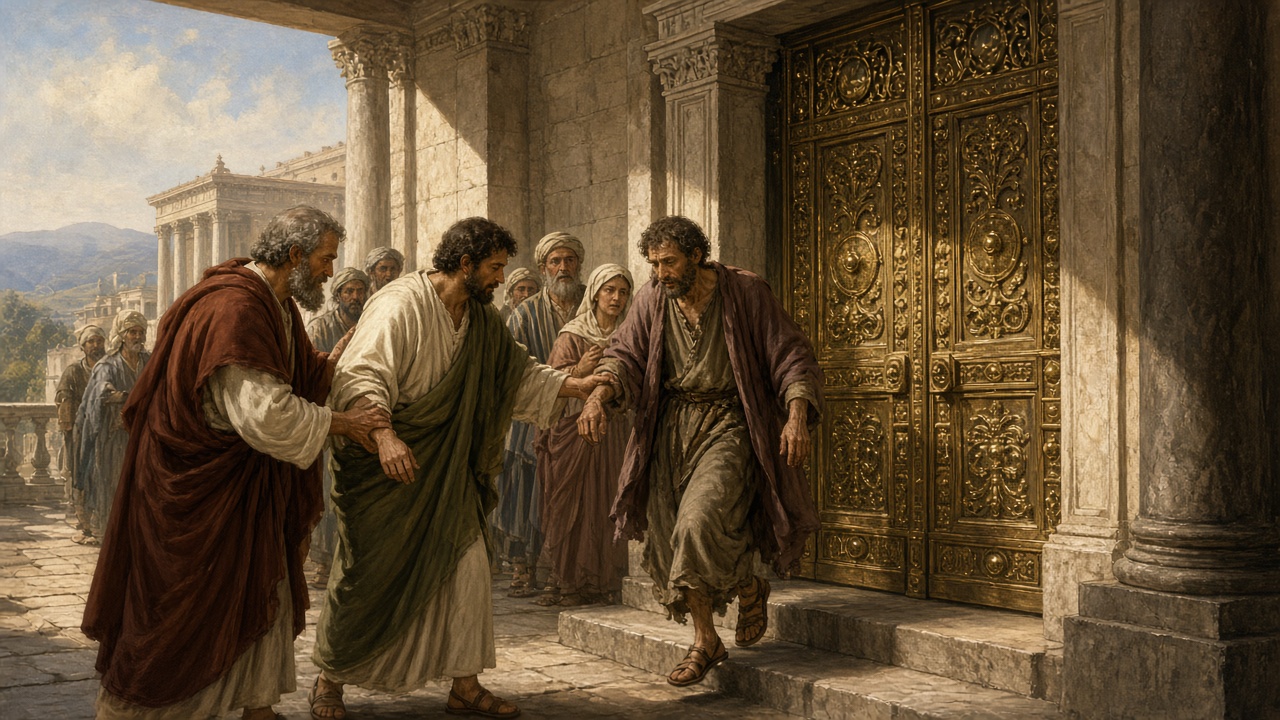
1Três horas kogonekâ, judeu domodo Deus agâ agueho oday myani Pedro, João warâ Deus ety odaji idâlymo. 2Târâ myani uguondo adakobâdânry nhedylymo, ihuru, ipaunru warâ tywyke iazeypy. Kopaelâgâembaba myani eataen-ho modo nhadyly Deus ety iwyantaji, “Portão Iwâkuru” kehoram. Târâ myani ekadybyem tawyly ume, Deus ety odaji egawânni modo nhekaendyly:
— Ytyendaungâ. Ydinheruru wao âunduwâtaungâ — kely.
3Aituo myani Pedro, João warâ egawândyly. Akaemo tientuo myani aguely:
— Ydinheruru wao âunduwâtaungâ — kely.
4Agueduo azakâlâ eyam MYK idylymo. Pedro aguely eyam:
— Xinaram MYK ikâ — kely.
5Agueduo myani mâkâ uguondo MYK idyly eyanmo.
— Ydinheruru nhudulymo wâne isenra — kely tyangahu oday.
6Warâ olâ myani Pedro aguely:
— Tydinherugunepa urâ. Dinheru takaze kehoem koendonro olâ ise âyam kâunduly. Jesus Cristo Nazaré donro eon-honrugue âyam auguely: “Aukâ. Adakobâgâ warâ” — kely.
7Agueypyem myani Pedro mâkâ uguondo emary aho eynynonro wâgâ nhawâdyly, sautoem. Ilâ umelâ kehoem myani mâkâ uguondo saudyly, adakobâdyly warâ. 8Kua itybyem tawylygue, tuomarugue tadameze kehoem myani Deus ety idaseraji idâly, Pedro, João warâ agâ. Warâ myani aguely:
— Deus, koendonro kehoem âmâ, kua yetai — kely.
9Idânârâ tonlo modo emâmomy mâkâ adakobâdyly, adamely warâ. Deus koendonroem awyly wâgâ aguely tydasemo lâpylâ myani. 10Âseguâdâmâmomy mâkâ koendâ adakobâdyly tientuomo. Aituo myani âjigue aguelymo:
— Mâkâ pyantano adakobâdânrybyrylâ awâkâ. Aunlolâ inanry sakadaynrim modo nhekaendyly. Etaungâ! Adakobâdyly, adamely warâ aidyly! Ânguy nheinwânkylyemba lâgâlâ! — kelymo. |src="cn01896B.tif" size="col" loc="Acts 3:1-10" copy="© 1978 David C. Cook Publishing Co." ref="Atos 3.1-10"
Deus ety idaseray Pedro aguehobyry
11Mâkâ uguondo adakobâdânrybyry Pedro, João warâ agâ tâise lelâ myani; Alpendre de Salomão keho taserano oday myani akaemo azagâ tokalâ warâ. Mâkâ kua itobyry wâgâ tâsewânilymogue myani kurâ domodo tâgaune kehoem idâlymo eyanmo, kua ityby ese. 12Târâ toenzepa kurâdo âtâdyguyly tientuo myani Pedro aguely eyanmo:
— Nhaum, koendâ ydataungâ, kydamu Israel iweom. Tâseguâdâzeba itaungâ. Xina arâ kâzesedaundâ. Ton-honrugue inkâba enra xina merâ adakobâdânrybyry kua nhedyly. Xina koendonroem awylygue inkâba merâ adakobâdyly. 13Kydamudo Abraão, Isaque, Jacó warâ iDeusry enra Jesus eon-honrugue kua itoem aieni, koendonro, ton-honreim waunlo Jesus awyly tienehon-hoem. Tâmaryem myani Deus, Jesus ingonodyly.
— Alâ olâ keankâ pymâ modoram mâengamelymo, kruz wâgâ iguehoem. Pymâ Pilatos wâne keankâ tienagazenehondyzeba. “Kruz onwa sakâjien-hongâ iguehoem!” myguewâtaundâmo olâ. 14Koendonro, âdaini keba keankâ mâkâ Jesus. Pilatos nenagazenehomba itoem âkeá myguepa olâ mataunaguynre. “Kyârim Barrabás etaguehongâ. Jesus kruz onwa sakâjien-hongâ” myguelymo lelâ keankâ. 15Kyigueânehondânry keankâ iguedyse matomo.
— Deus kurâem nietondâ olâ-ro warâ. Jesus kurâem itybyem awyly, tutuze xina, tientobyry wâgâ, aguely tindatobyry wâgâ warâ. 16Merâ uguondo âdaunlopyry awyly koendâ tutuzelâ âmaemo. Jesus eon-honrugue olâ enra kua idyly. Koendâ adakobâdyly metaimolâ. Inumo angataylâ enra Jesus eon-honrugue kua idyly, Jesus adyese awyly xina nheinwândylygue.
17— Ypemugudo, âwymârymo agâ Jesus kruz onwa mankâjien-hondaymo, Jesus, Messiaslâ awyly mâuntuwâbyra keankâ akaemo. “Kruz wâgâ sakâjien-hongâ” myguedaymo, Deus Ingonotyby mâkâ awyly mâuntuba mawylymo xutu. 18“Kâinduakeyby âzenagazeoze, igueze warâ” kewânmy Deus, tytaumbyry egatuwâni modo aguehoem. Arâlâ keankâ anhenehonly, adâkehobyry ara aitoem. 19Âjityendaungâ, inakanhe amitomobyry wâgâ. Deus izepa ato aiedyly imowâdaungâ. Jesus einwântaungâ, inakanhe amitomobyry Deus nhygakehoem. 20Arâ aitaungâ, Pymâ Deus kua âetomoem lâpylâ, Jesus âyanmo ingonotoem warâ. Deus, “Messias igonose urâ einwânni modoram” kewânmy.
21— Iwerâ Jesus târâ Deus eydâ atodâ. Tytaumbyry egatuim modo aguehoem aguewânlâmy Deus: “Auguehobyry saintuo, idânârâ iweloem iese urâ” kewânmy. Adâkehobyry saintuo, Jesus igonotonze mâkâ. 22Iweâpa Moisés inweniby ara ise aidyly: “Tokalâ kypemugu âyanmo igonose Kywymâry Deus. Deus wâgâ ise mâkâ âyanmo aguely. Tunâry egatuze ugonodâ myara ise mâkâ ingonodyly lâpylâ. Idânârâ aguehobyry ara aitaungâ. 23Inakanhe kehoem ise Deus idânârâ tâinwândysebanrobyry modo nhenagazenehonly. Deus eynynonro modo duaypa ise akaemo tyguelâ. ‘Ynynonro keba asaemo’ keze mâkâ-ro warâ” kewândymy Moisés. Jesus onro anaxi naimpyra ataylâ myakâwândy inwenily.
24— Idânârâ myakâwândy akaemo saguhoem Deus itaumbyry egatuwânibyry modo Deus Ingonokyly saintuo aitaynrim modo wâgâ aguelymo. Samuel, eagonro modo warâ xirâ wâgâ aguewânmomy. 25Deus itaumbyry egatuwânibyry modo iweompyrylâ kurâ, âmaemo, xina lâpylâ warâ. “Koendonro âmaemoem xuduze urâ” kewândymy Deus kydamudoram. Eyanmo lelâba myakâwândy aguely, kyam lâpylâ warâ. Kydamu Abraãoram aguehobyry enanâguewâdaungâ: “Tokalâ âwerypyry ewy wâgâlâ ise idânârâ onro anano modo agâ koendâ wawyly” kehobyry.
26— Iweâpalâ “Messias igonose urâ” tâkehobyrylâ myakâwândy Deus, ingonokyly kurâ israelita domodoram. Koendâ kyese, kieinwântoem, inakanhe kydawyly kinmohoem warâ myani ingonodyly — kely myani Pedro târâ âtâdyguyby modoram.
Você sabia?
Cura e pregação no templo
- A porta do templo chamada Formosa, onde um homem coxo de nascença era colocado todos os dias para mendigar, é nomeada neste capítulo. Supõe-se que fosse a porta que ia do pátio dos gentios ao pátio das mulheres; era maciça e coberta com placas de latão coríntio.Fontes: Beautiful Gate · o próprio texto bíblico
- Depois da cura, a multidão admirada correu até Pedro e João no passeio chamado Pórtico de Salomão. Era uma colunata, ou claustro, provavelmente no lado oriental do templo; não é mencionada em conexão com o primeiro templo, mas Josefo menciona um pórtico com esse nome no templo de Herodes.Fontes: Solomon's Portico · o próprio texto bíblico
- No discurso ali, Pedro disse que o povo entregara Jesus e o rejeitara diante de Pilatos, embora Pilatos houvesse decidido soltá-lo. Um verbete de dicionário identifica Pôncio Pilatos como o sexto procurador romano da Judeia, de 26 a 36 d.C., com sede em Cesareia, embora subisse com frequência a Jerusalém; seu nome ganha destaque especial em conexão com o julgamento de Jesus.Fontes: Pontius Pilate · o próprio texto bíblico
Notas escritas com auxílio de IA a partir de fontes abertas (Theographic Bible Metadata, CC BY-SA 4.0; Easton’s Bible Dictionary, domínio público) e revisadas antes de publicar.
Lugares deste capítulo
- Beautiful Gate · Hoje: in Jerusalem · 31.777, 35.234 · versículos 2, 10
- Nazareth · 32.702, 35.298 · versículo 6
- Solomon’s Portico · Hoje: in Jerusalem · 31.777, 35.234 · versículo 11
Só aparecem lugares com identificação de alta confiança (90% ou mais segundo as fontes acadêmicas reunidas pelo OpenBible). Mapa da época: DARE (Digital Atlas of the Roman Empire), CC BY 4.0; mapa atual: © colaboradores do OpenStreetMap; lugares: OpenBible.info (CC BY 4.0).
Créditos e licença desta tradução
Deus Itaumbyry
New Testament in Bakairí
copyright © 2011 Wycliffe Bible Translators, Inc.
Language: Bakairí
Translation by: Wycliffe Bible Translators, Inc.
Copyright Information
© 2011, Wycliffe Bible Translators, Inc. All rights reserved.
This translation text is made available to you under the
terms of the Creative Commons License: Attribution-Noncommercial-No Derivative Works.
( http://creativecommons.org/licenses/by-nc-nd/3.0/ )
In addition, you have permission to port the text to different file formats, as long as you
do not change any of the text or punctuation of the Bible.
You may share, copy, distribute, transmit, and extract portions
or quotations from this work, provided that you include the above copyright
information:
You must give Attribution to the work.
You do not sell this work for a profit.
You do not make any derivative works that change any of the actual words or punctuation of the Scriptures.
Permissions beyond the scope of this license may be
available if you contact
us with your request.
The New Testament
in Bakairí
© 2011, Wycliffe Bible Translators, Inc. All rights reserved.
This translation is made available to you under the terms of the
Creative Commons Attribution-Noncommercial-No Derivatives license 4.0.
You may share and redistribute this Bible translation or extracts from it in any format, provided that:
You include the above copyright and source information.
You do not sell this work for a profit.
You do not change any of the words or punctuation of the Scriptures.
Pictures included with Scriptures and other documents on this site are licensed just for use with those Scriptures and documents.
For other uses, please contact the respective copyright owners.
2014-04-23
Fonte: http://ebible.org/bkqNT/ · eBible.org