Hechos 3
Deus Itaumbyry · Toca un versículo para ver sus referencias cruzadas.
Pedro, João warâ Deus eon-honrugue adakobâdânry kua nhetobyry
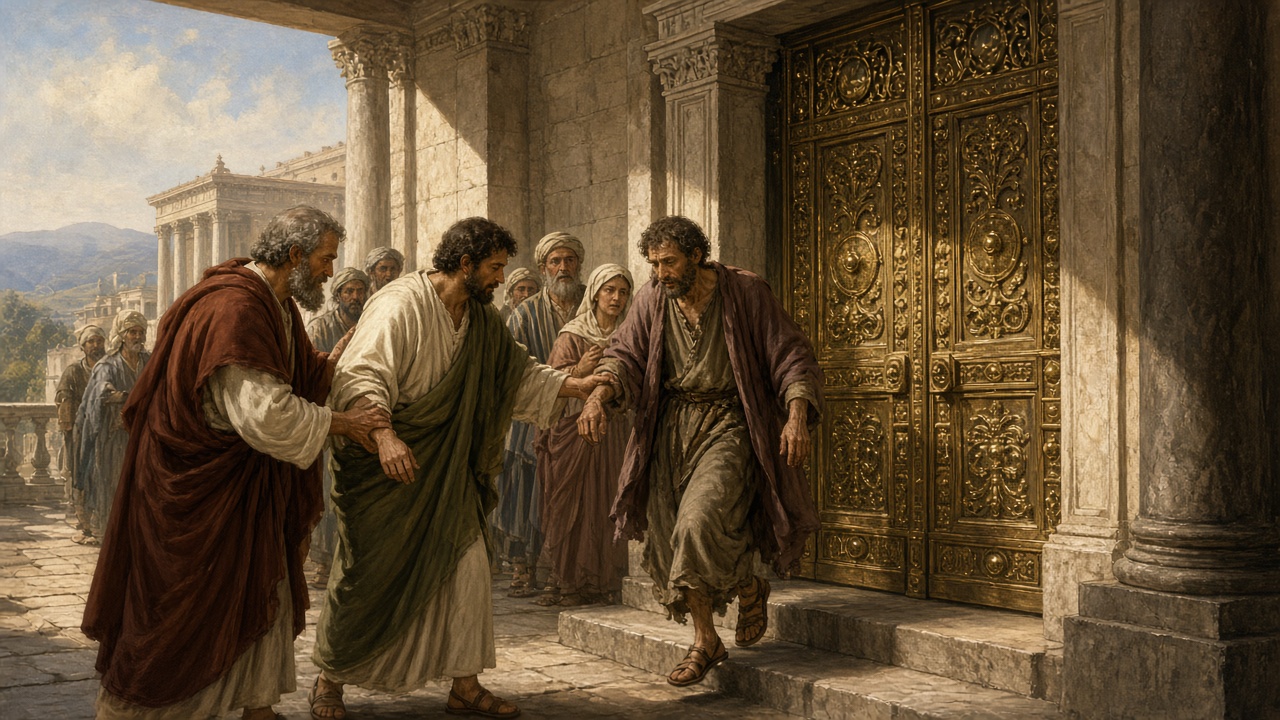
1Três horas kogonekâ, judeu domodo Deus agâ agueho oday myani Pedro, João warâ Deus ety odaji idâlymo. 2Târâ myani uguondo adakobâdânry nhedylymo, ihuru, ipaunru warâ tywyke iazeypy. Kopaelâgâembaba myani eataen-ho modo nhadyly Deus ety iwyantaji, “Portão Iwâkuru” kehoram. Târâ myani ekadybyem tawyly ume, Deus ety odaji egawânni modo nhekaendyly:
— Ytyendaungâ. Ydinheruru wao âunduwâtaungâ — kely.
3Aituo myani Pedro, João warâ egawândyly. Akaemo tientuo myani aguely:
— Ydinheruru wao âunduwâtaungâ — kely.
4Agueduo azakâlâ eyam MYK idylymo. Pedro aguely eyam:
— Xinaram MYK ikâ — kely.
5Agueduo myani mâkâ uguondo MYK idyly eyanmo.
— Ydinheruru nhudulymo wâne isenra — kely tyangahu oday.
6Warâ olâ myani Pedro aguely:
— Tydinherugunepa urâ. Dinheru takaze kehoem koendonro olâ ise âyam kâunduly. Jesus Cristo Nazaré donro eon-honrugue âyam auguely: “Aukâ. Adakobâgâ warâ” — kely.
7Agueypyem myani Pedro mâkâ uguondo emary aho eynynonro wâgâ nhawâdyly, sautoem. Ilâ umelâ kehoem myani mâkâ uguondo saudyly, adakobâdyly warâ. 8Kua itybyem tawylygue, tuomarugue tadameze kehoem myani Deus ety idaseraji idâly, Pedro, João warâ agâ. Warâ myani aguely:
— Deus, koendonro kehoem âmâ, kua yetai — kely.
9Idânârâ tonlo modo emâmomy mâkâ adakobâdyly, adamely warâ. Deus koendonroem awyly wâgâ aguely tydasemo lâpylâ myani. 10Âseguâdâmâmomy mâkâ koendâ adakobâdyly tientuomo. Aituo myani âjigue aguelymo:
— Mâkâ pyantano adakobâdânrybyrylâ awâkâ. Aunlolâ inanry sakadaynrim modo nhekaendyly. Etaungâ! Adakobâdyly, adamely warâ aidyly! Ânguy nheinwânkylyemba lâgâlâ! — kelymo. |src="cn01896B.tif" size="col" loc="Acts 3:1-10" copy="© 1978 David C. Cook Publishing Co." ref="Atos 3.1-10"
Deus ety idaseray Pedro aguehobyry
11Mâkâ uguondo adakobâdânrybyry Pedro, João warâ agâ tâise lelâ myani; Alpendre de Salomão keho taserano oday myani akaemo azagâ tokalâ warâ. Mâkâ kua itobyry wâgâ tâsewânilymogue myani kurâ domodo tâgaune kehoem idâlymo eyanmo, kua ityby ese. 12Târâ toenzepa kurâdo âtâdyguyly tientuo myani Pedro aguely eyanmo:
— Nhaum, koendâ ydataungâ, kydamu Israel iweom. Tâseguâdâzeba itaungâ. Xina arâ kâzesedaundâ. Ton-honrugue inkâba enra xina merâ adakobâdânrybyry kua nhedyly. Xina koendonroem awylygue inkâba merâ adakobâdyly. 13Kydamudo Abraão, Isaque, Jacó warâ iDeusry enra Jesus eon-honrugue kua itoem aieni, koendonro, ton-honreim waunlo Jesus awyly tienehon-hoem. Tâmaryem myani Deus, Jesus ingonodyly.
— Alâ olâ keankâ pymâ modoram mâengamelymo, kruz wâgâ iguehoem. Pymâ Pilatos wâne keankâ tienagazenehondyzeba. “Kruz onwa sakâjien-hongâ iguehoem!” myguewâtaundâmo olâ. 14Koendonro, âdaini keba keankâ mâkâ Jesus. Pilatos nenagazenehomba itoem âkeá myguepa olâ mataunaguynre. “Kyârim Barrabás etaguehongâ. Jesus kruz onwa sakâjien-hongâ” myguelymo lelâ keankâ. 15Kyigueânehondânry keankâ iguedyse matomo.
— Deus kurâem nietondâ olâ-ro warâ. Jesus kurâem itybyem awyly, tutuze xina, tientobyry wâgâ, aguely tindatobyry wâgâ warâ. 16Merâ uguondo âdaunlopyry awyly koendâ tutuzelâ âmaemo. Jesus eon-honrugue olâ enra kua idyly. Koendâ adakobâdyly metaimolâ. Inumo angataylâ enra Jesus eon-honrugue kua idyly, Jesus adyese awyly xina nheinwândylygue.
17— Ypemugudo, âwymârymo agâ Jesus kruz onwa mankâjien-hondaymo, Jesus, Messiaslâ awyly mâuntuwâbyra keankâ akaemo. “Kruz wâgâ sakâjien-hongâ” myguedaymo, Deus Ingonotyby mâkâ awyly mâuntuba mawylymo xutu. 18“Kâinduakeyby âzenagazeoze, igueze warâ” kewânmy Deus, tytaumbyry egatuwâni modo aguehoem. Arâlâ keankâ anhenehonly, adâkehobyry ara aitoem. 19Âjityendaungâ, inakanhe amitomobyry wâgâ. Deus izepa ato aiedyly imowâdaungâ. Jesus einwântaungâ, inakanhe amitomobyry Deus nhygakehoem. 20Arâ aitaungâ, Pymâ Deus kua âetomoem lâpylâ, Jesus âyanmo ingonotoem warâ. Deus, “Messias igonose urâ einwânni modoram” kewânmy.
21— Iwerâ Jesus târâ Deus eydâ atodâ. Tytaumbyry egatuim modo aguehoem aguewânlâmy Deus: “Auguehobyry saintuo, idânârâ iweloem iese urâ” kewânmy. Adâkehobyry saintuo, Jesus igonotonze mâkâ. 22Iweâpa Moisés inweniby ara ise aidyly: “Tokalâ kypemugu âyanmo igonose Kywymâry Deus. Deus wâgâ ise mâkâ âyanmo aguely. Tunâry egatuze ugonodâ myara ise mâkâ ingonodyly lâpylâ. Idânârâ aguehobyry ara aitaungâ. 23Inakanhe kehoem ise Deus idânârâ tâinwândysebanrobyry modo nhenagazenehonly. Deus eynynonro modo duaypa ise akaemo tyguelâ. ‘Ynynonro keba asaemo’ keze mâkâ-ro warâ” kewândymy Moisés. Jesus onro anaxi naimpyra ataylâ myakâwândy inwenily.
24— Idânârâ myakâwândy akaemo saguhoem Deus itaumbyry egatuwânibyry modo Deus Ingonokyly saintuo aitaynrim modo wâgâ aguelymo. Samuel, eagonro modo warâ xirâ wâgâ aguewânmomy. 25Deus itaumbyry egatuwânibyry modo iweompyrylâ kurâ, âmaemo, xina lâpylâ warâ. “Koendonro âmaemoem xuduze urâ” kewândymy Deus kydamudoram. Eyanmo lelâba myakâwândy aguely, kyam lâpylâ warâ. Kydamu Abraãoram aguehobyry enanâguewâdaungâ: “Tokalâ âwerypyry ewy wâgâlâ ise idânârâ onro anano modo agâ koendâ wawyly” kehobyry.
26— Iweâpalâ “Messias igonose urâ” tâkehobyrylâ myakâwândy Deus, ingonokyly kurâ israelita domodoram. Koendâ kyese, kieinwântoem, inakanhe kydawyly kinmohoem warâ myani ingonodyly — kely myani Pedro târâ âtâdyguyby modoram.
¿Sabías que…?
Curación y predicación en el templo
- La puerta del templo llamada Hermosa, donde cada día ponían a mendigar a un hombre cojo de nacimiento, se nombra en este capítulo. Se supone que era la puerta que iba del atrio de los gentiles al atrio de las mujeres; era maciza y estaba cubierta con placas de latón corintio.Fuentes: Beautiful Gate · el propio texto bíblico
- Después de la curación, la multitud asombrada corrió hacia Pedro y Juan en el paseo llamado Pórtico de Salomón. Era una columnata, o claustro, probablemente en el lado oriental del templo; no se menciona en relación con el primer templo, pero Josefo menciona un pórtico de ese nombre en el templo de Herodes.Fuentes: Solomon's Portico · el propio texto bíblico
- En el discurso allí, Pedro dijo que el pueblo había entregado a Jesús y lo había rechazado ante Pilato, aunque Pilato había decidido soltarlo. Una entrada de diccionario identifica a Poncio Pilato como el sexto procurador romano de Judea, del 26 al 36 d.C., con sede en Cesarea, aunque subía con frecuencia a Jerusalén; su nombre cobra especial relieve en relación con el juicio de Jesús.Fuentes: Pontius Pilate · el propio texto bíblico
Notas escritas con ayuda de IA a partir de fuentes abiertas (Theographic Bible Metadata, CC BY-SA 4.0; Easton’s Bible Dictionary, dominio público) y revisadas antes de publicarse.
Lugares de este capítulo
- Beautiful Gate · Hoy: in Jerusalem · 31.777, 35.234 · versículos 2, 10
- Nazareth · 32.702, 35.298 · versículo 6
- Solomon’s Portico · Hoy: in Jerusalem · 31.777, 35.234 · versículo 11
Solo aparecen lugares identificados con alta confianza (90 % o más según las fuentes académicas reunidas por OpenBible). Mapa de la época: DARE (Digital Atlas of the Roman Empire), CC BY 4.0; mapa actual: © colaboradores de OpenStreetMap; lugares: OpenBible.info (CC BY 4.0).
Créditos y licencia de esta traducción
Deus Itaumbyry
New Testament in Bakairí
copyright © 2011 Wycliffe Bible Translators, Inc.
Language: Bakairí
Translation by: Wycliffe Bible Translators, Inc.
Copyright Information
© 2011, Wycliffe Bible Translators, Inc. All rights reserved.
This translation text is made available to you under the
terms of the Creative Commons License: Attribution-Noncommercial-No Derivative Works.
( http://creativecommons.org/licenses/by-nc-nd/3.0/ )
In addition, you have permission to port the text to different file formats, as long as you
do not change any of the text or punctuation of the Bible.
You may share, copy, distribute, transmit, and extract portions
or quotations from this work, provided that you include the above copyright
information:
You must give Attribution to the work.
You do not sell this work for a profit.
You do not make any derivative works that change any of the actual words or punctuation of the Scriptures.
Permissions beyond the scope of this license may be
available if you contact
us with your request.
The New Testament
in Bakairí
© 2011, Wycliffe Bible Translators, Inc. All rights reserved.
This translation is made available to you under the terms of the
Creative Commons Attribution-Noncommercial-No Derivatives license 4.0.
You may share and redistribute this Bible translation or extracts from it in any format, provided that:
You include the above copyright and source information.
You do not sell this work for a profit.
You do not change any of the words or punctuation of the Scriptures.
Pictures included with Scriptures and other documents on this site are licensed just for use with those Scriptures and documents.
For other uses, please contact the respective copyright owners.
2014-04-23
Fuente: http://ebible.org/bkqNT/ · eBible.org